The Dawn of Syncretic Souls

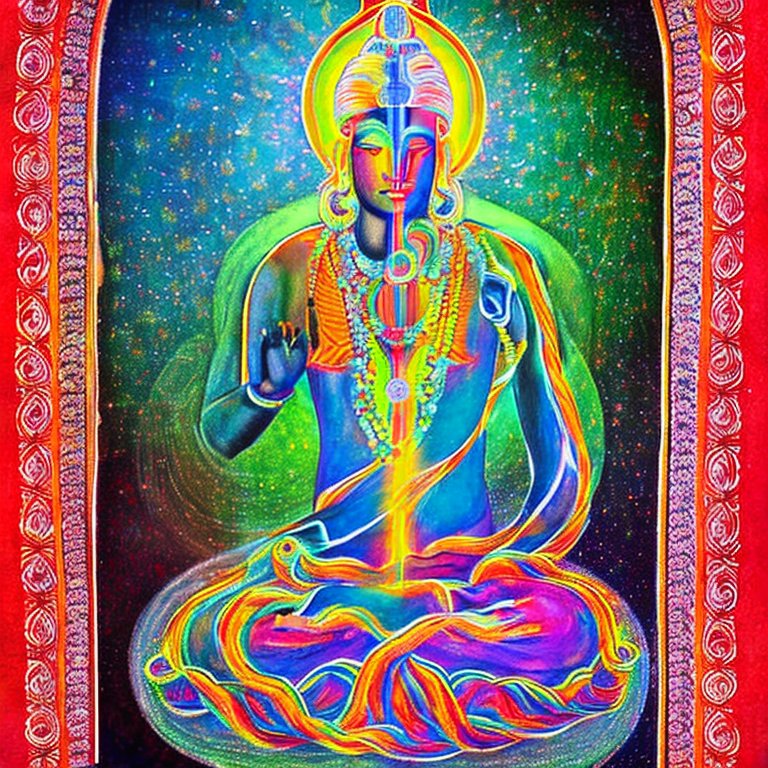
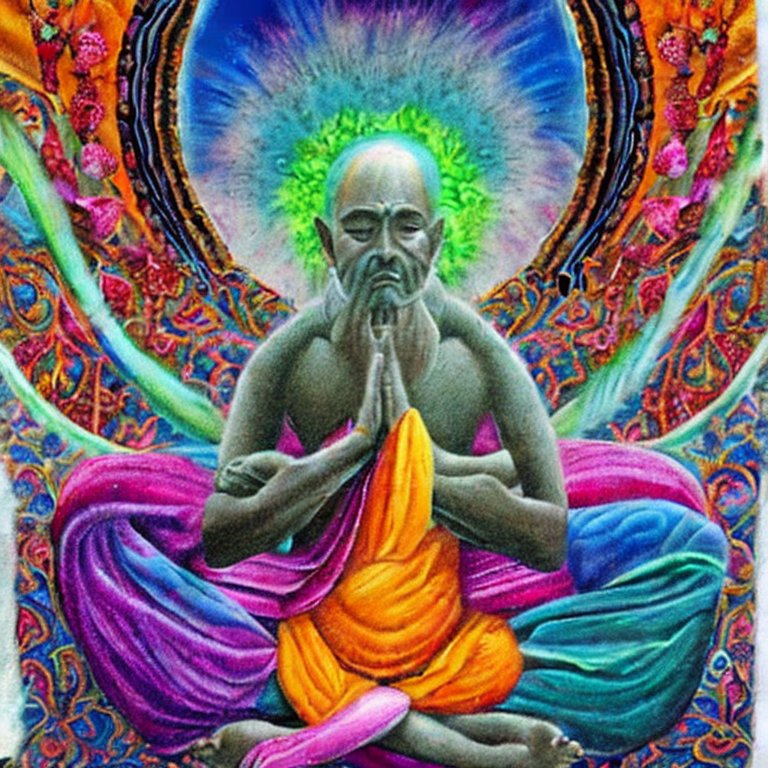
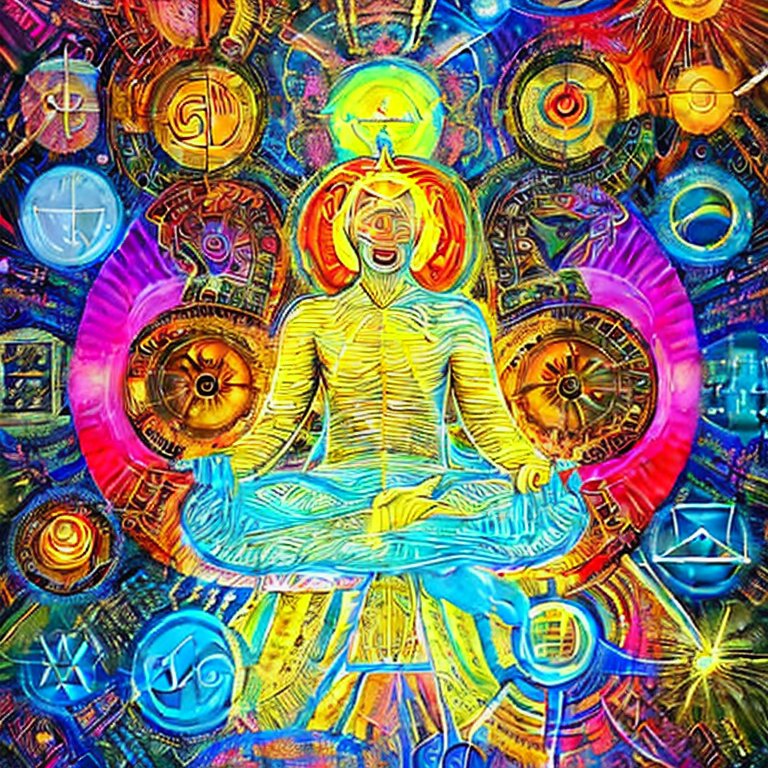
A Harmonious Unveiling of Eastern and Western Spirituality

Introduction:
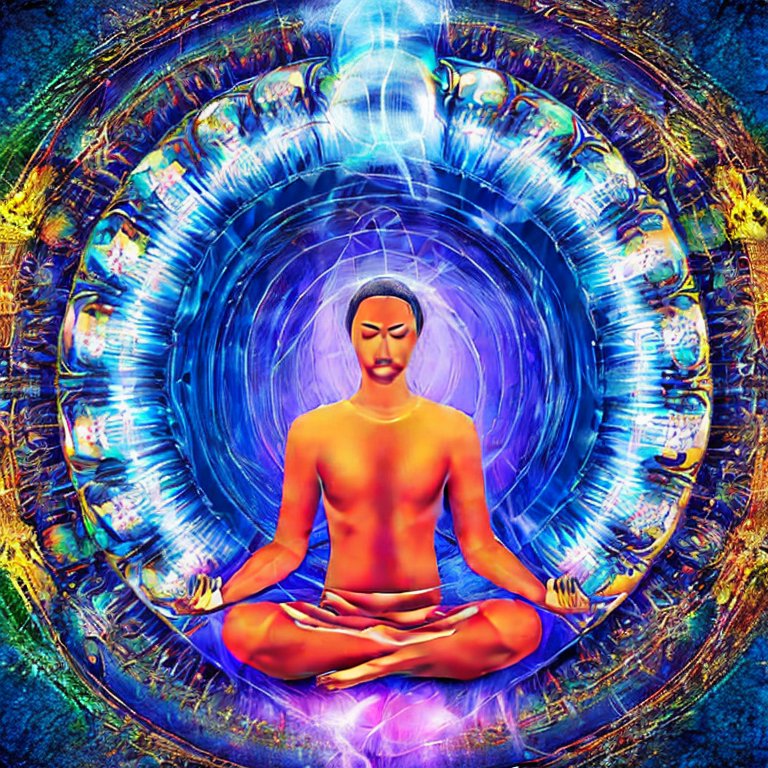
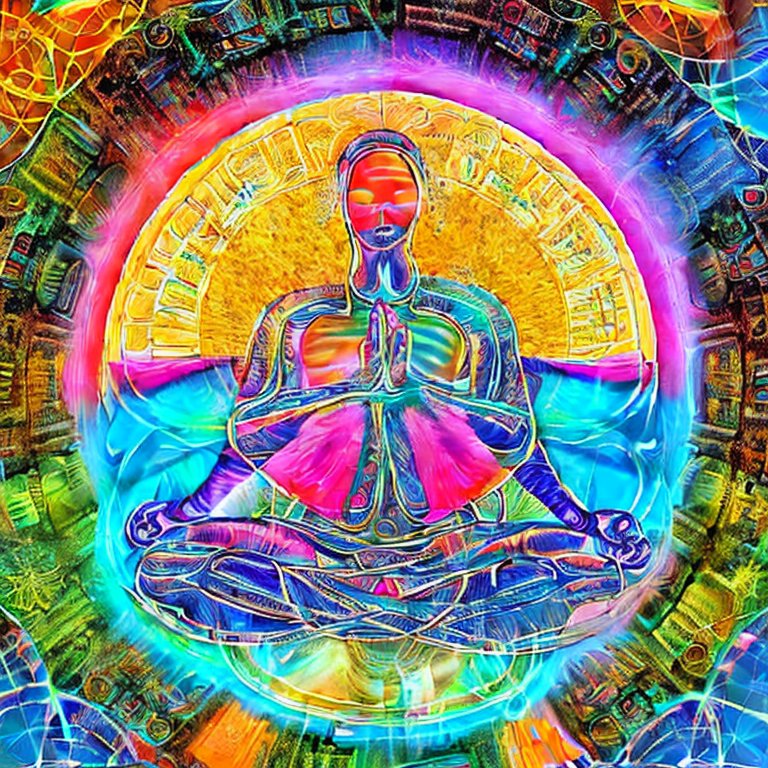
In the transcendent tapestry of human spirituality, East and West have often been seen as disparate threads. The West, with its logical rigour and scientific orientation, seems worlds apart from the East’s mystical, inward-focused spiritual traditions. However, in the heart of a spiritual awakening, a resplendent horizon emerges, revealing the unity and complementary nature of these spiritual worlds. This article explores this enigmatic integration, delving into how the confluence of Eastern and Western spirituality can offer a comprehensive and profound spiritual experience.

The Philosophical Underpinnings:
Eastern spirituality, rooted in traditions such as Hinduism, Buddhism, and Taoism, often emphasizes the notions of unity, interdependence, and the cyclical nature of existence. In contrast, Western spirituality, particularly in Abrahamic religions, has been more inclined toward linear progression, individual salvation, and a personal God. Notwithstanding these differences, both sides seek to understand the fundamental nature of existence and the path toward greater fulfillment and enlightenment.

The Awakening Confluence:
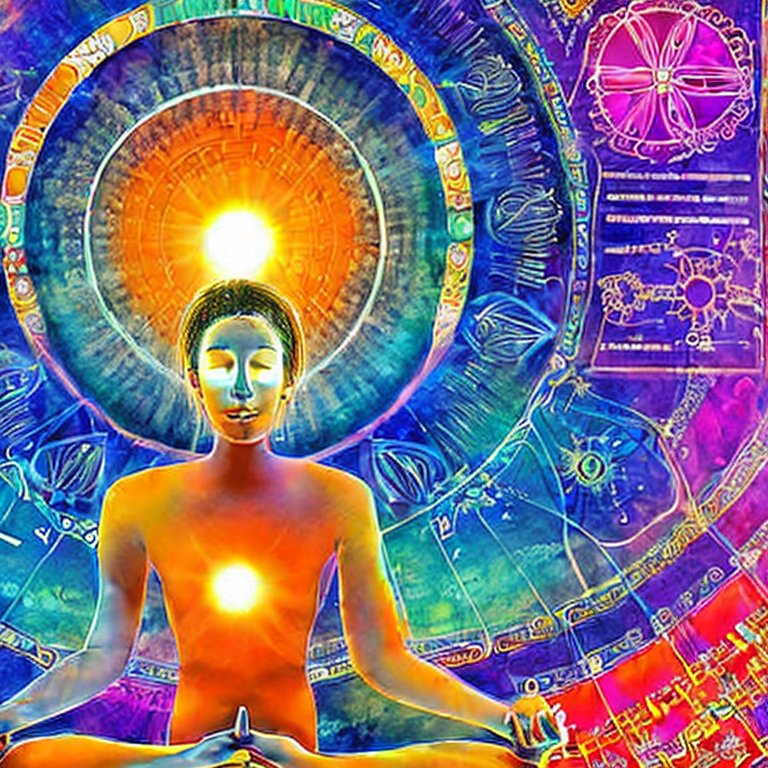
The moment of spiritual awakening can be likened to the dawn; the dark night of ignorance recedes as the sun of wisdom rises. In this pivotal moment, the dichotomies of East and West dissipate, as one comprehends the interwoven complexities of existence. The Eastern idea of interconnectedness suddenly harmonizes with the Western emphasis on individual worth, signifying that our individual journey has cosmic interconnected consequences.

Science and Mysticism:

One of the key avenues through which this integration is taking place is the dialogue between science (often associated with the West) and mysticism (a domain of the East). Through disciplines like quantum physics, Western science is beginning to echo Eastern concepts of interdependence and non-duality. The parallels between quantum entanglement and the interconnectedness emphasized in Eastern philosophies are a testament to this evolving synthesis.

A More Comprehensive Path:
By integrating Eastern and Western spirituality, individuals may find a more comprehensive and balanced path. For instance, the Western emphasis on social justice and activism can bolster the Eastern focus on inner peace and equanimity. Conversely, the Eastern practices of meditation and mindfulness can bring a sense of inner clarity and purpose to the Western pursuit of external achievements.

Conclusion:
As the human spirit continues to evolve, the integration of Eastern and Western spiritual perspectives offers a more holistic and enriched path. This synthesis, fully realized in the moment of spiritual awakening, acts as a bridge between dualities, fostering a deeper understanding of the self and the universe. Through this harmonious integration, humanity has the potential to weave a more intricate, compassionate, and enlightened tapestry of existence.

Morgan O. Smith

Yinnergy Meditation & My Book, Bodhi in the Brain…Available Now!

https://linktr.ee/morganosmith
Meditative Practices and the Illusory Nature of the False Self

A Journey Towards Self-Realization

Introduction:
Meditative practices have long been revered as transformative tools in the realm of self-discovery and spiritual growth. They offer a profound pathway for individuals to explore the depths of their consciousness, seeking truth, peace, and liberation. However, beneath the surface lies a fascinating paradox—the false self, which appears as the practitioner, ultimately leads to the revelation of the Ultimate Self, the Ground of All Being.

The Illusion of the False Self:
Within the tapestry of various spiritual traditions, the notion of the false self arises—a deceptive construct born out of our attachments to external roles, labels, and conditioned beliefs. This illusory identity emerges from our tendency to assign significance to transient aspects of our existence, such as social standing, material possessions, and superficial identities. Meditative practices, in their diverse forms, serve as illuminating mirrors, enabling us to perceive the transient nature of the false self and transcend its illusory grasp.

Meditation as a Mirror:
Meditation acts as a reflective surface, offering a clear reflection of the illusory nature of the false self. By turning inward and observing our thoughts, emotions, and sensations without judgment or attachment, we gain a heightened awareness of the ever-changing nature of our experiences. Regular practice nurtures a profound realization—an understanding that our thoughts come and go, emotions rise and subside, and identities shift fluidly. This awakening brings us closer to recognizing that the false self is not a fixed entity but a construct that can be deconstructed through the power of self-inquiry.

The Ultimate Self:
While meditative practices may originate from the false self, they hold within them the potential to reveal the Ultimate Self—the very essence of our being, the Ground of All Being. As we delve deeper into our meditative journey, we begin to touch upon an interconnectedness and unity with the vast cosmos. The boundaries that once separated our individual selves from the external world begin to dissolve, and we catch glimpses of the inherent oneness that permeates all existence. In this expanded state of awareness, the false self loses its grip, and we realize that our essential nature transcends the limitations of individual identity.

Integration and Transformation:
The true essence of meditative practices lies in the interplay between the false self and the Ultimate Self. The false self, while illusory, acts as a vehicle for the exploration and transformation of consciousness. Engaging with meditative practices allows us to intimately observe the patterns and tendencies of the false self, ultimately leading us to transcend its limitations. By embracing the false self as a catalyst for growth, we integrate its lessons and move closer to the realization of our true nature—the Ultimate Self.

Conclusion:
In the realm of meditative practices, the interconnection between the false self and the Ultimate Self invites profound contemplation. While the false self may present itself as real and compelling, it is merely a construct that can be unravelled through the transformative power of meditation. Engaging in these practices propels us on a journey of self-realization, unveiling the essence of our being—the Ground of All Being. Meditative practices serve as bridges, guiding us from the illusion of the false self to the profound truth of our interconnected existence. Embrace these practices, embrace the false self, and embark on the path toward ultimate liberation and self-realization.

Morgan O. Smith

Yinnergy Meditation & My Book, Bodhi in the Brain…Available Now!

https://linktr.ee/morganosmith
The Eternal Now

Enlightenment as the Ever-Present Journey

Introduction:
Time is a mysterious and often bewildering dimension of our existence. Like the fleeting shadow of tomorrow, enlightenment is often thought to be something that is always just out of reach. However, what if the key to enlightenment was not in endlessly chasing it, but in realizing that it is already here?

The Illusion of Tomorrow:
Many of us tend to postpone our happiness or goals for the future. “I will be happy when…” or “I will do that tomorrow,” are phrases we frequently tell ourselves. Yet, as time moves forward, tomorrow remains as elusive as ever. It’s always today. This is a poignant reminder that the present moment is all we have.

Parallel to the Illusion of Enlightenment:
Enlightenment is often perceived as the pinnacle of spiritual accomplishment, a state to be attained in the distant future. However, much like tomorrow, the notion of enlightenment as a destination may be an illusion. If enlightenment is truly understanding and being at peace with oneself and the universe, then it must exist in the here and now.

The Eternal Present:
The Buddhist concept of “Satori” embodies a sudden awakening or flash of insight. It illustrates that enlightenment is not a far-off goal but an ever-present possibility. When we begin to see that the essence of life and self-realization is embedded in the present, the journey toward enlightenment takes on a different texture. It becomes a continuous, unfolding process rather than a destination.

Cultivating Awareness:
The path to recognizing that enlightenment is in the present involves cultivating awareness and mindfulness. By fully engaging with the present moment and releasing our attachments to the past and future, we can find clarity and wisdom.

The Role of Experience:
Our experiences, no matter how mundane, are integral to our understanding. Every moment provides an opportunity for growth and learning. Through mindfulness, we can recognize the sacredness in the ordinary, and see that enlightenment isn’t something distant, but an ever-present reality.

Conclusion:
“Enlightenment is always here” is not just a statement, but an invitation to break the chains of time and enter the eternal now. It’s an invitation to stop searching and start living. Like the enigmatic nature of tomorrow, enlightenment is not something that can be grasped or attained in the future. It is a journey that is happening right now. Every moment is an opportunity for awakening. May we have the courage to embrace the present and recognize the enlightenment that is always here.

Morgan O. Smith

Yinnergy Meditation & My Book, Bodhi in the Brain…Available Now!

https://linktr.ee/morganosmith
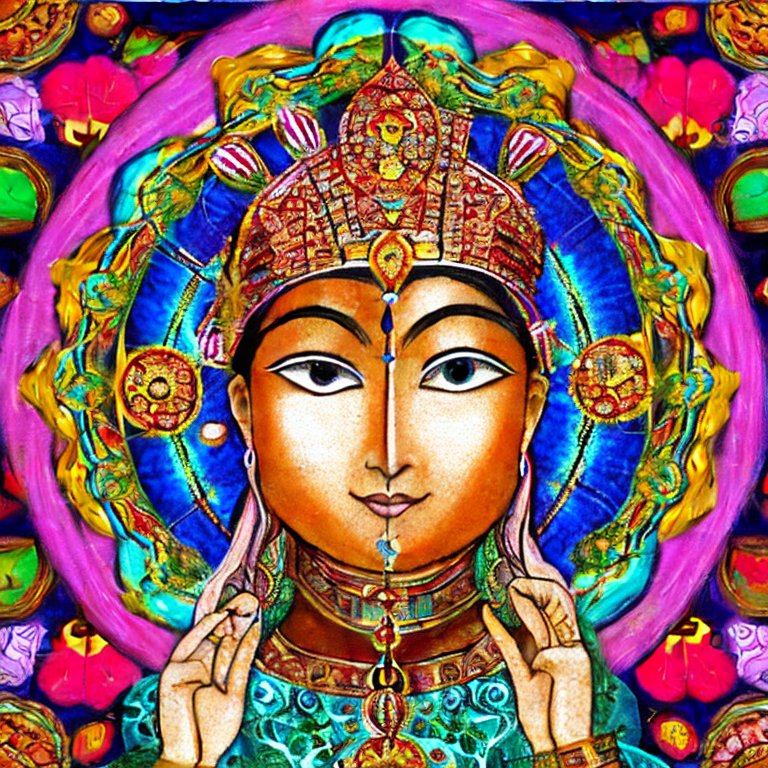
The Illusive Dawn

Spiritual Enlightenment and the Story We Live

Introduction:

Each day, as the earth rotates, the sun appears to rise over the horizon, casting its golden rays upon the world. Just like the sun, spiritual enlightenment is an ever-present force in our lives, though it is often perceived as something to be attained. This misconception, draped in the language of our stories, masks the true nature of spiritual enlightenment.

The Mirage of Attainment:
One of the intriguing elements of human nature is the relentless pursuit of something more. In the context of spiritual enlightenment, the journey is often portrayed as a path leading to a destination. However, by framing enlightenment as an end goal, we may be missing its inherent presence in our lives. Like the sun that’s always shining even when it’s out of our sight, enlightenment is not something we acquire but rather realize and tune into.

The Stories We Weave:

Our narratives shape our perceptions and, often unknowingly, our realities. Through stories, ancient wisdom has been passed down, guiding us toward spiritual growth. Yet, these stories can be double-edged swords. As they often depict characters attaining enlightenment, they inadvertently suggest that it is a finite state, achievable through certain actions or thoughts.

Unravelling The Eternal Now:
What if spiritual enlightenment is not something we reach at the end of a strenuous journey but rather an inherent quality of our being that we simply need to recognize? This recognition can be thought of as tuning into a frequency that has always been there. By peeling away the layers of ego, desires, and social constructs, we become more receptive to the eternal now – the ever-present light of consciousness that never wanes.

Practical Steps Towards Recognition:
1. Mindfulness: Engage in practices such as meditation or mindful breathing to bring awareness to the present moment.
2. Detachment: Learn to detach from material desires and social expectations that cloud the true essence of our being.
3. Compassion: Embrace a compassionate lifestyle, recognizing the interconnectedness of all life.
4. Continuous Learning: Engage with philosophical and spiritual texts that challenge and expand your understanding.

Conclusion:
Much like the illusory sunrise, the concept of attaining spiritual enlightenment may be a misinterpretation through the lens of our narratives. Rather than seeking to attain, let us recognize and embody the ever-present light within. By focusing on the present moment, detaching from the material world, and embracing compassion, we can tune into the unceasing glow of our inner sun.

Morgan O. Smith

Yinnergy Meditation & My Book, Bodhi in the Brain…Available Now!

https://linktr.ee/morganosmith
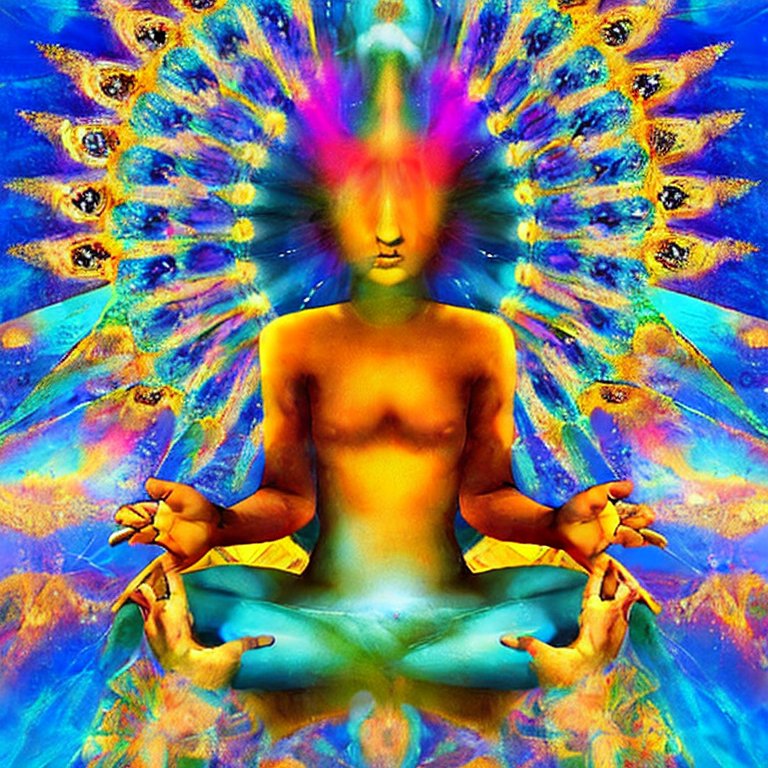
Embracing the Infinite

Unravelling the Unity of Being in Nondual Realization

Introduction:
Nondual realization, a concept deeply rooted in various spiritual and philosophical traditions, beckons us to unravel the intricate fabric of perceived separateness. It nudges us to fathom that our heads, shoulders, knees, and toes are not disjoint fragments, but an interwoven tapestry of existence that extends beyond our physical form to encompass the entirety of the cosmos.

The Mirage of Separation:
Our conditioned minds are apt at categorizing and labelling. We discern our body parts as separate entities, our thoughts as ours alone, and our experiences as exclusive. This discernment perpetuates a mirage of separation, where we see ourselves as isolated entities distinct from others and the world around us.

The Confluence of Suchness:
Nondual realization, however, invites us to shed these layers of compartmentalization and dive into the undercurrent of ‘suchness’. Suchness refers to the raw, unfiltered state of existence, free from conceptualizations. At this juncture, the distinctions blur, and the head, shoulders, knees, and toes emerge not as isolated landmarks but as interconnected contours of a boundless landscape.

Unity in Diversity:
Imagine a symphony where every instrument contributes to a harmonious melody. Each note, when observed in isolation, has its identity, but together they create music that is beyond the sum of its parts. Similarly, in the realm of nondual awareness, every form and phenomenon is an integral note in the cosmic symphony.

Bodies Within the Cosmic Body:
In the space of nondual awareness, the body is seen not as a solitary vessel but as a wave in the ocean of existence. Each wave is distinct yet made of the same essence as the ocean. The ‘body’ extends beyond physical form and encapsulates the trees, stars, and galaxies – all expressions of the same primordial energy.

Relevance in the Modern World:
In an era characterized by division and strife, embracing the understanding of nonduality can be transformative. When we recognize the interconnectedness of all forms and phenomena, compassion and empathy naturally flow. As we perceive others and the environment not as separate but as extensions of ourselves, a sense of stewardship and responsibility emerges.

Conclusion:
Nondual realization is not just a philosophical concept, but an experiential reality that can awaken us to the interconnected tapestry of existence. By perceiving the unity in diversity, recognizing the body as a microcosm of the cosmic body, and letting go of entrenched categorizations, we can nurture a more inclusive, compassionate, and harmonious world. This realization invites us to not only tread more lightly upon the Earth but also to embrace the boundlessness of our being.

Morgan O. Smith

Yinnergy Meditation & My Book, Bodhi in the Brain…Available Now!

https://linktr.ee/morganosmith
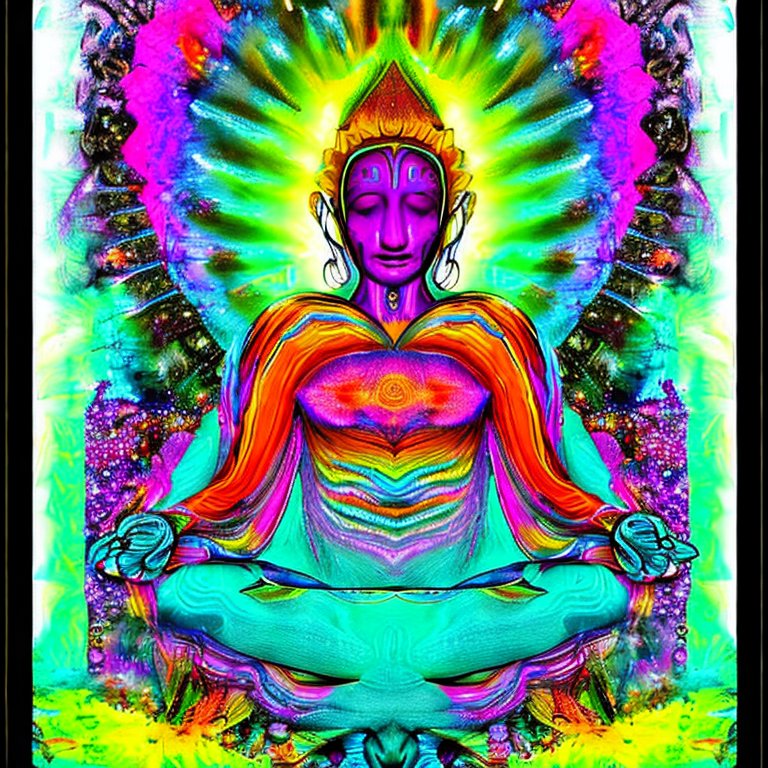
Cosmic Whispers

Deciphering the Divine Blueprint of Creation

Introduction:


In the quiet moments when our minds wander into the realm of the cosmic, we may find ourselves pondering a question that has beguiled philosophers and theologians for centuries: Why did God manifest everything into being? What could be the purpose behind the sprawling tapestry of stars, planets, and life? My answer is that God created everything to become, and to experience the total opposite of itself. However, like threads in a tapestry, there are numerous perspectives woven into this enigmatic question. Let’s unravel a few.

1. **The Divine Artist: Self-Expression and Creativity**

Imagine an artist, brush in hand, dipping into an infinite palette. Some believe that God, the Divine Artist, created the universe as an ongoing expression of self-expression and creativity. Here, the universe is a canvas and God’s creations are brushstrokes – intricate, boundless, and ever-evolving.

2. **Lila: The Cosmic Dance of Divine Play**

Within Hinduism, creation is seen as ‘Lila’ or divine play. Picture God as a dancer, whose movements give birth to galaxies and life. These movements are not driven by need or desire but are spontaneous expressions of joy. Lila suggests that the universe is God’s dance floor, where the Divine revels in the ecstasy of creation.

3. **Harbor of Love: Creation for Relationship**

What if the universe is a love letter? In Christianity and other religious traditions, it is suggested that God created the cosmos and sentient beings for the purpose of relationship and love. The creation is God’s way of extending an invitation to share in divine love and companionship.

4. **Divine Reflection: Creation as Self-Discovery**

Ponder a God yearning for self-knowledge. By manifesting a multitude of beings, each with unique experiences and perspectives, God gazes into a living, cosmic mirror. This mirror reflects different facets of the Divine, allowing God to explore and understand its own infinite nature.

5. **Kabbalah’s Divine Constriction: Creating Space for Others**


Envision a sea retracting to form a shore. Kabbalistic tradition posits that God underwent a self-constriction, known as Tzimtzum, to create space for an independent reality. This act of withdrawal was one of ultimate generosity, allowing for free will and a two-way relationship between creation and the Divine.

6. **The Soul’s Crucible: Testing and Spiritual Growth**

Is the universe a crucible for refining souls? Some belief systems suggest that God created the universe as a testing ground. Through challenges and experiences, souls are purified, tempered, and progress along a spiritual path.

7. **A Purposeless Creation: Philosophical Nihilism**

Not all threads are woven with intention. Some philosophical perspectives maintain that creation has no purpose. It posits that existence is simply a natural by-product of God’s existence and devoid of any inherent meaning.

8. **Pantheism: The Universe as God’s Identity**

Picture a universe where every atom is a fragment of divinity. Pantheism posits that God and the universe are identical. Nature is not a separate creation but a part of the Divine. Through the vastness of space, we witness the body of God.

Conclusion:

As we stand before this intricate tapestry of creation, it becomes clear that the question of why God manifested the universe is as multifaceted as the cosmos itself. Each thread—whether woven with intention, love, curiosity, or even ambiguity—adds depth to this cosmic masterpiece. In examining these threads, we engage not just with the mysteries of creation, but with the essence of our own search for meaning and connection in an unfathomably vast universe.

Morgan O. Smith

Yinnergy Meditation & My Book, Bodhi in the Brain…Available Now!

https://linktr.ee/morganosmith

Embracing the Unity of Free Will and Determinism

Nondual Perspectives

Introduction:
In the timeless debate surrounding free will versus determinism, philosophical inquiries have often sought to reconcile these seemingly opposing concepts. However, from a nondual standpoint, rooted in direct experience, the boundaries between free will and determinism begin to blur. In this blog, we explore the profound idea that every choice we make is our decision and the decision of the universe itself. We delve into the unity of free will and determinism, highlighting how this perspective challenges conventional notions and opens up new avenues for contemplation.

The Illusion of Separation:

From a nondual perspective, the fundamental illusion is the perception of separation between ourselves and the universe. When we examine our direct experience, we realize that we are intimately interconnected with the fabric of existence. Our choices and actions are not isolated events but intricately interwoven with the tapestry of the cosmos. Thus, the dichotomy of free will and determinism fades away, revealing a deeper unity.

The Illusion of Individual Agency:
Conventionally, free will is often associated with individual agency, the belief that we possess an independent power to make choices. However, upon closer inspection, we find that our notion of individual agency is built upon a complex web of influences. Our thoughts, desires, and motivations arise from a multitude of factors: genetics, upbringing, culture, and countless other variables. In this sense, determinism seems to assert its presence, implying that our choices are shaped by external forces.

Reframing Choice as Cosmic Manifestation:
While determinism challenges the idea of individual agency, nondual perspectives offer an intriguing alternative. Instead of perceiving ourselves as separate entities with independent choices, we can reframe choice as a cosmic manifestation. Every decision we make can be seen as a ripple in the interconnected web of existence, an expression of the universe itself. In this way, free will and determinism merge into a harmonious whole, transcending the limitations of duality.

Unfolding in the Eternal Now:
In the nondual understanding, the concept of time takes on a different dimension. Past, present, and future merge into an eternal now, where every choice and outcome coexist in a timeless dance. From this vantage point, the notion of causality loses its strict linear framework. Our choices are not predetermined events unfolding in a predetermined sequence; rather, they arise in the timeless realm of possibility, where the universe expresses itself through our individual consciousness.

Embracing Paradox:
The reconciliation of free will and determinism requires embracing paradox. It calls upon us to transcend the limitations of dualistic thinking and expand our awareness to encompass the vastness of existence. In this paradoxical dance, we find liberation. We become both the orchestrators and the orchestrated, the chooser and the chosen, as we recognize the profound interdependence that pervades all aspects of reality.

Conclusion:
From the nondual standpoint, the interplay between free will and determinism reveals a profound unity. By exploring our direct experience and recognizing the illusory nature of separation, we discover that every choice we make is intricately connected with the choices made by the universe. As we embrace this understanding, we transcend the limitations of duality and embark on a journey of profound self-realization, where the dance of free will and determinism becomes an expression of the cosmic symphony of life.

Morgan O. Smith

Yinnergy Meditation & My Book, Bodhi in the Brain…Available Now!

https://linktr.ee/morganosmith

The Integral Journey

Growing Up, Waking Up, Cleaning Up, and Showing Up – A Holistic Approach to Personal Development

Introduction:
In the pursuit of personal growth and self-improvement, it is essential to adopt a holistic approach that encompasses various dimensions of our being. Drawing inspiration from Integral Theory, which offers a comprehensive framework for understanding human development, we explore the significance of four interconnected aspects: growing up, waking up, cleaning up, and showing up. Just as focusing solely on arm development in bodybuilding would lead to an imbalanced physique, neglecting any of these dimensions can leave us lopsided, imbalanced, or incomplete in our personal evolution.

1. Growing Up: Strengthening the Foundation
Growing up refers to the process of psychological and emotional maturation, moving from egocentric to ethnocentric and ultimately to world-centric perspectives. Just as a solid foundation is crucial for a balanced physique, growing up establishes the groundwork for our personal growth. It involves developing self-awareness, emotional intelligence, and social skills. Without this dimension, we may struggle to navigate relationships and fail to comprehend the broader context in which our lives unfold.

2. Waking Up: Expanding Consciousness

Waking up signifies the transcendence of limited egoic identification and the realization of our true nature. It involves cultivating mindfulness, spiritual awareness, and insight into the nature of reality. In bodybuilding terms, waking up is akin to expanding the mind-muscle connection, allowing us to tap into hidden potential and experience a heightened sense of being. Neglecting this dimension can result in a lack of purpose, spiritual disconnect, or a failure to appreciate the interconnectedness of all things.

3. Cleaning Up: Healing and Integration

Cleaning up involves acknowledging and addressing our personal shadow, unresolved traumas, and subconscious patterns. It entails embarking on a journey of self-reflection, therapy, or other healing modalities to integrate fragmented aspects of ourselves. In bodybuilding, cleaning up corresponds to maintaining overall bodily health, addressing muscle imbalances, and preventing injuries. Ignoring this aspect can lead to recurring emotional challenges, self-sabotage, or a sense of being held back by unresolved issues.

4. Showing Up: Authentic Action in the World
Showing up refers to actively participating and contributing to the world around us, aligned with our values and purpose. It involves expressing our unique gifts, making a difference, and living a life of authenticity. In bodybuilding, showing up corresponds to showcasing our developed muscles on stage, embodying the results of our efforts. Neglecting this aspect may result in a lack of fulfillment, a sense of disconnection from our true passions, or a failure to make a meaningful impact.

Conclusion:
Just as a bodybuilder strives for a balanced physique by developing all muscle groups, a comprehensive approach to personal development is vital for a holistic and fulfilling life. By embracing the principles of growing up, waking up, cleaning up, and showing up, as outlined by Integral Theory, we invite a transformative journey that nurtures our physical, mental, emotional, and spiritual dimensions. Only by cultivating these interconnected aspects can we achieve true harmony, fulfillment, and a well-rounded evolution toward our highest potential.

Morgan O. Smith

Yinnergy Meditation & My Book, Bodhi in the Brain…Available Now!

https://linktr.ee/morganosmith
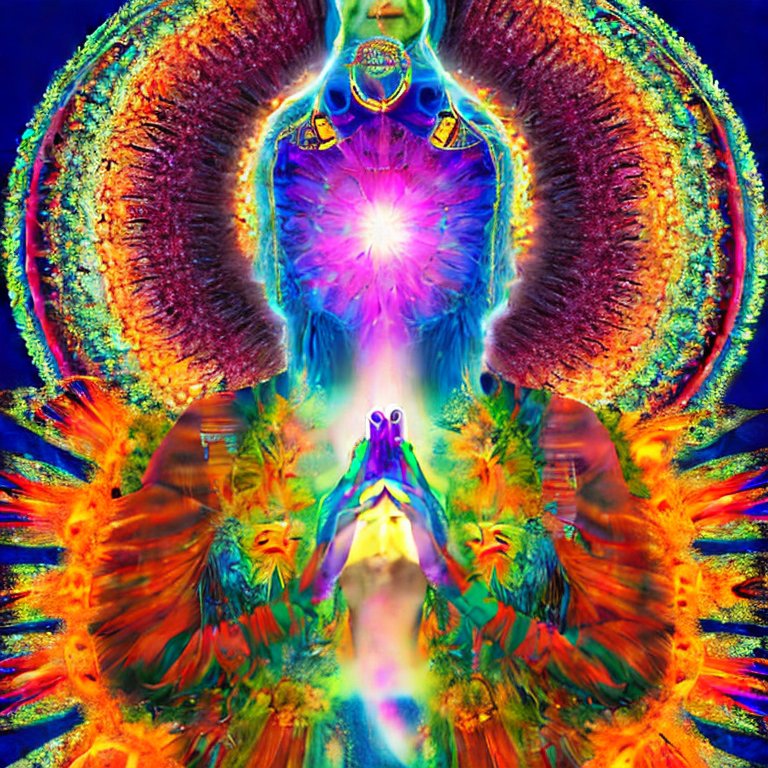
The Harmony Within

Exploring Integral Theory’s Perspectives on Nature vs. Nurture

Introduction:
In the quest to unravel the essence of human existence, the age-old debate of Nature vs. Nurture finds itself intertwined in the heart of discourse. The Integral Theory, founded by philosopher Ken Wilber, offers a unique lens to dissect this debate through its Four Quadrants. This thought-provoking analysis aims to delve into how the Integral Theory’s Four Quadrants elucidate the interplay between nature and nurture.

The Four Quadrants:
For context, Integral Theory’s Four Quadrants are a framework to understand reality. They are: Interior-Individual (Upper-Left), Exterior-Individual (Upper-Right), Interior-Collective (Lower-Left), and Exterior-Collective (Lower-Right). These quadrants reflect the inner and outer, as well as the individual and collective dimensions of existence.

1. Interior-Individual (Upper-Left) – The Subjective Self:
Here, nature manifests as the innate essence, such as genetic predispositions and temperament. Nurture, on the other hand, shapes our consciousness through personal experiences and emotions. The harmony or dissonance between one’s nature and the nurturing influences could define their subjective reality.

2. Exterior-Individual (Upper-Right) – The Observable Self:

In this quadrant, nature is viewed through the lens of biology – our brain structure, hormones, and genetic makeup. Nurture is the external stimuli that alter our biology. Understanding how the external environment (nurture) impacts our physiological being (nature) helps in comprehending the fluidity of human behaviour.

3. Interior-Collective (Lower-Left) – Shared Cultural Values:
This quadrant takes into account the collective consciousness, where nature represents the innate human desire to belong and socialize. Nurture is the culture we imbibe. It is critical to examine how societal norms and values (nurture) can either support or conflict with our innate tendencies (nature).

4. Exterior-Collective (Lower-Right) – Social Structures:

The Lower-Right quadrant emphasizes the social systems and structures. Here, nature is the evolution of societies, while nurture represents the societal systems such as education, law, and governance. The structures that societies create (nurture) can either facilitate or hinder the natural progression of human evolution.

Finding Balance:

The Integral Theory’s Four Quadrants reveal the intricate tapestry woven by the threads of nature and nurture. Recognizing the dialogues between these dimensions empowers us to find balance. Are we honoring our innate essence while being responsive to external influences? How are our societal structures and shared values nurturing our natural propensities or thwarting them?

Conclusion:
As we navigate through the currents of existence, the Integral Theory’s Four Quadrants provide us with the compass to explore the depths of Nature vs. Nurture. By seeking harmony between our inherent nature and the nurturing environments, we create a symphony that resonates with the very core of human existence. It is through this understanding that we can work towards a more holistic, compassionate, and evolved society.

Morgan O. Smith

Yinnergy Meditation & My Book, Bodhi in the Brain…Available Now!

https://linktr.ee/morganosmith

The Universal Tapestry

Revelations From The Pinnacle of Spiritual Perception

Introduction:
Imagine for a moment transcending the confines of your individual self and embracing the consciousness of all life forms across the universe. This peak spiritual experience, where one sees from every possible perspective, holds transformative potential. But what exactly happens, and why is this beneficial?

The Tapestry of Existence:
Within this peak experience, one witnesses the intricate fabric of life woven through space and time. As humans, we usually observe life through the lens of our limited experiences, but as the collective consciousness, you realize the delicate balance and interdependence that sustains life in its myriad forms.

Empathy on a Cosmic Scale:
In this state, the empathy experienced is unparalleled. You are not just understanding someone else’s viewpoint; you ARE them. The barriers that divide humans – race, religion, nationality – become inconsequential. This heightened empathy can promote peace, as individuals who have undergone such a transcendental experience may return with an inherent sense of the unity of all beings.

Stewardship of Earth and Beyond:
Seeing the interconnectedness of all life forms generates a sense of responsibility. The recognition that our actions affect not just our immediate environment but ripple across ecosystems and even planets can lead to more conscious stewardship of Earth and potentially other habitats throughout the universe.

Innovation Through Diverse Perspectives:

In a state where one can tap into the consciousness of different life forms, the pool of knowledge and experiences becomes vast. This can foster innovative solutions to longstanding problems as insights from different life forms provide new angles and approaches previously unthought of.

Deepening Self-Understanding:
While experiencing the universality of consciousness, one’s self-concept undergoes a profound transformation. Understanding that your essence is intertwined with the cosmos helps in comprehending the self not as an isolated entity, but as an integral part of a larger whole.

Ethical Evolution:
With the awareness of the interconnected tapestry of life, ethics evolve. Actions are evaluated not just based on their impact on individual lives but on the entirety of the cosmic fabric. This shift can lead to an ethical framework that values preservation, cooperation, and symbiosis.

Conclusion:
A peak spiritual experience of perceiving existence from all perspectives is more than just an awe-inspiring phenomenon; it’s a revelation that has the potential to alter the very fabric of human society. By instilling a sense of interconnectedness, fostering empathy, driving innovation, and evolving our ethical compass, such experiences can pave the way for a more harmonious and sustainable coexistence with all life throughout the universe.

Morgan O. Smith

Yinnergy Meditation & My Book, Bodhi in the Brain…Available Now!

https://linktr.ee/morganosmith