
The Witness Alone Remains
Every belief we hold about reality begins with a fundamental assumption: that something exists. Objects, thoughts, emotions, and even the concept of the self are taken as undeniable truths. But when we look closer, reality reveals itself to be far less solid. Strip away perceptions, dismantle the narratives, and what remains? Nothing. Not the nothing of absence, but a profound, living nothingness that holds the potential for everything.
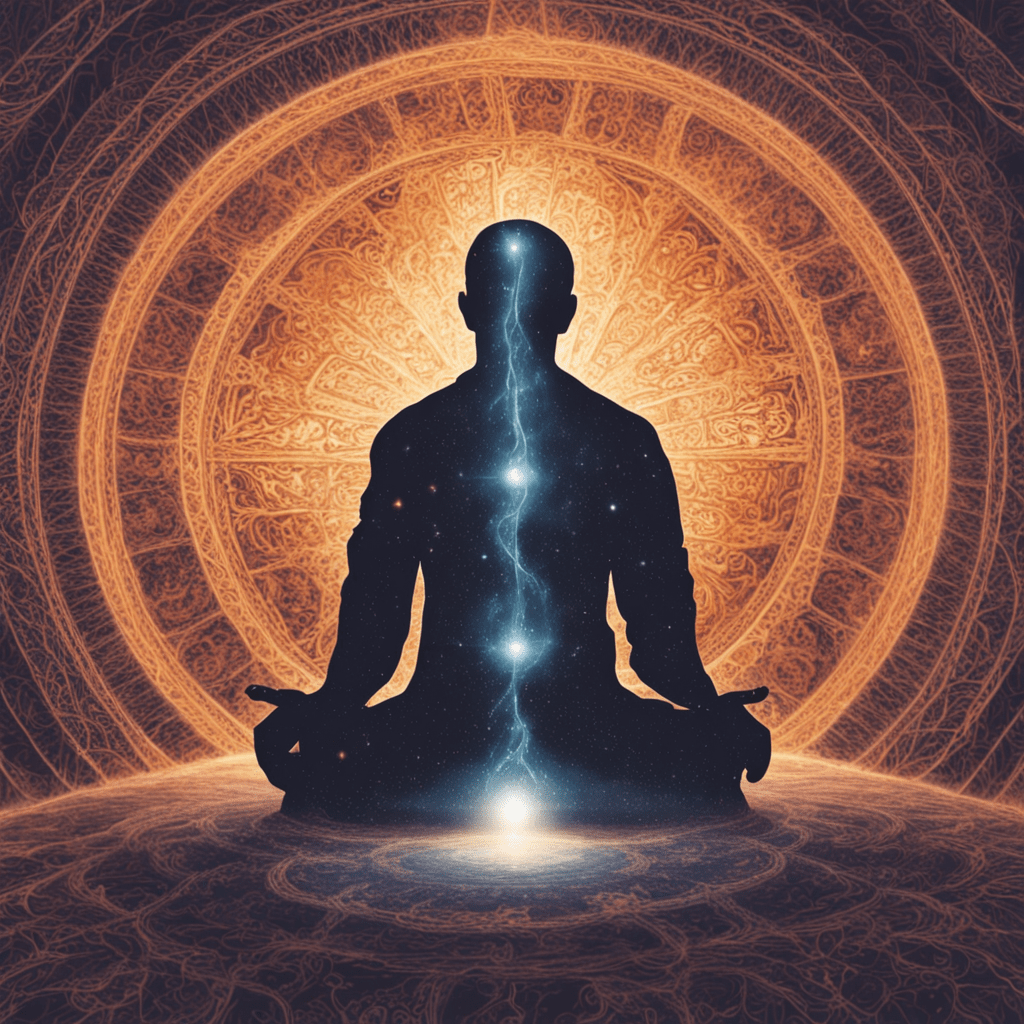
The paradox lies here: if nothing truly exists, then what is aware of this nothing? What observes the rise and fall of sensations, thoughts, and forms? The answer is the witness—pure awareness, untouched by the shifting currents of existence. It is not an object that can be grasped, but the context in which all objects appear.
What Is the Witness?
The witness is not the thinking mind or the personality you’ve constructed through years of conditioning. It is that which observes even the mind itself. The witness is silent, still, and ever-present. It is not bound by time, nor does it possess a location. While the body and thoughts belong to the world of form, the witness transcends it entirely.
When you recognize the witness, the illusion of existence begins to unravel. The objects of your awareness—whether external events or internal thoughts—are revealed to be fleeting, momentary phenomena. They appear, they shift, and they dissolve, leaving no trace of permanence. The witness alone remains unchanged, untouched by the dance of creation and destruction.
Nothingness as Freedom
The recognition that nothing exists liberates you from attachment. If everything is transient, then clinging to any experience, belief, or identity is an exercise in futility. This does not mean rejecting the world but meeting it with openness, seeing it for what it is: a play of appearances arising within the vastness of nothingness.
This nothingness is not cold or lifeless. It is the fertile void from which all existence springs, a source of infinite creativity and potential. The witness watches the unfolding of this creative process, yet remains uninvolved, free from entanglement.
Who Experiences Existence?
The ultimate question arises: if nothing exists, how can existence be experienced at all? The witness is both the perceiver and the essence of existence itself. It is through the act of witnessing that “existence” takes on meaning. Without the witness, there is no one to perceive existence. The world, as we know it, cannot exist independently of the awareness observing it.
This insight has profound implications. The separation between the experiencer and the experienced dissolves. Reality is no longer something “out there” to be analyzed or controlled; it is a dynamic flow that arises within you, as you. The witness is not apart from existence—it is existence, recognizing itself through the illusion of separation.
Living as the Witness
To live as the witness does not mean rejecting the world or detaching from life. It means fully engaging with reality while knowing its true nature. You move through life with clarity, seeing that every thought, every sensation, and every moment arises from nothing and returns to nothing. The recognition of this emptiness brings freedom—not a withdrawal from life, but a deeper immersion in its sacredness.
When the witness becomes your anchor, suffering loses its grip. Challenges and emotions no longer define you; they are simply waves in the ocean of awareness. Relationships deepen, as you no longer seek validation or fulfillment from others. The peace of the witness is enough.
This realization is not a conclusion but an ongoing experience. Every moment offers an opportunity to rest in the witness, to see through the illusions of existence, and to marvel at the profound simplicity of being.
Morgan O. Smith
Yinnergy Meditation, Spiritual Life Coaching & My Book, Bodhi in the Brain…Available Now!







 Morgan O. Smith