Are We Truly God? Exploring the Divine Paradox

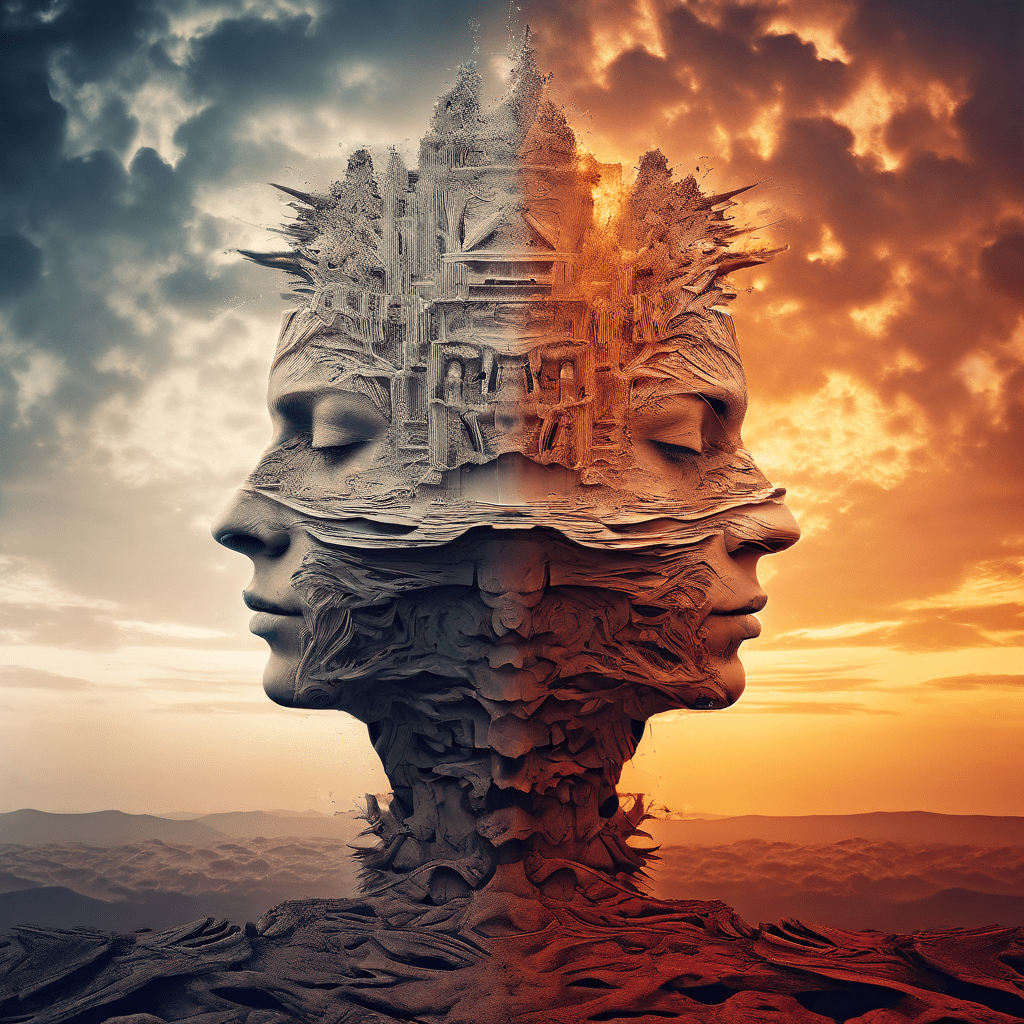
In the quest for spiritual enlightenment, a profound question often arises: Are we truly God? The answer, paradoxically, is both affirmative and negative. This might seem bewildering, but it encapsulates the essence of our being and the nature of existence itself.

Yes, We Are:

At the core of our being lies a spark of the divine. Every moment of clarity, every act of compassion, every intuitive insight reflects our inherent divinity. In moments of deep meditation or mystical experience, we touch upon a state of unity where the boundaries between self and the universe dissolve. We feel the interconnectedness of all things, experiencing firsthand the truth of our divine nature.

No, We’re Not:

Conversely, we are also distinct from the absolute. Our daily lives, with their trials and tribulations, remind us of our limitations. We experience separation, individuality, and the constraints of physical existence. These experiences ground us in the reality that, while we may embody aspects of the divine, we are not the totality of it. The ego, with its desires and fears, maintains the illusion of separateness.


Maybe We Are, Maybe We’re Not:

The coexistence of these opposing truths leads us to a deeper understanding. This paradox mirrors the dual nature of existence: the finite and the infinite, the known and the unknown. It is within this dynamic interplay that the essence of our being resides. By embracing this paradox, we move beyond binary thinking and open ourselves to the fluidity of existence.

Understanding the Paradox:

To truly grasp this paradox is to recognize that our existence transcends simplistic definitions. We are both the wave and the ocean, distinct yet inseparable. In acknowledging our divine potential while also accepting our human limitations, we embark on a journey of self-discovery that is both humbling and empowering.


Conclusion:

This paradoxical truth—that we are simultaneously divine and not—invites us to embrace the full spectrum of our existence. It challenges us to live with openness, curiosity, and a deep sense of wonder. By doing so, we honour the complexity of our being and the mysterious beauty of the universe.

Morgan O. Smith

Yinnergy Meditation, Spiritual Life Coaching & My Book, Bodhi in the Brain…Available Now!

https://linktr.ee/morganosmith

The Absolute and the Illusion of Time

In our journey towards spiritual awakening, we often encounter the perplexing notion of time. Our minds are conditioned to perceive time linearly: past, present, and future. This perception is deeply ingrained in our consciousness, shaping our understanding of reality. However, the Absolute— the ultimate reality—exists beyond this linear framework. In the realm of the Absolute, everything that has ever happened, is happening now, and will happen in the future, all coexist in a timeless continuum.

Imagine a vast, infinite expanse where every moment in time is accessible simultaneously. This is not a mere concept but a profound truth that beckons us to transcend our limited perceptions. In the Absolute, the past, present, and future are not distinct entities but facets of a singular, eternal moment. Our conventional understanding of time dissolves, revealing a state of being that is unbounded and ever-present.

To grasp this concept, we must first recognize that our perception of time is an illusion created by the mind. The mind, with its incessant chatter and constant need to categorize experiences, imposes a linear structure on reality. This structure is useful for navigating the physical world, but it also confines us within a limited framework. The spiritual journey involves breaking free from these mental constructs and experiencing reality as it truly is—timeless and infinite.


Consider the implications of this timeless reality on our lives. Every event, every experience, every thought and emotion, is part of an eternal now. The suffering we endure, the joys we cherish, the lessons we learn, all exist simultaneously within this grand mosaic of existence. This understanding can bring a profound sense of peace and acceptance. When we realize that everything is happening as it should, in its own perfect time, we can let go of our fears and anxieties about the future and our regrets about the past.

Moreover, this realization can transform our approach to life. If we understand that every moment is imbued with the entirety of existence, we can cultivate a deeper presence in our daily lives. Each action, no matter how mundane, becomes an expression of the eternal now. Each interaction, no matter how fleeting, holds the potential for profound connection. In this way, we begin to live in harmony with the flow of the universe, attuned to the rhythm of the Absolute.

Embracing the timeless nature of reality also invites us to explore the depths of our consciousness. Meditation, contemplation, and other spiritual practices become portals to experiencing the eternal now. As we quiet the mind and delve into the silence within, we can touch the essence of the Absolute. In these moments of stillness, we glimpse the truth of our being—that we are not separate entities bound by time but expressions of the infinite consciousness that pervades all existence.


In conclusion, the Absolute transcends our limited perception of time, inviting us to experience reality as an eternal now. By recognizing the illusory nature of linear time, we can cultivate a deeper presence in our lives and align ourselves with the flow of the universe. This understanding brings peace, acceptance, and a profound sense of interconnectedness, guiding us on our journey toward spiritual awakening.

Morgan O. Smith

Yinnergy Meditation, Spiritual Life Coaching & My Book, Bodhi in the Brain…Available Now!

https://linktr.ee/morganosmith

The Illusion of Enlightenment

Beyond Appearances

In the world of spiritual seekers, the image of enlightenment is often cloaked in stereotypes. We imagine the enlightened as wise sages with serene expressions, adorned in simple yet vibrant robes, often with a flowing beard symbolizing wisdom and age. These images, while compelling, can distract us from the true essence of spiritual awakening.

The Fallacy of External Symbols


Consider the figure of a guru, resplendent in flamboyant orange attire and a long beard. At first glance, these external symbols seem to exude a profound spirituality. They speak of dedication, discipline, and a life devoted to higher truths. However, these symbols are but surface-level adornments. They are, in essence, a part of the cultural performance of spirituality. The real question is: does the essence of enlightenment reside within these outward displays?


The Deeper Reality

Enlightenment, in its truest form, transcends appearances. It is not about how one dresses, speaks, or the rituals one performs. True enlightenment is the realization of nonduality, the deep understanding that all distinctions are ultimately illusory. It is a state of being where one recognizes the interconnectedness of all existence and lives in harmony with this profound truth.

A guru’s flamboyant attire and serene demeanour may buy time and may hold the disciples’ awe, but eventually, true discernment must prevail. Spiritual seekers must learn to look beyond the external and discern the depth of true wisdom.

Beyond the Mask

This brings us to the core of spiritual discernment. The journey towards enlightenment is deeply personal and internal. It requires a relentless commitment to self-inquiry, a willingness to confront and dissolve one’s ego, and an openness to the vast, unfathomable mystery of existence.

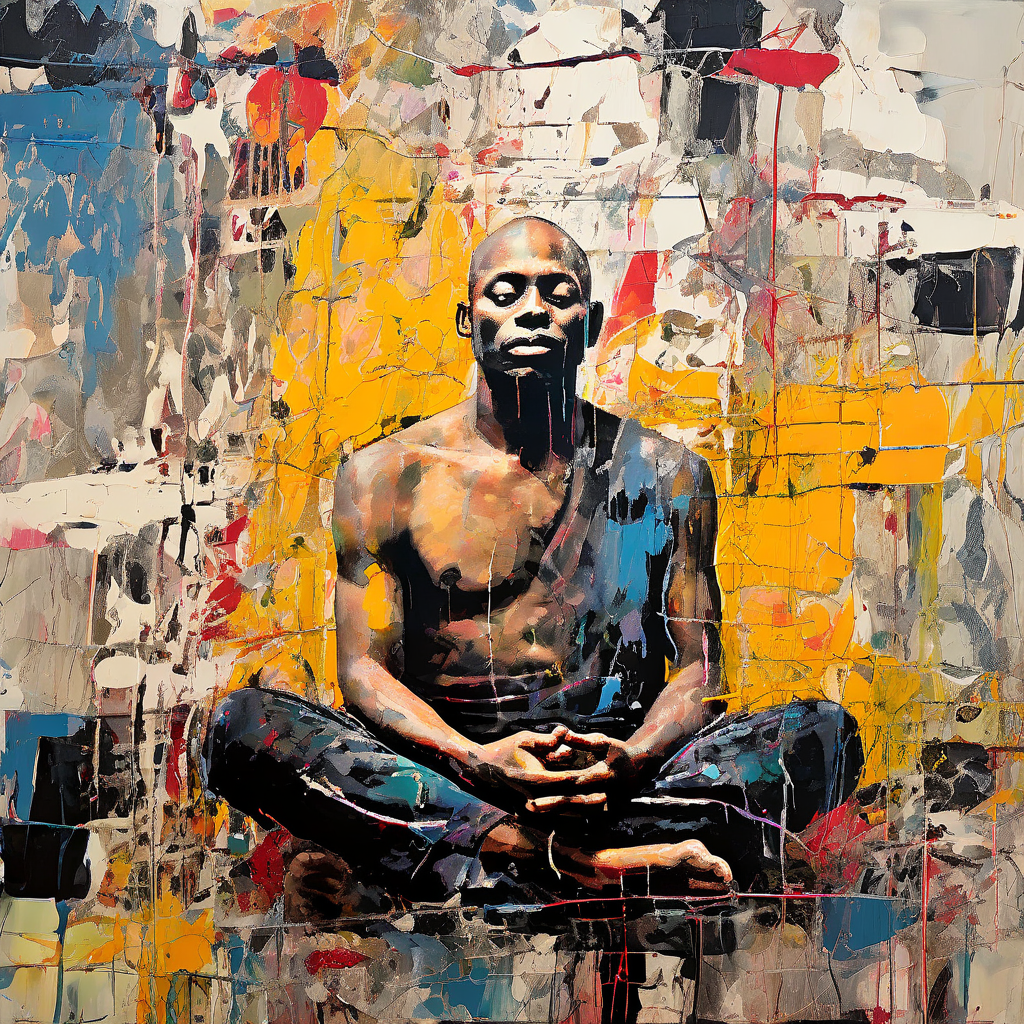
A true guru, one who is genuinely enlightened, may or may not conform to the stereotypical image. They might appear as an ordinary person, unremarkable in many ways. The true measure of their enlightenment lies in their ability to guide others toward their inner light, not through the allure of external symbols, but through the profound simplicity and authenticity of their being.


The Inner Path

As seekers on the path, we must cultivate the ability to see beyond appearances. The guru’s external symbols can be helpful signposts, but they are not the destination. Our journey is about inner transformation, about peeling away the layers of illusion to reveal the radiant core of our true nature.

Enlightenment is not a spectacle; it is a quiet, profound shift in consciousness. It is the realization that the true guru resides within each of us, waiting to be discovered in the stillness of our hearts.

Conclusion

In a world where appearances often deceive, the challenge for spiritual seekers is to cultivate true discernment. Let us not be swayed by the external trappings of spirituality but seek the deeper, inner essence of enlightenment. For it is in the quiet, unassuming moments of profound realization that the true nature of our being is revealed.

Morgan O. Smith

Yinnergy Meditation, Spiritual Life Coaching & My Book, Bodhi in the Brain…Available Now!

https://linktr.ee/morganosmith

Embracing the Stillness

The Space Between Extremes

In the quiet of existence, where dualities converge and distinctions fade, lies a profound stillness. This is not a void of absence but a vibrant presence, where the very essence of being unfolds beyond the boundaries of self. In this space, there is a deep, unwavering serenity, a stillness that remains untouched by the oscillations of life’s extremes.

To truly understand this stillness, one must transcend the conventional notion of self. It is not about fortifying the ego or creating a resilient identity; rather, it is the realization that the ‘me’ we cling to is an illusion. The self, as we know it, is but a construct of the mind, shaped by experiences, memories, and societal influences. When we see through this illusion, we discover that there is nothing that can be broken or shaken.

Imagine the ocean. The surface may be turbulent, whipped by winds and storms, but the depths remain calm, undisturbed by the chaos above. Similarly, when we identify with the deeper currents of our being, the surface disturbances lose their power. This is not a passive state of detachment but an active engagement with life from a place of profound inner peace.

This realization is the crux of many spiritual traditions. In nonduality, the self is seen as an expression of the universal consciousness, not separate from it. The dissolution of the individual ego leads to a direct experience of unity with all that is. It is a state where the observer and the observed merge, where the boundaries of ‘me’ and ‘not me’ dissolve.


Such a perspective transforms how we navigate life’s challenges. Without the burden of a fragile ego to protect, we can face adversity with equanimity. The fear of failure, rejection, or loss diminishes because there is no ‘self’ to defend. Instead, we move through life with grace and acceptance, recognizing that every experience is a manifestation of the same underlying reality.

In practical terms, this understanding invites us to cultivate mindfulness and presence. By observing our thoughts and emotions without attachment, we begin to see them for what they are—fleeting phenomena passing through the vastness of our true nature. Meditation and contemplative practices can help us deepen this awareness, guiding us back to the stillness that lies at the heart of our being.

This journey is not about achieving a state of perfection but embracing the wholeness of our existence. It is about recognizing that the stillness we seek is already within us, always accessible, always present. By resting in this space between extremes, we find a source of strength and peace that transcends all conditions.


In the end, the realization that there is no ‘me’ to break or shake is profoundly liberating. It allows us to engage with life fully, without fear or resistance. We become like the still point in the turning world, unmovable and unbreakable because we have transcended the very notion of a separate self.

Morgan O. Smith

Yinnergy Meditation, Spiritual Life Coaching & My Book, Bodhi in the Brain…Available Now!

https://linktr.ee/morganosmith

The Clarity of Enlightenment

Understanding the End of Confusion

Enlightenment is often depicted as a pinnacle of spiritual achievement, a state where the mind transcends its usual patterns and sees reality as it truly is. One profound realization that accompanies enlightenment is the clear understanding of confusion itself.

The Nature of Confusion

Confusion is a state of mind where the incessant chatter of thoughts, emotions, and sensory input obscures clarity. It arises from the fragmented way we perceive the world, dividing experiences into categories and labels, creating a sense of separation and duality. This fragmented perception is the root of our suffering, as it distorts our understanding of the interconnectedness of all things.

The Shift to Enlightenment

Enlightenment is not merely an intellectual understanding but a profound experiential realization that dissolves the boundaries of self and other. In this state, the mind no longer clings to distinctions, and the innate oneness of existence becomes evident. This shift transforms our perception, allowing us to see through the veils of confusion with a clarity that is as unmistakable as daylight.


Seeing Through Illusions

Upon reaching enlightenment, the illusions that once caused confusion are seen for what they are—mere constructs of the mind. The ego, which thrives on these constructs, loses its grip, revealing the underlying reality. This revelation brings a sense of peace and profound understanding. The struggles and doubts that once plagued the mind dissolve, and what remains is an unshakeable clarity.

The Role of Awareness

Awareness plays a crucial role in this transformation. As we cultivate awareness through practices like meditation, mindfulness, and self-inquiry, we begin to recognize the patterns of the mind that create confusion. With consistent practice, these patterns lose their power, and the mind becomes more settled and clear. Enlightenment is the culmination of this process, where awareness is fully integrated, and confusion is transcended.

Embracing the Journey

The journey to enlightenment is unique for each individual, yet it is marked by common milestones of increased clarity, peace, and understanding. It requires dedication, patience, and a willingness to confront and transcend the illusions that obscure our true nature. Each step on this path brings us closer to the realization that confusion is not an inherent part of our existence but a temporary state that can be overcome.


Conclusion

Enlightenment reveals the inherent clarity that lies beyond the mind’s confusion. It is a state where the true nature of reality shines forth unobscured, bringing with it a profound sense of peace and understanding. As we journey towards this state, we learn to see through the illusions of confusion, embracing the clarity that is our birthright.

Morgan O. Smith

Yinnergy Meditation, Spiritual Life Coaching & My Book, Bodhi in the Brain…Available Now!

https://linktr.ee/morganosmith

The Multilayered Journey of Ego Dissolution

In the intricate dance of spiritual awakening, the ego stands as both a necessary companion and a formidable obstacle. Our journey to self-realization often involves peeling away the layers of this multifaceted construct, each layer representing a different aspect of our perceived identity.

The ego, much like an onion, is composed of multiple layers. These layers symbolize the various roles, beliefs, and attachments we accumulate throughout our lives. Initially, shedding these layers can be a liberating experience. We feel lighter, more connected to our true selves, and less bound by societal expectations and personal fears. Each removed layer brings us closer to a state of purity and clarity.

However, the concept of ego death transcends the gradual shedding of these layers. Ego death is not merely about peeling back the onion to its core; it is about transcending the very existence of the onion itself. It is the profound realization that the core was an illusion all along, a construct of the mind designed to give us a sense of separateness and control.

Imagine reaching a point where even the scent of the onion no longer lingers. This metaphor captures the essence of true ego death—a state where not only the layers but the very notion of an individual self dissolve into the infinite. It is the ultimate surrender, where the boundaries between the self and the cosmos blur into non-existence, revealing the underlying oneness of all.


This experience can be both terrifying and liberating. The fear of losing our identity is a natural response, as the ego is deeply ingrained in our sense of self-preservation. Yet, the liberation that follows is unparalleled. Without the confines of the ego, we experience reality in its purest form, untainted by personal biases or desires. We become conduits for the divine flow of life, embracing the totality of existence with an open heart and mind.

Ego death is not a one-time event but an ongoing process of dissolution and rebirth. Each moment of awareness, each act of surrender, contributes to the gradual dismantling of the ego’s hold. In this continuous journey, we learn to embrace the paradox of being both nothing and everything simultaneously. We recognize that our true essence is not defined by our identity but by our intrinsic connection to the universal consciousness.

As we navigate this path, it is essential to cultivate compassion and patience for ourselves. The layers of the ego are intricate and deeply rooted, and their dissolution requires gentle persistence. By embracing the journey with humility and openness, we allow the process to unfold naturally, guided by the inner wisdom that transcends the ego’s limitations.


In conclusion, the journey of ego dissolution is a profound exploration of our true nature. It invites us to move beyond the superficial layers of identity and experience the boundless reality of our interconnected existence. Through this journey, we discover that true freedom lies not in the absence of identity but in the realization of our inherent oneness with all that is.

Morgan O. Smith

Yinnergy Meditation, Spiritual Life Coaching & My Book, Bodhi in the Brain…Available Now!

https://linktr.ee/morganosmith

Seeing God in All Faces, Places, and Empty Spaces

“See God in all faces, places, and empty spaces” is an invitation to recognize the divine presence in every aspect of existence. This perspective encourages a profound shift in how we perceive the world, inviting us to see beyond the superficial and appreciate the sacredness that permeates all things.

Faces
Seeing God in all faces means acknowledging the inherent divinity within every person we encounter. It is a call to look beyond differences in appearance, culture, or belief, and to recognize the shared essence that connects us all. This recognition fosters empathy, compassion, and a deeper sense of unity, as we see each individual as an expression of the divine.

Places
When we see God in all places, we cultivate a sense of reverence for our surroundings. Whether in nature, urban environments, or our homes, this perspective encourages us to find beauty and sacredness everywhere. It prompts us to treat our environment with respect and gratitude, understanding that every place is a manifestation of the divine presence.


Empty Spaces
Seeing God in empty spaces invites us to appreciate the silence, stillness, and potential that exist in the gaps and voids of our lives. These spaces are not merely absences but are pregnant with possibility and the unmanifest potential from which all creation arises. By embracing these empty spaces, we learn to find peace in stillness and to trust in the unfolding of life’s inherent wisdom.

Integrating This Perspective
To truly embody this perspective, one must cultivate mindfulness and an open heart. Practicing presence in each moment, we can begin to see the interconnectedness and the divine thread that weaves through all of existence. This practice transforms our perception, allowing us to live with greater joy, peace, and a deep sense of belonging.


By seeing God in all faces, places, and empty spaces, we align ourselves with a higher understanding of unity and divine presence. This shift not only enriches our spiritual journey but also enhances our interactions with the world, inspiring us to live with compassion, respect, and a profound appreciation for the sacredness of life.

Morgan O. Smith

Yinnergy Meditation, Spiritual Life Coaching & My Book, Bodhi in the Brain…Available Now!

https://linktr.ee/morganosmith

A Choice is a Response to a Choice Already Made

In the intricate dance of existence, each choice we make is not an isolated event but a response to a multitude of preceding choices, both conscious and unconscious. This realization invites us to explore the profound interconnectedness that defines our lives and shapes our destinies.

Consider the idea that our choices are echoes of prior decisions, reverberating through the corridors of time. Every action we take is influenced by the context created by our previous actions, the environment we inhabit, and the subconscious patterns we have developed over time. This continuum of choices forms a dynamic interplay where each moment is both a consequence and a cause, a delicate balance of cause and effect.

In the realm of nonduality, where distinctions between the self and the other dissolve, we begin to see that our decisions are not merely personal but are also part of a larger, cosmic unfolding. The individual choice merges with the collective will, and the personal narrative intertwines with the universal story. This perspective encourages us to approach decision-making with a sense of humility and responsibility, recognizing the ripple effects of our actions across the fabric of existence.

Moreover, understanding that a choice is a response to a choice already made invites us to examine the underlying motivations and beliefs that drive our decisions. Are we acting out of fear or love? Are we perpetuating old patterns, or are we consciously creating new ones? This introspective inquiry can lead to greater self-awareness and a deeper alignment with our true selves.

The concept of interconnected choices also highlights the importance of mindfulness in our daily lives. By bringing conscious awareness to our decisions, we can break free from automatic responses and create space for intentional action. This practice of mindfulness allows us to see the interconnected web of choices and to navigate it with greater clarity and purpose.

In essence, each choice we make is a dialogue with our past and a co-creation of our future. It is a testament to the interconnectedness of all things, a reflection of the continuous flow of life. As we become more attuned to this flow, we can embrace the wisdom that emerges from understanding the intricate interplay of choices and the profound unity that underlies our existence.

Morgan O. Smith

Yinnergy Meditation, Spiritual Life Coaching & My Book, Bodhi in the Brain…Available Now!
https://linktr.ee/morganosmith

The Sacred Act of Creation

Beyond Enlightenment

In the realm of spiritual exploration, we often revere the state of enlightenment as the ultimate achievement. However, there lies a profound gift that transcends even this pinnacle of spiritual awakening: the act of giving birth.

The capacity to bring forth life is a divine endowment bestowed upon women. This sacred act is not merely a biological function but a profound spiritual event. Each woman who gives birth carries within her the potential to bring enlightened beings into the world. The act of childbirth is a testament to the unbroken lineage of human existence, a continuum that makes the emergence of enlightened souls possible. Without the mothers who nurture and bring forth life, the very fabric of enlightenment would remain incomplete.

Men, too, share in this sacred responsibility. The ability to sow the seed of life means contributing to the infinite possibilities of creation. Every act of conception holds the potential to shape the future, to influence the tapestry of existence in ways that are both seen and unseen. Each contribution to the cycle of life is a silent affirmation of the interconnectedness of all beings, a recognition that enlightenment is not an isolated event but a collective journey.


Enlightenment itself, while transcendent and all-encompassing, is deeply rooted in the human experience. It is a state that emerges not in isolation but in the context of our shared existence. The enlightened beings of today stand on the shoulders of those who came before them, those who brought them into the world, nurtured them and set them on their path. The journey to spiritual awakening is a collective endeavor, woven through generations and interconnected lives.

In recognizing the sacredness of creation, we honour the unsung heroes of the spiritual journey: the mothers and fathers who contribute to the continuity of life. Their roles are not secondary to enlightenment but are integral to it. The potential for enlightenment exists because of the gift of life, which is perpetuated through the act of creation.


Thus, as we seek spiritual enlightenment, let us also revere the profound power of creation. Let us acknowledge that the journey to enlightenment begins with the simple, yet profound, act of giving life. In this recognition, we find a deeper appreciation for the interconnectedness of all existence, a recognition that every birth is a potential awakening, every new life a testament to the infinite possibilities of enlightenment.

Morgan O. Smith

Yinnergy Meditation, Spiritual Life Coaching & My Book, Bodhi in the Brain…Available Now!
https://linktr.ee/morganosmith

The Evolution Beyond Personal Deities

Embracing the Infinite

In the profound journey of spiritual awakening, there comes a moment when the personal god, once a comforting presence, begins to feel like an ill-fitting garment. This is not a rejection but an evolution, akin to an adolescent who outgrows their need for an imaginary friend. This metaphorical maturation reflects a deeper understanding of the divine as an infinite, formless presence, beyond any personal characteristics or limitations.

In our early spiritual development, the idea of a personal god can be immensely comforting. It offers a sense of security and companionship, much like a child’s imaginary friend. This anthropomorphic deity provides guidance, solace, and a moral compass, helping us navigate the complexities of life. However, as we delve deeper into the realms of spirituality and nonduality, our perception of divinity begins to transform.

The transition from a personal god to an impersonal, infinite reality mirrors our journey from ego-bound identities to the realization of our true, boundless nature. This shift is not about abandoning faith but about expanding it. It is about moving from a limited, dualistic perception of the divine to an all-encompassing, nondual awareness. Here, the divine is not a separate entity but the very essence of existence itself, permeating every atom of the cosmos.

Embracing this infinite reality requires a profound letting go of old paradigms. It involves releasing the need for a deity who looks like us, thinks like us, and intervenes in our lives. Instead, we begin to see the divine as an all-pervasive consciousness, a vast, unconditioned presence that transcends all forms and concepts. This realization brings a deep sense of peace and unity, as we recognize our inherent connection to the divine.

This evolution can be challenging. It demands that we confront our deepest fears and insecurities, the aspects of ourselves that clung to the comfort of a personal god. Yet, it is in this very confrontation that we find liberation. By letting go of the need for a personal deity, we open ourselves to the infinite, experiencing the divine in every moment, every breath, and every heartbeat.

In this state of expanded awareness, prayer and meditation transform. They become less about seeking guidance or intervention from a higher power and more about attuning themselves to the subtle, ever-present flow of divine energy. Our spiritual practices deepen, becoming a means of aligning with the infinite, of experiencing the divine as an intimate part of our being.

Ultimately, the evolution beyond a personal god is a return to our true nature. It is a journey from the confines of duality to the boundless expanse of nonduality. This realization is not an endpoint but a continuous unfolding, a never-ending exploration of the infinite depths of existence.


As we embrace this evolution, we step into a new dimension of spiritual maturity. We recognize the divine in all its forms and formlessness, in every aspect of life and beyond. And in this recognition, we find a profound sense of belonging, a deep, abiding peace that transcends all understanding.

Morgan O. Smith

Yinnergy Meditation, Spiritual Life Coaching & My Book, Bodhi in the Brain…Available Now!
https://linktr.ee/morganosmith