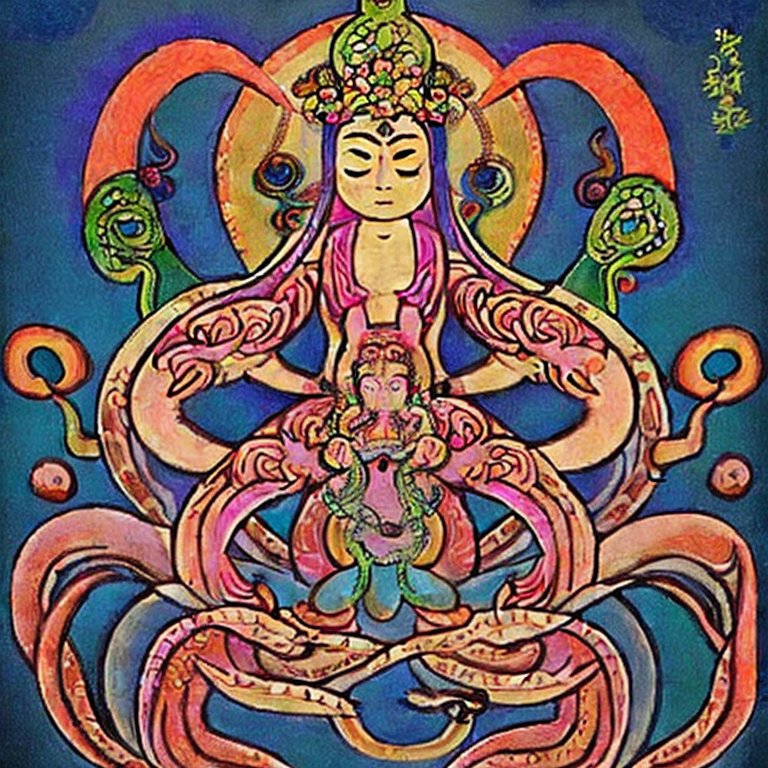
Empathy in Healing

The Transformative Power of Alleviating Others’ Pain

In our increasingly interconnected world, where individual struggles and collective hardships are omnipresent, there lies a profound, yet often overlooked, truth: healing others can lead to our recovery. Tending to the wounds of the afflicted isn’t merely a noble endeavour; it is an odyssey into the core of human existence, and in this journey, we often find our wounds beginning to mend.

Consider the metaphor of ‘licking the wounds’ of those who suffer, a practice observed in the animal kingdom where creatures often literally do so to aid healing. This metaphor taps into a deeper human instinct: the urge to comfort, heal, and connect. When we reach out to those in pain through acts of kindness, active listening, or being present, we engage in a process that transcends mere physical interaction. It becomes a reciprocal exchange where empathy flows, understanding deepens, and barriers dissolve.

This act of giving, paradoxically, becomes a gift to ourselves. Focusing on another’s pain, understanding it, and striving to alleviate it, allows us to step outside our troubles momentarily. This perspective grants us an understanding that our suffering is not solitary. This shared experience of pain and healing creates a mosaic of human connection, joining disparate individuals in a network of empathy and understanding.


Yet, this journey is not devoid of challenges. Engaging with others’ pain necessitates vulnerability – a readiness to accept that in helping others, we might confront our hidden sorrows. But it is in this vulnerability that true strength lies. Each empathetic act fortifies our emotional resilience, enlightens us about the complexities of human emotions, and, most crucially, fosters a deeper self-understanding.

In ‘licking the wounds’ of the afflicted, we inadvertently apply a healing salve to our souls. The lessons gleaned from these compassionate acts extend beyond the immediate relief provided. They mould our character, enhance our empathy, and often lead to a more profound and enriching understanding of our healing process.


In conclusion, the act of healing others serves as a reflection of our own need for healing. It is a reminder that in the complex network of human experiences, our sorrows and joys are interconnected. By extending a hand to those in pain, we inevitably soothe our spirits, and in this mutual exchange of healing, we discover the essence of our shared humanity.

Morgan O. Smith

Yinnergy Meditation, Spiritual Life Coaching & My Book, Bodhi in the Brain…Available Now!

https://linktr.ee/morganosmith

The Interconnection between Charitable Acts and Kundalini Awakening

**Introduction**

In the rich tapestry of our existence, our actions, particularly those imbued with altruism and empathy, weave intricate patterns that reverberate through our spiritual and physical being. Charity, a virtue, becomes an interesting lens through which to explore a phenomenon well documented within Eastern spirituality: Kundalini awakening. This post aims to weave a narrative, interlinking the seemingly mundane with the profound, exploring how acts of charity might kindle our inner serpentine power.

1. **Charity: A Biological Perspective**

   Engaging in charitable acts activates neural pathways associated with reward and pleasure in our brain, particularly within areas such as the ventral striatum. Essentially, when we help others, our brain releases neurotransmitters like dopamine and oxytocin, infusing us with feelings of happiness and connection.

2. **Psychological Repercussions**

   Additionally, the psychological gratification of aiding others – sometimes referred to as the “helper’s high” – further deepens our sense of belonging and purpose. This potent emotional blend may very well pave the way for spiritual awakenings, creating a fertile ground for our internal energies to cultivate and ascend.

3. **Kundalini: The Serpent Power**

   Kundalini, often depicted as a coiled serpent at the base of the spine, represents dormant energy. Upon awakening, it travels up through the chakras, infusing the individual with profound spiritual enlightenment. The awakening is typically instigated by certain practices or experiences, and notably, is said to be tied to acts that elevate our spiritual and emotional state.

4. **Charity as a Catalyst**

   So, how does charity come into play? The act of giving, especially when devoid of self-interest, becomes a purely spiritual practice. This practice, in essence, generates positive vibrations that can reverberate within, possibly acting as a stimulus to awaken the Kundalini.

   When we extend our hands to aid others, we not only forge connections with them but also nurture our internal spiritual self. This may potentiate the Kundalini energy, urging it to uncoil and ascend, transmuting our spiritual experiences.

5. **Integration of the Physical and the Spiritual**

   Thus, the biological and psychological modifications experienced during charitable acts become catalysts for deeper spiritual explorations and possibly, a Kundalini awakening. The intertwining of this spiritual journey and our earthly actions showcases the beautiful complexity of our existence, where the material and the spiritual are not mutually exclusive but intricately interconnected.

**Conclusion**

The interplay between charitable acts and a Kundalini awakening orchestrates a symphony where biology, psychology, and spirituality create a harmonious melody. Through acts of kindness and empathy, we might unknowingly nurture our internal serpent, enabling it to rise and illuminate our spiritual path, crafting a beautiful confluence where our physical actions translate into spiritual enlightenment.

In the end, charity does not merely touch the lives of those we assist; it also imbues our journey with profound, transformative power, guiding us through a path that intertwines the tangible with the intangible, crafting a tapestry rich with complexity and depth.

Morgan O.  Smith

Yinnergy Meditation & My Book, Bodhi in the Brain…Available Now!
https://linktr.ee/morganosmith

Embracing Anatta and Sunyata

A Buddhist Exploration of Spiritual Enlightenment

In the rich and intricate fabric of Buddhist philosophy, two profound concepts stand out: anatta, or the principle of no-self, and sunyata, or the notion of emptiness. These ideas challenge our conventional understanding of self and reality, offering a transformative path to spiritual enlightenment.

This blog post delves into the fascinating journey of embracing anatta and sunyata and what changes might occur in a person as a result.

Anatta: The Principle of No-Self

Anatta challenges the notion of a fixed and permanent self, a radical idea that has profound implications on how we perceive ourselves and the world. Upon realizing anatta, an individual may undergo the following transformations:

– **Loss of Attachment to Self-Identity**: Labels, roles, and personal narratives lose their grip, allowing for a more fluid and adaptable understanding of self.
– **Decrease in Ego-Driven Desires**: The pursuit of personal gain or recognition may fade, replaced by selfless compassion and loving-kindness.
– **Deepened Interconnectedness with Others**: Seeing beyond the illusion of separate selves fosters a profound connection with all beings.

Sunyata: Embracing the Emptiness

Sunyata refers to the empty nature of all phenomena, a state where things are devoid of inherent existence. The realization of sunyata leads to:

– **Transcending Dualities**: Ordinary distinctions such as good and bad, self and other, become irrelevant, replaced by an all-encompassing view of reality.
– **Detachment from Material Pursuits**: Recognizing the empty nature of material things may lead to a detachment from worldly desires and a more mindful way of living.
– **Harmony with the Present Moment**: Seeing things as they are, empty of inherent existence, nurtures a profound connection with the present moment.

The Journey Toward Enlightenment


Understanding anatta and sunyata is not an intellectual exercise but a profound experiential realization. The individual may engage in various practices such as meditation, mindfulness, and ethical living to cultivate this understanding.

The Impact on Relationships and Society

Embracing these principles fosters compassion, empathy, and altruism, reshaping relationships and offering a model of social harmony. It moves us towards a society rooted in wisdom and compassion, rather than division and selfishness.

Conclusion

The realization of anatta and sunyata is a transformative and enlightening experience that shifts our perception of self and reality. It dissolves the barriers that separate us and leads to a more compassionate and interconnected way of living.

In a world filled with complexity and conflict, these age-old Buddhist principles offer timeless wisdom and a path to inner peace. They invite us to let go of rigid self-identities and material pursuits, to see beyond the surface, and to embrace a more profound and holistic view of existence.

May the teachings of Anatta and Sunyata guide us towards a more awakened and compassionate life, where we recognize the interconnectedness of all beings and live in harmony with ourselves and the world.

Morgan O. Smith

Yinnergy Meditation & My Book, Bodhi in the Brain…Available Now!
https://linktr.ee/morganosmith

Embracing the Octopus Within

The Path of the Saint and the Bodhisattva

In the boundless depths of the ocean, a remarkable creature flourishes – the octopus. With its eight arms and three hearts, the octopus presents a fascinating analogy for a life dedicated to compassion and altruism. What if I told you that by embracing the wisdom of the octopus, you could walk the path of a saint or a bodhisattva?

Three Hearts, One Soul

The octopus’s three hearts are not just intriguing biological features; they symbolize a trinity that is central to a life of selflessness – compassion, wisdom, and courage. These three tenets are the lifeblood that sustains the spirit of those who strive to benefit others. Just as the octopus’s hearts pump vitality through its body, these principles energize and direct our moral compass.

Compassion is the first heart. It moves us to alleviate the suffering of others. Wisdom, the second heart, grants the discernment to understand the complexities of life and the interconnectedness of all beings. The third heart, courage, gives us the strength to act upon our compassion and wisdom even in the face of adversity.

Arms That Give

Now, imagine your capabilities and resources as the arms of an octopus. These are the conduits through which the heart’s intent flows into action. With its eight arms, an octopus can achieve an astonishing level of multitasking and adaptability. Likewise, when we apply our varied talents and strengths in the service of others, we, too, can touch many lives. The octopus doesn’t discriminate as to which of its arms is more worthy; similarly, no act of kindness, however small, is ever wasted.

The Saint and the Bodhisattva: A Singular Journey

To “be like the saint” is to embrace a life of purity, humility, and service. This aligns closely with the path of the bodhisattva in Buddhism, who seeks enlightenment not for personal gain but for the benefit of all sentient beings.

A true saint, like a bodhisattva, doesn’t keep score. The concept of giving without expecting anything in return is deeply rooted in this path. This is not to be confused with self-neglect; rather, it’s the understanding that in the giving, we receive. We receive growth, fulfillment, and connection – treasures that cannot be quantified.

An Octopus’s Embrace

So, let’s learn from our wise friend, the octopus. Let our three hearts be full of compassion, wisdom, and courage. Let our arms be open and giving. And may we swim through the currents of life with grace, as saints or bodhisattvas, serving as guardians and guides for all those navigating the tempestuous oceans of existence.

In embracing the octopus within, we embark on a journey that ripples through the waters of our communities and touches the shores of every heart. In this sacred odyssey, we do not merely live; we become vessels of immeasurable, boundless love.

Morgan O. Smith

Yinnergy Meditation & My Book, Bodhi in the Brain…Available Now!
https://linktr.ee/morganosmith