The Shadow Self of the Grandiose

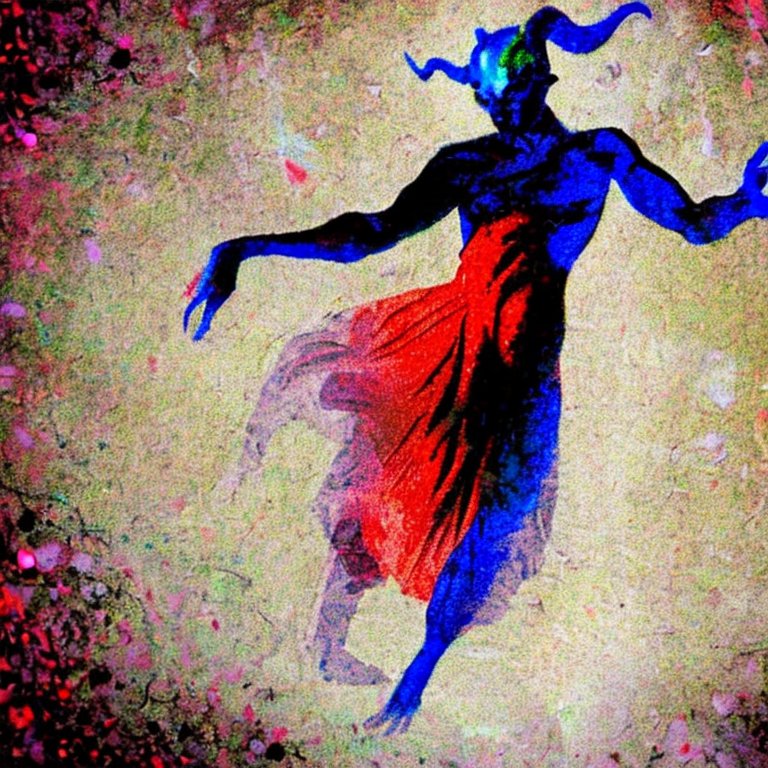
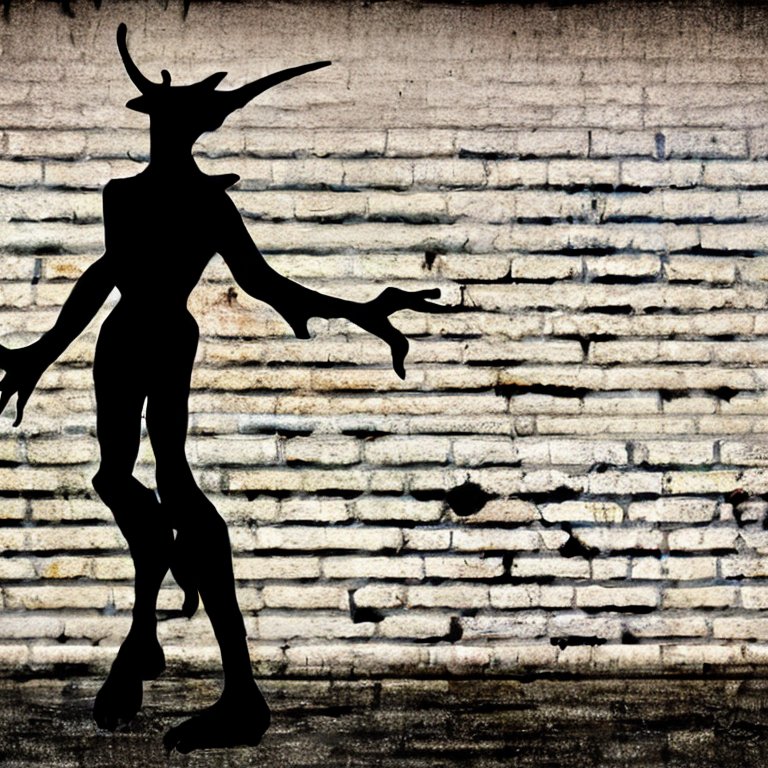
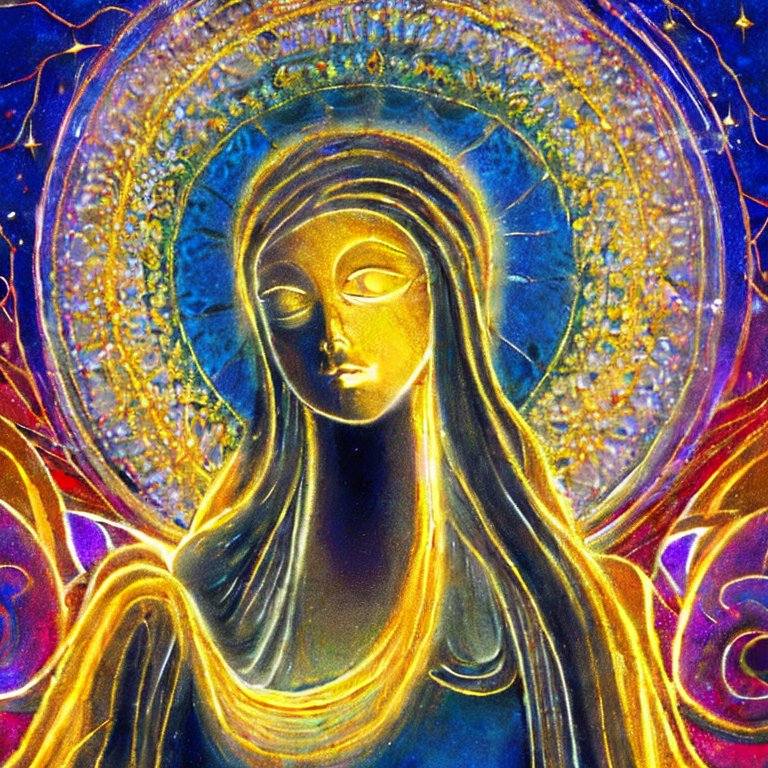
The concept of the shadow self—a term Carl Jung coined—reveals layers of ourselves we often choose to hide, repress, or deny. These shadow aspects are usually relegated to a dark corner of our psyche, only surfacing in fleeting glimpses. Yet, when the shadow self takes on a grandiose form, it ceases to be subtle, becoming instead a dominating force. It blinds us with illusions of superiority, entitlement, or self-importance, distorting our perception and interactions.

In personal growth and spiritual awakening, confronting the shadow self is both inevitable and essential. However, when the shadow becomes grandiose, it can convince us we are immune to error, beyond reproach, or uniquely enlightened. This delusion becomes a veil, preventing authentic growth and genuine self-reflection.

The grandiose shadow is not merely about arrogance. It’s a defence mechanism, an armour forged in the fires of insecurity and fear. By building up the self as untouchable or superior, we attempt to ward off the vulnerability of true introspection. But this shield, rather than protecting us, leads to isolation, as others feel the weight of this projection and distance themselves, sensing the ego’s hunger for validation cloaked in supposed wisdom or enlightenment.

In many spiritual or philosophical circles, grandiosity masquerading as enlightenment can become especially potent. The grandiose shadow asserts itself under the guise of spiritual authority or moral righteousness, leading us to believe we are above others on the path. But this illusion only widens the gap between our authentic self and the mask we’ve constructed.

To navigate this terrain, a key question emerges: Are we genuinely pursuing self-understanding, or are we feeding a need to feel special, above, or untouchable? True growth does not demand recognition or approval; it thrives in humility and quiet awareness.

Recognizing when our shadow has grown too grandiose is challenging but necessary. It requires questioning our motives, embracing vulnerability, and letting go of the need to stand above. Only by shedding the inflated version of ourselves can we step into true authenticity and spiritual liberation.

 Morgan O. Smith

Yinnergy Meditation, Spiritual Life Coaching & My Book, Bodhi in the Brain…Available Now!
https://linktr.ee/morganosmith

The Mysterious Connection

Shared Spiritual Awakenings Across the Globe

In the realm of spirituality and consciousness, a fascinating phenomenon often goes unnoticed: the simultaneous spiritual awakening experienced by individuals or collectives who have no prior connection. This concept transcends geographical boundaries, cultural differences, and social constructs, suggesting a profound and mystifying link within the human spirit.

Imagine a person in a bustling city experiencing a profound spiritual realization at the same moment as someone in a remote village. They have never met, and their lives are vastly different, yet their inner worlds are undergoing a similar transformation. How can two people, so far apart and disconnected, share such an intimate spiritual journey at the same time?

This phenomenon raises numerous questions about the interconnectedness of human consciousness. Is there an invisible thread that binds us together on a spiritual level? Could these simultaneous awakenings be evidence of a collective consciousness that we are all a part of? This concept echoes the theories of Carl Jung, who spoke of the “collective unconscious,” a shared reservoir of experiences inherent in everyone.


The implications of such synchronicities are both vast and deeply personal. They hint at a universe far more interconnected than we realize, where our spiritual journeys might be part of a larger, cosmic narrative. It challenges the staunch materialist view of the world and invites us to consider the possibility of a more spiritual, interconnected existence.

However, this idea is not without controversy. Skeptics argue that such experiences are mere coincidences, lacking scientific basis or empirical evidence. They question the reliability of subjective spiritual experiences, suggesting that these perceived connections are products of the human mind’s tendency to find patterns and meaning where none exist.

Despite the skepticism, those who have experienced these shared awakenings often describe them as deeply transformative, instilling a sense of unity and interconnectedness with the world. Whether or not these experiences can be scientifically validated, they continue to be a source of wonder, inspiration, and spiritual exploration for many.


In a world increasingly divided by physical and ideological boundaries, the idea of a shared spiritual experience suggests a more profound unity among humanity. It beckons us to look beyond our differences and consider the possibility that on a deeper, spiritual level, we are all inextricably linked.

What are your thoughts? Have you ever felt a connection with someone you’ve never met, perhaps a shared moment of realization or awakening? Share your experiences and insights in the comments below.

Morgan O. Smith

Yinnergy Meditation, Spiritual Life Coaching & My Book, Bodhi in the Brain…Available Now!

https://linktr.ee/morganosmith

The Dark Shadow of Consciousness

Pondering Existence

In the vast realm of philosophical inquiry, there is perhaps no question more enduring than that of existence. It is the heart and soul of human curiosity, the root from which all other questions spring forth. But what if the very existence we so ardently seek to understand is nothing more than a shadow cast by Consciousness? A mere reflection, imperfect and dark, of something greater and beyond our grasp?

**Consciousness as the Light**

Consider the sun. It casts both light and shadow and in doing so, defines our reality. In much the same way, Consciousness—our innate awareness, the very essence of our being—could be imagined as the radiant source, illuminating the world we know. But with every light, there inevitably comes a shadow.

**The World as Consciousness’ Shadow**

If our world is the byproduct or reflection of Consciousness, then perhaps it is the imperfect representation—the elements of Consciousness that didn’t fit, the pieces it rejected. Our struggles, our sufferings, and our insatiable quest for understanding might all stem from this inherent imperfection.

Think of the Jungian concept of the “Shadow Self.” Carl Jung, the Swiss psychiatrist, suggested that we all have a part of our personality that we do not consciously acknowledge—a darker, less understood side. This shadow self contains our deepest fears, repressed ideas, desires, and general chaos. Could it be that our entire reality is Consciousness’ own “Shadow Self”?

**Finding Perfection in Imperfection**

It’s easy to view the idea of our world being a “shadow” as negative, but there’s beauty to be found in imperfection. It’s in the cracks, the flaws, where we find character, uniqueness, and growth. Perhaps, by existing within Consciousness’ shadow, we’re given a unique opportunity to explore, question, and evolve.

**Conclusion**

We may never truly know the nature of existence, whether it’s a shadow or something else entirely. But by pondering such questions, by seeking to understand the greater forces at play, we embark on a journey of self-discovery, of understanding the universe, and our place within it.

Morgan O. Smith

Yinnergy Meditation & My Book, Bodhi in the Brain…Available Now!
https://linktr.ee/morganosmith

Dancing with Shadows

The Devil as Society’s Dark Projection

Intro:

As we sail through the oceans of human consciousness, we often encounter tempests that unveil the darker facets of our nature. If the divine represents society’s golden shadow, virtues, and aspirations, could the devil figure embody society’s dark shadow, a reflection of our collective id and repressed instincts? This article plunges into the depths of this unsettling yet captivating hypothesis.

Understanding the Dark Shadow:

Carl Jung posited the existence of the shadow as a component of the unconscious, housing both positive and negative elements that are not integrated into the conscious self. The dark shadow encompasses the negative aspects – our fears, impulses, and darker instincts.

The Devil as Society’s Dark Shadow:

Across cultures, the devil often symbolizes the epitome of evil, temptation, and the darker aspects of human nature. By projecting these qualities onto a devil figure, society externalizes its inner darkness, creating a ‘scapegoat’ onto which it can cast its sins and unwanted characteristics.

The Collective Unconscious and the Id:

Sigmund Freud’s concept of the id complements Jung’s shadow. The id is the instinctual part of the mind that contains sexual and aggressive drives and desires. Society’s projection of the id onto the devil may represent a form of collective defence mechanism, an attempt to deal with the disconcerting aspects of our nature.

The Devil as an Archetype:

In Jungian terms, the devil can be seen as an archetype, a universal symbol that dwells in the collective unconscious of mankind. This archetype manifests in various forms in different cultures, but its core characteristics usually represent the antithesis of societal norms and moral values.

Facing Our Demons:

Recognizing the devil as a projection of society’s dark shadow calls for the courageous endeavour to face our inner demons. Individuals and societies can work towards a more balanced and authentic existence by accepting and integrating these shadow aspects.

Conclusion:

The notion of the devil as society’s dark shadow casts a new light on the traditional narratives of good and evil. It invites us to reflect upon how the figures of deities and demons are not only external entities but also potent symbols of the complexities of human nature. Through understanding these shadows, society stands on the precipice of deeper self-awareness and a more holistic grasp of the human condition.

Morgan O. Smith

Yinnergy Meditation & My Book, Bodhi in the Brain…Available Now!

https://linktr.ee/morganosmith

In Divine Light

Society’s Golden Shadow 

Intro:

In a world where the quest for meaning continues to stir the human soul, spirituality and reverence for the divine emerge as quintessential human experiences. But what if the collective admiration and worship of God are manifestations of society’s golden shadow – the unexplored, positive aspects of our shared unconscious? This post delves into the notion that the sacred spaces we turn towards in times of despair or joy are indeed reflections of the inherent greatness within ourselves.

Understanding the Golden Shadow:

Drawing from Carl Jung’s concepts, the golden shadow encompasses the positive attributes within our unconscious minds that we might not recognize. When these attributes are exemplified by an external entity, such as a deity, we project our golden shadow upon it.

God as the Epitome of Society’s Golden Shadow:

The divine figures across cultures are often epitomes of virtues – love, compassion, wisdom, and more. Society’s adoration for these figures could be interpreted as an admiration for the virtues themselves. The deities become mirrors, reflecting what individuals and societies aspire to embody.

Religion as a Path to Self-Realization:

One could argue that the rituals, prayers, and moral teachings of religion serve as vehicles for cultivating the qualities represented by the divine within ourselves. In essence, by worshipping or admiring God, individuals are also venerating and nurturing their own latent potential.

The Challenges:

This perspective might not sit well with everyone, especially those who believe in the transcendental nature of God. Moreover, using religious practices solely as tools for self-improvement might seem reductive. It’s essential to approach this hypothesis with respect for the diversity of beliefs and experiences.

Conclusion:

The notion that society’s worship and admiration for God is a projection of its golden shadow is thought-provoking. It offers a lens through which we can perceive religious and spiritual practices as not just pathways to the divine, but also as avenues to recognize and cultivate the virtues within ourselves. Whether or not one subscribes to this idea, it invites reflection on the profound interconnectedness between the human spirit and the sacred.

Morgan O. Smith

Yinnergy Meditation & My Book, Bodhi in the Brain…Available Now!
https://linktr.ee/morganosmith