The Unleashing of Shadows

A Deep Dive into the Repressed Unconscious Unveiled Through Meditative and Spiritual Pursuits

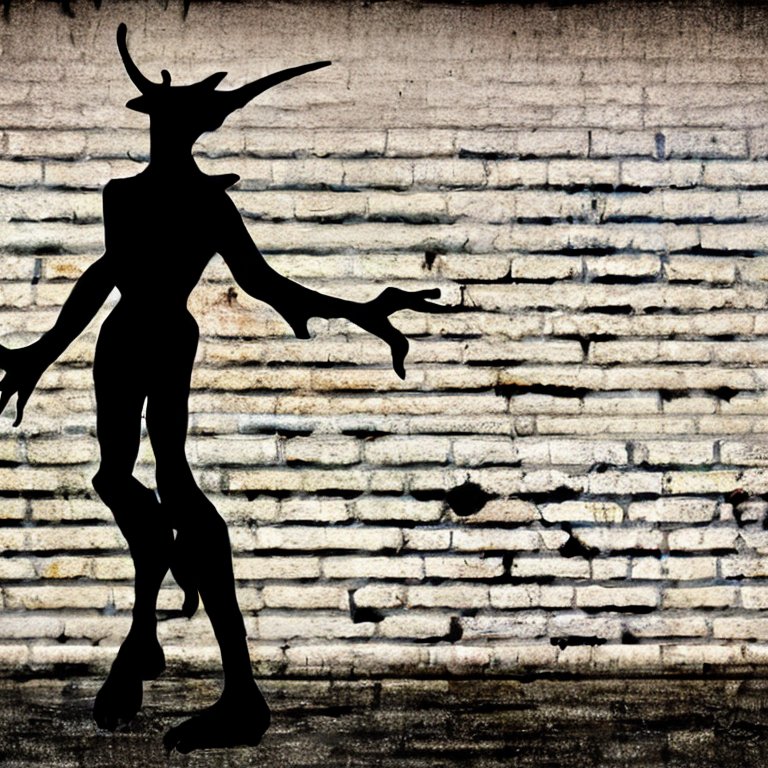
In the realm of self-discovery and spiritual evolution, often shrouded in an ambiance of tranquillity and enlightenment, lies a less explored, slightly tumultuous terrain: the unleashing of repressed unconscious material. It’s a landscape rarely highlighted in the glossy brochures of spiritual enterprises, yet it forms an intrinsic, undeniable part of the journey inward.

As aspirants embark on meditative and spiritual practices, they’re typically greeted with promises of serenity, self-realization, and transcendental experiences. However, what goes unmentioned is the inevitable encounter with the shadows lurking in the deep recesses of the unconscious mind. This confrontation with repressed material—unusual outbursts, amplified expressions of everyday actions, and unexpected impulsive behaviours—is a testament to the completeness of the inner exploration, albeit less glamorous.

Spirituality, now a multi-million dollar industry, is ironically at risk of mirroring the very worldly traits it proposes to transcend—namely, avoiding uncomfortable truths for the sake of marketability and profitability. There’s a reticence among many spiritual teachers to delve into the discussions about the darker aspects of spiritual awakening. This selective narration not only veils the full spectrum of the experience but also potentially leaves seekers ill-prepared for the confronting realities awaiting them.

Healing and self-realization are not merely about basking in the light of consciousness but also navigating the murky waters of the unconscious abyss. While one may attain a level of healing and understanding on conscious and subconscious levels, the journey doesn’t culminate there. The deep unconscious beckons, with its layers upon layers of repressed material, each layer a gateway to further integration and wholeness.

Furthermore, this exploration extends from the individual unconscious through to the collective and universal collective unconscious, encompassing a continuum of collective human experiences and existential realities. As we traverse from the personal to the universal, the expedition morphs from a solitary quest to a collective endeavour, revealing the interconnected tapestry of individual and collective healing.

The discourse around spiritual practices needs a fuller, more honest narrative that embraces the shadows, encourages preparedness for the unexpected, and fosters a holistic understanding of the path toward self-realization. We hope to attain a truly integrated, authentic spiritual awakening only by acknowledging and navigating through the repressed unconscious material.

Morgan O.  Smith

Yinnergy Meditation & My Book, Bodhi in the Brain…Available Now!

https://linktr.ee/morganosmith

The Weight of the World and the Path to Spiritual Awakening

In the vast expanse of our human journey, there are moments of profound weight, where one feels as if they are carrying the burdens of the entire world upon fragile shoulders. This weight, often elusive and ineffable, is the manifestation of our ego, the culmination of our personal experiences intertwined with the collective unconscious of humanity.

Such weight can be overwhelming, sometimes akin to bearing witness to all of the human pain, suffering, and dark episodes of our shared history. Yet, it is said that we are never burdened with more than we can bear. This assertion, though challenging to grasp especially in our moments of despair, points towards a greater purpose – the evolution of the soul.

Those who endure and navigate through this weight, emerging on the other side of its crushing force, often find themselves transformed. The ego, once the dominating force, begins to dissolve, making way for a purer, more profound connection with the universe. This metamorphosis leads to humility, replacing pride and arrogance with an understanding that we are but a tiny fragment of the vast cosmos.

With this newfound humility comes a more receptive heart. Love, compassion, and empathy flow effortlessly, as the barriers that once separated us from others crumble. We begin to truly understand the adage, “Walk a mile in another man’s shoes.” This isn’t just about human-to-human connections; it extends to all life forms. We start recognizing the soul in every being, every flutter of a leaf, every chirp of a bird.

The ultimate realization, perhaps, is the true meaning of the age-old teaching, “Love thy neighbour as thyself.” It is not merely a call for kindness but a revelation that at the core, beyond the layers of ego and societal constructs, we are all one. There is no other; there is only us, interconnected and interdependent.

In conclusion, while the weight of the world can seem unbearable at times, it might just be the universe’s way of preparing us for a deeper connection, for a spiritual awakening that allows us to see beyond the superficial and truly embrace all that is.

Morgan O. Smith

Yinnergy Meditation & My Book, Bodhi in the Brain…Available Now!
https://linktr.ee/morganosmith

Dancing with Shadows

The Devil as Society’s Dark Projection

Intro:

As we sail through the oceans of human consciousness, we often encounter tempests that unveil the darker facets of our nature. If the divine represents society’s golden shadow, virtues, and aspirations, could the devil figure embody society’s dark shadow, a reflection of our collective id and repressed instincts? This article plunges into the depths of this unsettling yet captivating hypothesis.

Understanding the Dark Shadow:

Carl Jung posited the existence of the shadow as a component of the unconscious, housing both positive and negative elements that are not integrated into the conscious self. The dark shadow encompasses the negative aspects – our fears, impulses, and darker instincts.

The Devil as Society’s Dark Shadow:

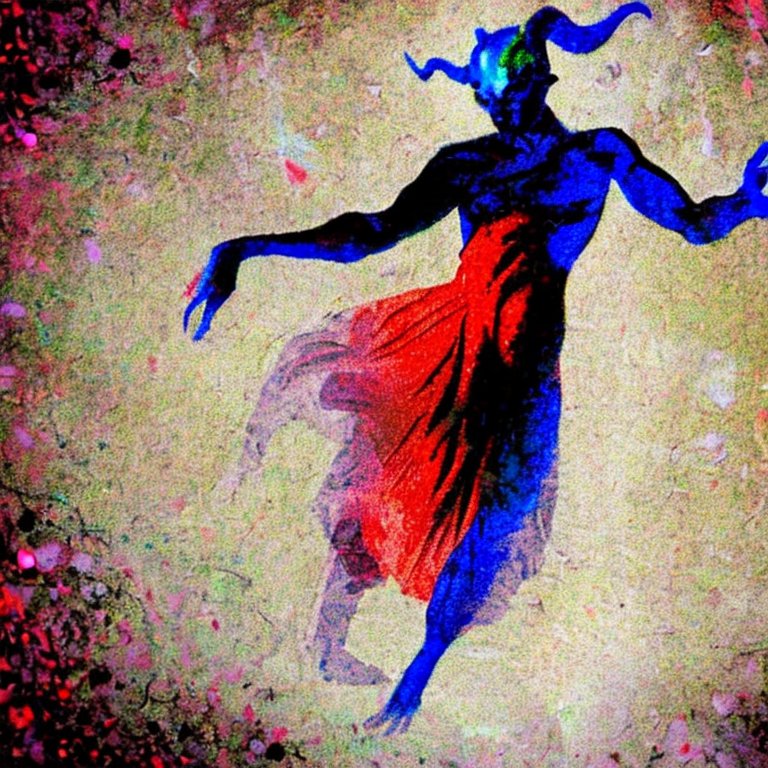
Across cultures, the devil often symbolizes the epitome of evil, temptation, and the darker aspects of human nature. By projecting these qualities onto a devil figure, society externalizes its inner darkness, creating a ‘scapegoat’ onto which it can cast its sins and unwanted characteristics.

The Collective Unconscious and the Id:

Sigmund Freud’s concept of the id complements Jung’s shadow. The id is the instinctual part of the mind that contains sexual and aggressive drives and desires. Society’s projection of the id onto the devil may represent a form of collective defence mechanism, an attempt to deal with the disconcerting aspects of our nature.

The Devil as an Archetype:

In Jungian terms, the devil can be seen as an archetype, a universal symbol that dwells in the collective unconscious of mankind. This archetype manifests in various forms in different cultures, but its core characteristics usually represent the antithesis of societal norms and moral values.

Facing Our Demons:

Recognizing the devil as a projection of society’s dark shadow calls for the courageous endeavour to face our inner demons. Individuals and societies can work towards a more balanced and authentic existence by accepting and integrating these shadow aspects.

Conclusion:

The notion of the devil as society’s dark shadow casts a new light on the traditional narratives of good and evil. It invites us to reflect upon how the figures of deities and demons are not only external entities but also potent symbols of the complexities of human nature. Through understanding these shadows, society stands on the precipice of deeper self-awareness and a more holistic grasp of the human condition.

Morgan O. Smith

Yinnergy Meditation & My Book, Bodhi in the Brain…Available Now!

https://linktr.ee/morganosmith

In Divine Light

Society’s Golden Shadow 

Intro:

In a world where the quest for meaning continues to stir the human soul, spirituality and reverence for the divine emerge as quintessential human experiences. But what if the collective admiration and worship of God are manifestations of society’s golden shadow – the unexplored, positive aspects of our shared unconscious? This post delves into the notion that the sacred spaces we turn towards in times of despair or joy are indeed reflections of the inherent greatness within ourselves.

Understanding the Golden Shadow:

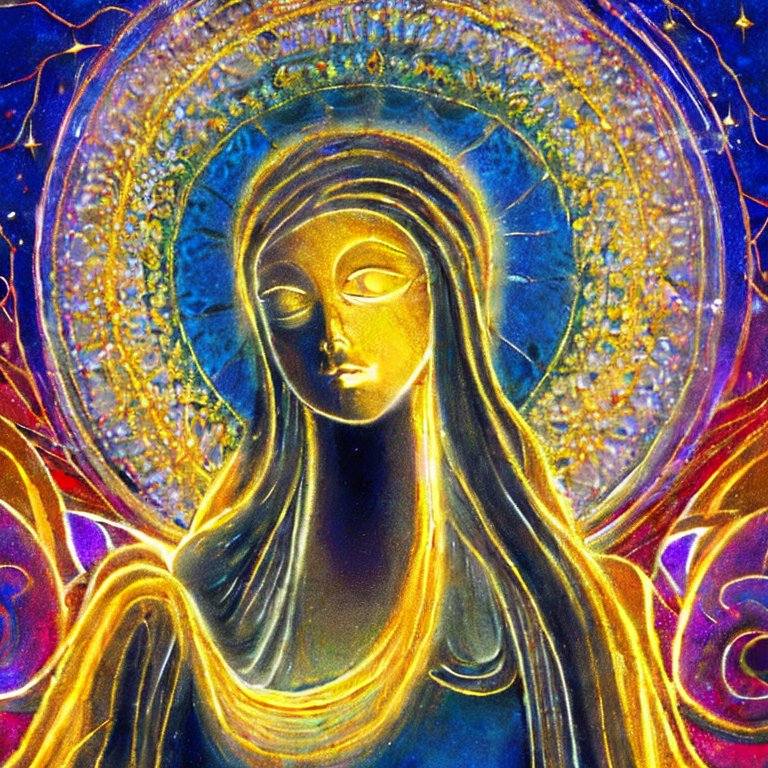
Drawing from Carl Jung’s concepts, the golden shadow encompasses the positive attributes within our unconscious minds that we might not recognize. When these attributes are exemplified by an external entity, such as a deity, we project our golden shadow upon it.

God as the Epitome of Society’s Golden Shadow:

The divine figures across cultures are often epitomes of virtues – love, compassion, wisdom, and more. Society’s adoration for these figures could be interpreted as an admiration for the virtues themselves. The deities become mirrors, reflecting what individuals and societies aspire to embody.

Religion as a Path to Self-Realization:

One could argue that the rituals, prayers, and moral teachings of religion serve as vehicles for cultivating the qualities represented by the divine within ourselves. In essence, by worshipping or admiring God, individuals are also venerating and nurturing their own latent potential.

The Challenges:

This perspective might not sit well with everyone, especially those who believe in the transcendental nature of God. Moreover, using religious practices solely as tools for self-improvement might seem reductive. It’s essential to approach this hypothesis with respect for the diversity of beliefs and experiences.

Conclusion:

The notion that society’s worship and admiration for God is a projection of its golden shadow is thought-provoking. It offers a lens through which we can perceive religious and spiritual practices as not just pathways to the divine, but also as avenues to recognize and cultivate the virtues within ourselves. Whether or not one subscribes to this idea, it invites reflection on the profound interconnectedness between the human spirit and the sacred.

Morgan O. Smith

Yinnergy Meditation & My Book, Bodhi in the Brain…Available Now!

https://linktr.ee/morganosmith