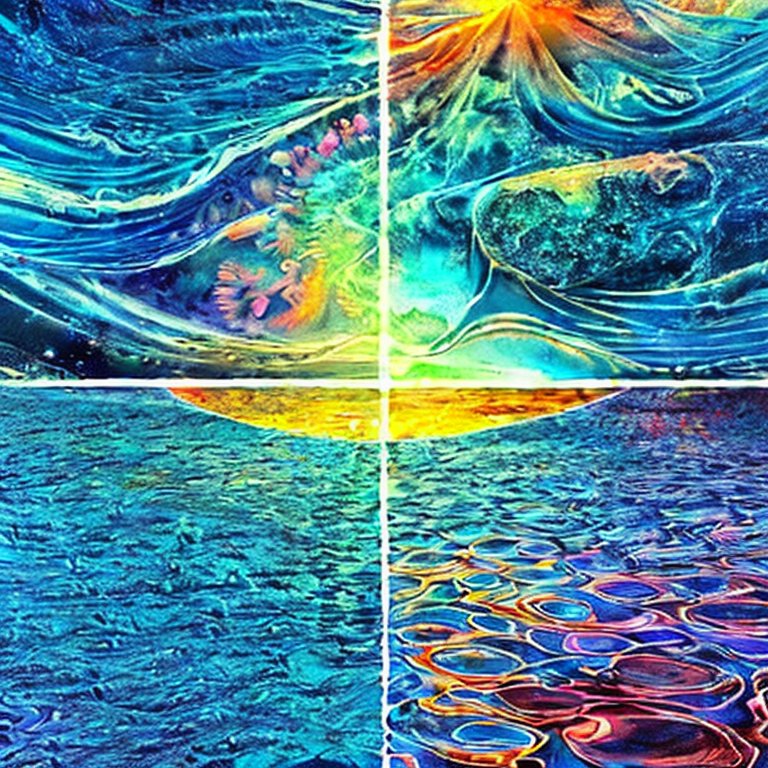
The Ocean of Consciousness

A Deep Dive into Self-Realization

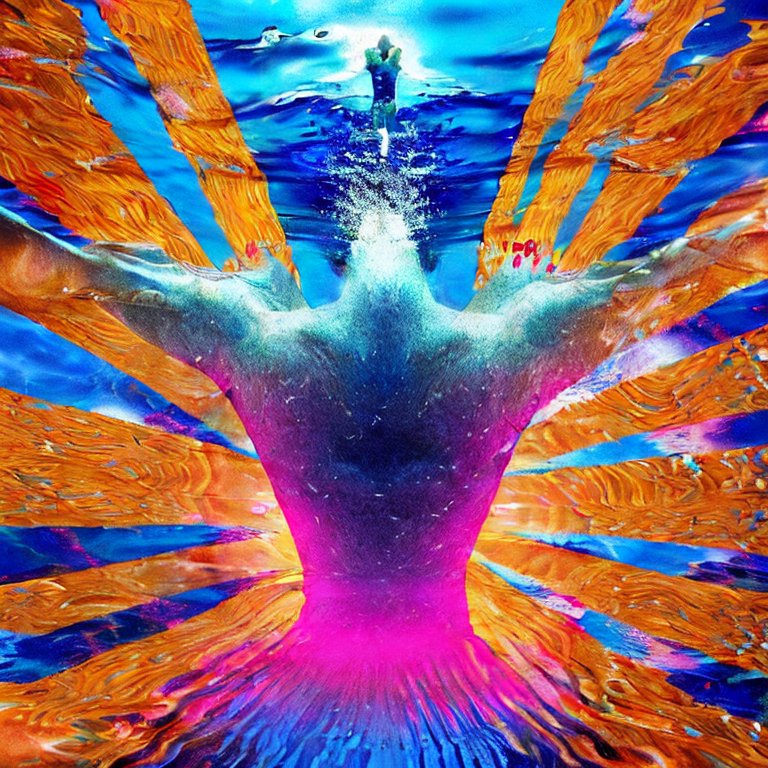
In the vast expanse of our existence, there exists an ocean, profound and unending. This is not an ocean you can traverse with a boat, nor one that can be mapped with lines and contours. It is the ocean of consciousness, the ocean within us, teeming with treasures waiting to be found and explored.

This inner cosmos reflects the enormity and complexity of our being. It is a reminder that we are not mere beings afloat on the surface of existence. We are the deep-sea divers, explorers of the unseen depths of our own consciousness, where the treasures of self-realization lie.

Each of us is invited to embark on this journey, to delve beneath the tranquil surface of our everyday awareness, to submerge into the depths of the self. It’s within these depths that the unexplored and unseen aspects of ourselves are concealed like sunken treasures.

The journey of self-realization is, indeed, a swim in these deep waters. It is not always an easy journey; at times, we may feel lost in the vast, nebulous expanse, unsure of where to look or what to seek. It is natural to fear the unknown, the hidden, the deep, but it is also where true treasures lie.

These treasures are not the tangible riches we often pursue; they are rather pearls of wisdom, gems of personal truth, and gold nuggets of self-understanding. They hold the power to transform our perspective, illuminate our purpose, and enrich our existence. Once discovered, these treasures have the capacity to fundamentally alter the way we perceive ourselves and our place in the cosmos.

But how does one navigate these waters? How do we uncover these treasures of the self? The compass guiding us through this journey is reflection, introspection, and mindful living. These tools help us dive into the currents of our thoughts, feelings, and experiences, allowing us to probe and understand the unseen layers of our consciousness.

As we continue to swim within these deep waters, we learn to appreciate the beauty of the journey more than the destination. We realize that the exploration itself is a form of treasure, a transformative process that molds us into more conscious, more self-aware beings.

In this philosophical journey of self-realization, we not only find treasures within ourselves but also learn to become treasures for the world around us. The knowledge, wisdom, and understanding we gain through this exploration have the power to influence and enrich the lives of others.

So, let us all dive into the deep waters of consciousness and continue to explore. In this exploration, we find not only the treasures of self-realization but the true essence of our existence. Amid the vastness of this ocean, we find ourselves, understanding that we are not just a part of the universe, but the universe itself, unfolding.

Morgan O. Smith

Yinnergy Meditation & My Book, Bodhi in the Brain…Available Now!
https://linktr.ee/morganosmith

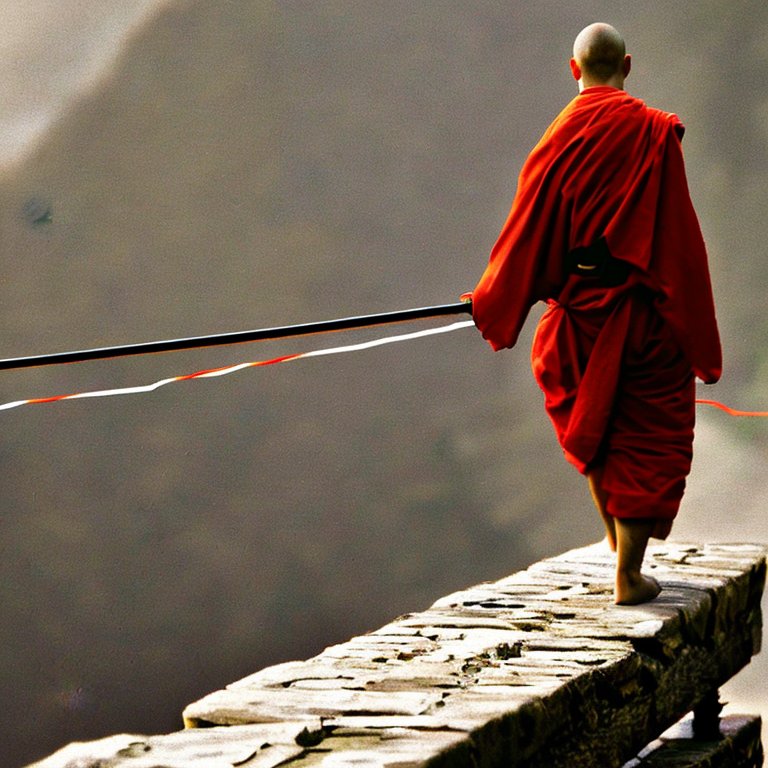
Walking the Tightrope

A Meditation on Life, Breath, and Existence

In our vast and infinite universe, there’s a remarkable dance that each living being performs, the perpetual tango between life and death. Every day, we navigate this tightrope, threading the narrow path that distinguishes the vibrant hues of existence from the void of non-existence. This intriguing equilibrium that defines our existence, balancing on the precipice of mortality, is an intricate choreography that brings to light the profundity of being alive.

Our breath, the subtle rhythm that underpins our existence, exemplifies this precarious balance. This rhythm – this continuous cycle of inhalation and exhalation – serves as the metronome of life itself. Each breath we take teeters on the edge of this existential tightrope, acting as the anchoring point in our ephemeral dance with life and death.

Delving deeper into this concept, one realizes that within every inhale and exhale, within the heart of that rhythmic balance, lies the essence of life. Every breath, an intimate connection between our body and the universe, is an affirmation of our existence, a silent declaration of life. The breath is an intimate dialogue with life, a personal narrative of our existence that is shared with the cosmos in a language as old as time.

But like any equilibrium, the delicate balance that our breath maintains requires moderation. If we linger too long on an inhale, or we dally on an exhale, we stray from the path of life. We break the cadence that ties us to life itself. We teeter, we falter, and eventually, we fall. To exist is to balance impeccably on this precipice, maintaining an impeccable rhythm in our breath that keeps us firmly planted within the domain of the living.

This concept, although simple in its description, bears profound implications. It calls us to be ever present, to appreciate the now, to be conscious of our place in the larger fabric of existence. It urges us to seek balance, to stay centered in the midst of our worldly experiences. Just as the rhythm of breath oscillates between inhale and exhale, so too should we find our balance amidst the highs and lows of life. For to be alive is not merely to exist, but to persist in this delicate dance on the existential tightrope.

In every breath, in every moment of our existence, we are called to embrace this profound balance. This realisation should provoke us to appreciate the transience of life, to value every breath as the gift it truly is. The rhythmic dance of breath is not just a biological necessity but an existential miracle that affirms our place in the grand tapestry of the universe.

Life and death. Inhale and exhale. Beginnings and endings. These dualities define the human condition. We walk the tightrope between these two extremes every day, maintaining a balance that is as delicate as it is essential. And in understanding this, we uncover a deeper appreciation of life itself, a more profound sense of our place within the cosmos, and a newfound reverence for the delicate balance that defines our existence.

Morgan O. Smith

Yinnergy Meditation & My Book, Bodhi in the Brain…Available Now!
https://linktr.ee/morganosmith

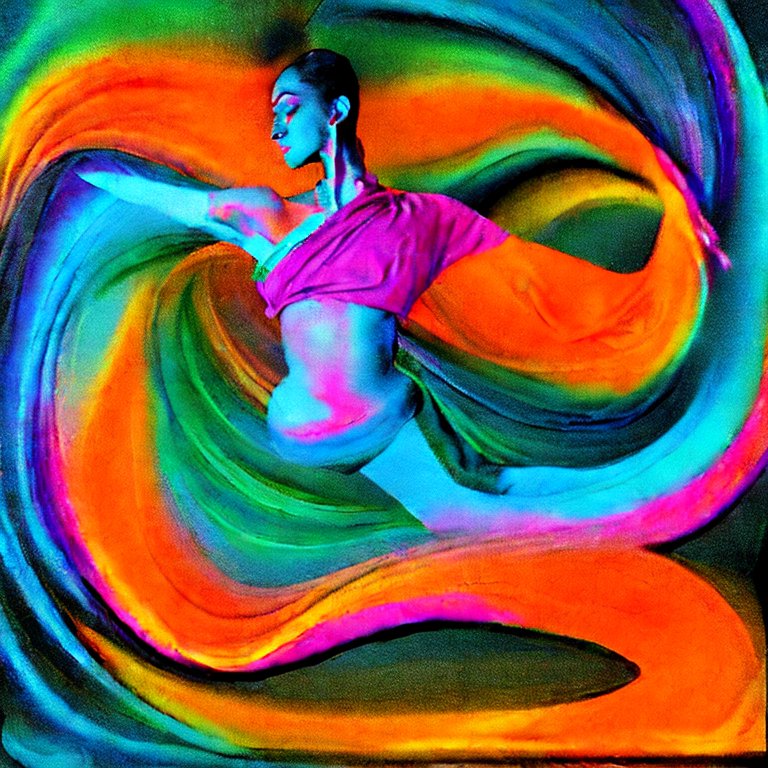
The Cosmic Dance

An Exploration of the Universe’s Nondual Governance

Introduction:
In the vast expanse of existence, we find the Universe – an intricate tapestry woven from the finest threads of the cosmos. From the gross body, encompassing galaxies and stars, to the ethereal nondual body, this blog delves into the profound interplay between the Universe and its creation. Join me on a philosophical journey as we contemplate the mysterious dance that governs both the Universe and everything within it.

The Gross Body – Galaxies, Stars, and Celestial Rhythms

At the foundational level, the Universe reveals its grandeur through galaxies, stars, and celestial bodies. The intricate movements and cosmic rhythms within this gross body shape the fabric of space and time. We ponder how the Universe’s gravitational embrace guides celestial objects, orchestrating a symphony of celestial phenomena.

The Subtle Body – Energy and Consciousness

Beyond the tangible cosmos lies the subtle body of the Universe, where energy and consciousness intermingle. Here, we explore the profound nature of dark matter and dark energy, contemplating their role in the Universe’s governance. Moreover, we delve into the captivating relationship between consciousness and creation, questioning whether the Universe itself possesses a form of cosmic awareness.

The Causal Body – The Laws of Nature
At the causal level, the Universe operates through the laws of nature, elegant principles that govern every aspect of existence. We contemplate the harmony and precision of these laws, reflecting on how they have shaped the Universe from its inception and continue to influence its evolution.

The Nondual Body – Embracing Unity and Oneness
At the highest level of existence, the nondual body transcends duality and embraces oneness. We dive into the concept of nonduality and its profound implications for our understanding of the Universe. Is there an inherent unity that underlies all creation, where the Universe and its inhabitants are inextricably connected?

The Dance of Reciprocity – Mutual Governance
Here, we explore the fascinating concept of mutual governance. We contemplate how every action within the Universe sets off a chain of reactions that echo throughout existence. This reciprocity prompts us to consider the profound responsibility we hold as conscious beings within this cosmic symphony.

Conclusion:
The journey through the various levels of the Universe’s governance has led us to ponder the interwoven relationship between creation and creator. As we contemplate the dance of the Universe, we discover that we are not merely passive observers but active participants in this cosmic drama. From the gross to the nondual body, we are interconnected in a profound and symbiotic relationship, where each action ripples through the fabric of existence. Embracing this understanding, we find ourselves invited to co-create the symphony of the Universe with awareness, reverence, and love.

Morgan O. Smith

Yinnergy Meditation & My Book, Bodhi in the Brain…Available Now!
https://linktr.ee/morganosmith

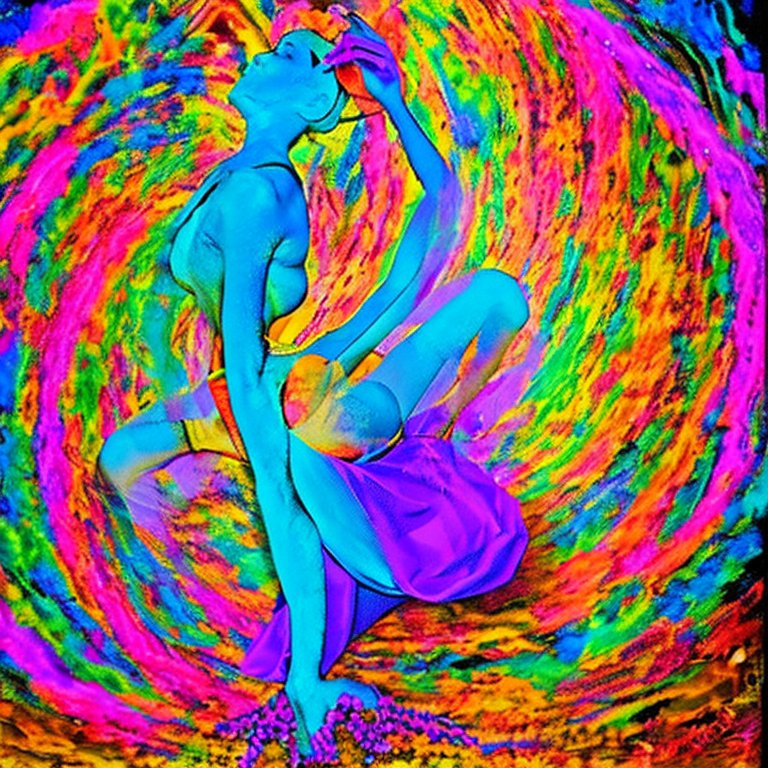
The Dance of Emptiness and Form

Unveiling the True Essence of Yoga

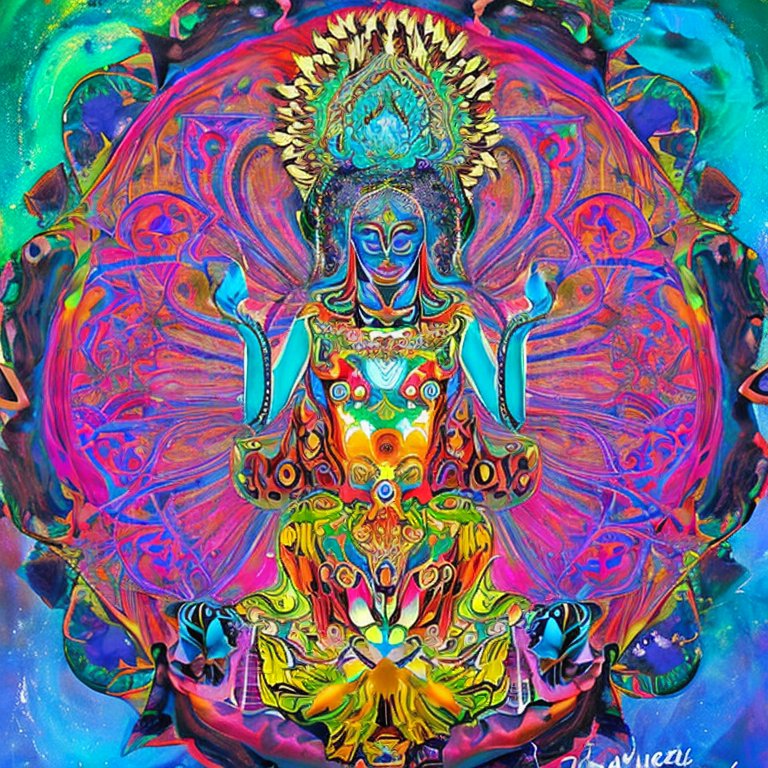
The philosophical underpinnings of Yoga transcend the popular perception of it as merely a physical discipline. Yoga, in its quintessence, is a union, a symbiotic dance between emptiness and form. This dance, a philosophical waltz within the vast expanses of the universe, finds a profound echo within us.

When we speak of form, we are drawn towards the tangible, quantifiable aspects of our existence—our body, the physical world around us. These are things we can touch, see, smell, hear, taste—the concrete attributes of our being. On the Yoga mat, the physical form is the obvious manifestation of our practice. Asanas are the embodiment of form, an expression of our grounded reality.

On the other hand, emptiness is an abstract concept, often considered synonymous with void or nothingness. In Eastern philosophies, emptiness does not signify a lack or absence but is regarded as the space that allows the form to exist, the silence that cradles the sound. It is the immaterial consciousness, the observer within us.

In the practice of Yoga, we cultivate the experience of both form and emptiness. Through asanas, we engage with form, enhancing our physical wellness and strength. Yet simultaneously, through meditation and breath control (Pranayama), we connect with the space of consciousness, the emptiness.

The union of emptiness and form in Yoga echoes the concept of Yin and Yang in Taoism. These seemingly opposing forces are complementary and interdependent. Similarly, in Yoga, the physical form (body) and the immaterial consciousness (emptiness) are intertwined in a dance, with neither one being superior to the other.

The realization of this union empowers us to perceive ourselves beyond the limitations of physical existence. We start to experience our oneness with the universe, recognizing that the emptiness within us is the same as the cosmic void, and the form is an expression of universal matter.

In true Yoga, we find balance and harmony between form and emptiness. We start understanding that emptiness isn’t a void but a space filled with infinite possibilities, and form is not rigid but a fluid and ever-changing phenomenon. This balance and harmonious interaction between emptiness and form illuminate the path toward self-realization and enlightenment.

Consequently, Yoga transforms from a practice into a way of life, a journey towards unveiling the veiled, harmonizing the paradox of existence and experiencing the profound unity of all creation. It’s a journey that, while dancing on the stage of duality, ultimately guides us back to unity.

In essence, Yoga teaches us to embrace the dance of life, the continuous ebb and flow between form and emptiness. In this dance, we discover our true selves, learning to live in harmony with our internal rhythms and the universal pulse. Only by acknowledging and understanding both emptiness and form can we truly unfold the potential within, ultimately experiencing the profound union that is the heart of Yoga.

Through this exploration, may we all find our unique rhythm in the cosmic dance and awaken to the truth that Yoga is not just something we do, but rather a state of being. A union of emptiness and form, a harmonious dance in the infinite canvas of existence.

Morgan O. Smith

Yinnergy Meditation & My Book, Bodhi in the Brain…Available Now!
https://linktr.ee/morganosmith

Drowning or Swimming? Decoding the Paradox of Mind Transcendence

Joseph Campbell, a luminary in the realm of comparative mythology and religion, once penned a remarkably profound quote: “The psychotic drowns in the same waters in which the mystic swims with delight.” This sentence invokes an evocative imagery of two people submerged in the same waters, yet experiencing entirely different outcomes. As we unravel the layers behind this quote, we delve into the profound disparity between losing one’s mind and transcending it.

On the surface, the quote suggests a nuanced understanding of how two people can experience the same reality in starkly different ways. But it goes deeper than that. It’s about the fine line that separates self-destruction and self-actualization, the boundary between psychosis and mysticism. The “waters” in this quote can be seen as the metaphorical sea of consciousness – the vast, undefined, often unruly and chaotic realm of the mind.

For the psychotic, these waters are treacherous, overwhelming, and ultimately engulfing. This individual is at the mercy of their thoughts, emotions, and perceptions, succumbing to the unfiltered and uncontrollable tide of the mind’s creations. They ‘drown’ as they lose their ability to discern between their constructed thoughts and objective reality.

On the other hand, the mystic does not just survive but thrives in these waters. How so? They are those who have mastered the art of transcending the mind. They don’t seek to control or suppress their thoughts and feelings but rather learn to navigate them. By developing a keen awareness of their internal states, they can distance themselves from their thoughts, recognizing that they are not defined or confined by them. This detachment isn’t a rejection of the mind but a profound understanding of its place.

Does this mean transcending the mind is merely about survival? Not in the least. For the mystic, the sea of consciousness becomes a source of delight and wonder, a playground of existential exploration. The waters which are tumultuous for the psychotic become serene for the mystic. They can revel in the complexities and curiosities of the mind, but they never forget they are swimming – not sinking.

So, what distinguishes the drowning psychotic from the delightfully swimming mystic? It lies in the relationship each holds with their mind. The psychotic is subjugated by their mind, entangled in a brutal dance with their thoughts, leading to the loss of self. Conversely, the mystic views the mind as a tool, a companion in their quest for enlightenment, not a ruthless master.

We can argue that the art of swimming in these waters, as a mystic does, is accessible to us all. The question is whether we can cultivate mindfulness, detach from our thoughts without suppression, and remain open to the vast possibilities of human consciousness. After all, the goal isn’t to escape the waters but to learn to swim and ultimately delight in them.

Joseph Campbell’s metaphor presents a thought-provoking dichotomy between two extremes of human consciousness. It is a profound reminder that our relationship with our mind can either lead to our downfall or our enlightenment. It urges us to transcend rather than lose ourselves in the convoluted maze that is the human mind. The water, after all, is the same. It’s the swimmers who are different.

Morgan O. Smith

Yinnergy Meditation & My Book, Bodhi in the Brain…Available Now!
https://linktr.ee/morganosmith

Exploring Spiritual Enlightenment

Unveiling the Essence of Being

Introduction:
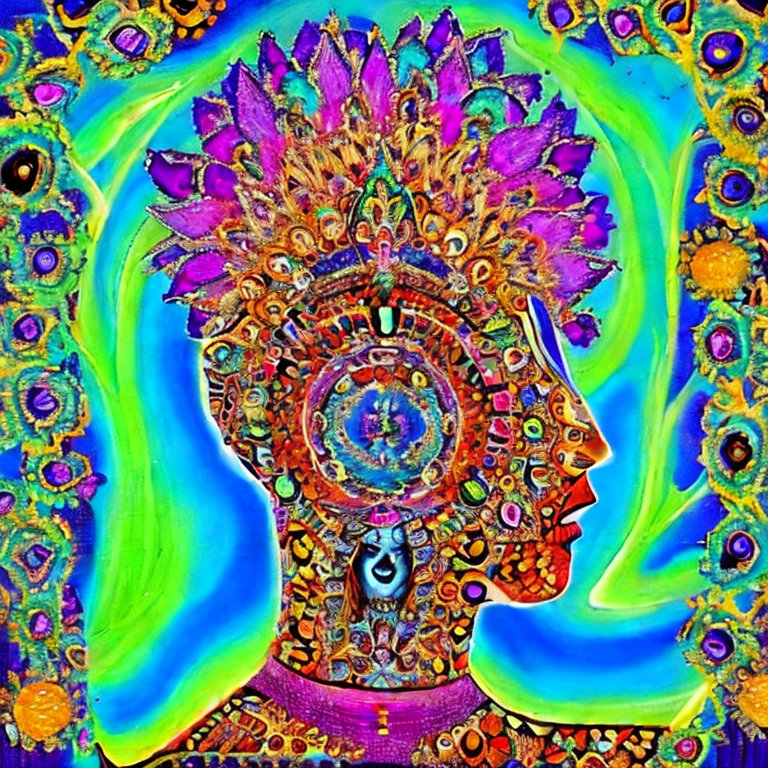
In the realm of spirituality, few concepts captivate the human imagination as profoundly as spiritual enlightenment. It has been sought after, contemplated upon, and revered across cultures and traditions. At its core, spiritual enlightenment encompasses a holistic realization, knowing, comprehension, recognition, and liberation, leading to an intimate understanding of one’s essence as the Ground of all Being. In this thought-provoking blog, we embark on a journey to unravel the depths of spiritual enlightenment and explore its transformative power.

Realization: The Full Realization of What You Are as The Ground of All Being
The journey toward spiritual enlightenment begins with a profound realization—an awakening to the fundamental truth of one’s existence. It is an experiential revelation that transcends intellectual understanding, offering a direct encounter with the essence of reality. This realization unveils the interconnectedness of all existence and dissolves the boundaries that separate the self from the world.

Knowing: Knowing Who and What You Are as The Ground of All Being

Knowing, in the context of spiritual enlightenment, goes beyond intellectual knowledge or beliefs. It is a direct and intimate knowing of one’s true nature, beyond the ephemeral constructs of ego and identity. This knowing arises from experiential wisdom that transcends language and logic, revealing the profound interconnectedness of all life.

Comprehension: Comprehending What You Are as The Ground of All Being
Comprehension in spiritual enlightenment refers to a deep understanding that arises from the integration of realization and knowing. It involves grasping the inherent wisdom that pervades all existence and recognizing the underlying unity amidst the apparent diversity. This comprehension allows us to perceive the world through a lens of compassion, empathy, and interconnectedness.

Recognition: Recognizing What You Are as The Ground of All Being

Recognition entails a moment of profound insight where the illusory veils of separation and limitation fall away, revealing the truth of one’s being. It is a transformative recognition of our true nature as vast, boundless awareness, intimately interconnected with the entire cosmos. Through this recognition, we come to acknowledge the divinity that resides within ourselves and all beings.

Liberation: Being Liberated from Shape or Form, Free from Illusion and Attachments

Liberation represents the ultimate culmination of spiritual enlightenment—a state of profound freedom and liberation from the constraints of ego, attachment, and illusion. It is an experiential transcendence of the limited, conditioned self, allowing one to dwell in the realm of pure emptiness. Yet, paradoxically, this liberation is not a detachment from the world but a unification with it, as the awakened individual realizes their inseparability from the tapestry of existence.

Conclusion:
Spiritual enlightenment encompasses a multidimensional journey that surpasses the limitations of language and rationality. It is a profound exploration of the self and the universe, revealing our interconnectedness and inherent divinity. Through realization, knowing, comprehension, recognition, and liberation, we can embark on a transformative path that leads to a deeper understanding of our existence. By embracing the essence of spiritual enlightenment, we may find ourselves united with everything that is form while being liberated from the illusory constraints that bind us. May this exploration inspire you on your quest for self-discovery and awakening to the timeless truth of the Ground of all Being.

Morgan O. Smith

Yinnergy Meditation & My Book, Bodhi in the Brain…Available Now!
The Dance of Divine Ignorance

Brahman’s Playful Journey to Self-Realization

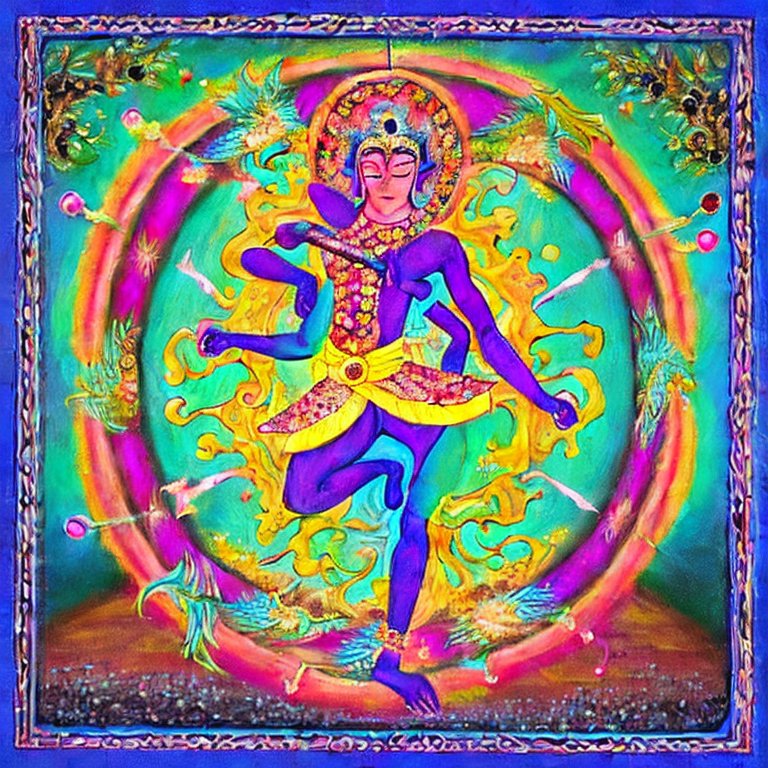
From the mysterious depths of Hindu philosophy arises a compelling concept, the notion of divine ignorance. Within this notion, we find an intriguing paradox: Brahman, the supreme reality or absolute truth, embarks on a deliberate voyage of self-forgetfulness, only to rediscover itself anew.

The journey begins with Brahman, the substratum of all existence. As an eternal, infinite entity beyond time, space, and causality, it is all-knowing and all-encompassing. Yet, it willingly dons the cloak of divine ignorance, becoming unaware of its true nature. Why? It’s an act of divine playfulness or ‘lila.’ It is a purposeful exercise to experience life’s duality, diversity, and the contrasts it can offer.

In this state of divine ignorance, Brahman may assume any form, animate or inanimate, and traverse a myriad of experiences, each unique and valuable. As humans, animals, or even as the elements themselves, Brahman willingly dives into the sea of forgetfulness, plunging into the game of life and death, joy and sorrow, love and hatred. Brahman is there in every moment, in every experience, playing hide-and-seek with itself.

Each incarnation in this state is a chapter of the cosmic narrative, leading to an eventual grand finale – the rediscovery of the self as Brahman. This moment of awakening is not a simple return to the start but a profound realization heightened by the accumulated experiences. It is a conscious awareness of oneness, a dissolution of the illusory divide between the self and the universe.

However, this journey isn’t a linear path. It’s a dance, a rhythm of existence where each beat is a cycle of divine ignorance and self-realization. Each turn of the dance spirals upwards, towards an ever-deepening understanding and experience of the truth.

The concept of divine ignorance challenges us to see life not as a series of random events but as a purposeful, meaningful journey toward self-realization. It teaches us that ignorance isn’t a flaw to be eradicated, but an essential part of the cosmic play. It is a transformative cocoon that emerges as the butterfly of awareness.

Divine ignorance invites us to embrace our vulnerabilities, our doubts, and our seeming ‘ignorance,’ and use them as catalysts for growth. It gently reminds us that the path to self-realization isn’t a desperate escape from ignorance but a joyful dance through it.

In conclusion, the dance of divine ignorance is not just Brahman’s journey but ours. We are not separate from Brahman, we are Brahman; playing the role of being a part of it, participating in this cosmic dance. Divine ignorance is not an obstacle but a bridge to our ultimate truth. It’s a profound truth worth reflecting upon, and perhaps, just perhaps, it’s time for us to embrace the dance and rediscover ourselves anew.

Morgan O. Smith

Yinnergy Meditation & My Book, Bodhi in the Brain…Available Now!

https://linktr.ee/morganosmith

The Ultimate Context

A Glimpse Beyond Our Narratives

Life is a tapestry of personal narratives. Each of us is the author of our own story, swept up in the whirl of our everyday trials and tribulations, from the mundane to the monumental. We’re all preoccupied with our victories and defeats, joys and sorrows, dreams and disappointments, which collectively form our unique, personal content. Yet, amidst this tumultuous weave of personal stories, there lurks a broader tapestry, a profound, immutable context that transcends our existences—the Ultimate Reality or the Ultimate Context.

This Ultimate Context is akin to a vast ocean upon which our individual lives are but transient waves. We are too often ignorant of its presence, absorbed in the details of our fleeting crests and troughs, beginnings, and endings. But our myopic vision deprives us of the understanding that our waves are inseparable from the larger, unfathomable expanse of the ocean—the Ultimate Reality.

Unveiling the Veil of Illusion

Many philosophical traditions, such as Buddhism and Hinduism, refer to our preoccupation with personal content as an illusion—maya or samsara. This illusion stems from our inability to recognize that the seemingly separate, solid, and enduring ‘self’ we believe ourselves to be is just a wave on the ocean’s surface, part of the boundless, interconnected, and constantly changing Ultimate Reality.

Our inability to perceive this reality is often compared to a dream from which we struggle to awaken. Our ‘personal content’ may seem to us the full reality because it engrosses our senses and emotions, yet it is merely a fragment of the ‘Ultimate Context.’

Rediscovering the Ultimate Context

How do we reorient our focus away from our narratives to understand the Ultimate Context? Philosophies and spiritual traditions around the world suggest varied paths, from rigorous intellectual inquiry to deep meditation. Regardless of the method, the goal remains the same: to transcend the confines of our consciousness and recognize our union with the Ultimate Reality.

Practicing mindfulness and living in the ‘here and now’ is one approach that offers us the chance to step away from our content. Mindfulness offers a way to become aware of the ‘nowness’ of existence, to experience the world and ourselves as a series of interconnected, ephemeral phenomena. Through this process, we can gradually attune ourselves to the Ultimate Context.

The Potential Impact

Imagine what our lives would look like if we acknowledged the Ultimate Context. Our struggles, while not diminished, might be seen in a new light. We would recognize that we are not isolated entities combating a hostile universe, but integral parts of a vast, interconnected whole. This understanding could engender a profound sense of peace, compassion, and interconnectedness, transforming our relationships with ourselves, others, and the world at large.

Embracing the Journey

Venturing into the realm of the Ultimate Context is not an easy task. It requires us to shift our perceptions, to question our deeply ingrained beliefs about ourselves and reality. But the journey, while challenging, holds the promise of a profound transformation—a metamorphosis from a wave oblivious of its oceanic nature to one that rides the currents of existence with grace, understanding, and wonder.

In the end, the Ultimate Context is not a lofty abstraction to be pondered upon, but a living reality to be experienced. It invites us to shift our gaze from the canvas of our content and behold the magnificent tapestry of existence. To make this shift is to awaken from our dream of separateness and embrace the full richness of our interconnected lives. This is not an escape from our day-to-day trials and tribulations but a broader understanding of their place within a larger panorama of existence. By grounding our narratives within the Ultimate Context, we can navigate life’s ups and downs with greater equanimity, wisdom, and inner peace.

Implications for Society

If we expand this understanding from the individual to the collective level, the implications are profound. Recognizing the Ultimate Context could revolutionize our approach to societal issues, from climate change to social inequality. Instead of viewing these problems through the narrow lens of individualistic concerns, we would perceive them as disruptions in the interconnected web of existence that they truly are. This could catalyze a more compassionate, holistic, and effective response.

The Ultimate Journey

The journey toward the Ultimate Context is more than a philosophical quest. It is a profound transformation, an inner pilgrimage towards a fuller, more interconnected understanding of reality. It is a journey from the known to the unknown, from the surface to the depth, from separateness to oneness.

Embracing the Ultimate Context does not mean rejecting our content, our individual stories. Instead, it invites us to view them as integral threads of a grander cosmic tapestry. The beauty of our trials and tribulations, our victories and defeats, lies in their interconnectedness with everything else that exists.

In this journey, we are not alone. Every individual, consciously or unconsciously, is a traveller on this path. We are all part of the same quest, the same unfolding story of discovering and understanding the Ultimate Context. As we navigate this path, let us remember that our waves are not separate from the ocean. They are the ocean, expressing itself in all its diversity, beauty, and mystery. In embracing the Ultimate Context, we celebrate not just our narratives, but the grand saga of existence itself.

Morgan O. Smith

Yinnergy Meditation & My Book, Bodhi in the Brain…Available Now!

https://linktr.ee/morganosmith

Embracing Paradox and Nonduality

Exploring the Paths to Spiritual Awakening

Introduction:
In the realm of philosophy and spirituality, two captivating concepts often spark profound contemplation and open doors to expanded understanding: paradox and nonduality. Both concepts challenge our conventional modes of thinking and invite us to explore the nature of reality and consciousness. In this thought-provoking blog, we will delve into the differences and similarities between paradox and nonduality, and delve into their roles in the context of spiritual awakening.

Paradox: Illuminating the Mystery Within
Paradoxes are enigmatic statements or situations that defy our logical expectations and challenge our understanding of reality. They present us with apparent contradictions, forcing us to question our assumptions and explore deeper layers of truth. Paradoxes are often the gateways to expanded consciousness, as they push the boundaries of our thinking and invite us to embrace the complexities and mysteries of existence. They are the mind’s playground, a fertile ground for philosophical inquiry and intellectual growth.

Nonduality: Beyond Duality, Towards Unity

Nonduality, on the other hand, transcends the realm of paradox by recognizing the illusory nature of dualistic distinctions altogether. It is a profound philosophical and spiritual concept that asserts the fundamental unity of all things, beyond conventional boundaries. Nonduality suggests that the apparent separation between self and other, subject and object, is an illusion that obscures the deeper truth of interconnectedness. It invites us to explore the essence of oneness that lies at the heart of existence, beyond the limitations of dualistic thinking.

Differences and Similarities:
While paradox and nonduality are distinct in their approaches, they share some intriguing similarities. Both concepts challenge our preconceived notions and invite us to embrace uncertainty. Paradoxes expose the limitations of linear thinking and expand our intellectual horizons, while nonduality goes beyond the realm of paradox by embracing a holistic view of reality. They both foster an open-mindedness that allows for new perspectives and insights to emerge.

In the realm of spiritual awakening, both paradox and nonduality play crucial roles. Paradoxes serve as catalysts, shaking us out of our complacency and inviting us to question our deeply held beliefs. They disrupt our habitual patterns of thinking and awaken us to the inherent mystery and wonder of existence. Nonduality, on the other hand, offers a framework for understanding the ultimate truth of interconnectedness. It guides us towards a direct experience of unity and helps dissolve the illusory boundaries that separate us from the world and others.

Conclusion:
Paradox and nonduality are two fascinating concepts that contribute to our philosophical and spiritual growth. Paradoxes challenge our intellect and expand our understanding, while nonduality transcends dualistic thinking and reveals the profound interconnectedness of all things. By embracing both paradox and nonduality, we can embark on a transformative journey of self-discovery and spiritual awakening. They invite us to explore the depths of our consciousness and contemplate the profound mysteries of existence. Let us embrace the paradoxes that confront us and open our hearts to the boundless unity that nonduality reveals. In this harmonious dance, we find the keys to unlocking the doors of awakening and embracing the vastness of our being.

Morgan O. Smith

Yinnergy Meditation & My Book, Bodhi in the Brain…Available Now!

https://linktr.ee/morganosmith

Sand Castles of Consciousness

Discovering the Essence Within

Introduction:


In the tranquil tapestry of Eastern philosophy, where contemplation converges with existence, there lies a profound revelation – Everything in existence is composed of Pure Consciousness. Here, Consciousness is not merely an attribute; it is capitalized, symbolizing its omnipresence as the very fabric that weaves through the cosmos. It is akin to an ancient tale of a castle crafted from sand, reflecting that though it may don the guise of a majestic structure, it remains, in essence, sand.

The Sand and the Castle:

Visualize a child meticulously building a sand castle on the shore. The grains of sand, amassed and sculpted, assume the shape of a castle. Does the sand cease to be sand when shaped into a castle? Certainly not. This allegory mirrors the realization that while the myriad forms around us may appear different, they are all permutations of the same unyielding Consciousness.

The Essence of Consciousness:

Consciousness is akin to Brahman in Hinduism or the Tao in Taoism in the Eastern philosophical context. The unchanging, infinite, immanent, and transcendent reality is the Divine Ground of all matter, energy, time, space, being, and everything beyond. Our ephemeral existence is a mere reflection, a ripple in the vast ocean of Consciousness.

Flow of Forms:


Just as a sand castle is subjected to the whims of waves and winds, forms in the material world are in a constant state of flux. The ancient Hindu text, the Bhagavad Gita, illustrates this with the concept of ‘Lila’, depicting the world as a divine play of forms. The Taoist philosophy also reverberates with this thought through the Tao, which flows through and is the inherent nature of all things.

The Inner Alchemy:

One might inquire, how does this realization benefit our daily lives? Understanding that we are not just isolated entities, but integral threads woven into the fabric of Consciousness, can be transformative. It helps us transcend the illusion of separateness and cultivates compassion, humility, and interconnectedness with all beings and the natural world.

Conclusion:


As we embrace the wisdom of Eastern philosophy, let us be mindful of the sand castles we build and the sands that shape them. Let us embark on a spiritual odyssey to unearth the Consciousness within and around us, recognizing that the essence is unchanging, infinite and all-encompassing. Like the sand castles by the sea, our forms are transient, but the Consciousness that shapes us is eternal.

Morgan O. Smith

Yinnergy Meditation & My Book, Bodhi in the Brain…Available Now!
https://linktr.ee/morganosmith