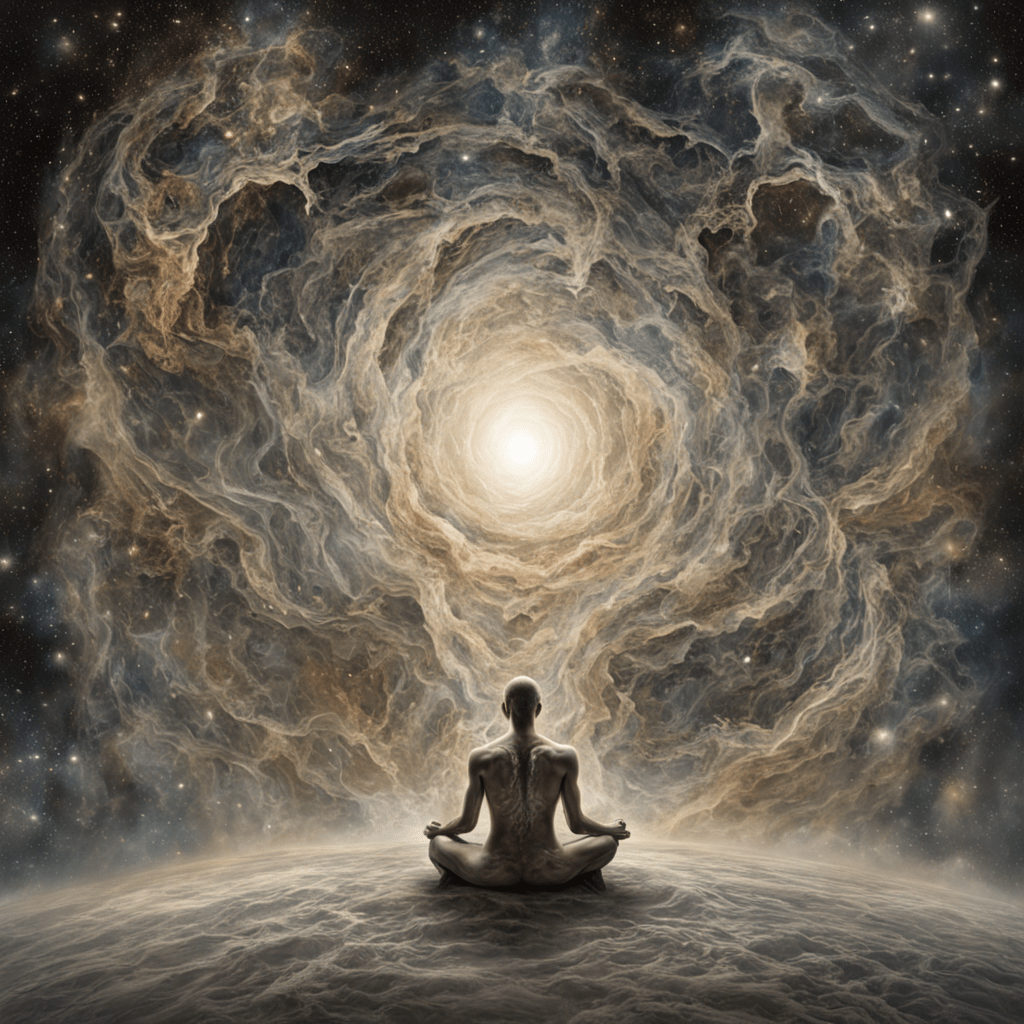
The Silent Origin of Creation

Unraveling the Word Beyond Sound

In a realm untouched by form or definition, a profound mystery unfolds. Imagine a being with no shape, voice, or name—existing as both everything and nothing. In an act of paradoxical creativity, this ineffable source whispers into the fabric of existence. From this silent word emerges a universe alive, aware, and mysterious. It is here, in this enigmatic dance of being and non-being, that humanity finds its origin.

The creation of humanity, as whispered by this formless origin, is nothing less than a reflection of itself—a precise replica of what it is and, intriguingly, what it is not. Humanity carries the essence of both emptiness and fullness, a paradox woven so finely that it escapes the grasp of language, even though language arises from it.

The Divine Paradox: Being and Non-Being

When we speak of “the image of God,” it is not an image as we understand it—no form, no tangible attributes. The divine essence holds no shape or characteristic that the mind can perceive, for it exists beyond the dualities of existence and non-existence. Yet, it is this very absence of form that becomes the fertile ground for all that we call real.

In this way, humanity, too, is born as both presence and absence. A reflection that, while substantial in body, remains void at its core. Our existence becomes a paradox of being: we are alive and aware, yet at the same time, we are the embodiment of an emptiness that allows for all things to arise and dissolve.

The Word That Is Beyond Sound

Before there was time, before the birth of space, there was a word—a word beyond words. It was not uttered with sound, for it contained no vowels or consonants. It was a word without letters, a sentence beyond syntax. This primordial word, devoid of shape and structure, holds within it the potential of all sounds, symbols, and meanings.

Human language, then, is an echo—a distant ripple—of this original word. It is a remembrance of a silent utterance that calls creation into being. Every letter, every syllable, every sentence is a shadow cast by the ineffable. This is why all sound exists—because silence contains within it the potential for all sounds.

Humanity as a Living Soul

Through this silent origin, humanity and the entire cosmos emerge as a living soul. In each of us lies the dual essence of the beginning and the end, a boundless consciousness that holds both form and formlessness. Our lives become a journey of awakening to this realization—that we are both the substance and the silence, both the manifested and the unmanifested.
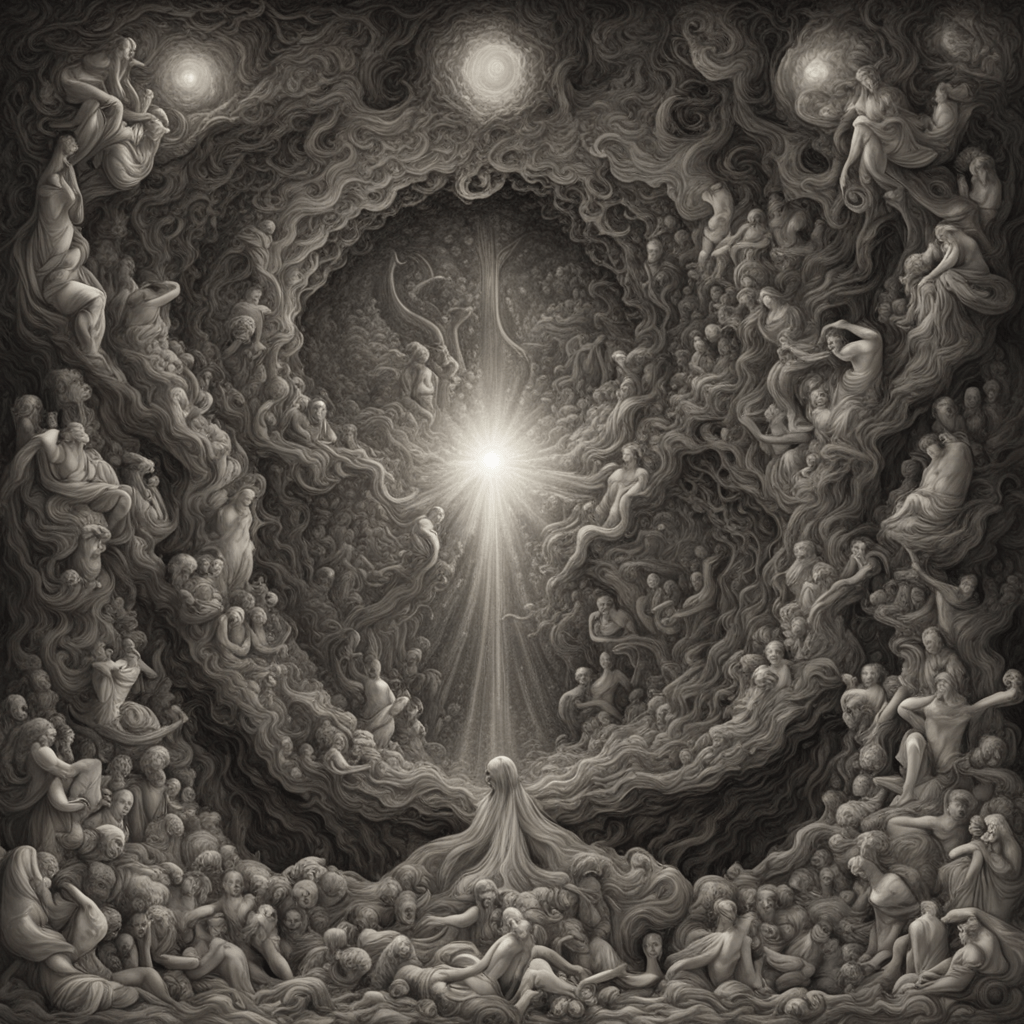
The creation of humanity is a continuation of this silent word, a dance where existence meets non-existence in each moment. In this dance, we are given the rare opportunity to experience life while also witnessing the emptiness at its core. This awareness transforms life from a mere sequence of events into a profound, living expression of the original word beyond sound.

Morgan O. Smith

Yinnergy Meditation, Spiritual Life Coaching & My Book, Bodhi in the Brain…Available Now!
https://linktr.ee/morganosmith

To See God’s Face

A Glimpse Beyond the Veil

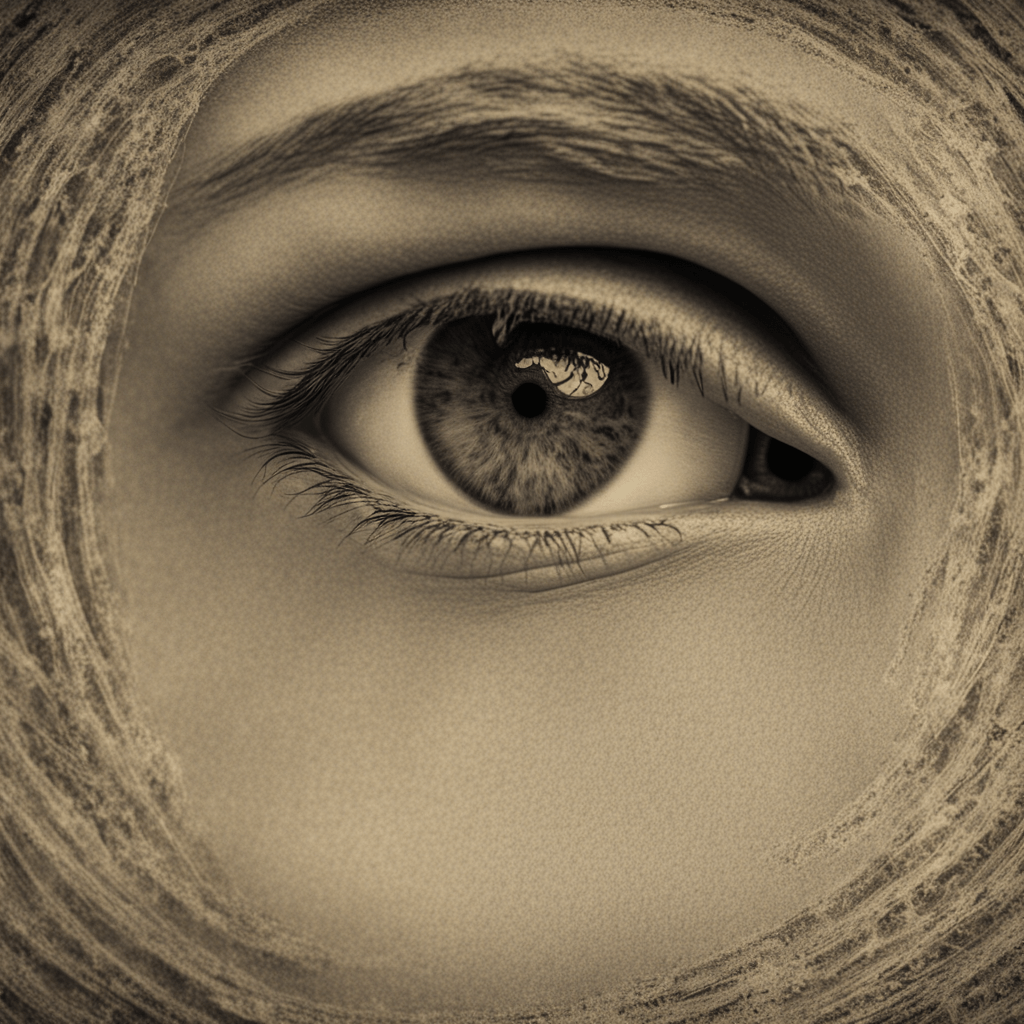
The desire to see the face of God is often spoken of in spiritual traditions, symbolizing the quest to grasp the ultimate truth, touch the divine essence, and witness the Source from which all arises. Yet, many seekers find that the face of God remains elusive. This is not because God hides but because the totality of His expressions cannot be grasped by the human mind until one reaches a state of enlightenment.

What does it mean to see God’s face? Is it a literal vision, or does it represent the merging of self with the Divine? To catch a glimpse of God’s face is to touch the Infinite, even if momentarily. However, the expressions of God—the vastness of His being, the unfolding of all possibilities and manifestations—are incomprehensible to a mind still bound by duality. These expressions are ever-changing, reflecting the dynamic play of creation, destruction, and renewal. Only upon reaching enlightenment, where distinctions dissolve and all is seen as one, does the seeker begin to witness these myriad expressions in their fullness.

Until then, we stand at the threshold, experiencing occasional moments of clarity and divine presence. These glimpses pull us toward deeper understanding, but the full vision, the entire spectrum of God’s expressions, remains veiled. Enlightenment is not simply a state where we “see” more clearly; it is where the very notion of seer and seen dissolves. Only then do we realize that every expression, every nuance of the Divine face, is also our own. The act of witnessing merges into being and all of existence is recognized as the radiant outpouring of the One.

What does this mean for the seeker? The yearning to see the face of God should not be dismissed as a futile chase. It is a sacred impulse. It is the soul’s longing for its source. Yet, one must realize that enlightenment is not an end but a process of continuous unveiling. Until we become still enough, free from the limitations of ego and mind, the Divine will remain a distant and ever-moving horizon. And even upon that horizon, we will see not a singular expression but an infinite number of faces, each revealing another aspect of the cosmic dance.

In the face of God, we encounter not just creation but the unfathomable mystery behind all forms. Enlightenment is the point at which the seeking ends, not because we have seen all there is to see, but because we have become the very essence we sought.

Morgan O. Smith

Yinnergy Meditation, Spiritual Life Coaching & My Book, Bodhi in the Brain…Available Now!
https://linktr.ee/morganosmith

Beyond the Infinite

Contemplating the Vastness Beyond Para-Brahman

In the profound depths of Hindu philosophy, the concept of Para-Brahman represents the ultimate, unchanging reality, the absolute existence that transcends all forms and phenomena. It is an entity beyond human perception, beyond all attributes, the substratum of both the manifest and the unmanifest. But the human mind, insatiably curious and inherently uncontent with limits, dares to ponder—what, if anything, lies beyond Para-Brahman?

To consider what is beyond Para-Brahman is to engage in a philosophical exercise that stretches the boundaries of thought and existence. It is like trying to illuminate the space beyond the edge of the universe’s observable horizon. Para-Brahman itself is defined as the highest Brahman, beyond which nothing further can be conceptualized within the traditional frameworks of Hindu philosophy. However, this does not deter the most adventurous minds from speculating on the nature of the absolute’s transcendence.

In attempting to name that which is beyond the ultimate, we delve into a realm of thought that precedes language and form. Such a pursuit may lead us to the Sanskrit term “Anirvachaniya,” meaning that which cannot be expressed or described. In this context, the term acknowledges the limitations of human language and understanding when faced with the immensity of the infinite.

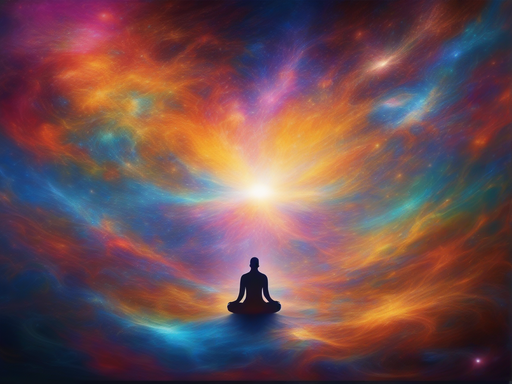
Yet, it is in the silence of meditation and the stillness of contemplation that Hindu tradition often finds its deepest insights. Here, the individual soul (Atman) comes into direct experience with Brahman, and it is perhaps in the dissolution of the self where one might fleetingly encounter the hint of something even more profound than Para-Brahman—something that, by its very nature, cannot be encapsulated by any concept or word.

We might then call this speculative beyond “Ananta,” the infinite, a term that suggests an endlessness that extends even beyond the ultimate expanse of Para-Brahman. It is not a place, entity, or state that can be reached or understood; it is the possibility of infinity within infinity, the essence of boundlessness that permeates every aspect of the cosmos and yet is apart from it, untouched and untouchable.

To ponder what lies beyond Para-Brahman is to embrace the essence of the Upanishadic inquiry, “Neti, neti,” not this, not this. By negating all that can be known, we are left with silent wonder, an acknowledgment that the truth is ever beyond the grasp of our finest conceptions. It is a journey not toward another concept, but towards an ever-deepening mystery that invites us to find peace in the acceptance of the unknown.

The spiritual endeavour to reach beyond even the concept of Para-Brahman invites us to a profound humility, an understanding that what we know and experience is only a fragment of the vastness of reality. It is a cosmic reminder that the journey is not just about seeking answers, but also about appreciating the beauty of the questions themselves.

In this exploration, we are not just students of Hindu philosophy but of the universe itself, engaged in a ceaseless dialogue with the essence of existence. And perhaps, in that very dialogue, we come to realize that the ultimate truth is not a distant reality to be pursued but an ever-present mystery to be lived.

Morgan O.  Smith

Yinnergy Meditation & My Book, Bodhi in the Brain…Available Now!
https://linktr.ee/morganosmith


Three Perspectives on Divinity

A Journey of Self-Discovery and Cosmic Connection

Every human being, at some point, grapples with the concept of divinity. How we perceive the divine greatly influences how we understand ourselves and our place in the cosmos. While there are many ways to envision divinity, let us ponder the “Three Faces of God” – “I am That,” “Thou art,” and “It, the Ground of All Being.” Each provides a distinct lens through which we may view and experience the divine.

1. Divine Within: The Face of “I am That”

“I am That” is a call to recognize the divine within us. It is not just a statement; it’s an acknowledgment of our inherent divinity. This perspective dissolves the illusion of separateness, helping us realize that we’re not merely fleeting existences in an indifferent universe, but integral fragments of a divine whole.

This face asks us to engage in deep introspection, to see beyond the veil of our mundane identities, and to understand that our true essence is not our transient ego, but the eternal spirit. Could it be that we’re more divine than we’ve ever imagined? This face prompts us to explore that possibility.

2. Divine As Other: The Face of “Thou Art”

The face of “Thou Art” offers a contrasting perspective. Here, the divine is seen as the ‘Other,’ an entity outside ourselves with whom we can establish a personal connection. This relationship with the divine, filled with reverence and love, is akin to the bond between a devotee and their deity.

In this model, God is the figure we pray to, seek comfort from, and surrender our troubles to. It’s a perspective that creates a powerful, intimate bond with the divine, letting us experience the divinity not as a part of us, but as a separate, caring, and guiding entity.

3. Divine As All: The Face of “It, the Ground of All Being”

The third face, “It, the Ground of All Being,” portrays God as an impersonal essence, the primal energy that permeates the cosmos. This face of divinity does not personify the divine but sees it as the raw material of existence. It is the unchanging reality amidst the ceaseless flux of the universe.

This view urges us to go beyond the traditional understandings of God and probe deeper into the mysteries of existence. Could it be that the divine is not just a deity or a spirit within, but also the very fabric of reality?

Wrapping Up

The Three Faces of God offer a multidimensional understanding of the divine, guiding us on our spiritual and philosophical quest. They propose different ways to connect with the divine, based on our personal inclinations and spiritual needs. More than a simple triad, they represent a spectrum of possibilities on our spiritual journey.

In acknowledging these perspectives, we can foster a richer understanding and experience of God, allowing us to discover the divine within ourselves, in an intimate relationship, and as the underlying reality of existence. Such an exploration can become a catalyst for personal growth and spiritual evolution, leading us to new levels of self-discovery and cosmic connection. After all, isn’t that what the quest for understanding divinity is all about?

Morgan O. Smith

Yinnergy Meditation & My Book, Bodhi in the Brain…Available Now!

https://linktr.ee/morganosmith

Cosmic Whispers

Deciphering the Divine Blueprint of Creation

Introduction:


In the quiet moments when our minds wander into the realm of the cosmic, we may find ourselves pondering a question that has beguiled philosophers and theologians for centuries: Why did God manifest everything into being? What could be the purpose behind the sprawling tapestry of stars, planets, and life? My answer is that God created everything to become, and to experience the total opposite of itself. However, like threads in a tapestry, there are numerous perspectives woven into this enigmatic question. Let’s unravel a few.

1. **The Divine Artist: Self-Expression and Creativity**

Imagine an artist, brush in hand, dipping into an infinite palette. Some believe that God, the Divine Artist, created the universe as an ongoing expression of self-expression and creativity. Here, the universe is a canvas and God’s creations are brushstrokes – intricate, boundless, and ever-evolving.

2. **Lila: The Cosmic Dance of Divine Play**

Within Hinduism, creation is seen as ‘Lila’ or divine play. Picture God as a dancer, whose movements give birth to galaxies and life. These movements are not driven by need or desire but are spontaneous expressions of joy. Lila suggests that the universe is God’s dance floor, where the Divine revels in the ecstasy of creation.

3. **Harbor of Love: Creation for Relationship**

What if the universe is a love letter? In Christianity and other religious traditions, it is suggested that God created the cosmos and sentient beings for the purpose of relationship and love. The creation is God’s way of extending an invitation to share in divine love and companionship.

4. **Divine Reflection: Creation as Self-Discovery**

Ponder a God yearning for self-knowledge. By manifesting a multitude of beings, each with unique experiences and perspectives, God gazes into a living, cosmic mirror. This mirror reflects different facets of the Divine, allowing God to explore and understand its own infinite nature.

5. **Kabbalah’s Divine Constriction: Creating Space for Others**


Envision a sea retracting to form a shore. Kabbalistic tradition posits that God underwent a self-constriction, known as Tzimtzum, to create space for an independent reality. This act of withdrawal was one of ultimate generosity, allowing for free will and a two-way relationship between creation and the Divine.

6. **The Soul’s Crucible: Testing and Spiritual Growth**

Is the universe a crucible for refining souls? Some belief systems suggest that God created the universe as a testing ground. Through challenges and experiences, souls are purified, tempered, and progress along a spiritual path.

7. **A Purposeless Creation: Philosophical Nihilism**

Not all threads are woven with intention. Some philosophical perspectives maintain that creation has no purpose. It posits that existence is simply a natural by-product of God’s existence and devoid of any inherent meaning.

8. **Pantheism: The Universe as God’s Identity**

Picture a universe where every atom is a fragment of divinity. Pantheism posits that God and the universe are identical. Nature is not a separate creation but a part of the Divine. Through the vastness of space, we witness the body of God.

Conclusion:

As we stand before this intricate tapestry of creation, it becomes clear that the question of why God manifested the universe is as multifaceted as the cosmos itself. Each thread—whether woven with intention, love, curiosity, or even ambiguity—adds depth to this cosmic masterpiece. In examining these threads, we engage not just with the mysteries of creation, but with the essence of our own search for meaning and connection in an unfathomably vast universe.

Morgan O. Smith

Yinnergy Meditation & My Book, Bodhi in the Brain…Available Now!

https://linktr.ee/morganosmith