Author, Philosopher, Spiritual Teacher, A Lead Facilitator at Sacred Media's Integral Mastery Academy, Founder of Yinnergy Meditation/Neurofeedback, Bodhi Mental Care & Wellness, Co-founder of KeMor Centre for Innovative Development
In the vast landscape of human consciousness, the concept of Ultimate Truth stands as an immutable beacon, untouched by time and the flux of subjective experience. It is not the Truth itself that intrigues me, but rather the myriad ways in which individuals interpret and express it. This divergence in interpretation is where the true beauty and complexity of human experience lie.
The pursuit of Ultimate Truth is a journey that transcends the boundaries of culture, religion, and philosophy. It calls upon us to look beyond the surface of our conditioned beliefs and to delve into the depths of our consciousness. However, this journey is often clouded by personal biases, societal influences, and the limitations of language. Each individual’s interpretation of Truth becomes a reflection of their inner landscape, shaped by their unique experiences, perceptions, and spiritual inclinations.
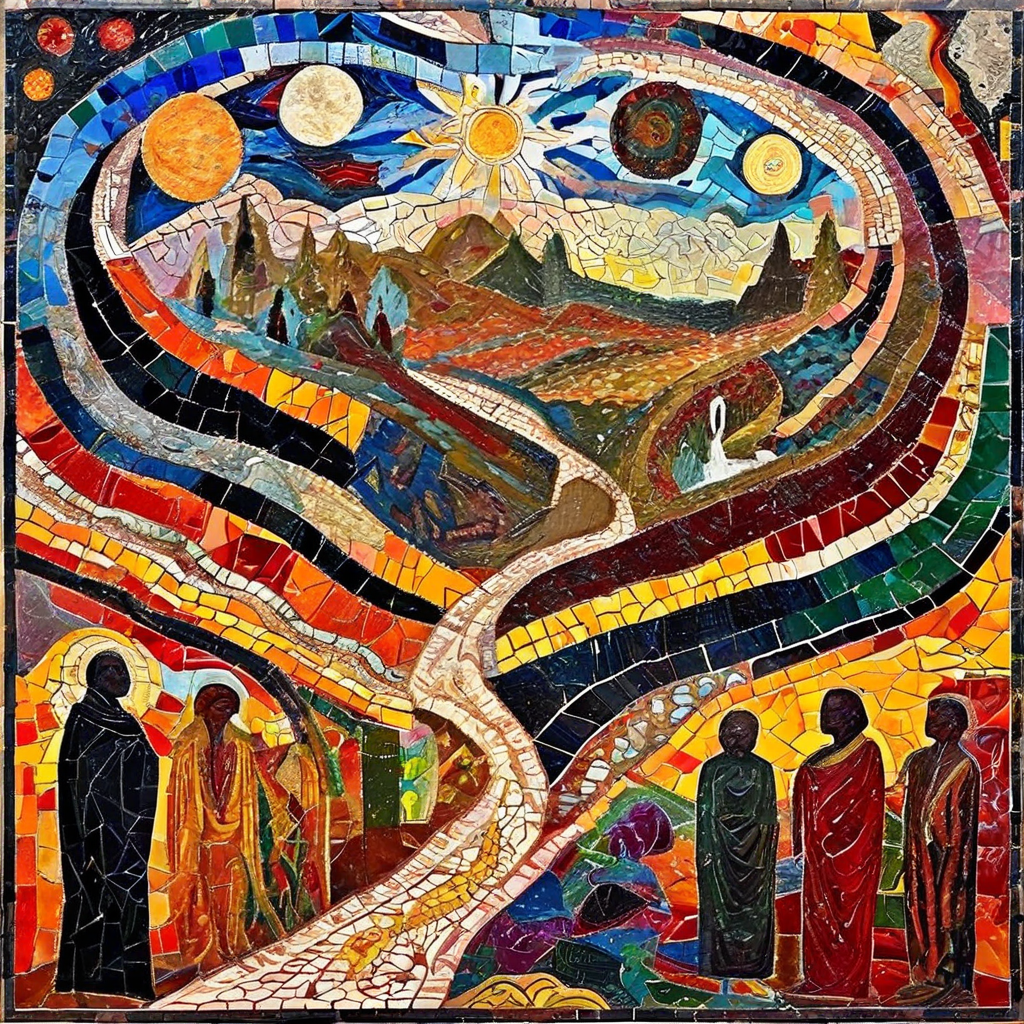
In questioning these interpretations, we are not seeking to undermine the sincerity of one’s spiritual journey. Rather, we are engaging in a deeper exploration of the nuances that colour our understanding of reality. It is an invitation to recognize that our interpretations, no matter how profound, are still filtered through the lens of our perception. They are, in essence, a part of the grand mosaic of human consciousness, where each piece offers a distinct yet incomplete glimpse of the Whole.
This exploration invites a profound humility and openness. It encourages us to listen to the diverse voices that speak of Truth, not as competing claims, but as different facets of a shared journey toward understanding. By embracing this diversity, we move closer to an authentic dialogue that transcends dogma and opens the door to a more inclusive and compassionate worldview.
Moreover, this inquiry into the interpretations of Truth can lead us to a deeper appreciation of the paradoxical nature of existence. As we peel back the layers of our conditioned beliefs, we find that the Ultimate Truth is not something to be grasped or owned, but rather experienced as a living, dynamic presence that defies conventional categorization. It is in this space of not knowing, of embracing the mystery, that we find the most profound revelations.
In conclusion, the questioning of interpretations is not an act of skepticism, but of reverence for the ineffable nature of Ultimate Truth. It is a reminder that the journey is ongoing and that each step along the path is a vital part of the unfolding process. By engaging in this exploration, we honour the richness of the human experience and the boundless potential for growth and transformation that lies within us all.
Morgan O. Smith
Yinnergy Meditation, Spiritual Life Coaching & My Book, Bodhi in the Brain…Available Now!
Introduction: Just yesterday, I had the privilege of participating in a spirited and thoughtful dialogue as a guest speaker on “The Seekers Mind,” a distinguished forum on Clubhouse, renowned for its intellectual rigour and engaging discourse. The topic of this profound conversation was a thought-provoking question: “To Merge with The Divine – Can The Infinite and Finite Meet?” This insightful exploration brought together a multitude of perspectives, each contributing its own unique colour to the vibrant tapestry of thoughts and opinions. It served as a shared journey into the metaphysical depths of our understanding, a true meeting of minds seeking to grasp the essence of the divine.
In the vast landscape of the spiritual realm, teeming with a multiplicity of views and beliefs, the prospect of ‘merging with the divine’ often stirs up lively debates and discourses. As an absolute monist, I view these differing perspectives as individual facets of the divine itself, each one adding its own depth and dimension to the overall understanding. I recognize the importance of acknowledging various viewpoints, even those that assert a separation between the individual and the divine, considering them valid perspectives in this grand dialogue.
In this blog post, we delve deeper into the intriguing concept of merging with the divine, appreciating the richness of the diverse perspectives that emerged during our discussion. Our exploration is not limited to any one viewpoint but rather seeks to embrace the full spectrum of thought, providing an all-encompassing perspective on this profound topic.
The Absolute Monist’s View: As an absolute monist, I see a fundamental unity that pervades all existence. From this perspective, merging with the divine is a realization that the individual identity is an illusion, and there is a pre-existing oneness that transcends all apparent boundaries. It’s an epiphany that the divine and the individual are not two separate entities, but different expressions of the same ultimate reality, often called Brahman.
Inclusivity of Perspectives: While our discussion last night was thought-provoking, it could only touch on a limited range of perspectives. There are numerous other viewpoints often expressed in conversations about spirituality that I feel are crucial to mention. These perspectives stem from a myriad of beliefs, each born from individuals who perceive themselves as separate from the divine. Recognizing and acknowledging this multiplicity of viewpoints is a fundamental step in embracing the broad spectrum of beliefs in the realm of spirituality. Such acknowledgment lends to a comprehensive understanding of the various ways people interpret and experience the profound concept of merging with the divine. It’s this rich diversity that enriches our collective spiritual journey, offering a multifaceted understanding of our quest to connect with greater power.
Dualism and Separation: Some people adhere to dualistic beliefs, positing a fundamental separation between human and divine. They argue that absolute merging with the divine is impossible because of the inherent distinction between the two realms. From this perspective, practices and rituals serve as conduits to establish a connection with the divine, rather than as a means to achieve complete union.
Pantheism and Immanence: Pantheistic perspectives perceive divinity as immanent in all aspects of existence. Hence, the concept of merging with the divine may be deemed unnecessary as the divine is inherently present everywhere. In this belief system, recognizing the divine nature within oneself and the world can evoke a deep sense of unity and interconnectedness.
Theistic Religions and Union: Various theistic religions offer unique perspectives on merging with the divine. Some emphasize a personal relationship with a transcendent deity, where merging with the divine is interpreted as attaining union or closeness with the divine being. Devotion, surrender, and adherence to religious practices are seen as integral components in seeking this connection.
Agnosticism and Uncertainty: Agnostic viewpoints approach the idea of merging with the divine with skepticism, questioning the very knowability of the divine. They argue that human knowledge and experiences are limited, making it challenging to ascertain whether merging with the divine is a factual possibility. Agnostics often maintain an open-ended stance, acknowledging the limitations of human understanding.
Atheism and Rejection: Atheistic perspectives outrightly reject the existence of any divine entity. From this viewpoint, merging with the divine is considered irrelevant or illusory since there is no divine being to merge within the first place. Atheists often focus on personal growth, societal well-being, and ethical principles as their guiding values.
Philosophical Skepticism and Inquiry: Philosophical skeptics approach the idea of merging with the divine with a sense of inquiry and caution. They contend that such claims often hinge on subjective experiences or unverifiable beliefs, making it difficult to establish their truth. Skeptics advocate critical thinking and challenge unfounded assumptions.
Conclusion: The concept of merging with the divine invites profound contemplation and exploration. From an absolute monist’s standpoint, all beliefs and perspectives emanate from the divine, and is the divine, affirming the unity and interconnectedness of existence. I embrace the understanding that all views, including dualism, pantheism, theistic religions, agnosticism, atheism, and philosophical skepticism, are expressions of the divine exploring itself through different lenses.
In this journey of understanding and merging with the divine, we must approach each perspective with respect, curiosity, and a willingness to learn. By engaging in meaningful dialogue and embracing a diversity of beliefs, we can deepen our understanding of the human experience and the various paths by which people seek connection with the divine.
The question of merging with the divine may not have a definitive answer that satisfies all individuals or belief systems. It is an inherently personal and subjective exploration, shaped by cultural, religious, and spiritual backgrounds. However, the shared recognition of the inherent sacredness of existence and the desire to connect with something greater than ourselves is universally beautiful.
In the grand tapestry of existence, let us celebrate the multitude of perspectives, knowing they all contribute to our rich, ever-unfolding exploration of merging with the divine. Through open-mindedness, compassion, and a willingness to transcend individual identities, we may come closer to experiencing the underlying oneness that pervades all things.
May we continue our exploration in the spirit of unity and understanding, honouring the divine in ourselves and each other, while appreciating the vast tapestry of beliefs and experiences that comprise our collective journey toward merging with the divine.
Morgan O. Smith
Yinnergy Meditation & My Book, Bodhi in the Brain…Available Now!


 Morgan O. Smith