
Evolution as a Glimpse into Divine Complexity
The debate between evolution and creationism has been a longstanding one, often polarizing individuals into two distinct camps. However, a thought-provoking perspective emerges when we consider evolution not as a contradiction but as a subset of the divine act of creation. This viewpoint suggests that what we perceive as evolution is, in fact, a limited human interpretation of a much grander and incomprehensible divine plan.
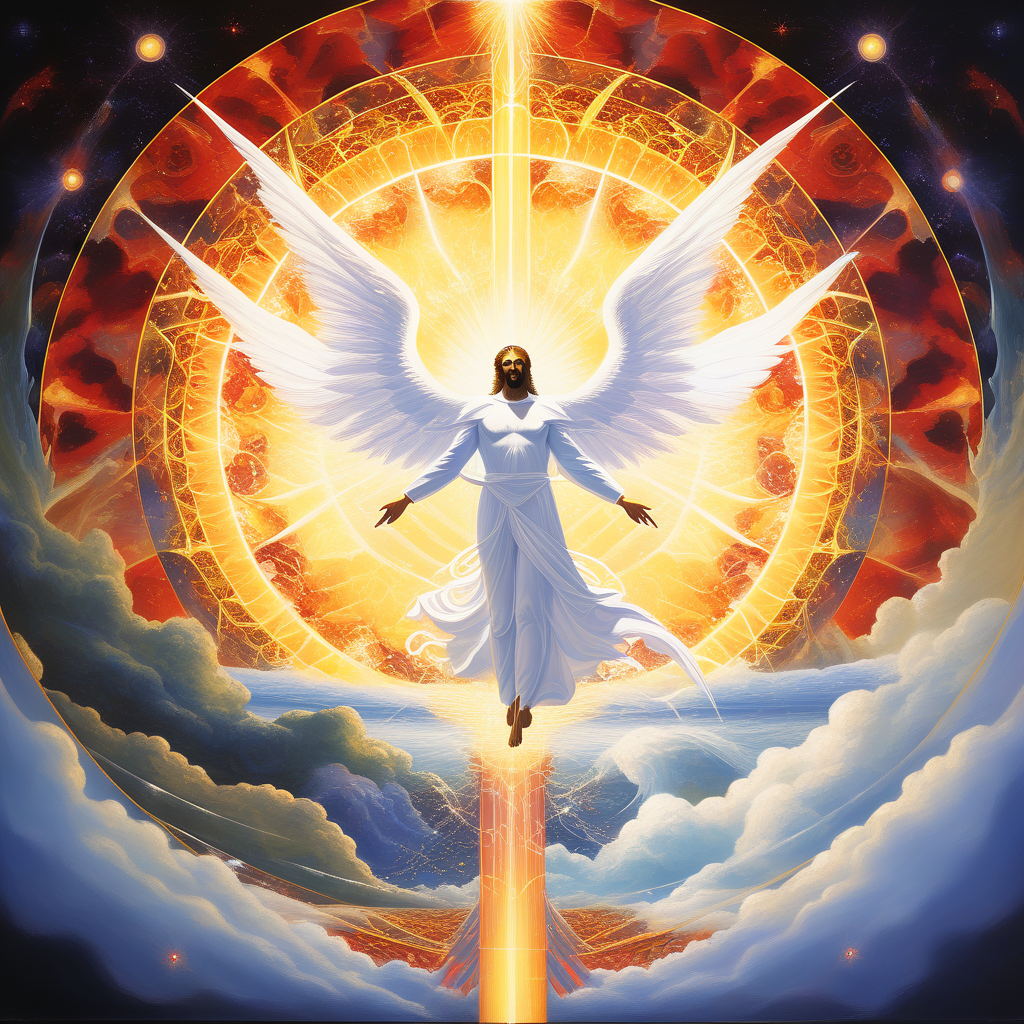
The idea of God creating the universe in seven days is a cornerstone of many religious beliefs. These seven days, often taken literally, could alternatively be viewed as symbolic of a more complex, unfathomable process of creation that transcends human understanding. The ‘days’ may not be 24-hour periods as we know them, but rather, phases in a divine timeline, incomprehensible in length and complexity to the human mind.

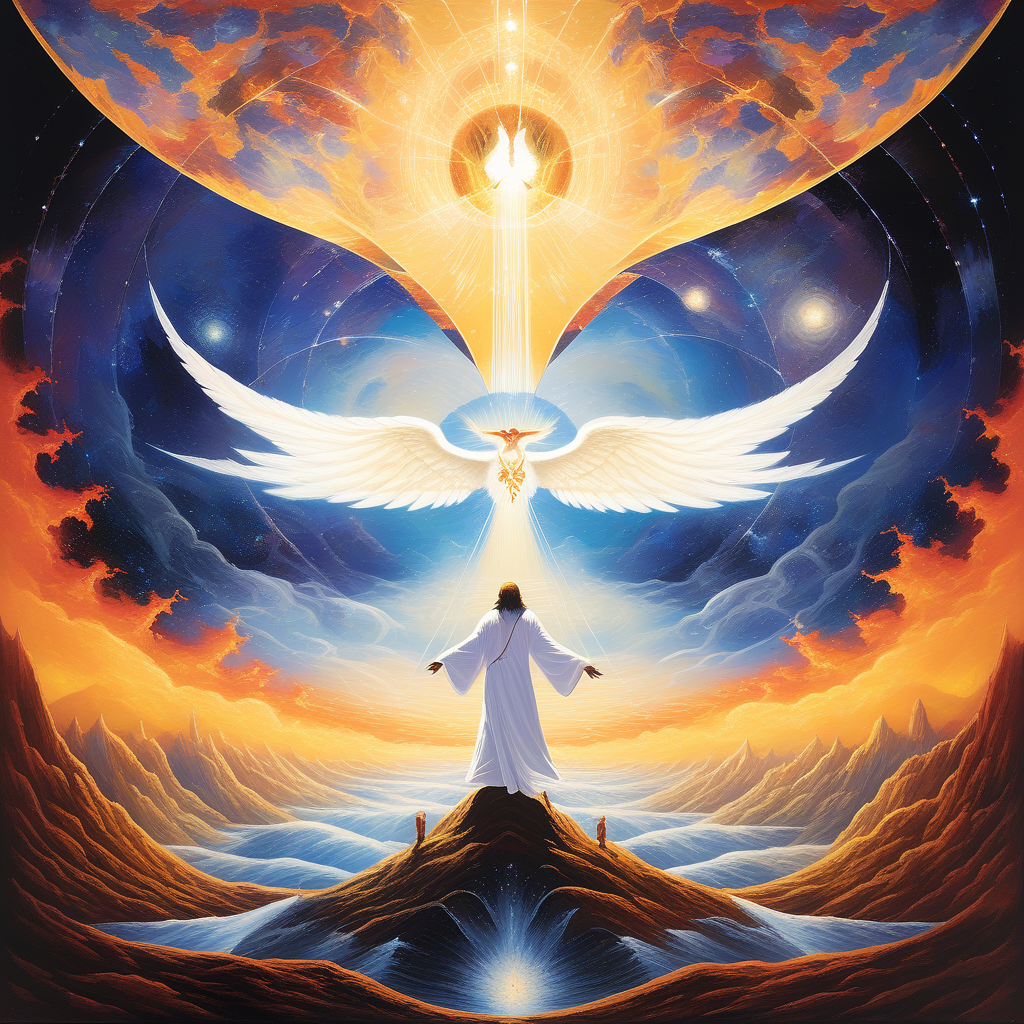
Evolution, in this context, can be seen as a mechanism within this divine plan. It’s a process that unfolds over eons, under the guidance of a higher power, the causal aspect of the absolute. It is an expression of the ground of all being, operating within the confines of time and space – constructs that, too, were set in motion by the divine.
This perspective bridges the gap between science and faith, suggesting that evolution is a component of creation, a part of the divine narrative. It invites us to view evolution not as a challenge to theistic beliefs but as an insight into the complexity and majesty of what a higher power can orchestrate.

As we explore this intersection of faith and science, it becomes clear that our understanding of both creation and evolution is limited by our human perspective. What if, instead of viewing them as opposing ideas, we see them as different facets of the same divine truth? This approach doesn’t diminish the importance of scientific inquiry, nor does it undermine the significance of religious belief. Rather, it highlights the vastness of what we are yet to understand and the potential harmony between different realms of human thought.
In conclusion, the dialogue between evolution and creationism need not be a contentious one. It can be a conversation that enriches our understanding of science and spirituality, revealing the interplay between the comprehensible and the unfathomable in the universe’s grand design.
Morgan O. Smith
Yinnergy Meditation, Spiritual Life Coaching & My Book, Bodhi in the Brain…Available Now!

 Morgan O. Smith