The Paradox of a Spiritually Enlightened Peak Experience

Imagine being pushed from a plane mid-flight, without a parachute. There’s no time to think, no time to brace yourself for impact. You are hurtling through the sky, weightless, untethered, and completely vulnerable. Fear may grip you momentarily, but something unexpected happens. You hit the ground—yet not only do you survive, but you rise and walk away unscathed, untouched by the experience as if the fall was merely an illusion.

This analogy comes close to capturing the essence of a fully spiritually enlightened peak experience. It is both terrifying and liberating, a moment where everything you thought you knew is shattered, yet something deeper emerges untouched. It’s not the kind of experience that fits neatly into the confines of logic or the safety of intellectual understanding. It pulls you beyond those limits, forcing you to confront the raw truth of existence in ways you hadn’t anticipated.

During such an experience, there’s no parachute to cushion the ego’s fall. The self—the constructed identity you’ve held onto for so long—dissolves, leaving nothing to cling to. Everything you believe about who you are, what reality is, and how life works evaporates in a moment of pure awareness. But instead of devastation, there is a strange sense of freedom. You realize the ground you thought you were plummeting toward was never real, to begin with.

What’s remarkable about this peak state is how it feels after. There’s a profound sense of survival, not in the physical sense, but at the level of awareness. You walk away from the experience unscathed because the true self, the part of you that is beyond mind and body, was never at risk. The fall, the impact, and the survival all exist within the realm of the illusion, but the awareness that experiences it all remains whole and untouched.

This awakening doesn’t come gently; it forces a reckoning with reality. But through that reckoning, you realize that what is truly real cannot be harmed. The body, the ego, the mind—all of these can be torn apart by life’s challenges and transformations. But the awareness that witnesses the fall? That remains pure and intact.

Living after such an experience brings with it a lightness, a profound sense of detachment that doesn’t arise from apathy but from clarity. You’ve seen through the illusion of the fall, and now, you move through life knowing that no matter what happens, the essence of who you are remains untouched. There’s nothing left to fear, no more clinging to the safety of the mind’s constructions.

This is the gift of spiritual enlightenment: not just the revelation that you can survive the fall, but the deeper realization that there was never anything to fall from in the first place.

Morgan O. Smith

Yinnergy Meditation, Spiritual Life Coaching & My Book, Bodhi in the Brain…Available Now!

https://linktr.ee/morganosmith

Unconditional Surrender

Embracing the Final Letting Go

Unconditional surrender is not simply about relinquishing control over circumstances, desires, or attachments. It goes beyond the surface. This form of surrender requires the release of the very concept of surrender itself. It demands a level of vulnerability so profound that even the notion of letting go must be let go.

What happens when there’s no longer anything to hold on to? Nothing to release? This is where true transformation begins. In this space, we step outside the dualistic framework of control versus surrender and touch something far deeper, a level of being where no effort or resistance exists. We are often conditioned to think that surrender means losing, giving up, or sacrificing. But unconditional surrender is not a loss—it is the full embrace of existence without the filters of ego, fear, or the need to manage outcomes.

When one stands in this openness, fully exposed and defenceless, something extraordinary happens. You come face to face with the reality of all that is. Without the mind’s endless chatter and strategies, there’s nothing left but the raw, unfiltered truth. And in that truth, you find freedom—not in the way we might imagine, but in a way that defies all prior understanding.

In the vulnerability of surrender, we experience what it means to exist without resistance, without striving, without seeking. It’s not about achieving some spiritual milestone or reaching a perfect state of being. Instead, it’s about dissolving the layers of defence we’ve built, trusting that whatever remains is exactly what was meant to be.

This path is not for the faint-hearted. It requires courage to step beyond the boundaries of the self and to let go of everything we’ve ever known. Yet, paradoxically, it is only through this act of ultimate surrender that we come to experience true liberation.

I would like to thank my colleague, Prakash, for mentioning Unconditional Surrender during our The Seekers Mind Clubhouse debate and for inspiring this piece.

Morgan O. Smith

Yinnergy Meditation, Spiritual Life Coaching & My Book, Bodhi in the Brain…Available Now!

https://linktr.ee/morganosmith

The Elusive Blind Spot of Enlightenment

A paradox begins to unfold from the moment consciousness takes form and you are born into this world. Enlightenment, often considered the pinnacle of spiritual realization, simultaneously becomes a blind spot. It’s not that enlightenment is absent; rather, it exists so close to you that it evades your direct perception. The act of becoming a being—separate from the whole—creates the veil obscuring what was never lost.

Most people search for this elusive state, hoping to grasp it through teachings, practices, and philosophies. Yet, the search itself can deepen the sense of separation, reinforcing the idea that enlightenment is something external to be found. But what if enlightenment was never something you needed to find? What if it was something you simply needed to stop resisting?

Human existence is an exquisite contradiction. On one hand, the moment you identify as an individual, you begin to experience duality—subject and object, self and other. On the other hand, this identification simultaneously masks the realization that you are already one with everything. Enlightenment is not an external destination; it is the underlying reality that permeates your existence.

The blind spot isn’t due to a lack of spiritual capacity or effort, but the mind’s incessant clinging to the notion of self. The moment you try to achieve enlightenment as a personal goal, it slips further away, like trying to catch a shadow. Perhaps the real journey is not about seeking, but about unlearning. The simplicity of just being, without striving, can often be the most profound realization of all.

What happens when you stop searching? What if you allow yourself to see that enlightenment is not a peak experience to attain, but the constant, ever-present background of awareness that you are, and always have been? This blind spot only remains as long as there is an effort to overcome it. Let go of that effort, and what reveals itself has been present all along—your original nature.

The key lies in the willingness to let go of the need for enlightenment, to surrender the very idea that you are separate from it. Only then does the blind spot dissolve, and the reality of your true self, free from all constructs, comes into clear view.

Morgan O. Smith

Yinnergy Meditation, Spiritual Life Coaching & My Book, Bodhi in the Brain…Available Now!

https://linktr.ee/morganosmith

The Depth of Spiritual Comprehension

Beyond the Surface of Enlightenment

The spiritual journey often carries a mystique, with enlightenment perceived as a final, transcendent state reached after years of dedicated practice. However, the true essence of enlightenment lies not in a distant destination but in an ongoing process of deepening comprehension. This spiritual comprehension, the act of truly understanding and embodying spiritual truths, transforms enlightenment from an abstract ideal into a living reality.

Comprehension in this context goes beyond the intellectual grasp of spiritual concepts. Reading texts or engaging in discussions about spirituality provides a foundation, but deeper understanding requires a profound recognition and integration of the truths of existence into one’s being. This type of comprehension changes the way you perceive yourself, others, and the world around you.

Comprehending Comprehension

Understanding comprehension itself involves stepping into a realm of profound self-awareness. Looking beyond the surface level of experiences and teachings becomes essential, prompting questions about the nature of understanding. What does it mean to truly understand something? How does comprehension differ from mere knowledge? Such inquiries are vital on the spiritual path, pointing to a deeper engagement with the teachings and practices that guide us.

Spiritual comprehension refers to a transformative process where the seeker transitions from knowing about enlightenment to embodying it. This process often involves the dissolution of the egoic self, the release of attachments, and the embrace of a reality both mysterious and deeply intimate.

The Unfolding of Spiritual Comprehension


The unfolding of spiritual comprehension does not follow a linear path. Rather than a straight journey from ignorance to knowledge, from darkness to light, it unfolds as an ever-deepening spiral. Each turn brings us closer to the core of our being. Through this spiral, enlightenment reveals itself not as something to be acquired but as something to be awakened to—a recognition of what has always been present.

Comprehension then becomes an experiential understanding, a lived reality where the boundaries between self and other, subject and object, dissolve. The mind’s incessant chatter quiets, leaving a clear, direct perception of truth—pure, unfiltered awareness, unclouded by concepts or beliefs.

Living Comprehension

Living comprehension means embodying the spiritual truths understood. These truths guide actions, thoughts, and interactions with the world, bringing the light of enlightenment into every aspect of life, from the most mundane tasks to the most profound spiritual practices.

Such embodiment is not about striving for perfection or adhering to an idealized notion of enlightenment. Instead, it means being authentically human, embracing all complexities and contradictions while remaining rooted in the deep understanding of true nature.

Conclusion: The Infinite Depths of Comprehension


Spiritual comprehension represents an infinite journey, a realization that there is always more to understand, integrate, and embody. Enlightenment becomes not a final state but a dynamic process of ongoing revelation. As the depths of spiritual comprehension continue to unfold, the infinite possibilities of being fully alive, fully awake, and fully present in this moment emerge.

Morgan O. Smith

Yinnergy Meditation, Spiritual Life Coaching & My Book, Bodhi in the Brain…Available Now!

https://linktr.ee/morganosmith

The Unraveling of the Self

Emotional and Mental Breakdowns During Spiritual Awakening

Introduction

The journey toward spiritual awakening often appears, from the outside, as a serene and enlightened path. Yet, for those who walk it, the experience can be anything but peaceful. Emotional and mental breakdowns are common, and they serve a profound purpose. These breakdowns are not merely unfortunate side effects but are integral to the transformation that takes place during spiritual awakening. Understanding why and how they occur sheds light on the deeply transformative nature of this journey.

The Dissolution of the Ego

At the heart of spiritual awakening lies the dissolution of the ego, the part of us that identifies with our thoughts, emotions, and external identities. The ego forms a protective shell around our innermost being, creating a sense of separation from the world and others. As spiritual awakening progresses, this shell begins to crack and dissolve. The breakdowns that occur during this process are the ego’s desperate attempts to hold onto the illusions it has created.

Emotional turmoil arises as old wounds, suppressed fears, and unresolved traumas surface. These are not new experiences; they are fragments of our psyche that have been buried deep within. The awakening process brings them to the surface, demanding that they be acknowledged, felt, and released. This can manifest as intense sadness, anger, or anxiety, often without a clear trigger. The breakdowns are not a sign of failure but a necessary purging of what no longer serves the soul’s evolution.

Mental Deconstruction

Alongside the emotional upheaval, there is often a mental breakdown that accompanies spiritual awakening. Our minds are accustomed to operating within the framework of duality—right and wrong, good and bad, self and other. As awakening deepens, this framework begins to disintegrate, leading to confusion, disorientation, and a sense of losing touch with reality.

The mind, which has always sought control through understanding and categorizing, now faces the incomprehensible. Concepts that once provided a sense of stability and security—such as time, identity, and purpose—start to unravel. This can feel like madness, as the mind struggles to find footing in a reality that no longer adheres to the rules it once knew.

However, this mental breakdown is a gateway to a higher understanding. It forces the individual to let go of the need to intellectually grasp the vastness of existence and instead invites them to surrender to the mystery of being. What emerges from this surrender is a more expansive awareness that transcends the limitations of the thinking mind.

The Purpose Behind the Breakdown

The emotional and mental breakdowns during spiritual awakening serve a profound purpose. They are not signs of weakness or instability but are essential phases of the journey. These breakdowns break open the rigid structures of the ego and the mind, allowing the true self to emerge. The pain and confusion are catalysts for shedding the old, making way for a new way of being.

In essence, these breakdowns are acts of grace. They strip away the false layers of the self, revealing the underlying essence that is interconnected with all of existence. Through the process of breaking down, one is rebuilt on a foundation of truth, love, and unity.

Navigating the Breakdown

For those experiencing these breakdowns, it’s important to understand that they are temporary and purposeful. Practicing self-compassion and seeking support from others who understand the journey can be invaluable. Meditation, grounding practices, and connecting with nature can also help stabilize the experience. Above all, embracing the breakdown as part of the awakening process allows for a more graceful passage through these intense phases.

When to Seek Extra Support

These breakdowns are not obstacles for most individuals. But there are cases where mental illness could be a factor and needs to be identified and not mistaken for the awakening process. Extra support and seeking professional help in these cases may be needed. They should never be avoided or spiritually bypassed. In some cases, spiritual practices should be avoided altogether, especially if they exacerbate the symptoms or lead to further confusion and distress. Understanding the difference between a spiritual crisis and a mental health issue is crucial, as neglecting the latter can lead to unnecessary suffering and hinder the healing process.

Conclusion

Spiritual awakening is not a gentle process; it is a profound upheaval that shakes the very core of our being. The emotional and mental breakdowns that occur are not obstacles but necessary steps in the dissolution of the old self. By understanding and embracing these breakdowns, one can move through them with greater ease, allowing the transformation they bring to unfold fully. In the end, what emerges from the ashes of the breakdown is a self that is more authentic, whole, and deeply connected to the essence of life itself.

Morgan O. Smith

Yinnergy Meditation, Spiritual Life Coaching & My Book, Bodhi in the Brain…Available Now!
https://linktr.ee/morganosmith

Don’t Mistake Spiritual Persona for Spiritual Attainment

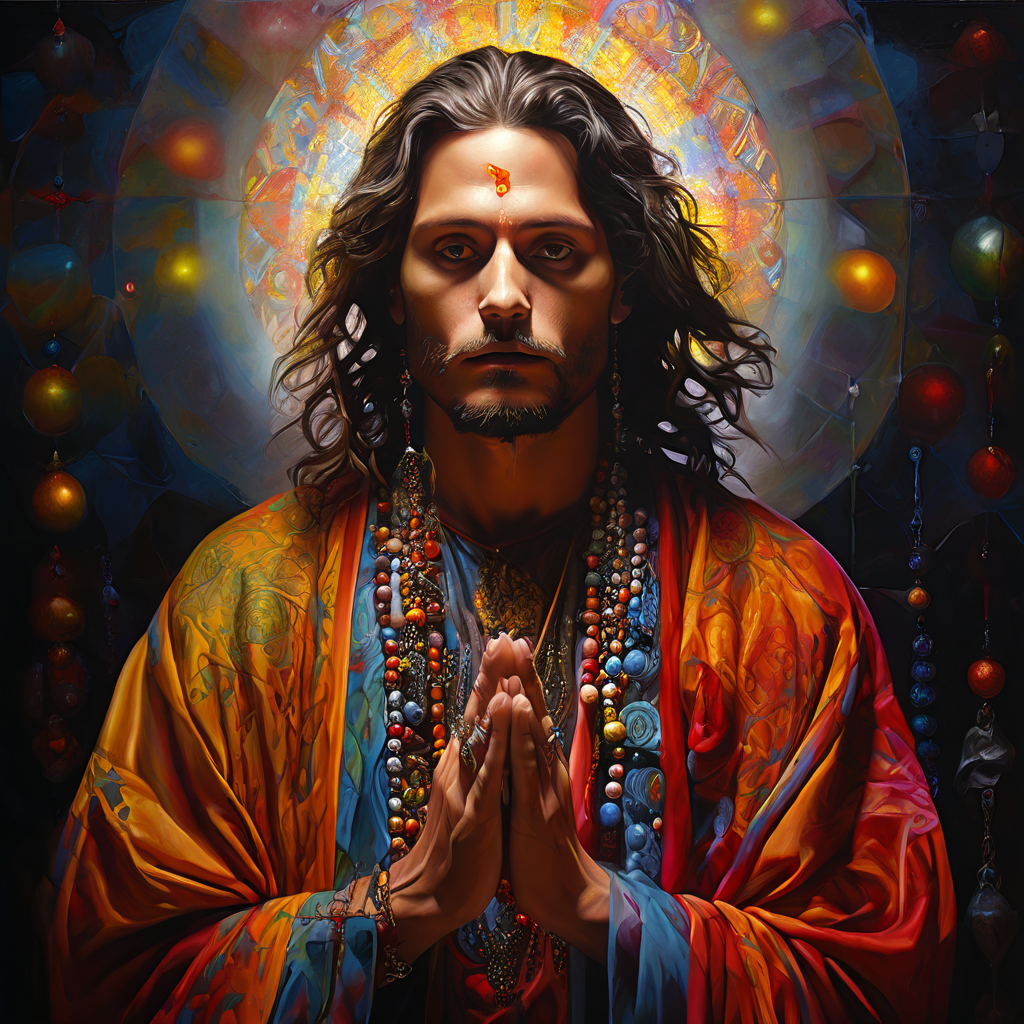
In the quest for spiritual enlightenment, it is easy to fall into the trap of equating outward appearances with inner transformation. The spiritual marketplace is brimming with individuals adorned in the symbols of enlightenment—beads, robes, and serene smiles. But beneath these carefully cultivated images, what lies? Are these symbols true reflections of deep spiritual attainment, or merely the trappings of a spiritual persona?

The essence of genuine spiritual attainment transcends outward appearances. It is an internal metamorphosis that reconfigures one’s very being. True spiritual growth dismantles the ego, dissolves the illusion of separation, and fosters a profound sense of unity with all existence. This journey is deeply personal and often invisible to the outside world. It is marked by humility, compassion, and an unwavering commitment to truth.

A spiritual persona, on the other hand, can be a carefully constructed mask. It seeks validation from the external world by adopting symbols and behaviours associated with spirituality. This persona can be seductive, as it offers the semblance of wisdom and enlightenment without necessitating the arduous inner work required for genuine transformation. It may garner admiration and respect, but it does not hold the essence of true spiritual attainment.

To discern the difference, one must look beyond appearances. True spiritual attainment manifests in actions, choices, and the quality of one’s presence. It is reflected in the ability to remain centred in the face of life’s challenges, to act with compassion even in difficult circumstances, and to embrace the inherent uncertainty of existence with equanimity.

It is a state of being that radiates from within, often silently, without needing external validation or recognition. It is characterized by a deep sense of peace, a boundless capacity for love, and an unwavering connection to the present moment.

The path to spiritual attainment requires courage—the courage to face one’s deepest fears, to dismantle long-held beliefs, and to surrender the ego’s need for control and validation. It demands an authentic engagement with the present moment, a willingness to embrace discomfort, and a commitment to the inner journey, no matter how solitary or challenging.

As you navigate your spiritual journey, remember that the true markers of spiritual attainment are not found in external symbols or personas. They are found in the quiet moments of insight, the depths of your heart, and the transformative power of authentic presence. Embrace the journey inward, for it is there that the true treasures of spiritual awakening are discovered.

Morgan O. Smith

Yinnergy Meditation, Spiritual Life Coaching & My Book, Bodhi in the Brain…Available Now!

https://linktr.ee/morganosmith

Embracing the Stillness

The Space Between Extremes

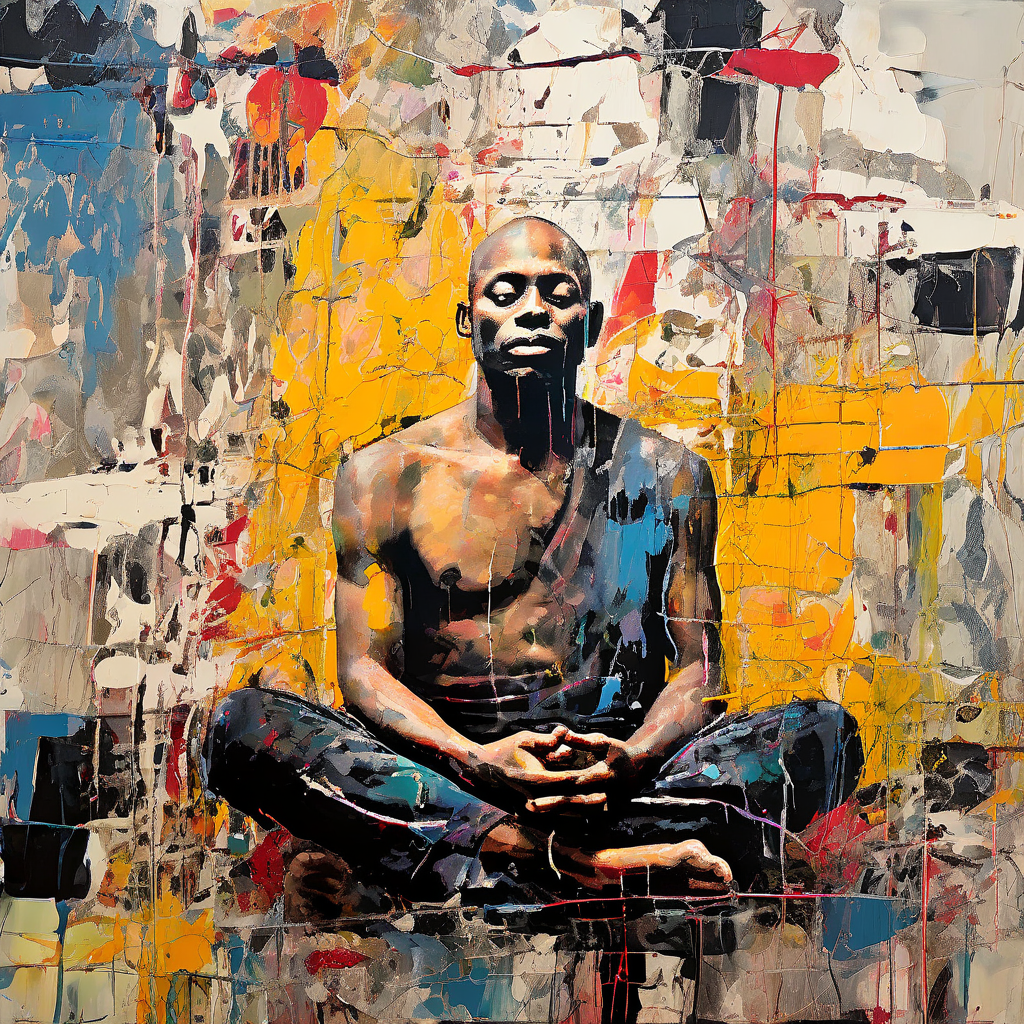
In the quiet of existence, where dualities converge and distinctions fade, lies a profound stillness. This is not a void of absence but a vibrant presence, where the very essence of being unfolds beyond the boundaries of self. In this space, there is a deep, unwavering serenity, a stillness that remains untouched by the oscillations of life’s extremes.

To truly understand this stillness, one must transcend the conventional notion of self. It is not about fortifying the ego or creating a resilient identity; rather, it is the realization that the ‘me’ we cling to is an illusion. The self, as we know it, is but a construct of the mind, shaped by experiences, memories, and societal influences. When we see through this illusion, we discover that there is nothing that can be broken or shaken.

Imagine the ocean. The surface may be turbulent, whipped by winds and storms, but the depths remain calm, undisturbed by the chaos above. Similarly, when we identify with the deeper currents of our being, the surface disturbances lose their power. This is not a passive state of detachment but an active engagement with life from a place of profound inner peace.

This realization is the crux of many spiritual traditions. In nonduality, the self is seen as an expression of the universal consciousness, not separate from it. The dissolution of the individual ego leads to a direct experience of unity with all that is. It is a state where the observer and the observed merge, where the boundaries of ‘me’ and ‘not me’ dissolve.


Such a perspective transforms how we navigate life’s challenges. Without the burden of a fragile ego to protect, we can face adversity with equanimity. The fear of failure, rejection, or loss diminishes because there is no ‘self’ to defend. Instead, we move through life with grace and acceptance, recognizing that every experience is a manifestation of the same underlying reality.

In practical terms, this understanding invites us to cultivate mindfulness and presence. By observing our thoughts and emotions without attachment, we begin to see them for what they are—fleeting phenomena passing through the vastness of our true nature. Meditation and contemplative practices can help us deepen this awareness, guiding us back to the stillness that lies at the heart of our being.

This journey is not about achieving a state of perfection but embracing the wholeness of our existence. It is about recognizing that the stillness we seek is already within us, always accessible, always present. By resting in this space between extremes, we find a source of strength and peace that transcends all conditions.


In the end, the realization that there is no ‘me’ to break or shake is profoundly liberating. It allows us to engage with life fully, without fear or resistance. We become like the still point in the turning world, unmovable and unbreakable because we have transcended the very notion of a separate self.

Morgan O. Smith

Yinnergy Meditation, Spiritual Life Coaching & My Book, Bodhi in the Brain…Available Now!
https://linktr.ee/morganosmith

The Multilayered Journey of Ego Dissolution

In the intricate dance of spiritual awakening, the ego stands as both a necessary companion and a formidable obstacle. Our journey to self-realization often involves peeling away the layers of this multifaceted construct, each layer representing a different aspect of our perceived identity.

The ego, much like an onion, is composed of multiple layers. These layers symbolize the various roles, beliefs, and attachments we accumulate throughout our lives. Initially, shedding these layers can be a liberating experience. We feel lighter, more connected to our true selves, and less bound by societal expectations and personal fears. Each removed layer brings us closer to a state of purity and clarity.

However, the concept of ego death transcends the gradual shedding of these layers. Ego death is not merely about peeling back the onion to its core; it is about transcending the very existence of the onion itself. It is the profound realization that the core was an illusion all along, a construct of the mind designed to give us a sense of separateness and control.

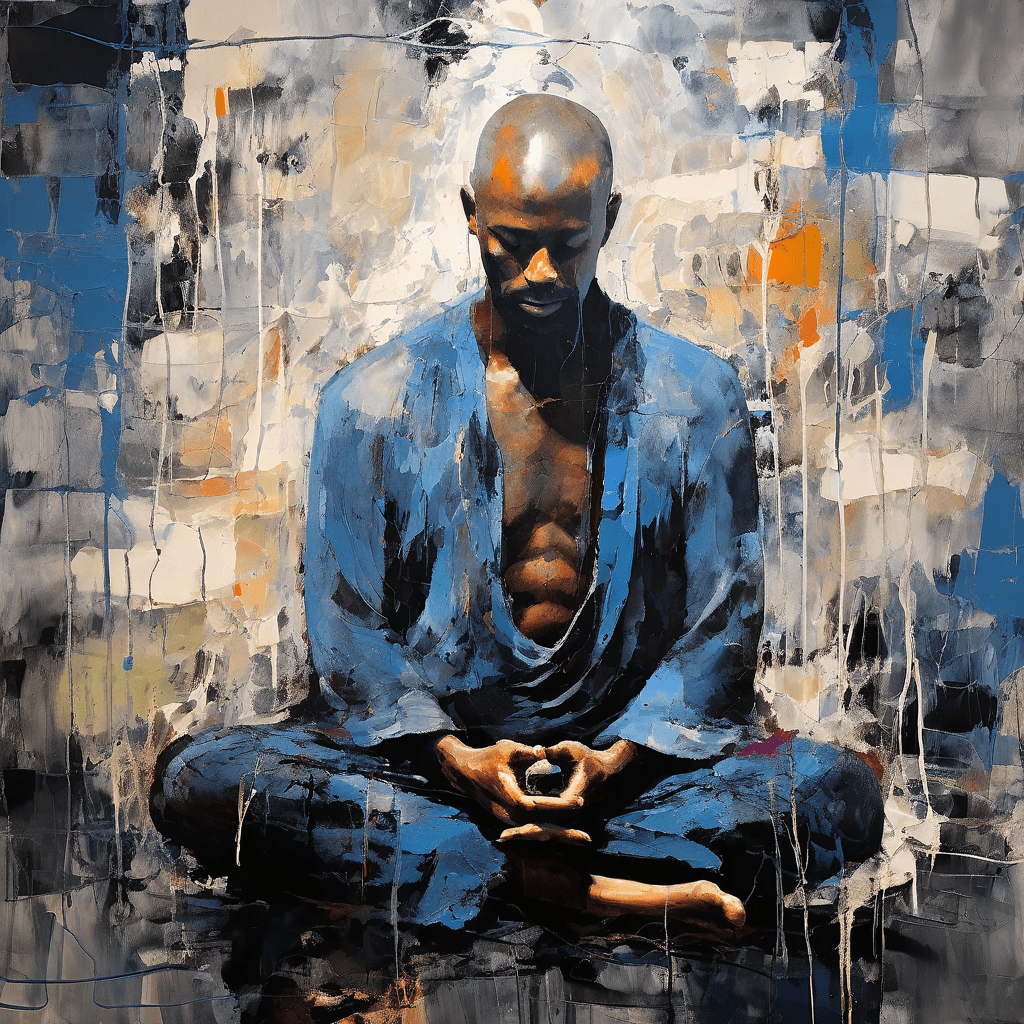
Imagine reaching a point where even the scent of the onion no longer lingers. This metaphor captures the essence of true ego death—a state where not only the layers but the very notion of an individual self dissolve into the infinite. It is the ultimate surrender, where the boundaries between the self and the cosmos blur into non-existence, revealing the underlying oneness of all.


This experience can be both terrifying and liberating. The fear of losing our identity is a natural response, as the ego is deeply ingrained in our sense of self-preservation. Yet, the liberation that follows is unparalleled. Without the confines of the ego, we experience reality in its purest form, untainted by personal biases or desires. We become conduits for the divine flow of life, embracing the totality of existence with an open heart and mind.

Ego death is not a one-time event but an ongoing process of dissolution and rebirth. Each moment of awareness, each act of surrender, contributes to the gradual dismantling of the ego’s hold. In this continuous journey, we learn to embrace the paradox of being both nothing and everything simultaneously. We recognize that our true essence is not defined by our identity but by our intrinsic connection to the universal consciousness.

As we navigate this path, it is essential to cultivate compassion and patience for ourselves. The layers of the ego are intricate and deeply rooted, and their dissolution requires gentle persistence. By embracing the journey with humility and openness, we allow the process to unfold naturally, guided by the inner wisdom that transcends the ego’s limitations.


In conclusion, the journey of ego dissolution is a profound exploration of our true nature. It invites us to move beyond the superficial layers of identity and experience the boundless reality of our interconnected existence. Through this journey, we discover that true freedom lies not in the absence of identity but in the realization of our inherent oneness with all that is.

Morgan O. Smith

Yinnergy Meditation, Spiritual Life Coaching & My Book, Bodhi in the Brain…Available Now!
https://linktr.ee/morganosmith

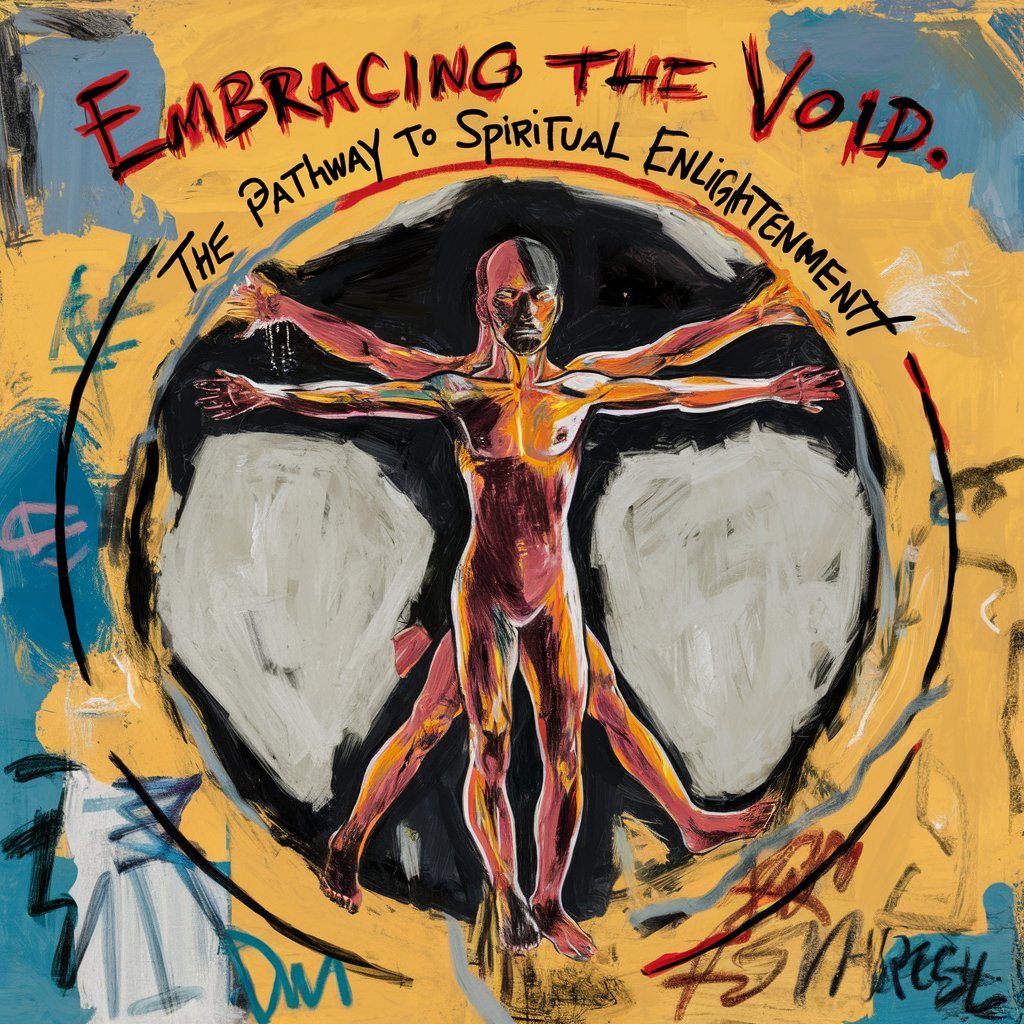
Embracing the Void

The Pathway to Spiritual Enlightenment

In the quest for spiritual enlightenment, a profound transformation beckons, one that requires an unyielding surrender of all that defines us. It is a journey beyond the tangible, beyond the confines of labels and identities that we cling to—our gender, nationality, race, ethnicity, and even our deepest desires and beliefs. This path demands an unparalleled relinquishment, a surrender not just to our inner selves but to the vast expanse of the universe and everything within it.

Enlightenment, in its truest essence, is not about acquiring something new or reaching a lofty destination. It’s about a subtle yet powerful realization: the shedding of layers, the unbecoming of what we thought we were. It’s a journey inward, where the cessation of our attachments reveals the luminous core of our existence.


Consider this: our identities, with all their complexities, are but constructs—narratives we’ve woven around our being. In the pursuit of enlightenment, these narratives unravel, revealing the simplicity and purity of our true nature. This process is not about loss; rather, it’s a rediscovery, a return to an unadulterated state of being where peace and understanding flourish.

Surrendering to the universe means accepting the impermanence and fluidity of all things. It’s an acknowledgment that our desires, beliefs, and even our strongest convictions are transient. In this acceptance lies the key to liberation—from the relentless cycle of desire and the illusion of separation.


Imagine a state where there is no ‘I’ or ‘mine,’ no clinging to personal histories or future aspirations. Here, in this boundless openness, lies the essence of nonduality—the profound understanding that we are not separate from the universe but an integral part of it. It’s a realization that the distinctions we make between ourselves and the world are illusory.

In this state of surrender, we become like the vast sky—expansive, serene, and untroubled by the transient clouds of thoughts and emotions. We experience life in its purest form, unfiltered and unobstructed by the narratives of the ego. This is the heart of spiritual enlightenment—a state of being that is in harmony with the universe, where the duality of self and other dissolves into a singular, boundless existence.


As seekers on this path, let us embrace this journey with an open heart and mind. Let us surrender to the flow of life, to the wisdom of the universe, and in doing so, discover the profound peace and understanding that lies within.

Morgan O. Smith

Yinnergy Meditation, Spiritual Life Coaching & My Book, Bodhi in the Brain…Available Now!

https://linktr.ee/morganosmith

Transcending the Mind

A Journey into the Realms of True Reality

In the labyrinth of human existence, there lies a profound truth that often remains hidden beneath layers of perception and thought: the essence of reality as it truly is, unfiltered and pure. This realization dawns only when the mind transcends its boundaries, stepping beyond the constraints of its conditioned patterns and habitual ways of thinking.

The mind, a magnificent tool for navigation in the physical world, is often shackled by its creations – thoughts, beliefs, and assumptions. These mental constructs, while useful, can also act as barriers, filtering and altering reality as it presents itself to us. The journey towards understanding true reality thus begins with a paradoxical task: using the mind to transcend the mind.

In this transcendence, one experiences a shift in perspective. What was once seen as absolute may reveal its relativity. The solid ground of ‘facts’ might turn into a dance of possibilities. This isn’t a disavowal of logic or reason, but an expansion of them. It’s an acknowledgment that reality, in its vastness, cannot be fully contained within the confines of human thought.

What emerges from this transcendental experience is a sense of profound connection. The boundaries that separate the self from the universe begin to blur. In this state, one doesn’t just observe reality; one becomes a part of it, engaged in a harmonious dance where the distinction between the observer and the observed diminishes. It’s a state where the ego dissolves, and in its place arises a sense of unity with all existence.

This journey is not about acquiring new knowledge but about unlearning what obstructs the vision of reality. It’s about silencing the incessant chatter of the mind to listen to the silence that speaks volumes. In this silence, reality reveals itself not as a concept to be grasped but as an experience to be lived.

As we embark on this journey of transcending the mind, we open ourselves to a reality that is more vivid, more alive, and infinitely more profound than our habitual ways of seeing can allow. It’s a journey from the illusion of knowing to the wisdom of understanding, from the confinement of the mind to the liberation of consciousness.

In this exploration, we find not just the essence of reality but also the essence of ourselves, as beings intrinsically connected to the vast, intricate tapestry of existence. We discover that in transcending the mind, we don’t lose ourselves; we find ourselves in everything.

Morgan O. Smith

Yinnergy Meditation, Spiritual Life Coaching & My Book, Bodhi in the Brain…Available Now!

https://linktr.ee/morganosmith