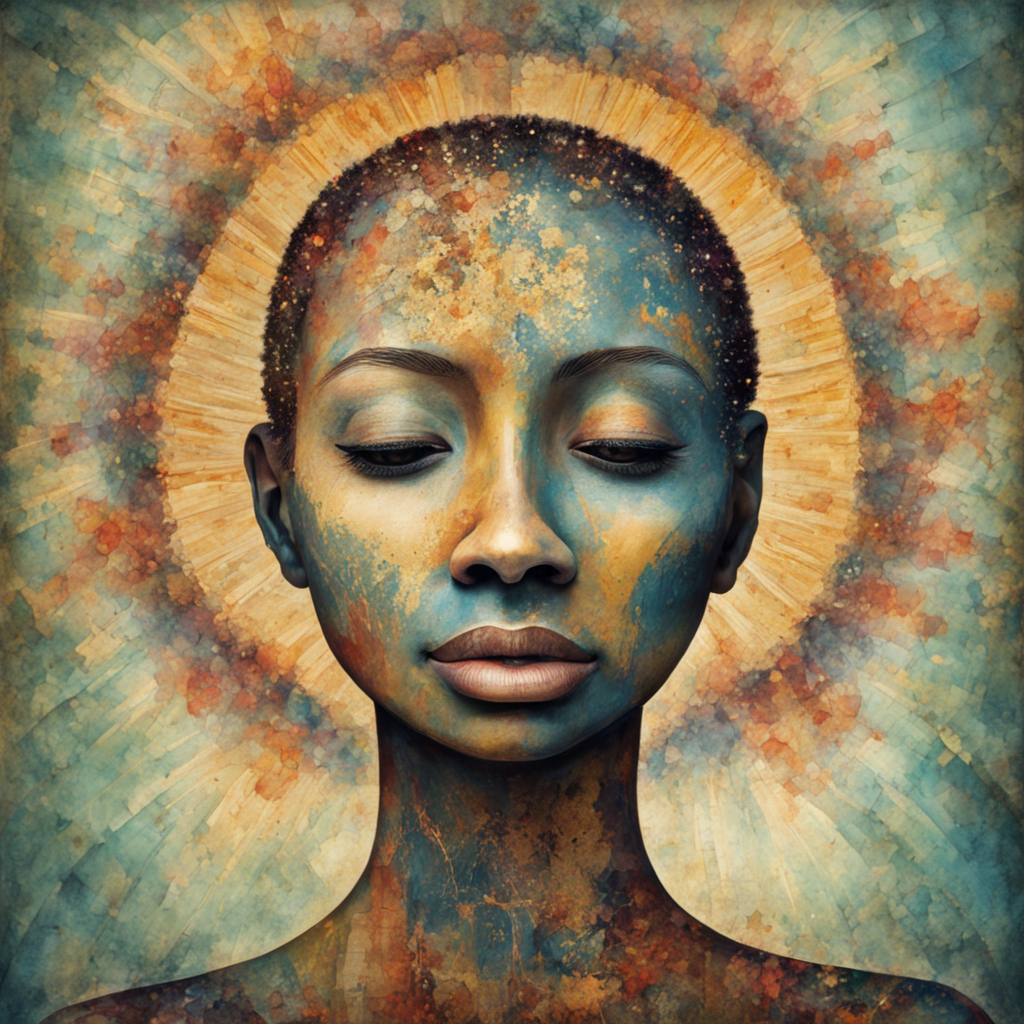
Finding True Happiness

Embracing the Wholeness of Emotions

Happiness, as it is often pursued, can feel like a fleeting dream—a constant chase for experiences that promise joy while running away from anything that feels uncomfortable. Yet, this pursuit can leave us fragmented, perpetually seeking and never arriving. The paradox of true happiness lies in the radical act of embracing all feelings, not just the pleasant ones.

Contentment is not the absence of discomfort; it is the presence of wholeness. Life offers a vast spectrum of emotions, each carrying its wisdom and significance. Joy and sorrow, hope and despair, love and fear—none exist in isolation. To deny one is to diminish the richness of the other. True happiness begins not when we suppress pain but fully meet it without resistance.

Imagine standing during a thunderstorm. Most would run for shelter, seeking safety from the discomfort of the rain. But what if, instead, you stood still, feeling the rain on your skin, hearing the rhythm of its fall, and witnessing its cleansing power? Embracing emotions is like this: a willingness to be with what is, not wishing it away but seeing its beauty and necessity.

When joy arises, celebrate it without clinging. When sadness visits, honour its presence without judgment. Anger, fear, excitement, and serenity all have their place in the dance of existence. Each emotion becomes a teacher, guiding us to deeper self-awareness and authenticity.

The secret is to observe emotions without becoming consumed by them. Like waves in the ocean, they rise and fall, but the essence of who we are—vast, still, and unshaken—remains constant. This shift in perspective transforms the way we experience life. Happiness is no longer a fleeting feeling tied to circumstances but an enduring sense of contentment rooted in presence.
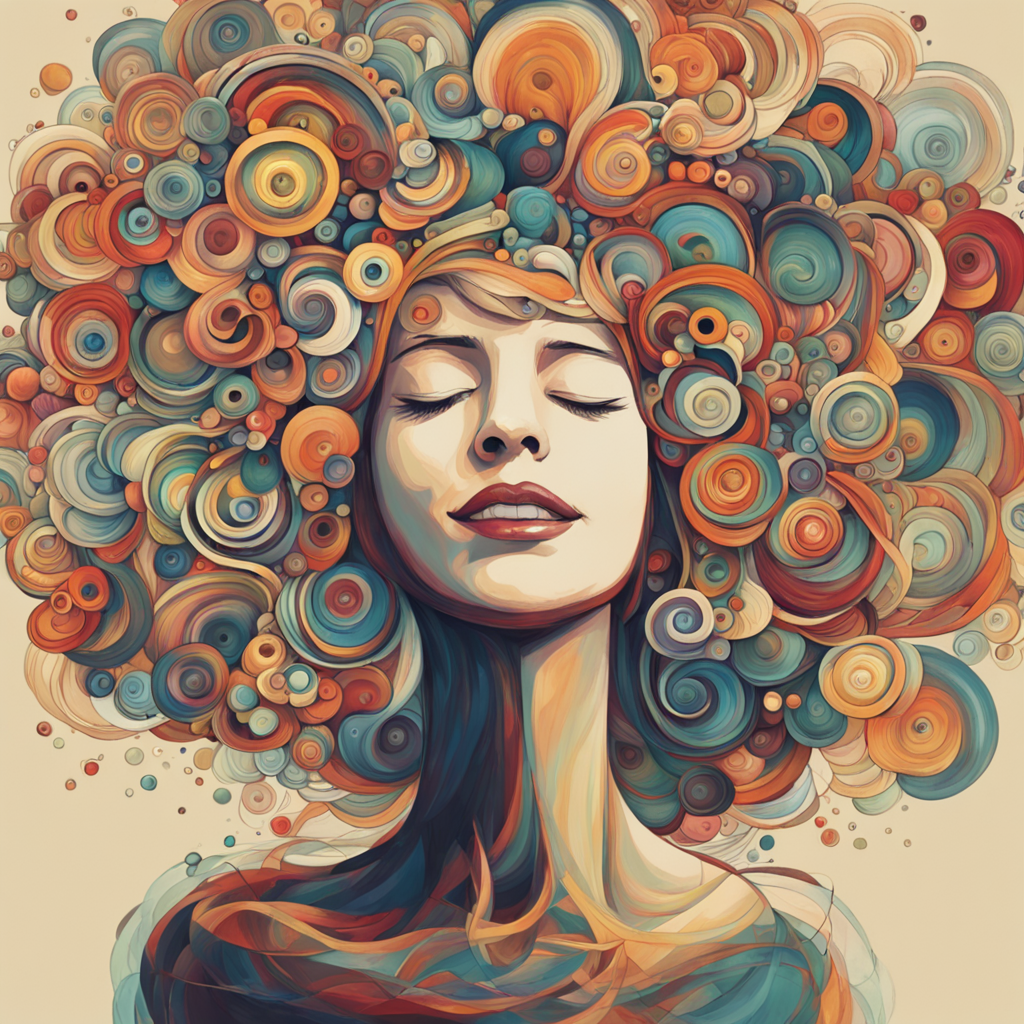
When we no longer resist the full range of our humanity, happiness is no longer conditional. It becomes a state of being that arises from accepting life as it is—unfiltered, raw, and real. In this acceptance, a profound peace unfolds, transcending temporary highs and lows.

The journey to true happiness begins by welcoming all parts of ourselves. In every moment, every feeling, and every breath, there is an invitation to return to wholeness.

Morgan O. Smith

Yinnergy Meditation, Spiritual Life Coaching & My Book, Bodhi in the Brain…Available Now!
https://linktr.ee/morganosmith

The Unseen Path to Happiness

Happiness often appears as a destination—something to be attained by seeking pleasurable experiences, avoiding pain, and curating external conditions. Yet, this pursuit can feel elusive, as if true happiness constantly moves just beyond reach. Perhaps this is because happiness isn’t found in the suppression or control of emotions, but in embracing them all as integral aspects of our human experience.

Emotions are often categorized as “positive” or “negative,” with joy, love, and excitement praised, while sadness, anger, and fear are seen as obstacles to overcome. However, this dualistic view creates resistance. Denying so-called negative emotions only magnifies their intensity, embedding them deeper within the psyche. True contentment arises not from avoiding discomfort but by fully experiencing and accepting it without judgment.

Imagine sitting with sorrow as you might with an old friend—acknowledging its presence, listening to its message, and recognizing its role in your life. Sadness, when embraced, transforms from an adversary into a teacher. It illuminates where attachments or unmet desires linger and invites you to release the illusion of control. Similarly, anger, when approached without suppression or overindulgence, becomes a fierce energy capable of clarifying boundaries and catalyzing change.

Contentment is not denying the human condition but a deep surrender to its unfolding. This surrender doesn’t mean passivity; it is an active engagement with the present moment. By welcoming all emotions, the inner landscape transforms. Happiness is no longer confined to fleeting highs but instead becomes an abiding state of being—anchored in equanimity, rooted in authenticity.

In this light, happiness is not the absence of pain but the profound realization that all emotions—joy and sorrow, peace and unrest—are sacred facets of existence. Each one offers an opportunity for growth, insight, and connection. To find contentment within them is to see life as whole, unbroken, and imperfect.

By sitting with your emotions and embracing their entirety, you awaken to the simple truth: happiness is not found in resisting life but in meeting it fully.

Morgan O. Smith

Yinnergy Meditation, Spiritual Life Coaching & My Book, Bodhi in the Brain…Available Now!
https://linktr.ee/morganosmith

The Essence of Expression

Unveiling the Human Experience

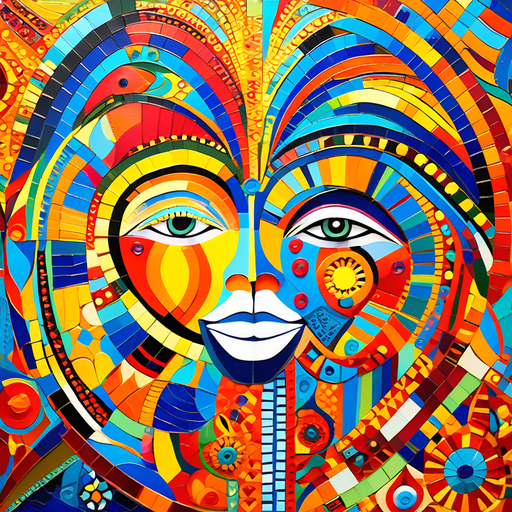
In the mosaic of human existence, expression stands as a crucial piece, interlocking with every aspect of our lives. To express is to be human; it is turning our inner world into something others can perceive, a bridge from the solitary island of self to the vast continent of shared experience. Yet, in a world increasingly shaped by digital interaction and fast-paced lifestyles, the art of genuine expression often seems at risk. This leads us to question: Is a human being who doesn’t express truly living the full spectrum of their humanity?

To understand this, we must first acknowledge that expression takes many forms – spoken words, written prose, the nuanced dance of facial expressions, the silent language of art, and the unspoken symphony of emotions. It’s not just about conveying information; it’s about sharing parts of our souls, joys, fears, hopes, and dreams. Expression is the window that lets others glimpse our innermost selves.

However, reluctance or inability to express can come from various places – societal norms deem certain emotions as weakness, personal insecurities, or even the fear of being misunderstood or judged. This suppression, whether conscious or unconscious, can lead to a life half-lived, a persona half-realized. It breeds loneliness, misunderstanding, and a gap between what is felt and what is shared.


The consequences of such restraint are significant. Psychologically, the inability to express can result in a build-up of stress, anxiety, and depression. Socially, it hampers the development of deep, meaningful relationships. On a broader scale, a society that stifles expression also stifles innovation, empathy, and progress.


In contrast, embracing expression in its various forms can be freeing. It promotes self-awareness and growth. It builds bridges of understanding and empathy among people. It fuels creativity and innovation. When we express ourselves, we not only affirm our humanity but also recognize and celebrate the humanity of others.


In conclusion, to express oneself is not just to be human; it is to engage in the human experience actively. It is through our shared expressions that we create a rich, vibrant mosaic of human connection, understanding, and coexistence. Let us, therefore, encourage and embrace expression in ourselves and others, for in doing so, we enrich not just our own lives, but the very essence of what it means to be human.

Morgan O. Smith

Yinnergy Meditation, Spiritual Life Coaching & My Book, Bodhi in the Brain…Available Now!
https://linktr.ee/morganosmith

Devils of Tasmania

Embracing Our Inner Demons

In the depths of our psyche lurks a hidden shame, explicit yet unacknowledged. We live most of our lives concealing our darker selves, fearing the part within capable of mass destruction and devoid of remorse. This fear drives us to repress these inner demons, to maintain the facade of our public persona, free from shame and disgrace.


Yet, these impulses, these inner monsters, are potent forces, akin to natural disasters. They are not acts of God but inherent parts of our being, capable of tearing down everything in their path. Their destructive nature is unchanging and inevitable. Our task is not to deny them but to accept and direct their fury toward crumbling edifices that lack a solid foundation.

These demons, if unchecked, can ruin lives. However, harnessed correctly, they have the power to demolish outdated beliefs and paradigms, shedding light on areas we need to confront and overcome. Their destructive capabilities allow us to rebuild from the ashes creatively. They give us a chance to construct anew – to erect buildings of thought and behaviour that are more resilient and robust than ever before.


Our distress over this destruction stems from our attachment to what we have built and our reluctance to accept the impermanence of all things. Only by acknowledging and embracing these internal devils can we truly liberate ourselves from their hold and transform their destructive power into a force for personal growth and renewal.

Morgan O. Smith

Yinnergy Meditation, Spiritual Life Coaching & My Book, Bodhi in the Brain…Available Now!

https://linktr.ee/morganosmith

The Harmonious Dance of Heart and Head

Unveiling the Balance in Spiritual Growth

In this episode “Bodhi in the Brain” on Guru Viking, a profound exploration of the interplay between the heart and the head in the realm of spiritual growth unfolds. The dialogue between host, Steve James, and me delves into the intrinsic balance that propels the journey of self-discovery and enlightenment.

The narrative posits that the journey toward spiritual growth is akin to a harmonious dance between the heart and the head. It’s not a path of choosing one over the other, but a path of embracing the unique essence and contribution of both. The heart, with its boundless capacity for love, compassion, and intuition, holds the keys to the realms of the unexplored, the unexpressed, and the unified. On the other hand, the head, with its analytical prowess, rationality, and discernment, provides the structure, clarity, and understanding essential for navigating the complex tapestry of existence.

The beauty of this dance lies in the seamless integration of the heart’s intuitive wisdom and the head’s analytical clarity. It’s about fostering a space where the heart and the head are not at odds, but in harmony, each complementing the other, leading to a holistic understanding of the self and the universe.

The dialogue invites us to reflect on the often overlooked balance between the emotional and the intellectual, the intuitive and the analytical. It’s a call to transcend the dualistic approach and step into a space of holistic understanding, where the heart and the head together illuminate the path toward spiritual growth.

This episode “Bodhi in the Brain” is a gateway into a realm where the harmonious dance of heart and head unveils the profound simplicity and beauty of spiritual growth. It’s a reminder that in the journey of self-discovery and enlightenment, the heart and the head are companions, each holding a piece of the puzzle, each illuminating a facet of the truth.

As we embark on this journey of integrating the heart and the head, we are stepping into a space of boundless exploration, where the wisdom of the heart and the clarity of the head together guide us toward the profound depths of spiritual growth.

Morgan O.  Smith

Watch Bodhi in the Brain, and previous episodes below:

Ep 220: Bodhi in the Brain

Welcome to Episode 220 of our enlightening series, where today we delve into a profound narrative titled “Bodhi in the Brain.” In this episode, we are joined by a spiritual seeker who shares his riveting journey towards higher consciousness. Through a blend of ancient wisdom and modern neuroscience, we explore the realms of mind and spirit, unveiling a path that bridges the tangible with the transcendental. Tune in as we navigate the intricate dance of existence, and uncover the serene space where the mind meets the infinite.


Ep 176: The Awakening of Mista Mo

Embark on a captivating expedition in Episode 176, “The Awakening of Mista Mo.” Today, we unravel the transformative journey of Mista Mo, a soul who found enlightenment in the most unexpected corners of life. His tale is one of resilience, discovery, and awakening to a higher calling amidst the cacophony of worldly chaos. As we traverse through his life’s chapters, we uncover pearls of wisdom that beckon a deeper understanding of self and the universe. Join us in this stirring narrative that echoes the eternal quest for inner peace and enlightenment.


Ep 195: Enlightened Comedian

Laughter is often said to be a divine gift, but can it also be a gateway to a deeper understanding of our existence? In Episode 195, titled “Enlightened Comedian,” we explore the whimsical yet profound journey of a comedian whose quest for laughter led him to the shores of enlightenment. Through a tapestry of humour, insight, and spiritual awakening, we delve into the heart of a narrative that celebrates the confluence of comedy and consciousness. Tune in to this heartwarming episode as we unravel the laughter-laden path to self-realization and the profound wisdom that accompanies it.


🔗 For those yearning for a transformative meditative experience or eager to delve into the philosophical depth of “Bodhi in the Brain”, the gateway awaits https://linktr.ee/morganosmith A friendly reminder for seekers everywhere: Guru Viking continues to unfurl wisdom every Friday on YouTube. Enrich your spiritual palette on Apple, SoundCloud, and Spotify as well. https://www.guruviking.com/

Yinnergy Meditation & My Book, Bodhi in the Brain…Available Now!
https://linktr.ee/morganosmith

Exploring the Emotional Spectrum

A Journey Through Plutchik’s Wheel and the Hindu Subtle Body

Introduction

The exploration of human emotion transcends disciplines, cultures, and time. From psychological models such as Plutchik’s Wheel of Emotions to the spiritual teachings within Hinduism concerning the subtle body, the pursuit to understand our emotional selves is as complex as it is enriching. This blog post takes a deep dive into these seemingly disparate concepts, examining the intersection of emotion, spirituality, and subtle awakening.

Plutchik’s Wheel of Emotions

Plutchik’s model identifies eight basic emotions:

1. **Joy** – A sense of happiness and fulfillment.
2. **Trust** – Confidence in something or someone.
3. **Fear** – A response to perceived danger or threat.
4. **Surprise** – A reaction to the unexpected.
5. **Sadness** – A feeling of loss or despair.
6. **Disgust** – A strong aversion or repulsion.
7. **Anger** – A reaction to perceived wrong or injustice.
8. **Anticipation** – Expectation or excitement for what’s to come.

These primary emotions combine to form complex emotions and are mapped in a way that each emotion has an opposite.

The Emotional Subtle Body in Hinduism

Hindu philosophy introduces the concept of the subtle body, an intricate and vital part of our spiritual being, separate from the physical body. Comprised of the mind (Manas), intellect (Buddhi), ego (Ahamkara), and conditioned consciousness (Chitta), the subtle body is responsible for our thoughts, emotions, and consciousness.

Connecting the Dots: Emotions and the Subtle Body

The profound connection between Plutchik’s emotional spectrum and the emotional subtle body within Hinduism lies in the universality of emotions and the depth of human experience. Here’s a breakdown:

– **Joy & Trust**: These positive emotions align with spiritual awakening and the cultivation of inner peace and compassion, reflecting a higher level of consciousness.

– **Fear & Anger**: These emotions can be linked to spiritual blocks or ignorance (Avidya) within Hinduism, which hampers spiritual growth.

– **Surprise & Anticipation**: These emotions speak to our deep connection with the universe and the ever-changing nature of life, echoing the Hindu belief in the transient nature of our physical existence.

– **Sadness & Disgust**: Often seen as negative emotions, they can be channels for growth and understanding of the self, mirroring the Hindu concept of Dharma or righteous living.

Conclusion: Emotions as Pathways to Spiritual Awakening


The emotional spectrum is not merely a psychological construct but a spiritual pathway. By understanding emotions through the lens of both Plutchik’s model and Hindu philosophy, we can embark on a journey toward subtle spiritual awakening.

The nuances of emotions, their combinations, and their reflections within the emotional subtle body offer us tools to navigate our spiritual paths. The profound connection between these concepts suggests that our emotions are not transient or superficial but deeply entwined with our very essence.

This exploration encourages us to recognize emotions as more than reactions to the world around us. They are signposts guiding us toward self-realization and a deeper connection with the divine within.

Morgan O. Smith

Yinnergy Meditation & My Book, Bodhi in the Brain…Available Now!

https://linktr.ee/morganosmith

The Integral Journey

Growing Up, Waking Up, Cleaning Up, and Showing Up – A Holistic Approach to Personal Development

Introduction:
In the pursuit of personal growth and self-improvement, it is essential to adopt a holistic approach that encompasses various dimensions of our being. Drawing inspiration from Integral Theory, which offers a comprehensive framework for understanding human development, we explore the significance of four interconnected aspects: growing up, waking up, cleaning up, and showing up. Just as focusing solely on arm development in bodybuilding would lead to an imbalanced physique, neglecting any of these dimensions can leave us lopsided, imbalanced, or incomplete in our personal evolution.

1. Growing Up: Strengthening the Foundation
Growing up refers to the process of psychological and emotional maturation, moving from egocentric to ethnocentric and ultimately to world-centric perspectives. Just as a solid foundation is crucial for a balanced physique, growing up establishes the groundwork for our personal growth. It involves developing self-awareness, emotional intelligence, and social skills. Without this dimension, we may struggle to navigate relationships and fail to comprehend the broader context in which our lives unfold.

2. Waking Up: Expanding Consciousness

Waking up signifies the transcendence of limited egoic identification and the realization of our true nature. It involves cultivating mindfulness, spiritual awareness, and insight into the nature of reality. In bodybuilding terms, waking up is akin to expanding the mind-muscle connection, allowing us to tap into hidden potential and experience a heightened sense of being. Neglecting this dimension can result in a lack of purpose, spiritual disconnect, or a failure to appreciate the interconnectedness of all things.

3. Cleaning Up: Healing and Integration

Cleaning up involves acknowledging and addressing our personal shadow, unresolved traumas, and subconscious patterns. It entails embarking on a journey of self-reflection, therapy, or other healing modalities to integrate fragmented aspects of ourselves. In bodybuilding, cleaning up corresponds to maintaining overall bodily health, addressing muscle imbalances, and preventing injuries. Ignoring this aspect can lead to recurring emotional challenges, self-sabotage, or a sense of being held back by unresolved issues.

4. Showing Up: Authentic Action in the World
Showing up refers to actively participating and contributing to the world around us, aligned with our values and purpose. It involves expressing our unique gifts, making a difference, and living a life of authenticity. In bodybuilding, showing up corresponds to showcasing our developed muscles on stage, embodying the results of our efforts. Neglecting this aspect may result in a lack of fulfillment, a sense of disconnection from our true passions, or a failure to make a meaningful impact.

Conclusion:
Just as a bodybuilder strives for a balanced physique by developing all muscle groups, a comprehensive approach to personal development is vital for a holistic and fulfilling life. By embracing the principles of growing up, waking up, cleaning up, and showing up, as outlined by Integral Theory, we invite a transformative journey that nurtures our physical, mental, emotional, and spiritual dimensions. Only by cultivating these interconnected aspects can we achieve true harmony, fulfillment, and a well-rounded evolution toward our highest potential.

Morgan O. Smith

Yinnergy Meditation & My Book, Bodhi in the Brain…Available Now!

https://linktr.ee/morganosmith