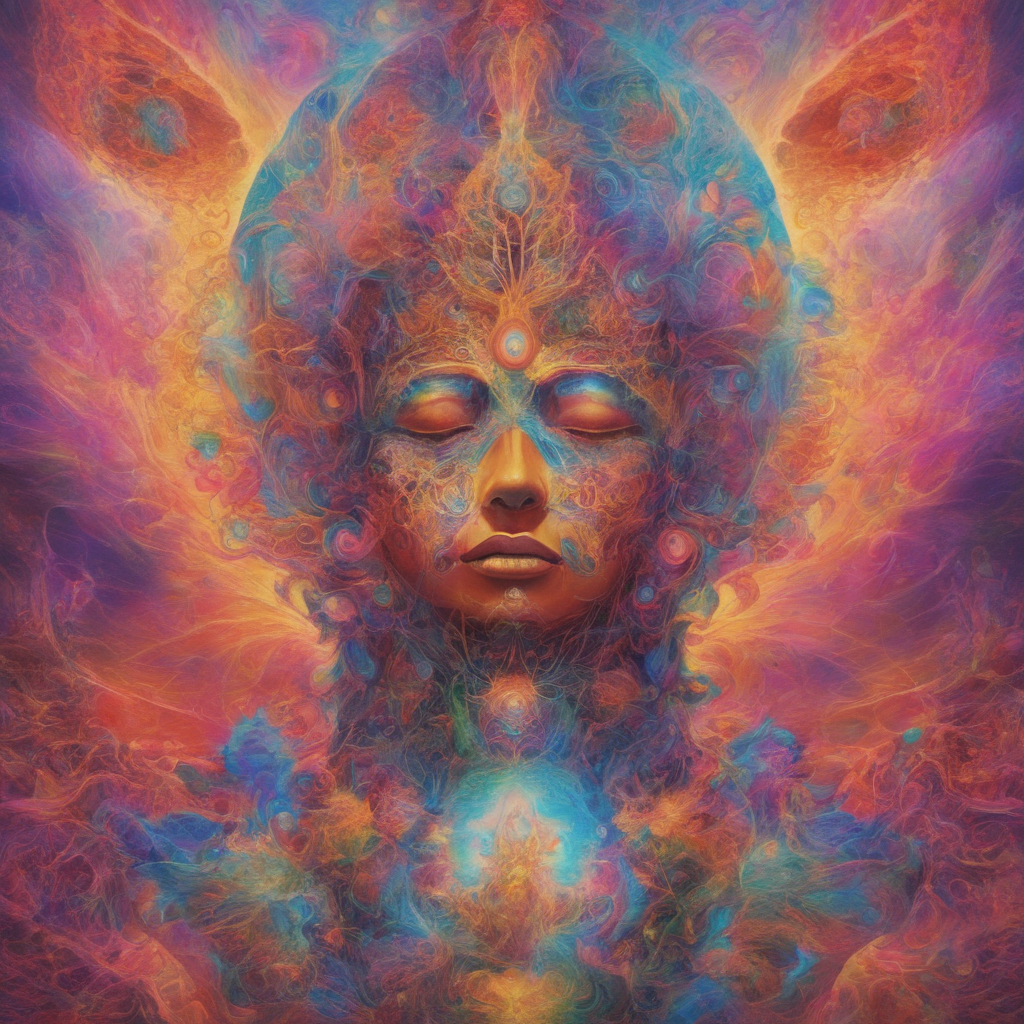
Embracing the Paradox

The Divine Symphony of Pain and Pleasure

In the intricate dance of existence, where the lines between the divine and the mundane blur, we encounter a profound paradox that challenges our understanding of life, suffering, and bliss. This paradox lies in the realization that the essence of divinity, or what we might call ‘God’, permeates every aspect of our reality. God is not merely a distant observer or a creator apart from creation but is intimately woven into the fabric of everything that exists. In this realization, we find that God embodies every nuance of existence—every thought, every feeling, every interaction. This divine presence is both the creator and the creation, the experiencer and the experience, and the observer and the observed.

The notion that God experiences pain, and is continually afflicted by it, yet remains unaffected, presents a compelling exploration into the nature of divinity and existence. It suggests that within the divine consciousness, there exists a capacity to encompass all dualities—pain and pleasure, creation and destruction, life and death—without being limited by them. This capacity is not a contradiction but a testament to the boundless nature of the divine. It is within this boundless nature that we find the freedom to experience the full spectrum of existence without attachment, recognizing that pain and pleasure are not opposites but expressions of the same fundamental reality.


The idea that realizing one’s identity as God brings about a deeper experience of pain, yet also a profound experience of pleasure, illuminates the path of spiritual awakening as one of embracing all facets of existence. This awakening is not a transcendence that denies pain or seeks only bliss but an acceptance of the inherent duality of life as expressions of the divine. In this acceptance, we find that pain and pleasure, sorrow and joy, do not merely experience to be endured or sought after but are avenues through which the divine essence reveals itself.

The narrative that God manifests everything into existence to experience the opposite of itself, which always was The Self, invites us into a contemplation of the purpose of creation. It suggests that the unfolding of the universe is a divine play, a cosmic exploration of self-discovery, where every moment of existence is a death and rebirth of the Self. This continual cycle of creation and dissolution, of experiencing all facets of existence, is not a journey towards an end but an eternal expression of the divine nature.
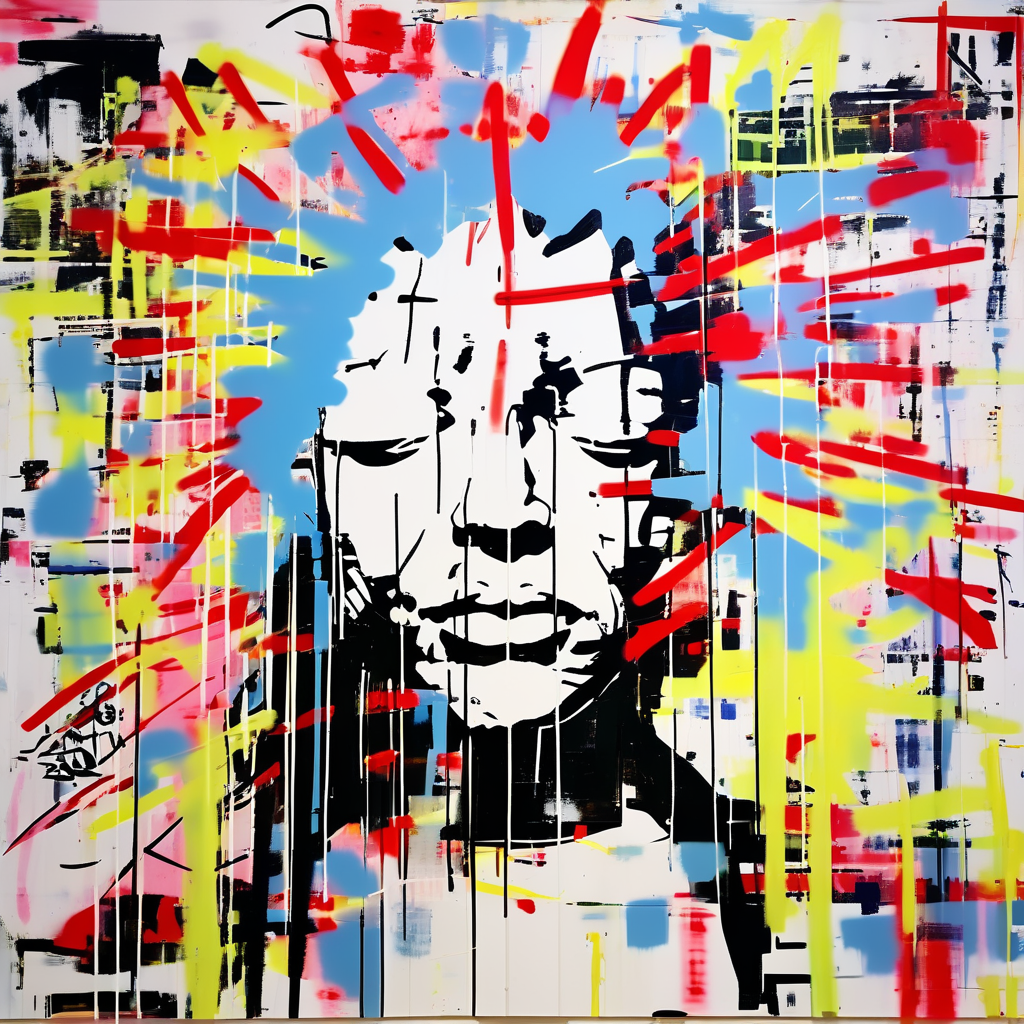

At the heart of this exploration is the understanding that harm, pain, and suffering are integral to the wholeness of existence. To remove them would be to deny the completeness of the divine experience. Yet, in the ultimate realization, we find that the divine essence, the core of our being, transcends the concepts of life and death, pain and pleasure. This essence cannot perish, for it is beyond all dualities, yet it chooses to engage with these dualities as expressions of its infinite potential.

This profound paradox challenges us to look beyond the surface of our experiences and recognize the divine essence within all aspects of existence. It invites us to embrace the complexity of life, to find beauty in the pain, and to see the divine play in every moment. In doing so, we open ourselves to a deeper understanding of our nature and the nature of reality, where pain and pleasure are not merely experiences to be judged but are sacred expressions of the divine dance of existence.

Morgan O. Smith

Yinnergy Meditation, Spiritual Life Coaching & My Book, Bodhi in the Brain…Available Now!

https://linktr.ee/morganosmith
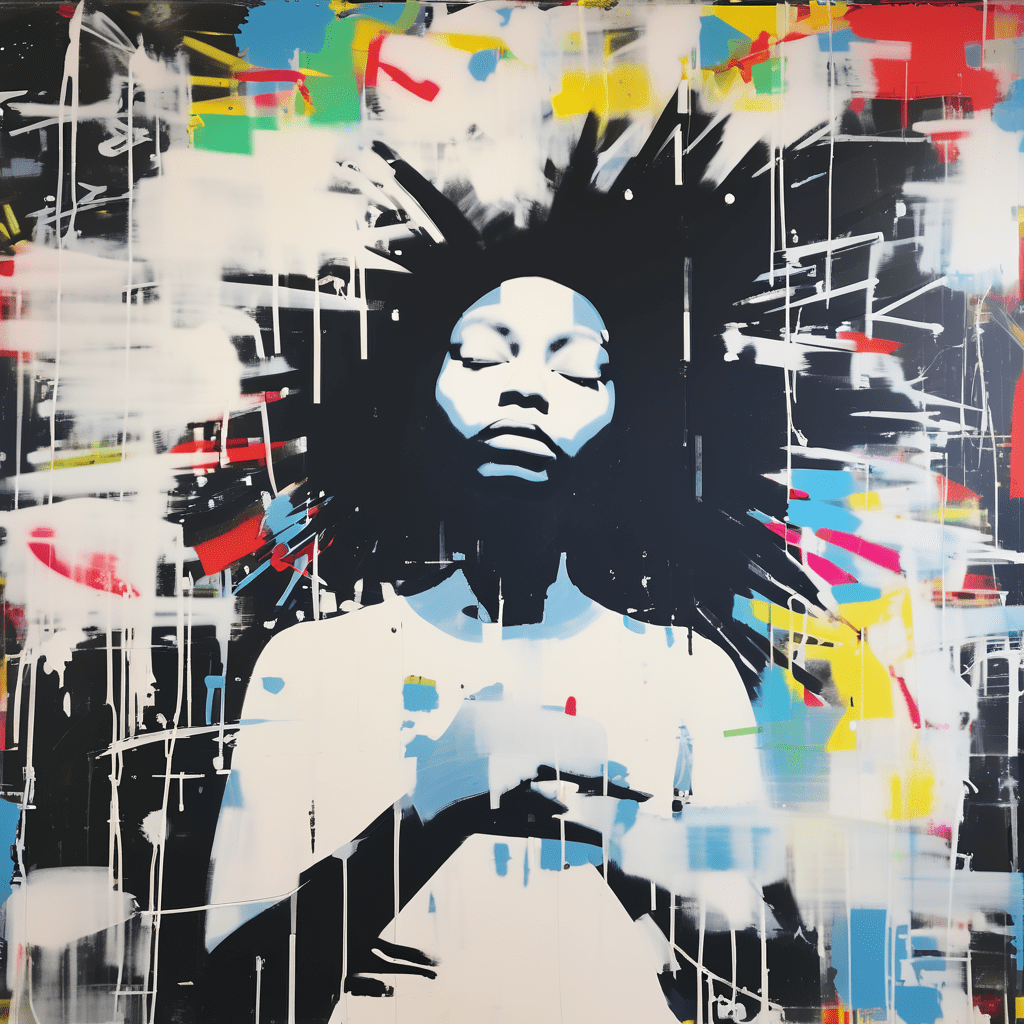
Beyond the Boundaries of Existence

A Journey into the Heart of Nonduality

In spiritual exploration and philosophical inquiry, one often confronts the paradox of being simultaneously intertwined with and transcendent of the universe. This intricate dance of existence nudges us to delve deeper into the essence of what it means to be truly alive, transcending the mere fabric of being.

At the core of this exploration lies the profound principle of nonduality. Nonduality whispers to us a truth that is often overlooked: the realization that the observer and the observed are not separate entities, but are intrinsically one. This notion challenges us to look beyond the conventional dichotomies of inside and outside, above and below, self and other.

Imagine standing at the edge of a vast ocean. The water stretches out infinitely, touching the horizon where sky and sea appear to merge. In this moment, are you separate from the scene before you, or are you a part of this grand spectacle? Nonduality invites us to consider that we are both the observer of the ocean and the ocean itself. Our consciousness is not just within us; it extends to the furthest reaches of the cosmos and is intertwined with the very essence of all that exists.


This perspective opens the doors to an enlightened understanding of our place in the universe. It is not a place of hierarchy, of being above or below anything, but a state of profound interconnectedness. Here, the concept of ‘self’ expands and dissolves into the vastness of all existence. In this state, we realize that we are not just within the universe; we are the universe.

Such an awakening is not an escape from reality, but a deeper immersion. It invites us to engage with the world not as separate entities fighting for survival, but as expressions of a singular, boundless existence. It encourages us to embrace compassion and empathy, recognizing that in harming another, we harm ourselves; in loving another, we love ourselves.

This journey into the heart of nonduality is not a path of passive observation. It is an active engagement with life, a challenge to dissolve the barriers we have built within ourselves. As we embrace this path, we begin to see the world not as a place of division and conflict, but as a canvas of unity and harmony.


In conclusion, the philosophy of nonduality offers us a lens through which we can view ourselves and the world in a radically different light. It challenges us to go beyond the superficial layers of existence and to recognize the profound interconnectedness of all things. As we embark on this journey, we find that we are not merely below, within, without, above, or beyond all things. We are all these things and more; we are the infinite dance of existence itself.

Morgan O. Smith

Yinnergy Meditation, Spiritual Life Coaching & My Book, Bodhi in the Brain…Available Now!

https://linktr.ee/morganosmith
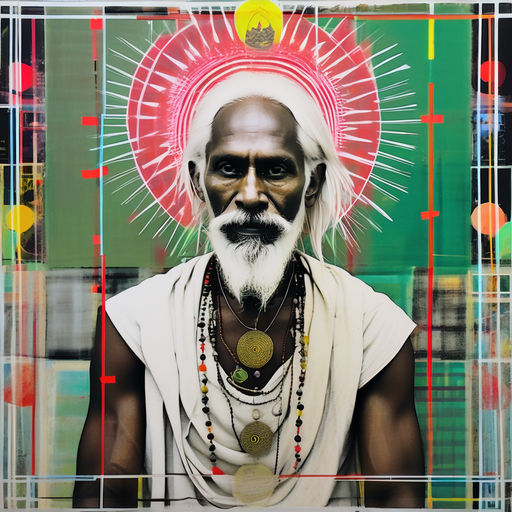
The Essence of Spirituality

A Human Creation

In a world teeming with diverse beliefs and practices, spirituality often emerges as a beacon, guiding individuals through the complexities of existence. Interestingly, despite its profound impact on human culture and thought, spirituality itself is a concept birthed and nurtured by humankind. This realization leads us down a fascinating path, exploring the intricate relationship between human perception and spiritual constructs.

Spirituality is an individual’s journey toward understanding and connecting with something greater than oneself. It transcends the physical realm, reaching the depths of human emotion and thought. This journey is deeply personal, yet it is undeniably shaped by the cultural and social environment in which one is immersed. The rituals, beliefs, and practices that define spirituality for one person may differ vastly from those of another, yet each is a reflection of the human desire to seek meaning beyond the tangible world.


The notion that spirituality is a man-made construct does not diminish its significance or value. Rather, it highlights the incredible capacity of the human mind to seek and create meaning. This construct serves as a mirror, reflecting our deepest fears, hopes, and questions. Through spirituality, we grapple with the mysteries of existence, and in doing so, we engage in a process of self-discovery and growth.

Furthermore, the evolution of spiritual practices and beliefs over time is a testament to the dynamic nature of human thought. As our understanding of the world changes, so too do our spiritual beliefs. This fluidity is not a weakness but a strength, showcasing our ability to adapt and find solace in an ever-changing world.


In conclusion, recognizing spirituality as a human construct invites us to explore the depths of our minds and hearts. It challenges us to question, reflect, and grow as we navigate the journey of life. By embracing this perspective, we open ourselves to a deeper understanding of not only spirituality but also the human condition.

Morgan O. Smith

Yinnergy Meditation, Spiritual Life Coaching & My Book, Bodhi in the Brain…Available Now!

https://linktr.ee/morganosmith
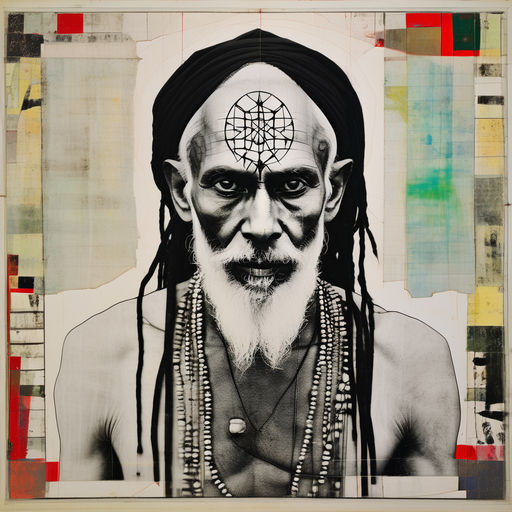
Ego Death

A Symphony of Sense and Surrender into the Nondual Existence

The ego, a fortress of our individuality, a custodian of our senses, crumbles during a profound psychological event termed ego death. This process, which is akin to crossing the Rubicon of our minds, signifies the temporary dissolution of our self-identity, the fading of our senses, and the surfacing of a cosmic oneness often linked to deep meditative states, transcendental experiences, or psychedelic journeys.

Neurologically, ego death presents an intriguing event. Our brain’s default mode network (DMN), which curates our self-narrative and sets us apart from others, shows a marked decrease in activity. We can compare it to a maestro leaving the stage, silencing the orchestra of our everyday consciousness that incessantly plays symphonies of thoughts, memories, and future projections.

In the ensuing stillness, our senses embark on an incredible transformation. The self-nonself dichotomy wavers, and feelings of oneness and interconnectedness seep in.

The conventional five senses, along with lesser-known ones such as proprioception (spatial orientation of our body parts), and thermoception (sense of temperature), recede, rendering the self imperceptible. Even the sense of agency – the consciousness of controlling one’s actions – seems to dissolve.

In place of the sensory absence comes the phenomena of nonduality – the essence of existence, unblemished by ego-driven distortions. Here, the biological reality of our senses converges with an intense metaphysical experience.

Kundalini rising – a sensation akin to a large serpent ascending the spine, activating each energy center or ‘chakra’ – might manifest in this transformative journey. Biologically, it could be perceived as a surge in nervous energy influencing neural circuits, engendering a radical alteration in perception.

The dissolution of our sense of time – chronoception – engulfs us in a timeless realm. Our sense of spatial orientation capitulates, inducing a feeling of non-locality, a state where one’s existence feels omnipresent.

This whole process might seem like an experiential validation of ‘absolute monism’ – a philosophical school of thought propounding the universe’s oneness, discrediting any duality between the individual and the world.

Yet, ego death is not an end; it’s a transformative beginning. The insights gleaned about the interconnectedness of all life forms and the illusory separateness sculpted by our ego can significantly reshape our lives.

From a wider perspective, ego death can be seen as a philosophical odyssey leading to an experiential understanding of consciousness, the essence of selfhood, and the nature of reality. The unravelling of our senses and ego sheds light on our inherent unity, nurturing a profound sense of compassion that percolates into every aspect of our existence.

Ego death’s exploration and its impact on our senses offer an avenue to challenge our conventional ways of perceiving, question our established sense of being, and dive deeper into the mysteries of our inner and outer universe. It’s not merely a psychological event but a spiritual expedition and a philosophical exploration that propels us toward a truer understanding of existence.

Morgan O. Smith

Yinnergy Meditation & My Book, Bodhi in the Brain…Available Now!

https://linktr.ee/morganosmith