Finding True Happiness

Embracing the Wholeness of Emotions

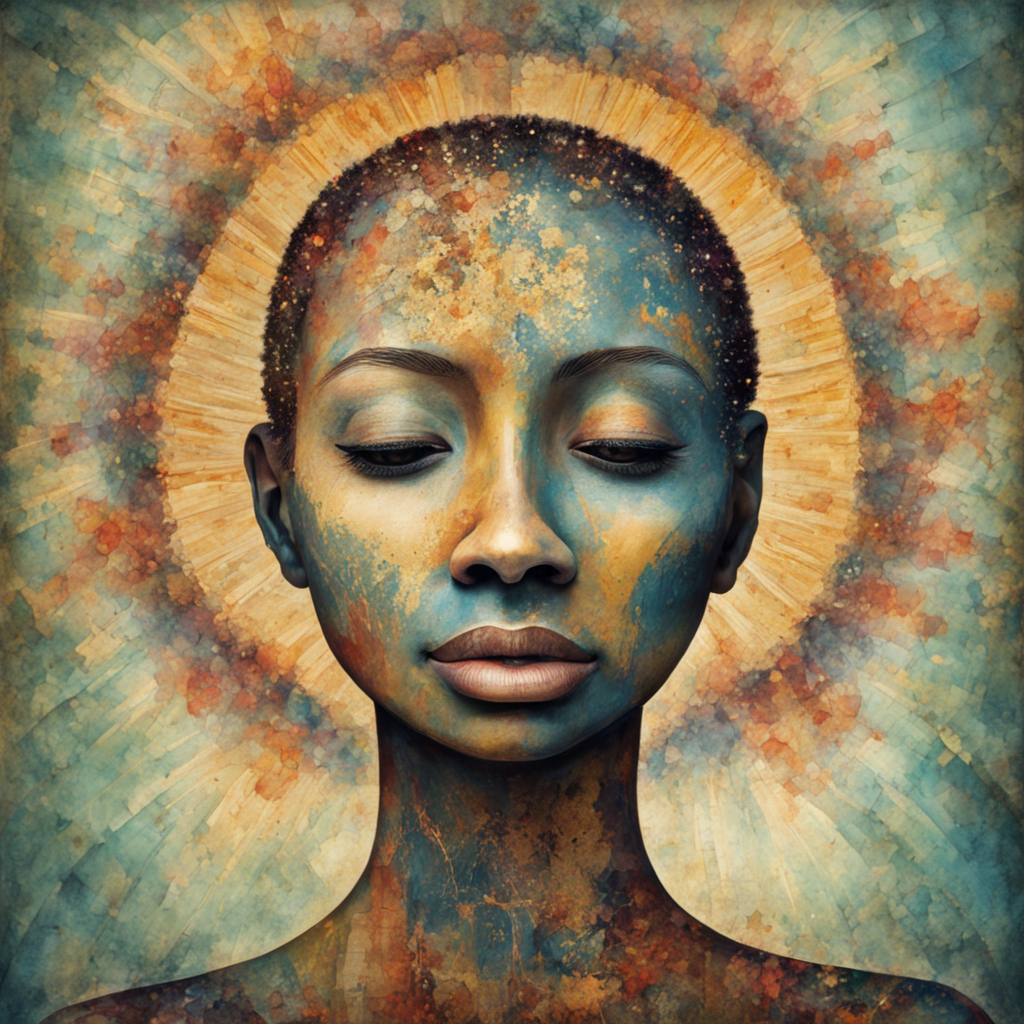
Happiness, as it is often pursued, can feel like a fleeting dream—a constant chase for experiences that promise joy while running away from anything that feels uncomfortable. Yet, this pursuit can leave us fragmented, perpetually seeking and never arriving. The paradox of true happiness lies in the radical act of embracing all feelings, not just the pleasant ones.

Contentment is not the absence of discomfort; it is the presence of wholeness. Life offers a vast spectrum of emotions, each carrying its wisdom and significance. Joy and sorrow, hope and despair, love and fear—none exist in isolation. To deny one is to diminish the richness of the other. True happiness begins not when we suppress pain but fully meet it without resistance.

Imagine standing during a thunderstorm. Most would run for shelter, seeking safety from the discomfort of the rain. But what if, instead, you stood still, feeling the rain on your skin, hearing the rhythm of its fall, and witnessing its cleansing power? Embracing emotions is like this: a willingness to be with what is, not wishing it away but seeing its beauty and necessity.

When joy arises, celebrate it without clinging. When sadness visits, honour its presence without judgment. Anger, fear, excitement, and serenity all have their place in the dance of existence. Each emotion becomes a teacher, guiding us to deeper self-awareness and authenticity.

The secret is to observe emotions without becoming consumed by them. Like waves in the ocean, they rise and fall, but the essence of who we are—vast, still, and unshaken—remains constant. This shift in perspective transforms the way we experience life. Happiness is no longer a fleeting feeling tied to circumstances but an enduring sense of contentment rooted in presence.

When we no longer resist the full range of our humanity, happiness is no longer conditional. It becomes a state of being that arises from accepting life as it is—unfiltered, raw, and real. In this acceptance, a profound peace unfolds, transcending temporary highs and lows.

The journey to true happiness begins by welcoming all parts of ourselves. In every moment, every feeling, and every breath, there is an invitation to return to wholeness.

Morgan O. Smith

Yinnergy Meditation, Spiritual Life Coaching & My Book, Bodhi in the Brain…Available Now!

https://linktr.ee/morganosmith

The Unseen Path to Happiness

Happiness often appears as a destination—something to be attained by seeking pleasurable experiences, avoiding pain, and curating external conditions. Yet, this pursuit can feel elusive, as if true happiness constantly moves just beyond reach. Perhaps this is because happiness isn’t found in the suppression or control of emotions, but in embracing them all as integral aspects of our human experience.

Emotions are often categorized as “positive” or “negative,” with joy, love, and excitement praised, while sadness, anger, and fear are seen as obstacles to overcome. However, this dualistic view creates resistance. Denying so-called negative emotions only magnifies their intensity, embedding them deeper within the psyche. True contentment arises not from avoiding discomfort but by fully experiencing and accepting it without judgment.

Imagine sitting with sorrow as you might with an old friend—acknowledging its presence, listening to its message, and recognizing its role in your life. Sadness, when embraced, transforms from an adversary into a teacher. It illuminates where attachments or unmet desires linger and invites you to release the illusion of control. Similarly, anger, when approached without suppression or overindulgence, becomes a fierce energy capable of clarifying boundaries and catalyzing change.

Contentment is not denying the human condition but a deep surrender to its unfolding. This surrender doesn’t mean passivity; it is an active engagement with the present moment. By welcoming all emotions, the inner landscape transforms. Happiness is no longer confined to fleeting highs but instead becomes an abiding state of being—anchored in equanimity, rooted in authenticity.

In this light, happiness is not the absence of pain but the profound realization that all emotions—joy and sorrow, peace and unrest—are sacred facets of existence. Each one offers an opportunity for growth, insight, and connection. To find contentment within them is to see life as whole, unbroken, and imperfect.

By sitting with your emotions and embracing their entirety, you awaken to the simple truth: happiness is not found in resisting life but in meeting it fully.

Morgan O. Smith

Yinnergy Meditation, Spiritual Life Coaching & My Book, Bodhi in the Brain…Available Now!
https://linktr.ee/morganosmith

Satcitananda

The Voyage from Happiness to Bliss

In the pursuit of well-being, human beings have often conflated happiness with bliss, treating them as interchangeable states. However, the ancient concept of Satcitananda, a Sanskrit term embodying the essence of ultimate reality offers a profound distinction between these two.

Happiness is a fleeting emotion, a reaction to external stimuli, tethered to the temporal and the material. It is as changeable as the weather, reliant on circumstances, people, possessions, and places. Happiness is the surface-level response to life’s favourable events and acquisitions, tied to the sensory and the transient.

Bliss, or Ananda, in contrast, represents a state beyond the physical or emotional. It is not contingent on the external but is the intrinsic nature of being, untouched by the vicissitudes of life’s ever-changing landscape. Bliss is the deep, unshakable contentment that comes not from what happens to us but from what we are at our core. It is a realization of one’s true nature, a state of being where one exists in complete harmony with the universe.

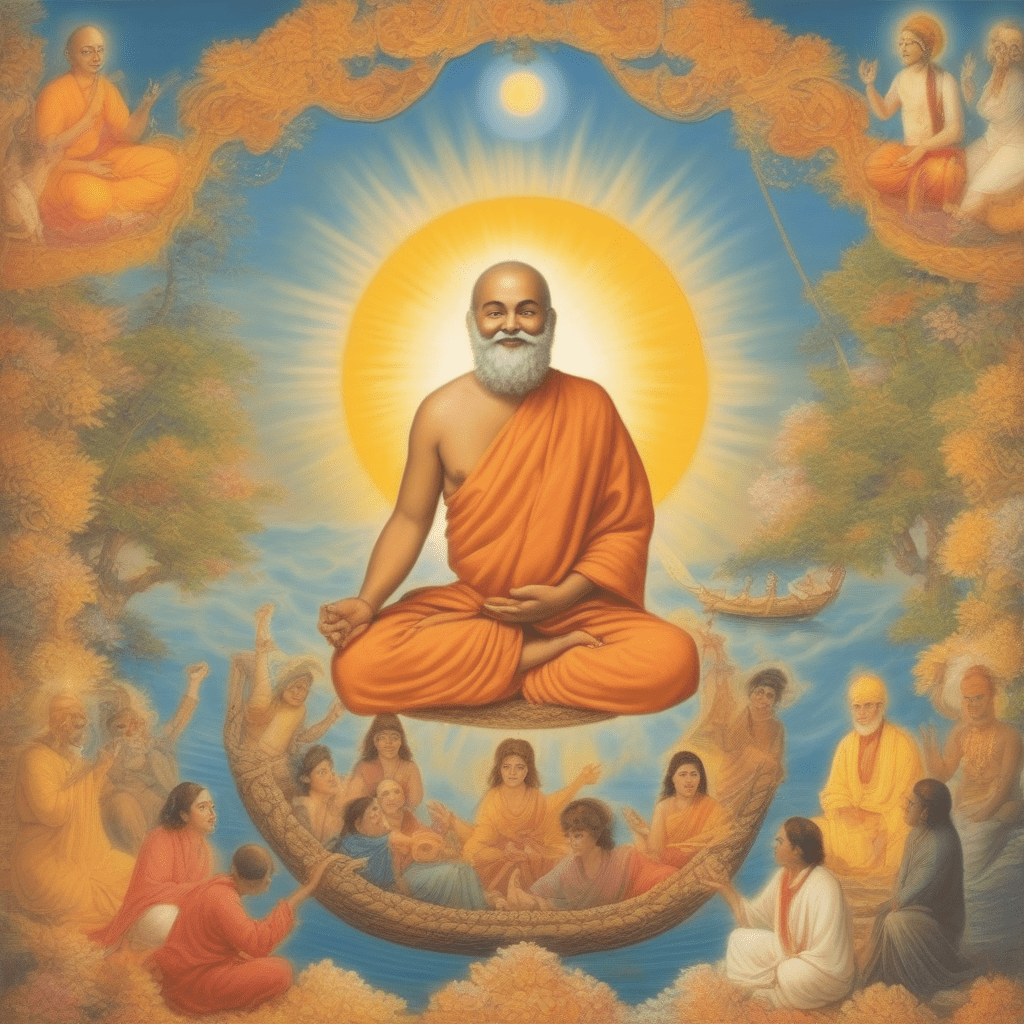
Satcitananda breaks down into ‘Sat’, ‘Chit’, and ‘Ananda’. ‘Sat’ refers to truth or existence itself, ‘Chit’ to consciousness or knowledge, and ‘Ananda’ to bliss. These are not mere attributes but the very fabric of the ultimate reality, the Brahman. To realize Satcitananda is to awaken to the truth that our own deepest self is not separate from this reality.

The journey from happiness to bliss is a transformational process of expanding one’s understanding from the finite to the infinite, from a state of doing to a state of being. Where happiness might be thought of as a single note in a symphony, bliss is the symphony itself. It is the silent space between notes, as integral to the music as the sound, offering a depth that is both immanent and transcendent.

To chase happiness is to chase the shadows of what we believe we lack, while to embrace bliss is to step into the light of our divine nature, which lacks nothing. It is a shift from seeking satisfaction from the external world to discovering the inexhaustible joy within.

In Satcitananda, one finds the key to unlocking a truth that spiritual traditions have whispered for millennia: that what we seek outside has always been within. As we navigate the shifting tides of life, the realization that we are not merely chasing fleeting happiness but are embodiments of eternal bliss can transform our entire way of being.

Thus, Satcitananda is not merely a philosophical concept; it is an invitation to a way of life, a reminder that beneath the ephemeral dance of happiness and sorrow lies a profound peace and joy, waiting to be realized.

Morgan O.  Smith

Yinnergy Meditation & My Book, Bodhi in the Brain…Available Now!

https://linktr.ee/morganosmith