
In the realm of philosophy, the concepts of “the ground of all beings” and “the ground of all being” often emerge as central themes in discussions about existence, consciousness, and the nature of reality. These concepts, while seemingly similar, offer distinct perspectives on how we understand the universe and our place within it.
**The Ground of All Beings**
“The ground of all beings” refers to the idea that the foundation of reality is the multitude of individual entities that exist. This perspective sees the universe as a collection of distinct beings, each with its essence and characteristics. According to this view, the diversity of objects, organisms, and entities contributes to the fabric of reality. It emphasizes plurality, acknowledging the unique qualities and experiences of each being. This approach often aligns with perspectives that value individuality and the richness that comes from varied existences.
**The Ground of All Being**
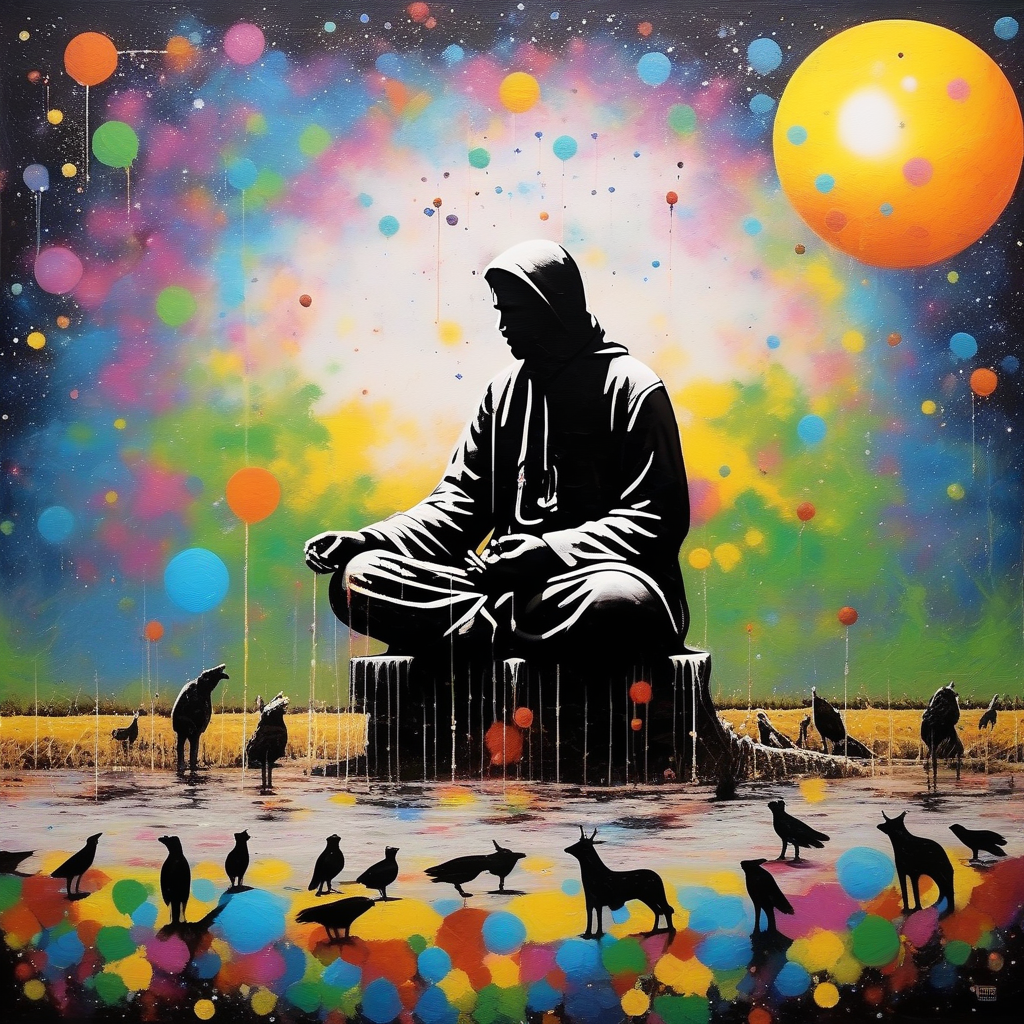
On the other hand, “the ground of all being” suggests a more unified view of existence. Here, the focus is on the underlying reality that connects all things, rather than the things themselves. This concept points to a fundamental source or essence that underpins everything. It’s often associated with ideas of oneness or the belief in a universal substance or consciousness that permeates all. This perspective is prominent in various spiritual and metaphysical beliefs, where the unity of existence is emphasized over individual differences.
**Philosophical Implications**
The debate between these two views is significant in philosophy as it shapes our understanding of the world. If we lean towards “the ground of all beings,” we might focus on the differences and separateness of things, leading to a worldview that celebrates diversity and individuality. Conversely, embracing “the ground of all being” could lead to a more holistic view of life, where interconnectedness and unity are fundamental.

**Conclusion**
Ultimately, these concepts are not just abstract philosophical ideas but are also reflective of our everyday experiences and how we perceive our relationship with the world. Whether we see the universe as a tapestry of distinct threads or as a single, interconnected whole, these views shape our beliefs, values, and actions. As such, the exploration of these concepts is not just a philosophical exercise but a journey into understanding the very nature of existence itself.
Morgan O. Smith
Yinnergy Meditation, Spiritual Life Coaching & My Book, Bodhi in the Brain…Available Now!


 Morgan O. Smith