
What if the aspects of ourselves we fear the most are not meant to be exiled, but embraced? What if the so-called demons lurking in our psyche are merely misunderstood fragments of divine potential? This idea challenges conventional narratives of good versus evil, offering instead a profound opportunity for transformation.
The concept of demons often conjures images of malevolence and chaos, forces to be battled or suppressed. Yet, what we resist only persists, festering in the shadows of our subconscious. These “demons” may not be enemies to conquer but rather exiled parts of ourselves calling out for integration. They represent unmet needs, unresolved traumas, or unexpressed desires—the raw materials of our awakening, waiting to be alchemized into wisdom.
Consider anger. It is often labelled a destructive force, but beneath its surface lies a potent energy capable of fueling change. Anger can signal where boundaries have been violated or where injustice has been witnessed. When examined with awareness, it transforms from a blind rage into a catalyst for courage and action. The same applies to fear, envy, or despair. These emotions hold a mirror to the places where we feel disconnected from our true nature. Rather than condemning them, we can engage with them as messengers, seeking the divine spark hidden within their depths.
Spiritual traditions across cultures recognize this transformative potential. In Hinduism, Kali, the fierce goddess, embodies destruction and creation simultaneously. She is terrifying in her form yet revered for her power to dismantle illusion and birth truth. Similarly, Tibetan Buddhism offers practices for transforming wrathful deities into benevolent guides, illustrating that even the most frightening forces can reveal their sacred essence when approached with reverence.
On a personal level, this alchemy requires radical honesty and compassionate inquiry. When we cease to judge our inner demons and instead seek to understand them, we discover their hidden gifts. Shame may reveal a yearning for authenticity, while doubt might lead us to question limiting beliefs. By shining the light of awareness into the shadow, we liberate these energies and integrate them into our wholeness.
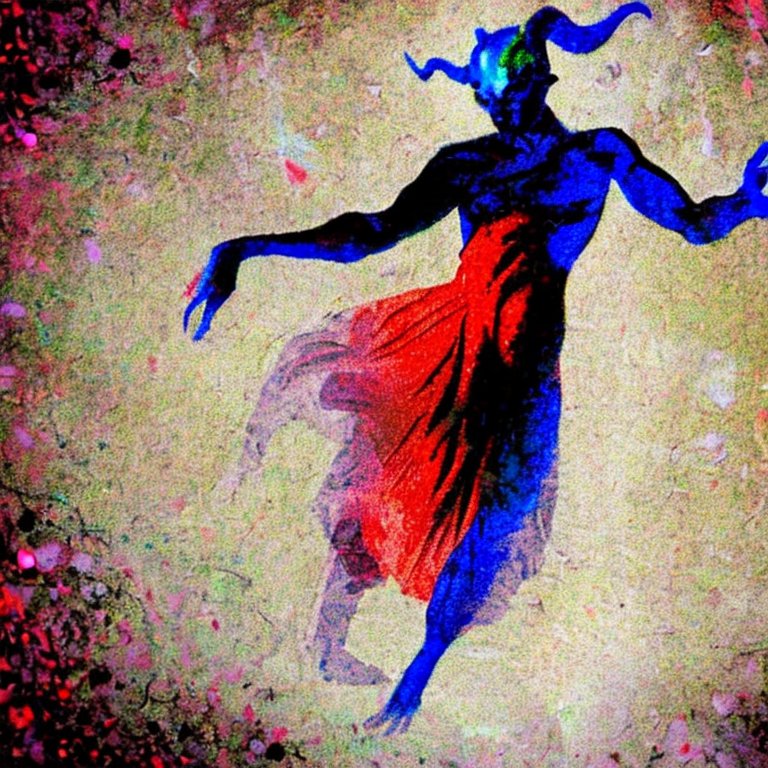
The path of transformation is not about erasing darkness but about learning to dance with it. Every demon holds a seed of divinity, and every shadow, when embraced, becomes a source of light. By acknowledging this, we dismantle the illusion of separation within ourselves and open to the vast, unified potential of our being.
Let us not fear our inner demons but recognize them as divine initiators, guiding us toward deeper self-knowledge and spiritual growth. Their presence invites us to reclaim the parts of ourselves we have abandoned, making us more complete, compassionate, and alive.
When we learn to see through the eyes of love, nothing remains unworthy of redemption—not even our darkest shadows.
Morgan O. Smith
Yinnergy Meditation, Spiritual Life Coaching & My Book, Bodhi in the Brain…Available Now!





 Morgan O. Smith