In the Mirror of Divinity

A Journey of Self-Realization

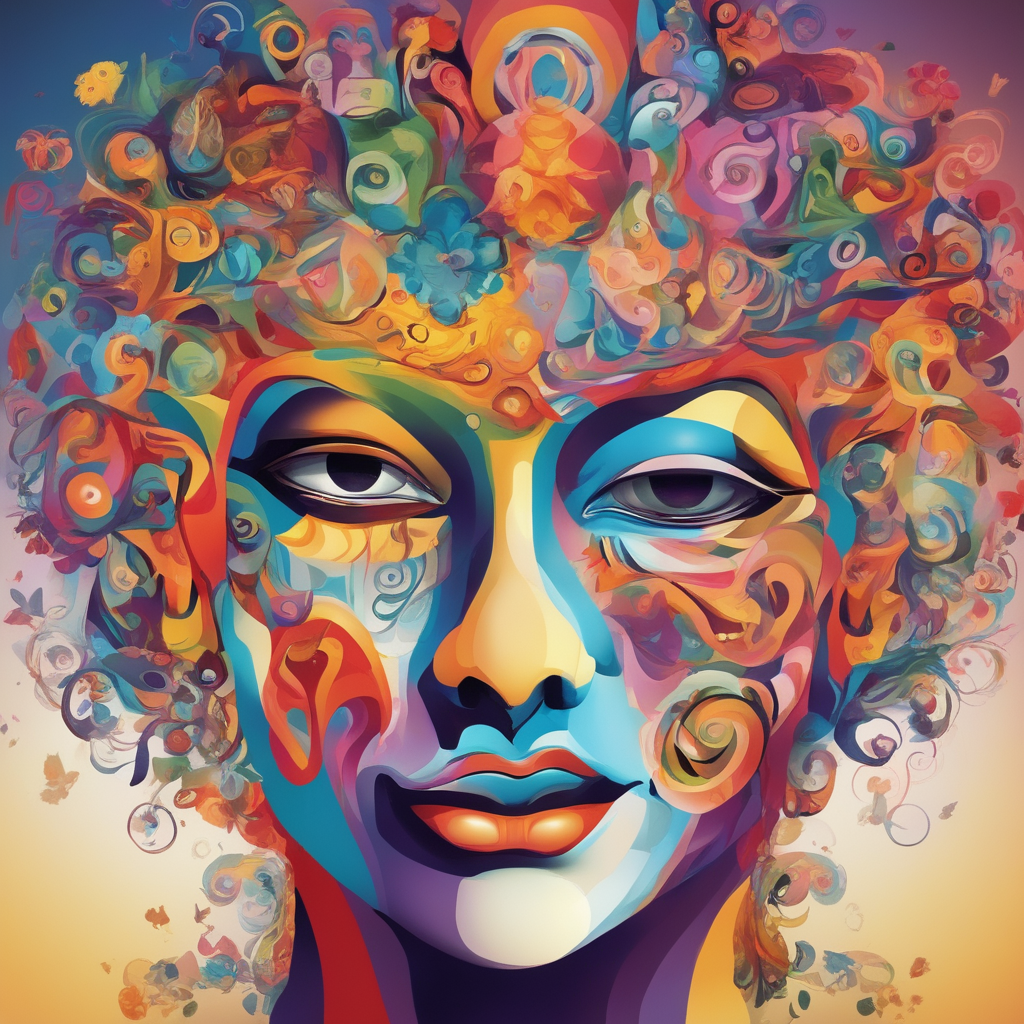
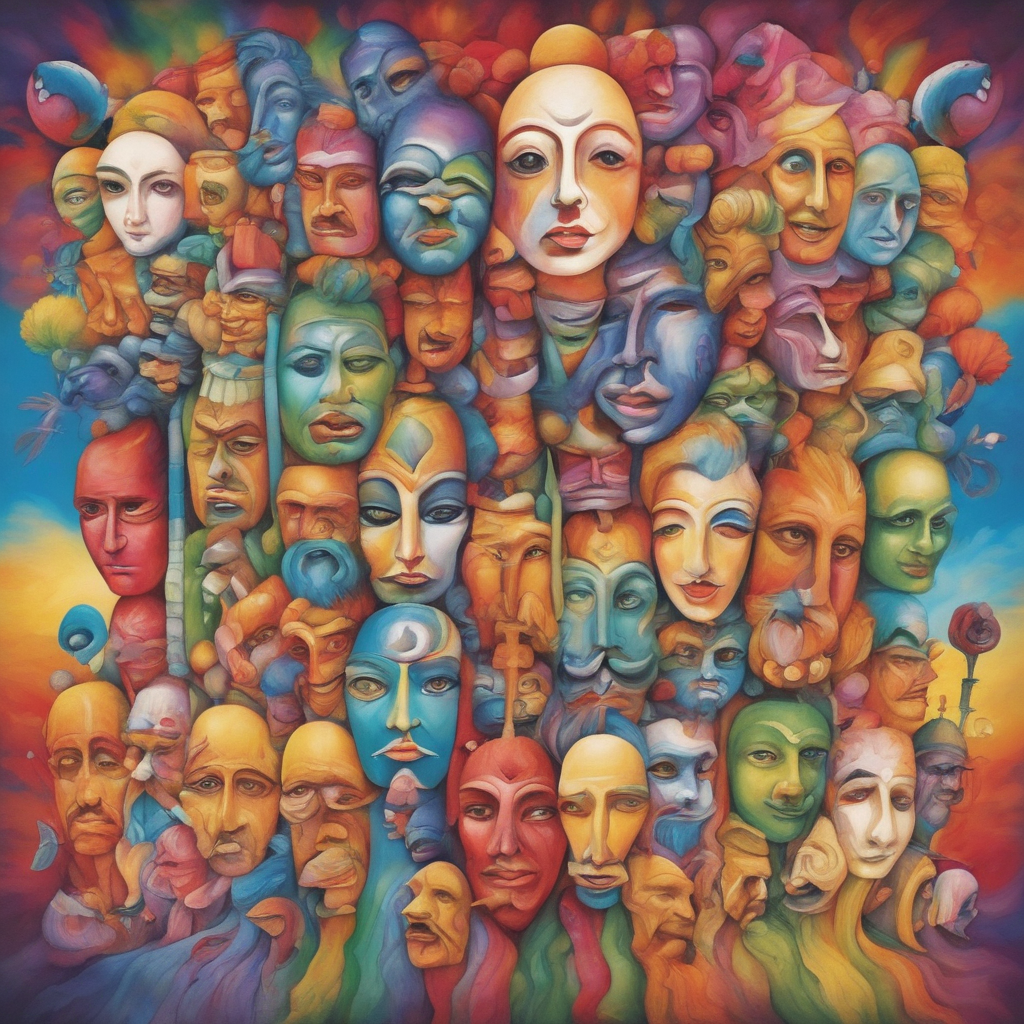
In my spiritual odyssey, I have tirelessly sought the face of God in various places: in the serene sanctuaries of nature, within the hallowed walls of churches, and in the sacred texts brimming with ancient wisdom. Yet, as I ventured deeper into this quest, a startling revelation unfolded – the face of God that I was so fervently seeking was, in fact, a reflection of my own.

This epiphany was not an end but a new beginning, an invitation to explore the divine within the human experience. It compelled me to ask: What does it mean to see the divine in oneself? Is it an echo of ancient philosophies proclaiming that the human and the divine are inseparable? Or is it a testament to the boundless potential within each of us?
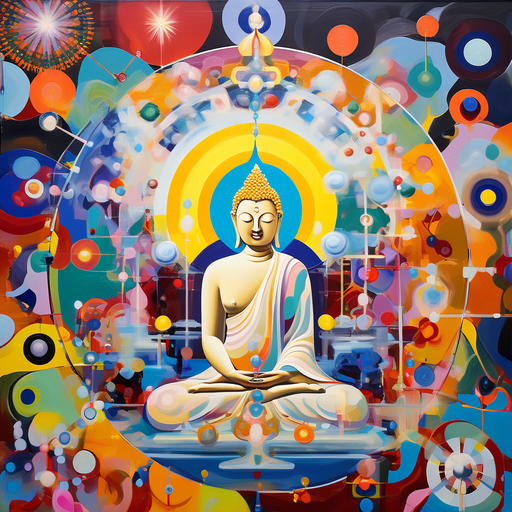

The realization that we are mirrors of the divine reshapes our understanding of spirituality. It suggests that the sacred is not solely external, but also internal. It speaks to the potential for transcendence and transformation inherent in human nature. This perspective doesn’t diminish the significance of a higher power; instead, it offers a profound understanding that divinity can also be a deeply personal experience, emanating from within.

Embracing this view unlocks a powerful form of self-realization. It encourages us to look within for guidance, strength, and wisdom. It empowers us to trust in our inner voice and intuition, recognizing them as conduits to the divine. This realization also fosters a deeper sense of responsibility towards ourselves and others, understanding that if the divine is in us, it is also in everyone else.


This journey of self-discovery is not without challenges. It requires us to confront our deepest fears, insecurities, and flaws. It asks us to be introspective, to examine the aspects of ourselves that we might not be proud of. But in doing so, it also offers the opportunity for profound personal growth, healing, and enlightenment.

In conclusion, the discovery that the face of God is akin to our own is not a conclusion but an invitation to a lifelong journey. It’s an exploration of the deepest truths about ourselves and our place in the universe. As we continue on this path, we may find that the distinction between the seeker and the sought becomes ever more blurred, revealing a unity that has existed all along.

Morgan O. Smith
Yinnergy Meditation, Spiritual Life Coaching & My Book, Bodhi in the Brain…Available Now!

https://linktr.ee/morganosmith

The Unseen Journey

Crawling Towards Enlightenment

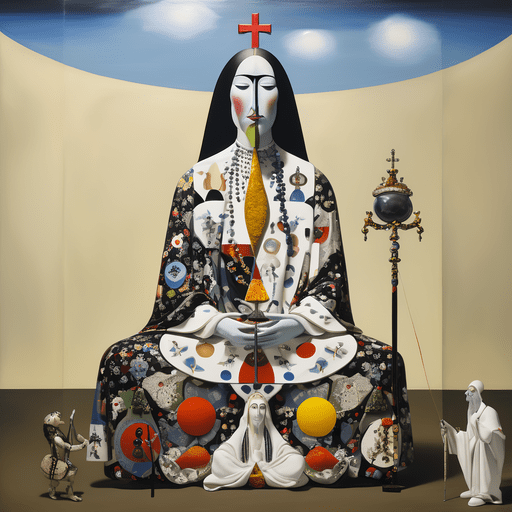
In the realm of spiritual growth, the path to enlightenment is often misconceived as a sudden emergence into a state of knowing. Yet, the essence of true understanding unfolds gradually, mirroring the natural progression from crawling to walking. This journey is subtle, requiring patience, persistence, and a deep commitment to the inward voyage.

Enlightenment, in its profound simplicity, can be likened to the process of a child learning to navigate the world. Initially, the child crawls, a phase marked by exploration and curiosity. This stage, though seemingly modest, is foundational. It represents the initial stirrings of awareness, where the soul begins to recognize the vastness of its existence beyond the physical constraints. Here, the seeker starts to explore the inner dimensions, crawling through the layers of self, guided by the light of introspection.

The transition from crawling to walking in spiritual terms is not marked by physical growth but by the expansion of consciousness. It involves the gradual shedding of ego, the relinquishment of attachments, and the deepening of one’s connection to the universal truth. This process is not linear but cyclical, with each step forward often accompanied by moments of regression, prompting further introspection and growth.

As we embark on this journey, we learn that enlightenment is not a destination but a way of being. It is the realization that every moment, every breath is an opportunity to be present, to witness the unfolding of life with a heart full of compassion and a mind free from judgment. The path demands a surrendering, a letting go of the need for certainty, and an embrace of the mystery that envelops our existence.

The beauty of this journey lies in its uniqueness for each individual, yet the underlying principle remains the same: one must learn to crawl before one can walk. The initial steps, taken in the darkness of the unknown, are what prepare us for the light of wisdom. It is in the act of crawling, of moving forward with humility and grace, that we pave the way for our spiritual awakening.


Let us then honour the crawl, the gentle, determined exploration of our inner landscapes, for it is here that the seeds of enlightenment are sown. Let us approach each day as a step towards understanding, a movement closer to the harmony that exists between the self and the universe. In doing so, we walk the path of enlightenment, not with haste, but with the deliberate pace of one who understands the value of each moment of awareness.

Morgan O. Smith

Yinnergy Meditation, Spiritual Life Coaching & My Book, Bodhi in the Brain…Available Now!
https://linktr.ee/morganosmith

The Divine Fraud

The Hidden Reality Behind Spiritual Leaders

In the realm of spirituality, there exists a profound paradox. We often elevate spiritual gurus, admiring them from afar, or aspiring to emulate them. However, there’s a hidden truth behind these figures, one that challenges our conventional understanding of enlightenment and spiritual wisdom.

At the heart of this paradox lies the notion that these spiritual leaders are not entirely what they appear to be. Rather than being purely enlightened beings, they are, in fact, individuals who have reached a heightened state of awareness but choose to present themselves in a manner that is palatable to the masses. This disguise is not a deception borne out of malice, but rather a necessary adaptation. It stems from the understanding that the true nature of their enlightenment is beyond the grasp of the average individual, whose comprehension is bounded by societal norms and limited perspectives.

These spiritual figures have embraced a role – a caricature of what society accepts as ‘divine’. They mirror the layman’s archetype of enlightenment, embodying concepts of goodness, truth, and beauty that are digestible and appealing to the general public. This role-playing is not a sign of their failure to embody true enlightenment, but rather a testament to their deep understanding of the human psyche and the limitations of societal acceptance.


In this grand act, the enlightened beings find joy. They are not shackled by their roles but rather play them with purpose and hope. Their ultimate aspiration is not to perpetuate the illusion but to guide others to a realization – that enlightenment is not about fitting into a preconceived mould of divinity, but about understanding and transcending the limitations of our perceptions.

The divine fraud, thus, is not a deceit but a necessary guise. It is a bridge between the incomprehensible realm of true enlightenment and the tangible world in which we live. The hope is that one day, each of us will see beyond this facade, not with a sense of betrayal, but with an understanding that enlightenment is a deeply personal journey, one that transcends the need for external validation and societal acceptance.


In conclusion, the journey toward spiritual enlightenment is not about emulating a perceived ideal but about realizing the limitations of our understanding. It is about peeling back the layers of societal norms and personal biases to uncover a truth that is uniquely our own. As we navigate this path, we must remember that the spiritual guides we look up to are not just torchbearers of enlightenment but also skilled actors playing a role necessary for our journey.

Morgan O. Smith

Yinnergy Meditation, Spiritual Life Coaching & My Book, Bodhi in the Brain…Available Now!

https://linktr.ee/morganosmith

Everyone Falls Back Asleep After Awakening, But No One Falls Asleep After Enlightenment

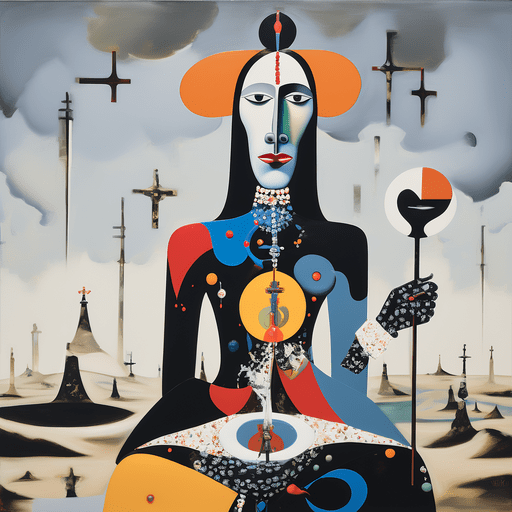
In the journey of self-awareness and understanding, there’s a profound adage that resonates deeply: “Everyone falls back asleep after awakening, but no one falls asleep after enlightenment.” This statement, while seemingly simple, carries with it a world of meaning and depth, particularly in the context of spiritual and personal growth.

#### The Paradox of Awakening and Enlightenment

At first glance, the idea of “falling back asleep after awakening” seems counterintuitive. Isn’t awakening supposed to be a permanent shift in consciousness? The truth, however, lies in the subtle difference between temporary awakenings and true enlightenment. Many of us experience moments of awakening — brief glimpses into a deeper reality or a sudden awareness of a profound truth. These moments can be sparked by various experiences: a beautiful sunset, a piece of art, or a moment of deep connection with another person. However, these are often transient, and we find ourselves slipping back into our habitual patterns of thought and behaviour.

Enlightenment, on the other hand, represents a fundamental and irreversible shift. It’s akin to a door that, once opened, cannot be closed again. In enlightenment, there is a permanent transformation of perspective, a sustained awareness that transcends the ordinary consciousness. This state is often described as a deep, unshakable understanding of the nature of reality, self, and existence.


#### The Role of Meditation in Enlightenment

This statement emphasizes the necessity of years of meditation for true enlightenment. Meditation, in its various forms, is more than just a practice of calming the mind. It’s a tool for deep introspection, for peeling away the layers of illusion and ego that cloud our true nature. Through persistent meditation, one can gradually dissolve these barriers, fostering a greater connection with the inner self and the universe.

Meditation teaches patience, discipline, and, most importantly, the ability to observe without attachment. These qualities are essential in moving from fleeting moments of awakening to a sustained state of enlightenment. It’s a journey of continuous growth and learning, where each meditative experience builds upon the last, gradually leading to a profound understanding and acceptance of what is.


#### Conclusion

In conclusion, the journey from awakening to enlightenment is not a straight path. It involves many cycles of falling back into unconsciousness and rising again with a deeper understanding. This process is necessary and valuable, as each fall and rise polishes the soul, preparing it for the ultimate state of enlightenment. The years of meditation are not just a discipline but a devotion to the inner journey, a commitment to uncovering and living one’s truth.

Morgan O. Smith

Yinnergy Meditation, Spiritual Life Coaching & My Book, Bodhi in the Brain…Available Now!
https://linktr.ee/morganosmith

Transcending the Mind

A Journey into the Realms of True Reality

In the labyrinth of human existence, there lies a profound truth that often remains hidden beneath layers of perception and thought: the essence of reality as it truly is, unfiltered and pure. This realization dawns only when the mind transcends its boundaries, stepping beyond the constraints of its conditioned patterns and habitual ways of thinking.

The mind, a magnificent tool for navigation in the physical world, is often shackled by its creations – thoughts, beliefs, and assumptions. These mental constructs, while useful, can also act as barriers, filtering and altering reality as it presents itself to us. The journey towards understanding true reality thus begins with a paradoxical task: using the mind to transcend the mind.

In this transcendence, one experiences a shift in perspective. What was once seen as absolute may reveal its relativity. The solid ground of ‘facts’ might turn into a dance of possibilities. This isn’t a disavowal of logic or reason, but an expansion of them. It’s an acknowledgment that reality, in its vastness, cannot be fully contained within the confines of human thought.

What emerges from this transcendental experience is a sense of profound connection. The boundaries that separate the self from the universe begin to blur. In this state, one doesn’t just observe reality; one becomes a part of it, engaged in a harmonious dance where the distinction between the observer and the observed diminishes. It’s a state where the ego dissolves, and in its place arises a sense of unity with all existence.

This journey is not about acquiring new knowledge but about unlearning what obstructs the vision of reality. It’s about silencing the incessant chatter of the mind to listen to the silence that speaks volumes. In this silence, reality reveals itself not as a concept to be grasped but as an experience to be lived.

As we embark on this journey of transcending the mind, we open ourselves to a reality that is more vivid, more alive, and infinitely more profound than our habitual ways of seeing can allow. It’s a journey from the illusion of knowing to the wisdom of understanding, from the confinement of the mind to the liberation of consciousness.

In this exploration, we find not just the essence of reality but also the essence of ourselves, as beings intrinsically connected to the vast, intricate tapestry of existence. We discover that in transcending the mind, we don’t lose ourselves; we find ourselves in everything.

Morgan O. Smith

Yinnergy Meditation, Spiritual Life Coaching & My Book, Bodhi in the Brain…Available Now!

https://linktr.ee/morganosmith


Beyond Duality

Exploring Nondual Experiences and Awakenings

**Introduction**:
In spiritual exploration, nondual experience and nondual awakening emerge as pivotal elements in understanding the nature of consciousness and reality. Often used interchangeably, these terms hold distinct meanings and implications for those on a spiritual path. This blog post aims to unravel the differences and delve deeper into the profound implications of nondual experiences and awakenings.

**Nondual Experience – A Glimpse Beyond the Veil**:
Imagine a moment where all distinctions between you and the world dissolve. This is the essence of a nondual experience. It’s a temporary state where the conventional boundaries of self and other, inside and outside, cease to exist. Such experiences often occur during deep meditation, contemplative practices, or even in spontaneous moments of profound insight. They offer a fleeting yet intense glimpse into a state of unity and interconnectedness, challenging our usual perception of reality. However, as profound as these experiences are, they are transient and do not necessarily result in a permanent shift in understanding or consciousness.

**Nondual Awakening – The Enduring Shift**:
Contrastingly, a nondual awakening is not just a momentary experience but a fundamental transformation. It represents a deep and lasting shift in how one perceives and interacts with reality. In this awakened state, the illusion of a separate self is continuously seen through. This awakening brings about a sustained awareness where separation is transcended, not just in isolated moments, but as a continuous experience in daily life. It marks a paradigm shift from a life experienced through the lens of duality to one of ongoing nondual perception.

**The Journey from Experience to Awakening**:
While a nondual experience can be a catalyst for a nondual awakening, the journey from one to the other is often gradual and requires deep inner work and exploration. The fleeting insights provided by nondual experiences can sow the seeds for the more profound, sustained realization of nondual awakening. This journey involves not only the mind but also the heart and soul, leading to a comprehensive transformation in one’s approach to life and existence.


**Conclusion**:
The exploration of nonduality, whether through transient experiences or enduring awakenings, offers a radical shift in understanding the nature of self and reality. These moments of insight and periods of transformation challenge our conventional perceptions and invite us to experience life beyond the limitations of duality. For those on a spiritual path, understanding and integrating these experiences can be a gateway to a more profound, interconnected existence.

Morgan O. Smith

Yinnergy Meditation, Spiritual Life Coaching & My Book, Bodhi in the Brain…Available Now!

https://linktr.ee/morganosmith

The Souvenir of Spiritual Enlightenment

Beyond the Peak Experience

In the realm of spiritual enlightenment, there lies an experience so profound and transformative that it often defies description. It’s a peak experience, a moment of nondual awareness where the sense of self merges with the universe, transcending the usual barriers of the ego and the mind. Those who attain this state describe it as a moment of absolute clarity, an encounter with the true essence of being. But what happens after this peak experience? How does one integrate this transformative moment into the fabric of everyday life?

The answer lies in the concept of the ‘souvenir’ of spiritual enlightenment. This souvenir is not a physical object, but a subtle, yet profound change within the individual. It’s the lingering essence of the experience, a change in perception and understanding that remains long after the peak moment has passed. This souvenir is a reminder, a glimpse of the infinite that we carry back into our ordinary lives.


This souvenir manifests in various forms. It might be a deepened sense of peace, a newfound ease in dealing with life’s challenges, or a pervasive feeling of connectedness with all things. For some, it’s a shift in values and priorities, leading to a life more aligned with inner truth and compassion. For others, it’s an ongoing journey of self-realization and growth, a path that continuously unfolds with each new insight and understanding.

The phenomenon of spiritual enlightenment itself is vast and incomprehensible, which cannot be fully grasped or retained by the finite human mind. In this light, the souvenir we bring back is not the entirety of the experience, but a fragment, a taste of the infinite that changes us in subtle and profound ways.


To integrate this souvenir into daily life requires patience, awareness, and a willingness to continue the inner journey. It’s about maintaining an openness to the lessons and insights from this transformative experience. It involves embracing the present moment, living with mindfulness and heart, and allowing the essence of the experience to guide and inform our actions and choices.

In conclusion, the nondual peak experience of spiritual enlightenment is a transformative journey that leaves us with a lasting souvenir. This souvenir, though a mere fragment of the vastness of the experience, has the power to profoundly alter our perception, guiding us towards a life of greater awareness, compassion, and connection. As we navigate the complexities of life, this souvenir becomes a beacon, illuminating our path and reminding us of the deeper truths of our existence.

Morgan O. Smith

Yinnergy Meditation, Spiritual Life Coaching & My Book, Bodhi in the Brain…Available Now!

https://linktr.ee/morganosmith

The Journey Within Embracing Nondual Suchness

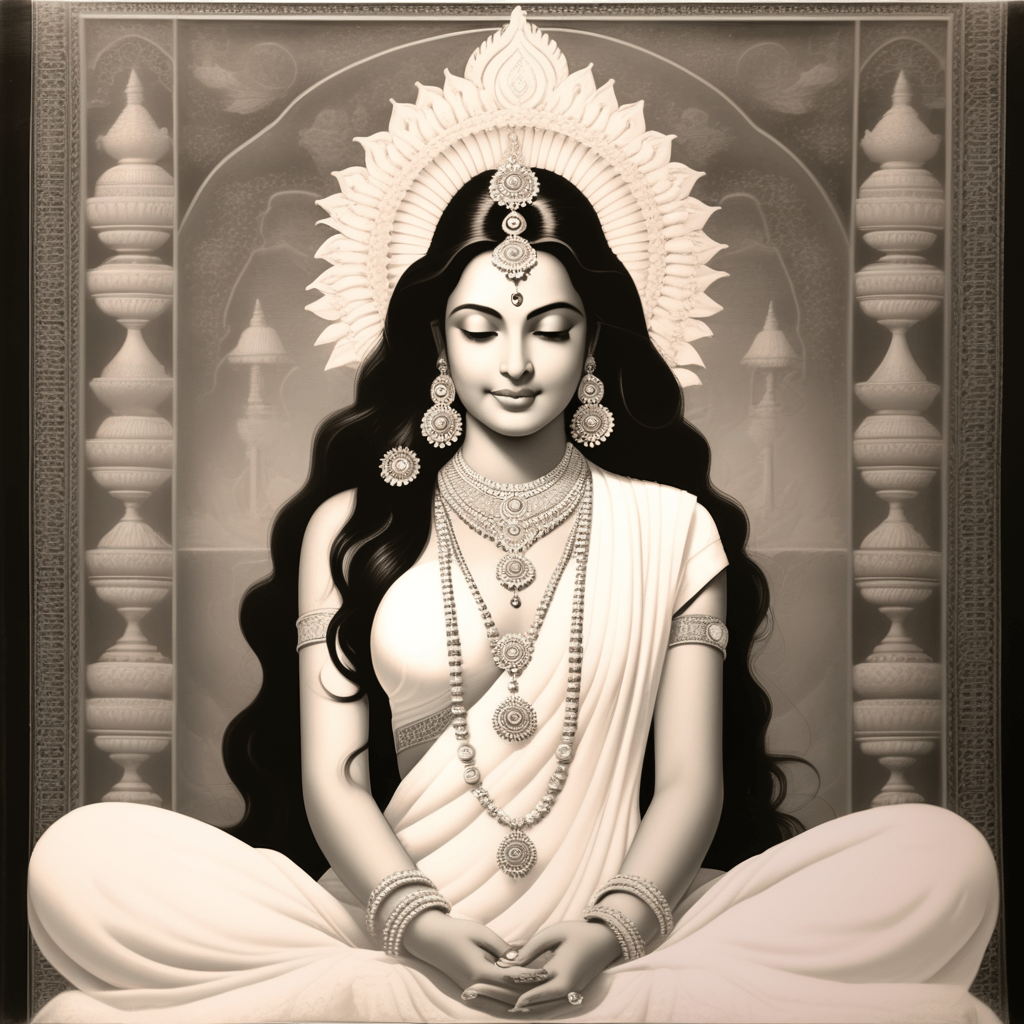
In my spiritual explorations, I have come to embrace what the few would call “Nondual Suchness.” This concept represents a transformative journey of consciousness, one that transcends the need for external recognition or validation. It is a path that leads inward, towards a deep, unshakeable peace and a profound realization of universal interconnectedness.

This journey is not about reaching outward for validation or acknowledgment. Instead, it’s about turning inward for self-discovery and self-acceptance. It is here, in the quietude of our inner being, that we encounter the true essence of our existence. This exploration reveals the intrinsic rewards of our inner journey – rewards that are not given by the world but are discovered within the depths of our consciousness.


Embracing Nondual Suchness is about recognizing the interconnected fabric of all existence. It’s about understanding that every thought, every action, and every moment is intrinsically linked to the whole, simultaneously being the whole. This realization brings with it a profound sense of peace, as we begin to see ourselves not as isolated beings, but as integral parts of a larger, harmonious whole.

This path of self-discovery and self-acceptance is an invitation to all. It is a call to delve into the depths of our being, to uncover the peace and understanding that lie within. It is a journey that transforms not just our perception of ourselves, but our perception of the world around us. In embracing Nondual Suchness, we find not just peace, but a deep and abiding joy in the simple act of being.


Morgan O. Smith

Yinnergy Meditation & My Book, Bodhi in the Brain…Available Now!
https://linktr.ee/morganosmith

The Unfathomable Brahman

Exploring the Indivisible Reality from Multiple Perspectives

The quest to understand Brahman is a journey into the heart of existence itself, a pursuit that has intrigued philosophers, sages, and seekers for millennia. In the vast expanse of Hindu philosophy, Brahman is the ultimate reality, the fabric of all that exists and beyond. It is both immanent and transcendent, the core of our being and the cosmos. This exploration of Brahman from various perspectives—gross, subtle, causal, and nondual—invites us to expand our minds beyond the limits of ordinary perception.

**From the Gross Perspective: Brahman as the World**


When we look at Brahman from the gross perspective, we see the universe in all its material splendour. Here, Brahman is not an abstract concept but the physical universe that we interact with through our senses. It is the mountains, rivers, stars, and galaxies; the dance of creation and destruction visible to the naked eye. This manifestation is known as Saguna Brahman, the form with qualities, where the Divine is seen with attributes and forms, engaged in the act of creation.

**From the Subtle Perspective: Brahman as Consciousness**


Venture deeper, and we encounter the subtle perspective. Here, Brahman is the essence of consciousness that animates life. This is not the consciousness that fluctuates with our thoughts and feelings, but the pure awareness that observes, untouched and unchanging. This subtle Brahman also referred to as Nirguna Brahman, is without qualities, where God is not limited by any attributes. It is the silent witness to the play of the universe, the inner light that illuminates our experiences.

**From the Causal Perspective: Brahman as the Source**

Moving into the causal perspective, we touch on the very source of existence. Brahman here is the unseen cause behind everything—the seed from which the tree of the universe grows. This aspect of Brahman is deeply mysterious, for it is the origin of time, space, and causality itself. It is Avidya, ignorance, not in the sense of lack of knowledge, but as the primal forgetfulness that makes us perceive duality in the nondual.

**From the Nondual Perspective: Brahman as the One without a Second**


Finally, from the nondual perspective, Brahman is realized as the one without a second—Advaita. It is not a deity, not an entity, not even a ‘thing’ that can be comprehended by the intellect. It is the underlying oneness that pervades all dualities, where the seeker and the sought merge. In this view, the individual self (Atman) and the universal self (Brahman) are the same. All distinctions between creator and creation dissolve, revealing that there is nothing but Brahman—pure existence, consciousness, and bliss (Sat-Chit-Ananda).

This journey through the perspectives of Brahman reflects the layered depths of our existence. From the tangible reality of our day-to-day lives to the deepest spiritual realization, Brahman remains the unchanging truth. Each perspective is a step closer to the ultimate truth, leading us from the outward expressions of divinity to the profound inner revelation that we are, in essence, the infinite Brahman.

To understand Brahman is to expand our awareness across the spectrum of existence. The gross perspective roots us in our environment, the subtle unfolds the inner cosmos, the causal leads us to the primal source, and the nondual reveals our true infinite nature. In contemplating these perspectives, we may find that the journey to understand Brahman is not a journey outward but a profound voyage within, to the very core of who we are.

Morgan O.  Smith

Yinnergy Meditation & My Book, Bodhi in the Brain…Available Now!

https://linktr.ee/morganosmith

The Ego

Many Faces of the “I”

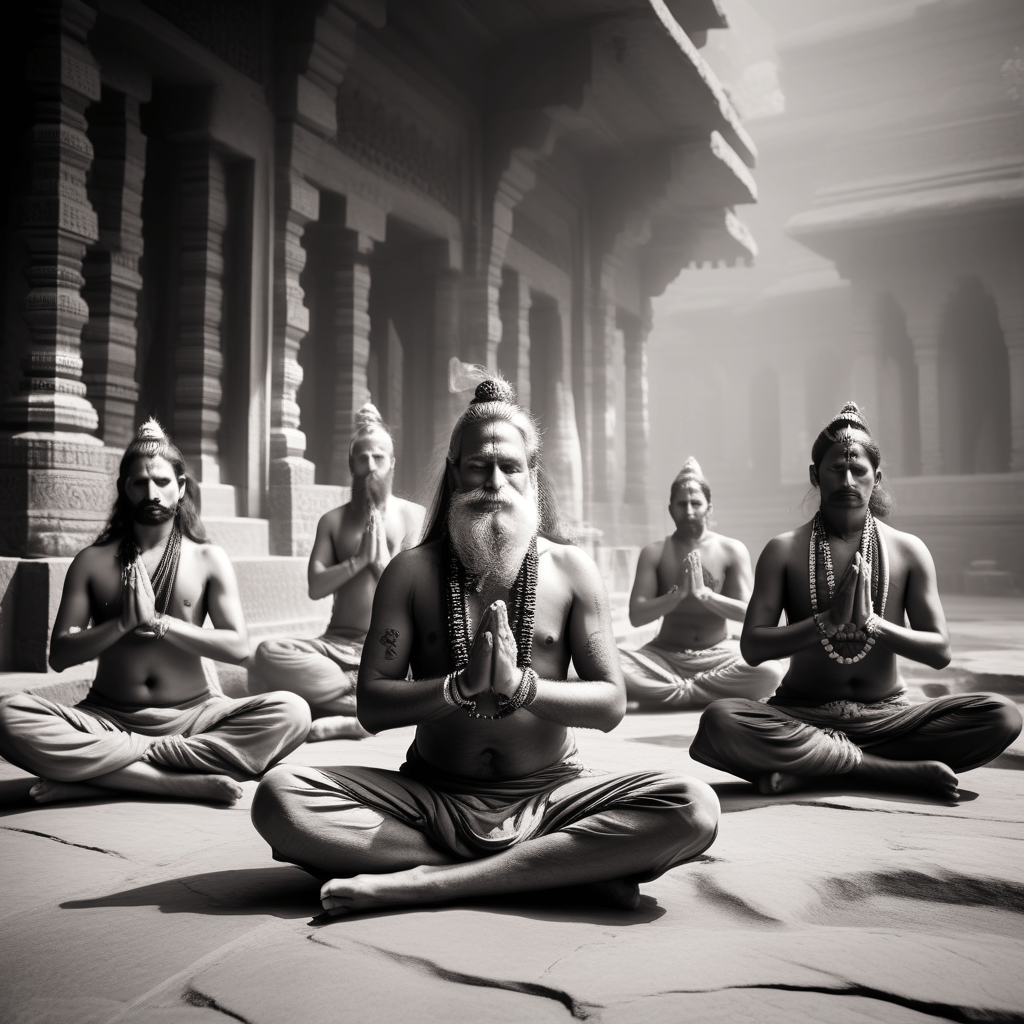
In our quest to understand ourselves, few concepts are as debated, dissected, and deliberated as the ego. Spanning from ancient spiritual scriptures to the modern therapist’s couch, the ego stands as a reflection of our sense of self and our relation to the world. Yet, its definitions vary, painting a multifaceted picture of this central aspect of human existence.

### **1. Ego in Psychoanalysis: The Mediator**

Freud’s tripartite model of the psyche introduced us to the ego as the balancing force between the primal urges of the id and the moral compass of the superego. Here, the ego isn’t an adversary but a necessary mediator, guiding our actions in a world of societal norms. It poses the question: Is our ego the voice of reason amidst internal chaos?

### **2. Ego in General Psychology: The Self’s Mirror**

When we talk about self-esteem or self-worth, we’re often referring to the ego. This definition paints the ego as a mirror reflecting our perceived value and place in the world. Yet, this raises a thought-provoking inquiry: If our ego is a mirror, who or what determines its reflection?

### **3. Ego in Philosophy: The Conscious Observer**
Descartes’ famous dictum “Cogito, ergo sum” (I think, therefore I am) encapsulates the philosophical perspective of the ego as the conscious thinking subject. If our ego is the conscious observer of our experiences, it invites us to ponder: Without this observer, do experiences lose their significance?

### **4. Ego in Spirituality: The Illusory Self**
Many spiritual traditions view the ego as a barrier to enlightenment. It’s the illusory sense of separateness that binds us to suffering. The spiritual perspective urges us to ask: If the ego is an illusion, then who indeed are we beneath this veneer?

### **5. Ego in Pop Culture: The Mask of Pride**
Everyday parlance often equates a “big ego” with arrogance. It’s seen as a mask, sometimes shielding insecurities, other times amplifying genuine pride. This usage compels us to consider: Is the ego merely a façade, and what lies behind it?

### **6. Ego in Eastern Philosophies: The Creator of “I-ness”**

Hindu philosophy introduces Ahamkara, the aspect of us that births the sense of “I.” This ego is neither good nor bad but a natural facet of being human. Reflecting on this, we might wonder: Is the ego, not an enemy but an inevitable companion on our human journey?

**In Conclusion: The Infinite Layers of “I”**

The ego, regardless of its definition, remains at the core of human introspection. Its multifaceted interpretations offer not just explanations but a myriad of questions. As we navigate our understanding of the ego, we’re not just uncovering the layers of this concept but also the layers of our very existence.

In exploring the ego, we’re invited to embark on a profound journey inward, to question, understand, and perhaps even transcend the confines of the “I.” For as varied as its definitions might be, the ego’s ultimate gift is the invitation to self-reflection.

Morgan O. Smith

Yinnergy Meditation & My Book, Bodhi in the Brain…Available Now!
https://linktr.ee/morganosmith