Navigating the Spiritual Path

A Beacon of Caution and Encouragement from My Journey

Embarking on a spiritual journey is akin to sailing into an ocean of unknown depths, where the calm of the serene waters and the tumult of the stormy seas are both integral parts of the voyage. My spiritual journey, as shared in my interview with Steve James on Guru Viking, has been a testament to the myriad of experiences that one can encounter on such a path.

My journey towards enlightenment, while being the greatest adventure of my life, has not been without its challenges and dark periods. It has been a path that has led me through moments of profound awakening and phases of deep introspection and struggle. It is essential to acknowledge that while the path to spiritual awakening can lead to profound joy and understanding, it can also take you through valleys of shadow and doubt.

For those who find themselves drawn towards a similar path, my advice is woven with threads of caution and encouragement. The spiritual path is not a linear one and is often fraught with challenges that test our resolve, our beliefs, and our understanding of the very nature of existence.

Embarking on a spiritual journey, especially one that involves deep meditation, exploration of consciousness, and perhaps even psychedelic experimentation, requires a sturdy anchor in the form of a support system. Having guides, mentors, or a like-minded community can provide invaluable support during times when the path becomes arduous.

It’s crucial to approach the journey with an open heart but also with a discerning mind. While the path can lead to profound insights and transformative experiences, it is also essential to navigate it with a sense of groundedness and critical inquiry. It’s vital to approach experiences, teachings, and practices with a balanced perspective, embracing what resonates while also being willing to question and explore.

My journey has taught me that while the spiritual path can lead to the dissolution of the ego, the emergence of oneness, and a deep understanding of the interconnectedness of all beings, it is also a path that requires continuous learning, growth, and evolution. Enlightenment is not a fixed state but a continuous unfolding, where learning and exploration never cease.

Morgan O.  Smith

Watch The Awakening of Mista Mo:

Ep 176: The Awakening of Mista Mo

Embark on a captivating expedition in Episode 176, “The Awakening of Mista Mo.” Today, we unravel the transformative journey of Mista Mo, a soul who found enlightenment in the most unexpected corners of life. His tale is one of resilience, discovery, and awakening to a higher calling amidst the cacophony of worldly chaos. As we traverse through his life’s chapters, we uncover pearls of wisdom that beckon a deeper understanding of self and the universe. Join us in this stirring narrative that echoes the eternal quest for inner peace and enlightenment.

A friendly reminder for seekers everywhere: Guru Viking continues to unfurl wisdom every Friday on YouTube. Enrich your spiritual palette on Apple, SoundCloud, and Spotify as well. https://www.guruviking.com/

Yinnergy Meditation & My Book, Bodhi in the Brain…Available Now!
https://linktr.ee/morganosmith

When Silence Echoes

The Power of Unspoken Revelations

We exist in a world where sound often dictates our experiences. From the cacophony of traffic to the incessant chimes of social media notifications, we’re constantly immersed in a sea of noise. But every so often, in the rare moments of introspection and spiritual awakening, we come to realize that the loudest voice doesn’t always need to be heard; it can be felt.

“During a mystical experience, my silence is the loudest voice in the room.” This quote encapsulates a profound truth about human existence. Amid a mystical experience, words often fall short. They are too limited, too confined by human construct, to adequately convey the depth of such moments. In these times, it is our silence that speaks volumes.

Silence, in this context, isn’t the absence of sound. It’s a resonant force, brimming with emotions, insights, and revelations. When we’re silent during a mystical encounter, we’re not devoid of expression; we’re teeming with it. The silence carries the weight of the universe, the wisdom of ages, and the profundity of personal epiphanies.

Our world tends to value verbosity. We admire those who can articulate their thoughts eloquently, who can debate, discuss, and declare with conviction. But what about those moments when words are insufficient? When does the experience transcend the boundaries of human language? That’s when silence takes center stage.

Imagine being in a room where everyone is talking, but you alone are silent. Yet, your presence is palpably felt, more so than anyone else’s words. That’s the power of silent revelation during a mystical experience. It’s not about shutting out the world, but about tuning into a frequency that words cannot reach.

As we navigate our lives, it’s crucial to recognize and respect these moments of silent resonance. Whether it’s during meditation, in nature, or the midst of a profound spiritual experience, let’s honour the voice of silence. For, in its depth, we might just find the answers we’ve been seeking.

Morgan O. Smith

Yinnergy Meditation & My Book, Bodhi in the Brain…Available Now!

https://linktr.ee/morganosmith

Knowing vs. Believing:

A Personal Perspective on Divinity

Throughout my life, many Christians and many individuals from different religious backgrounds have approached me with a question that seems to be etched into our collective spiritual psyche: “Do you believe in God?”

My response is always a bit unexpected: I don’t believe in God. I *know* God. There’s a profound difference between the two, and this distinction shapes my entire spiritual paradigm.

### The Nature of Belief

Belief is an interesting concept. It stems from uncertainty and acts as a bridge between the known and the unknown. When we believe in something, it signifies that we hold it to be true without concrete evidence or direct experience. It’s a leap of faith. It’s the trust we put into things unseen or unverified.

But with knowledge, the dynamics change. Knowledge is grounded in experience, indisputable facts, or personal revelations. When we know something, it is deeply entrenched within us, forming a part of our identity. It’s not just a thought, but a lived experience.

### The Unshakable Foundation of Knowing

To say that I know God is to say that my relationship with the divine is not based on stories, scriptures, or what someone else has told me. It is based on a deep, intrinsic realization. An unwavering certainty that God, or the essence of all there is, permeates every molecule, every thought, every fleeting moment of our existence.

When we come to such profound realizations, words often fail to capture the depth of our experience. To know God is not about conforming to religious doctrines or performing rituals, although those can be paths leading toward this understanding. It is about an inner awakening, a cosmic “aha” moment where everything clicks into place.

### Why Does This Distinction Matter?

In our journey through life, both belief and knowledge have their roles. Belief can be a starting point, a motivator to seek deeper truths, to question, to explore. But belief can also be limiting if it keeps us tethered to dogmas without encouraging personal experience or exploration.

Knowledge, on the other hand, propels us forward. It gives us confidence, clarity, and a sense of purpose. When it comes to the divine, knowledge transforms our perception of the world, ourselves, and our place in the vast expanse of existence.

In conclusion, the journey from belief to knowledge is deeply personal, profound, and transformative. It is about breaking free from external validations and finding the truth within.

Morgan O. Smith

Yinnergy Meditation & My Book, Bodhi in the Brain…Available Now!

https://linktr.ee/morganosmith

The Ego

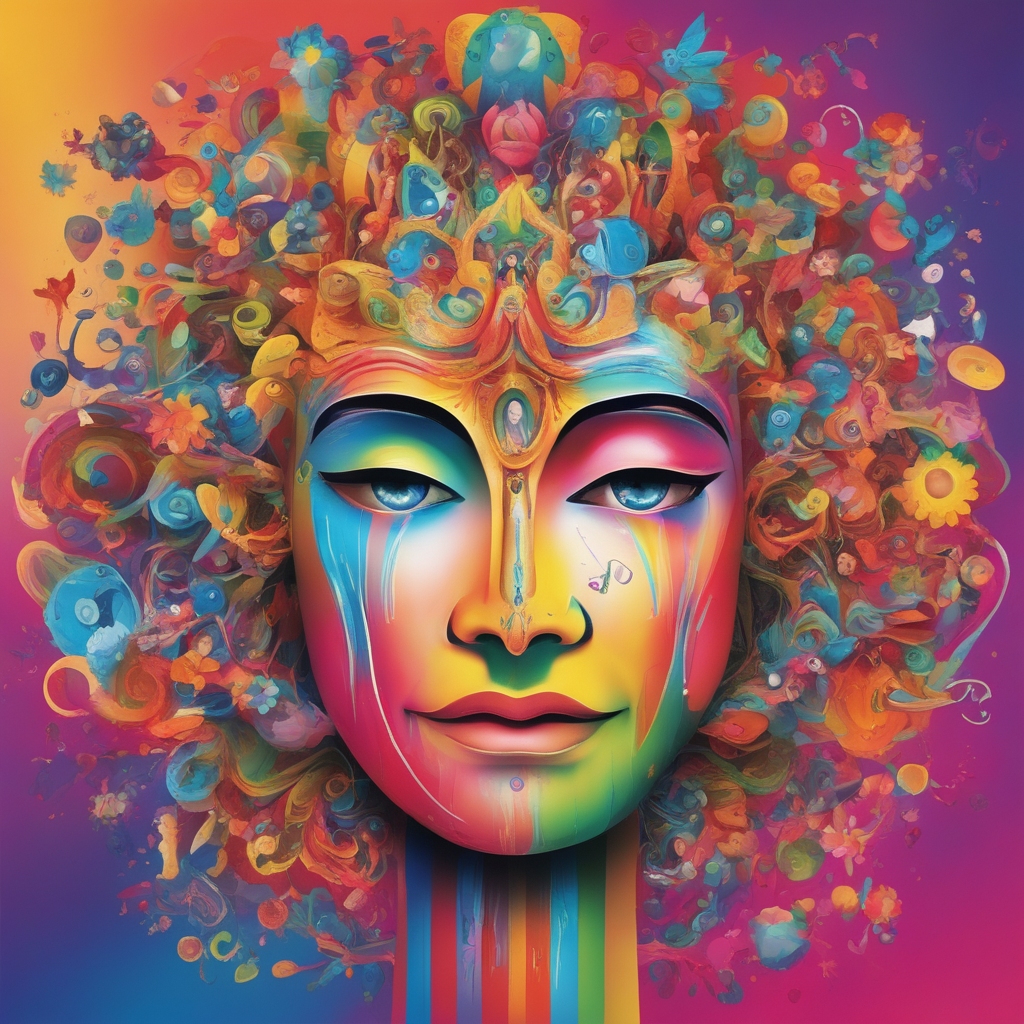
Many Faces of the “I”

In our quest to understand ourselves, few concepts are as debated, dissected, and deliberated as the ego. Spanning from ancient spiritual scriptures to the modern therapist’s couch, the ego stands as a reflection of our sense of self and our relation to the world. Yet, its definitions vary, painting a multifaceted picture of this central aspect of human existence.

### **1. Ego in Psychoanalysis: The Mediator**

Freud’s tripartite model of the psyche introduced us to the ego as the balancing force between the primal urges of the id and the moral compass of the superego. Here, the ego isn’t an adversary but a necessary mediator, guiding our actions in a world of societal norms. It poses the question: Is our ego the voice of reason amidst internal chaos?

### **2. Ego in General Psychology: The Self’s Mirror**

When we talk about self-esteem or self-worth, we’re often referring to the ego. This definition paints the ego as a mirror reflecting our perceived value and place in the world. Yet, this raises a thought-provoking inquiry: If our ego is a mirror, who or what determines its reflection?

### **3. Ego in Philosophy: The Conscious Observer**
Descartes’ famous dictum “Cogito, ergo sum” (I think, therefore I am) encapsulates the philosophical perspective of the ego as the conscious thinking subject. If our ego is the conscious observer of our experiences, it invites us to ponder: Without this observer, do experiences lose their significance?

### **4. Ego in Spirituality: The Illusory Self**
Many spiritual traditions view the ego as a barrier to enlightenment. It’s the illusory sense of separateness that binds us to suffering. The spiritual perspective urges us to ask: If the ego is an illusion, then who indeed are we beneath this veneer?

### **5. Ego in Pop Culture: The Mask of Pride**
Everyday parlance often equates a “big ego” with arrogance. It’s seen as a mask, sometimes shielding insecurities, other times amplifying genuine pride. This usage compels us to consider: Is the ego merely a façade, and what lies behind it?

### **6. Ego in Eastern Philosophies: The Creator of “I-ness”**

Hindu philosophy introduces Ahamkara, the aspect of us that births the sense of “I.” This ego is neither good nor bad but a natural facet of being human. Reflecting on this, we might wonder: Is the ego, not an enemy but an inevitable companion on our human journey?

**In Conclusion: The Infinite Layers of “I”**

The ego, regardless of its definition, remains at the core of human introspection. Its multifaceted interpretations offer not just explanations but a myriad of questions. As we navigate our understanding of the ego, we’re not just uncovering the layers of this concept but also the layers of our very existence.

In exploring the ego, we’re invited to embark on a profound journey inward, to question, understand, and perhaps even transcend the confines of the “I.” For as varied as its definitions might be, the ego’s ultimate gift is the invitation to self-reflection.

Morgan O. Smith

Yinnergy Meditation & My Book, Bodhi in the Brain…Available Now!
https://linktr.ee/morganosmith

The Facets of Ego and Transcendent Experiences: Part Two

As we proceed from Part One, a profound realization dawns. During moments of complete ego death, the individual facets cease to exist, yet paradoxically, they all exist, blending into a unified consciousness. The boundaries of ‘I’, ‘you’, ‘us’, and ‘them’ dissolve, making room for an all-encompassing ‘we’.

Our ego transforms and integrates into the collective consciousness, interconnecting with the egos of all beings, and indeed, the universe itself. Every trait, every star in our constellation, becomes part of this grand cosmic tapestry.

This realization isn’t merely intellectual, but experiential. Our individual identities meld into the collective, signifying an interconnectedness that transcends our singular perspective. In the dance of the facets of ego and the mystical experiences, we uncover our deepest potential to be interconnected, to share in the collective consciousness of all beings, and to participate consciously in the magnificent orchestration of the universe.

Through this journey, we don’t lose ourselves; instead, we find our place in the cosmos, gaining a newfound appreciation for the diversity and unity that life offers. We witness our traits, without labelling them as positive or negative, as part of a unified whole. Our ego ceases to be an entity isolated from the universe and becomes a fundamental part of the cosmic consciousness.

This exploration of the ego and its many facets is not just an intellectual exercise, but a call for introspection and self-awareness. It encourages us to embrace our full spectrum of experiences, from the depths of our struggles to the heights of our joys, all the while seeking that profound connection with the universe and our place within it.

Morgan O. Smith

Yinnergy Meditation & My Book, Bodhi in the Brain…Available Now!
https://linktr.ee/morganosmith

The Dance of Consciousness

How Traits and States Influence Each Other

Introduction:
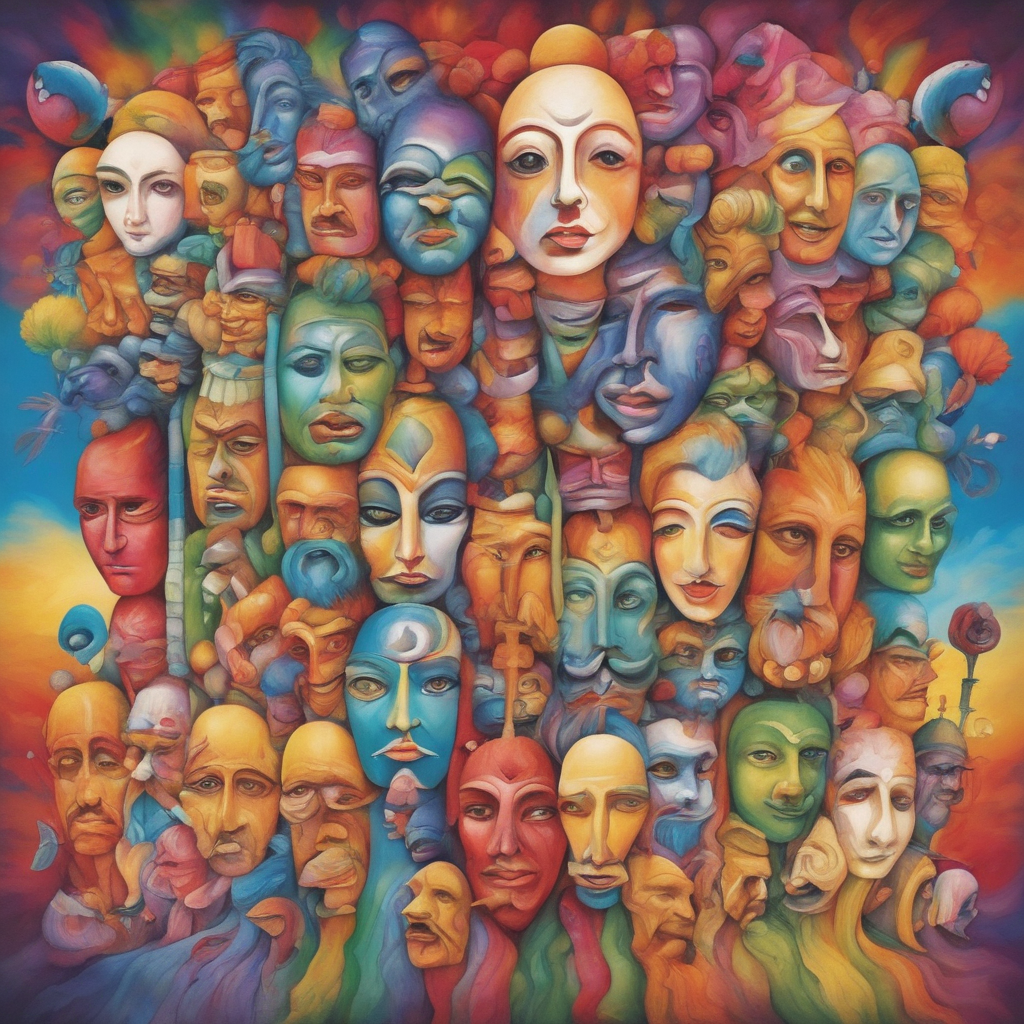
In the realm of philosophy and neuroscience, the nature of consciousness has long been a subject of intense scrutiny. As we delve into the complex interplay between traits of consciousness and states of consciousness, we embark on a thought-provoking journey that explores how these facets of our mind shape and are shaped by each other.

Part I: The Essence of Traits of Consciousness
Traits of consciousness refer to the enduring qualities and patterns that define an individual’s cognitive, emotional, and behavioural makeup. These traits form the bedrock of one’s personality, shaping how they perceive the world, process information, and interact with others. From introversion to openness, resilience to empathy, traits of consciousness provide a unique lens through which individuals experience their existence.

Part II: Unraveling States of Consciousness
States of consciousness, on the other hand, are transient and ever-changing mental conditions. These states can range from heightened awareness during moments of meditation or creative inspiration to altered states induced by substances or intense emotional experiences. States of consciousness are like ripples on the surface of a vast ocean, reflecting our immediate perceptions and inner states.

Part III: The Bidirectional Influence

At first glance, it might appear that traits and states of consciousness operate independently. However, upon closer examination, we discover the profound bidirectional influence they exert on each other.

1. Traits Shaping States:

Our enduring traits of consciousness lay the foundation for how we perceive and react to various states. For instance, a highly empathetic individual might experience deeper connections with others during states of heightened compassion or love. Similarly, a person with a predisposition to anxiety may be more prone to states of distress during challenging situations.

2. States Shaping Traits:

The fluidity of consciousness states can leave lasting imprints on our traits. Profound transformative experiences, such as spiritual awakenings or near-death encounters, can lead to significant shifts in an individual’s personality and worldview. Moreover, states like mindfulness and meditation can foster positive traits like patience and self-awareness.

Part IV: The Dance of Consciousness
As the dance unfolds, we realize that consciousness is not static but rather a dynamic process, constantly in flux. Traits and states intertwine, shaping and reshaping one another in an intricate and evolving dance.

Conclusion:
The relationship between traits and states of consciousness is a fascinating exploration of the human mind’s complexity. Acknowledging this interconnectedness can empower us to cultivate positive traits while embracing the ebb and flow of transient states. As we embrace the intricacies of our consciousness, we embark on a journey of self-discovery, leading us to a deeper understanding of ourselves and the world around us. Remember, we are not merely passive observers of our consciousness; we are active participants in its unfolding story.

Morgan O. Smith

Yinnergy Meditation & My Book, Bodhi in the Brain…Available Now!
https://linktr.ee/morganosmith

The Ocean of Consciousness

A Deep Dive into Self-Realization

In the vast expanse of our existence, there exists an ocean, profound and unending. This is not an ocean you can traverse with a boat, nor one that can be mapped with lines and contours. It is the ocean of consciousness, the ocean within us, teeming with treasures waiting to be found and explored.

This inner cosmos reflects the enormity and complexity of our being. It is a reminder that we are not mere beings afloat on the surface of existence. We are the deep-sea divers, explorers of the unseen depths of our own consciousness, where the treasures of self-realization lie.

Each of us is invited to embark on this journey, to delve beneath the tranquil surface of our everyday awareness, to submerge into the depths of the self. It’s within these depths that the unexplored and unseen aspects of ourselves are concealed like sunken treasures.

The journey of self-realization is, indeed, a swim in these deep waters. It is not always an easy journey; at times, we may feel lost in the vast, nebulous expanse, unsure of where to look or what to seek. It is natural to fear the unknown, the hidden, the deep, but it is also where true treasures lie.

These treasures are not the tangible riches we often pursue; they are rather pearls of wisdom, gems of personal truth, and gold nuggets of self-understanding. They hold the power to transform our perspective, illuminate our purpose, and enrich our existence. Once discovered, these treasures have the capacity to fundamentally alter the way we perceive ourselves and our place in the cosmos.

But how does one navigate these waters? How do we uncover these treasures of the self? The compass guiding us through this journey is reflection, introspection, and mindful living. These tools help us dive into the currents of our thoughts, feelings, and experiences, allowing us to probe and understand the unseen layers of our consciousness.

As we continue to swim within these deep waters, we learn to appreciate the beauty of the journey more than the destination. We realize that the exploration itself is a form of treasure, a transformative process that molds us into more conscious, more self-aware beings.

In this philosophical journey of self-realization, we not only find treasures within ourselves but also learn to become treasures for the world around us. The knowledge, wisdom, and understanding we gain through this exploration have the power to influence and enrich the lives of others.

So, let us all dive into the deep waters of consciousness and continue to explore. In this exploration, we find not only the treasures of self-realization but the true essence of our existence. Amid the vastness of this ocean, we find ourselves, understanding that we are not just a part of the universe, but the universe itself, unfolding.

Morgan O. Smith

Yinnergy Meditation & My Book, Bodhi in the Brain…Available Now!

https://linktr.ee/morganosmith

The Moment of Omnipresent Self-Realization

Discovering the Infinite ‘I’

Introduction:
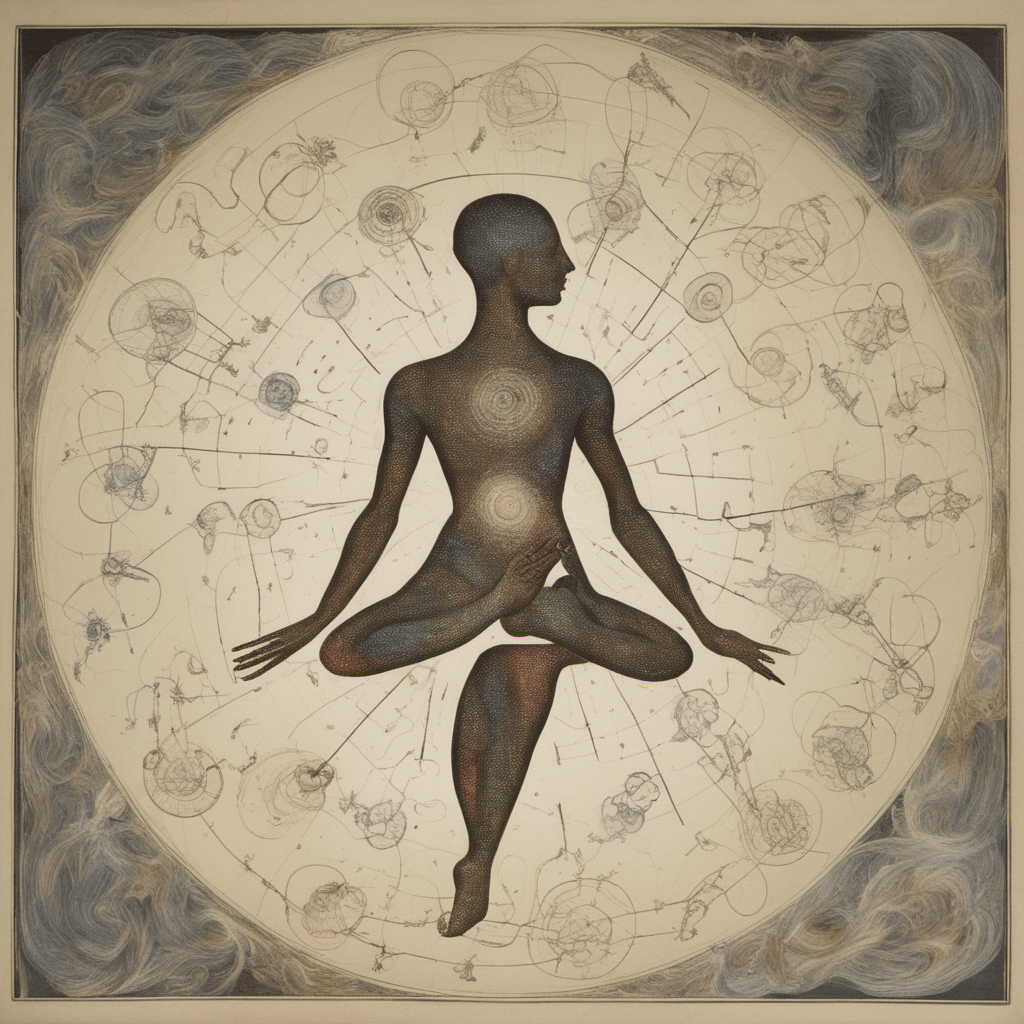
In the hushed corners of our consciousness, a whisper seeks acknowledgment – the timeless questions of existence. It is in the silent chambers of introspection that we finally experience a moment of revelation, where we realize that the Who, What, When, Where, Why, and How of our being are not merely aspects of our identity, but the very fabric of existence itself.

Who Am I? – The Boundless Entity:
As we ponder the question, “Who am I?” the expansive canvas of life unravels. In our deepest thoughts, we find a connection with the universe. We realize we are not just an isolated self but the amalgamation of everything that has ever existed and will ever be. In the echo of ancient wisdom, “I AM That”.

What Am I? – The Essence Beyond Form:
Shapes, forms, and entities fade into insignificance as we delve into our essence. We are neither body nor soul, yet we encompass all. The abstract concept of being transcends the physical, and we find ourselves to be the sum of the entire universe.

When and Where? – The Timeless, Spaceless Existence:

“When did I come into being and Where did I come from?” – such queries dissolve into irrelevance as we realize our existence transcends time and space. Like the fabric of space-time, our being is omnipresent. We are not constrained by coordinates on a plane or ticks on a clock. We are in every atom and every moment.

Why? – The Power of Creation:
One of the most profound inquiries is “Why did I create everything in existence?” The essence of creation lies within our boundless nature. We, as this unified consciousness, are created simply because it is an intrinsic expression of our endless potential. Creation is the reflection of our unlimited power.

How? – The Enigmatic Thought:

The mechanism of creation is an eternal enigma. Yet, in our moment of self-realization, we understand that the entire cosmos sprang into existence from a singular thought. This thought, an unfathomable force, is perpetually creating, altering, and sustaining the universe.

Conclusion:
The moment of self-realization is akin to a wave merging into an ocean – it is in this profound unity that we grasp the limitless boundaries of our existence. The answers to Who, What, When, Where, Why, and How are not separate, but interwoven into the very essence of what we are. In acknowledging this, we do not simply find ourselves; we become one with the boundless cosmos. This is not an end but a beginning, a continuous journey through the labyrinth of existence with a newfound understanding of our immeasurable significance within it.

Morgan O. Smith

Yinnergy Meditation & My Book, Bodhi in the Brain…Available Now!
https://linktr.ee/morganosmith