Unveiling the Self

The Interplay of Spiritual Discovery and Inner Knowing

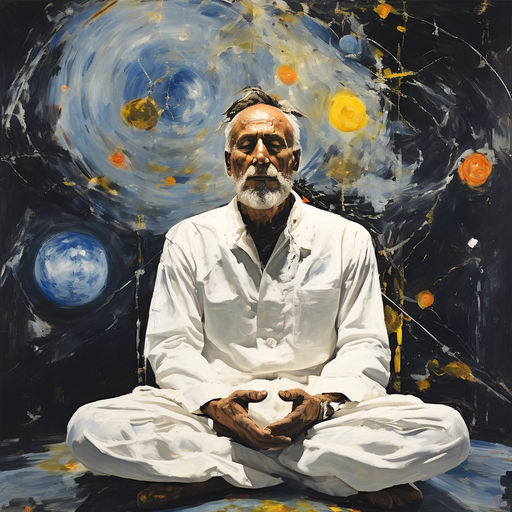
In the labyrinth of spiritual awakening, we often find ourselves at a crossroads: the tranquil acceptance of “Knowing what I am” versus the dynamic pursuit of “Wanting to know more about what I am.” This seemingly contradictory dichotomy is a profound exploration of our journey toward enlightenment.

**The Sanctuary of Self-Knowledge**

Knowing what I am – this realization marks a pivotal moment in our spiritual odyssey. It’s an immersion into the depths of self-awareness where the essence of our being illuminates. This is not a mere intellectual understanding, but an experiential truth that resonates with every fibre of our existence. In this sanctuary of self-knowledge, the incessant chatter of the mind subsides, and we encounter the purest form of our existence. The realization that ‘I am’ transcends the need for definitions, residing in a state of pure beingness.

**The Odyssey of Continual Seeking**

Conversely, the desire to delve deeper and understand more about what we are keeps the flame of spiritual quest alive. This is not a journey marked by restlessness, but rather a deep-seated curiosity and reverence for the unfathomable complexities of our existence. It propels us into an expansive space where every moment is an opportunity for discovery and profound insight. This continual seeking is not driven by a sense of lack but by the awe and wonder of the boundless nature of our being.

**Harmonizing Knowing and Seeking**

The beauty of our spiritual journey lies in harmonizing these two aspects. The state of ‘Knowing what I am’ brings a groundedness and peace, a foundation from which our curiosity can safely explore. Meanwhile, ‘Wanting to know more about what I am’ injects vitality and dynamism into our spiritual practice, ensuring that our journey is an ever-evolving exploration.

Embracing both these aspects allows us to live in a state of dynamic stillness. In this space, the paradox dissolves, revealing that knowing and seeking are not mutually exclusive but are interwoven threads in the fabric of our spiritual evolution.

**Conclusion: The Dance of Enlightenment**

Ultimately, our spiritual path is not about choosing between knowing and seeking. It is about recognizing that both are essential components of our journey toward enlightenment. As we dance between these two states, we discover that each step, whether grounded in knowing or propelled by seeking, is a step closer to the ultimate realization of our true nature.

Morgan O. Smith

Yinnergy Meditation, Spiritual Life Coaching & My Book, Bodhi in the Brain…Available Now!
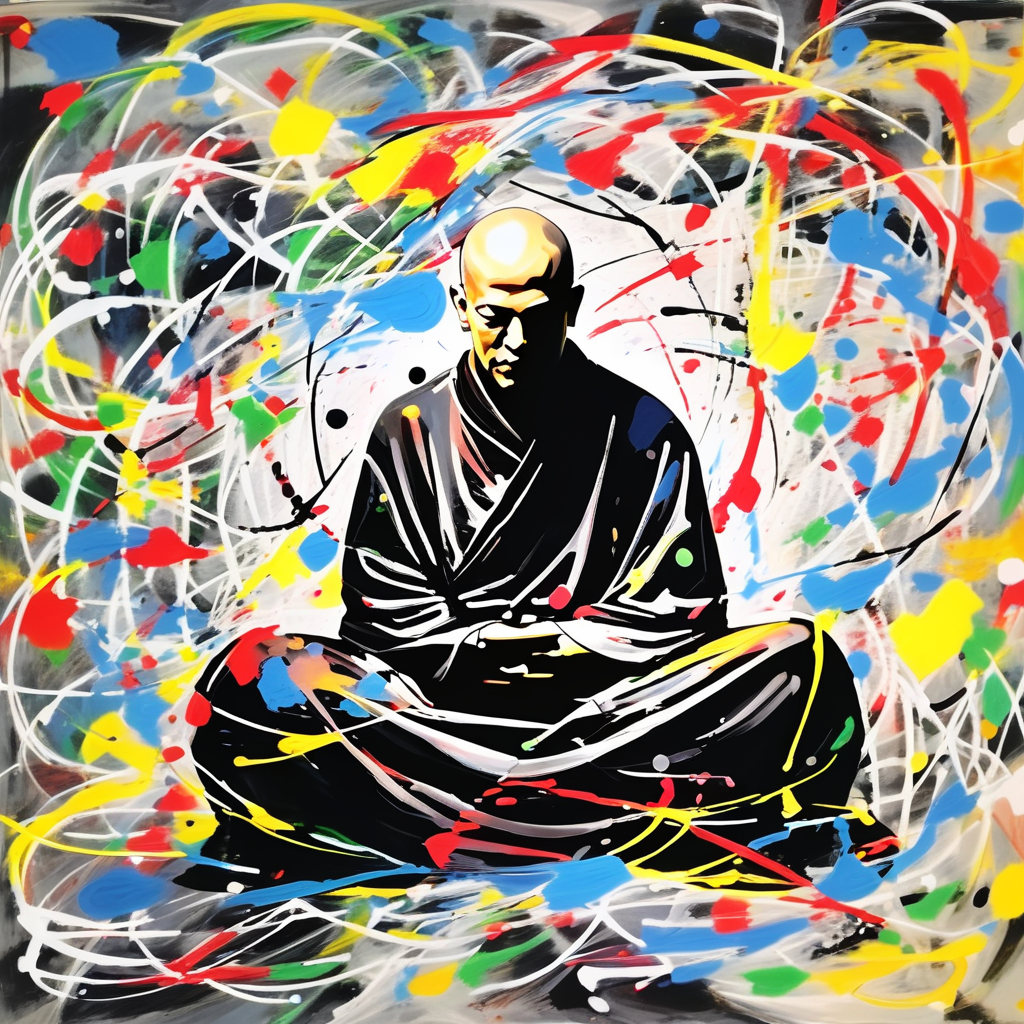
https://linktr.ee/morganosmith

The Dual Nature of Ego

Obstacle and Catalyst in the Quest for Enlightenment

In our quest for spiritual awakening, the concept of the ego plays a paradoxical role. On one hand, it is often seen as the primary hindrance on the path to enlightenment. On the other, it can serve as a vital instrument propelling us toward this very goal. This duality presents a fascinating aspect of our spiritual journey, inviting us to explore the ego not just as an adversary, but also as an ally.

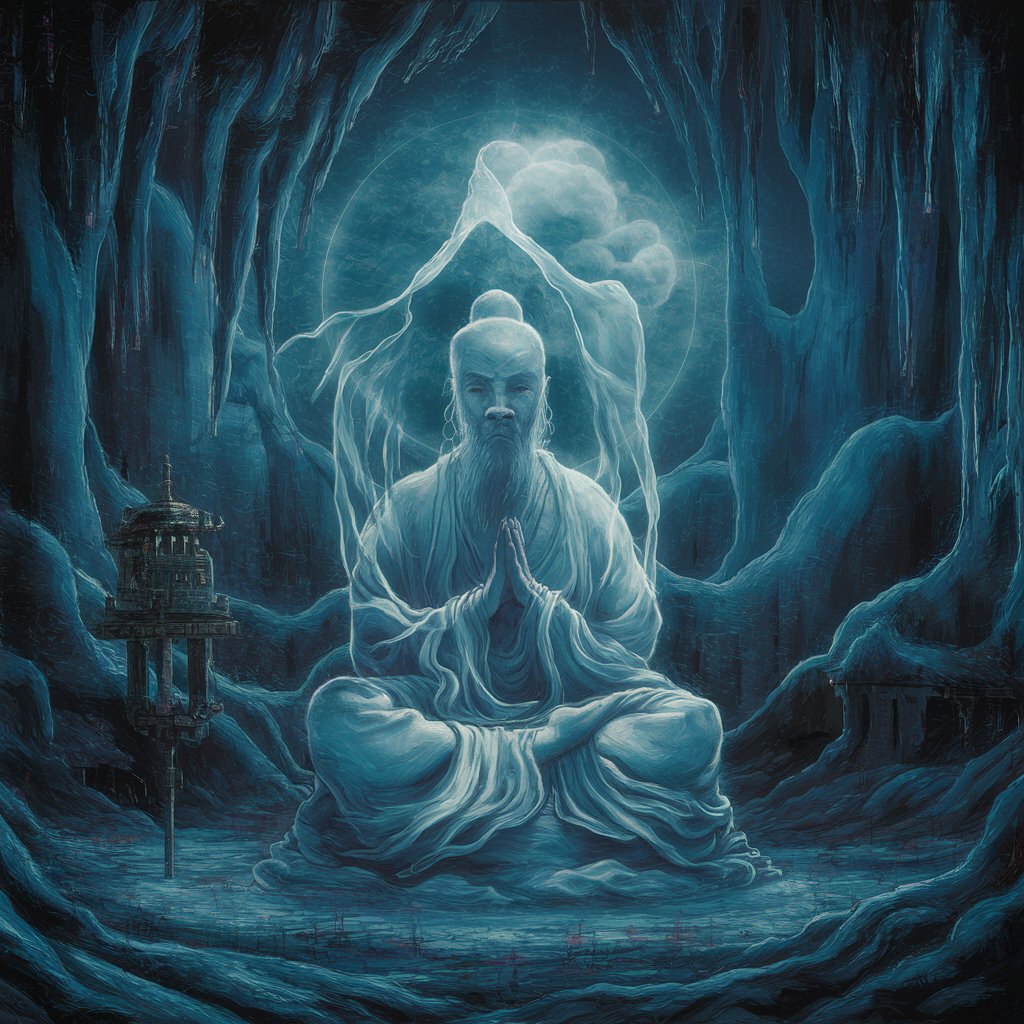
In its most basic form, the ego is our sense of self. It’s the ‘I’ or ‘me’ that navigates through the world. In many Eastern philosophies, the ego is perceived as the root of suffering and illusion. It’s this ego that clings to desires, fears, and identities, trapping us in a cycle of samsara – the continuous loop of birth, life, and death. From this viewpoint, enlightenment is about transcending this limited self and recognizing our true nature, which is unbounded and interconnected with the entire cosmos.


However, this is only one facet of the ego’s role in our spiritual evolution. Consider the idea that the ego can also be a vehicle for growth. It is, after all, the ego that initially sparks the desire for enlightenment. Though rooted in the individual self, this desire can lead us toward a deeper understanding and a broader perspective. The ego drives us to seek, question, and yearn for something beyond our current state. In this sense, it can be seen as a necessary step in our spiritual evolution.

Moreover, confronting and understanding the ego is a vital part of spiritual practice. It’s through this process that we gain insight into our true nature. The ego’s patterns, attachments, and fears are not just obstacles to be removed but also mirrors reflecting our deeper truths. By engaging with our ego, we learn about the constructs of our identity, the nature of our minds, and the illusions we hold. This understanding is a crucial milestone in the journey toward enlightenment.

In this complex dance, the ego is both the veil that conceals the truth and the force that urges us to seek it. As seekers, we must navigate this paradox with awareness and discernment. The goal is not to annihilate the ego but to understand its nature and role in our spiritual development. By doing so, we can transform our relationship with the ego, seeing it not just as a barrier to overcome, but as a teacher guiding us towards greater awareness and unity with the all-encompassing truth.


In conclusion, the ego’s dual nature as both a barrier and a catalyst in the journey toward enlightenment offers a profound lesson. It reminds us that every aspect of our being, including those we perceive as limitations, can contribute to our spiritual growth. The path to enlightenment is not about rejecting parts of ourselves but understanding them in a way that leads to a deeper realization of our true essence.

Morgan O. Smith

Yinnergy Meditation, Spiritual Life Coaching & My Book, Bodhi in the Brain…Available Now!

https://linktr.ee/morganosmith

The Convergence of Self and Universe

A Journey Beyond Duality

In the realm of spiritual exploration, a profound transformation occurs when the distinction between the subject (the observer) and the object (the observed) dissolves. This moment, transcending the conventional boundaries of perception marks the beginning of a remarkable journey into the heart of nonduality.

Imagine perceiving the world not as a bystander but as an integral part of its intricate dance. Here, the observer is not separate from the landscape of life; instead, they merge into a unified field of consciousness. This unity brings about a radical shift in understanding – the realization that the self is not an isolated entity but an expression of the entire cosmos.

In Eastern philosophies, this concept is often explored through meditation and mindfulness practices, encouraging a deep immersion into the present moment. By quieting the mind and suspending judgment, one can experience the essence of being without the filters of personal identity or ego. It is in this space of pure awareness that the artificial division between self and the world fades away.


This realization is more than an intellectual understanding; it is a living, breathing experience. It shifts the way one interacts with the world, fostering a sense of compassion and interconnectedness with all forms of life. The boundaries that once seemed so definitive now appear illusory, revealing a more profound truth about our existence.

For those on the path to spiritual awakening, this merging of subject and object is not the end but a new beginning. It opens the door to a deeper exploration of reality, where every moment holds the potential for enlightenment. The challenge lies in integrating this awareness into daily life, allowing it to transform one’s actions, thoughts, and interactions.


In embracing this journey, we begin to see the world with fresh eyes. The ordinary becomes extraordinary, and the mundane reveals its hidden magic. We find that every moment is an opportunity to deepen our connection with the universe and ourselves.

This exploration is not a destination but an ever-unfolding path. As we walk it, we discover that the truth we seek has always been within us, waiting to be recognized and lived.

Morgan O. Smith

Yinnergy Meditation, Spiritual Life Coaching & My Book, Bodhi in the Brain…Available Now!
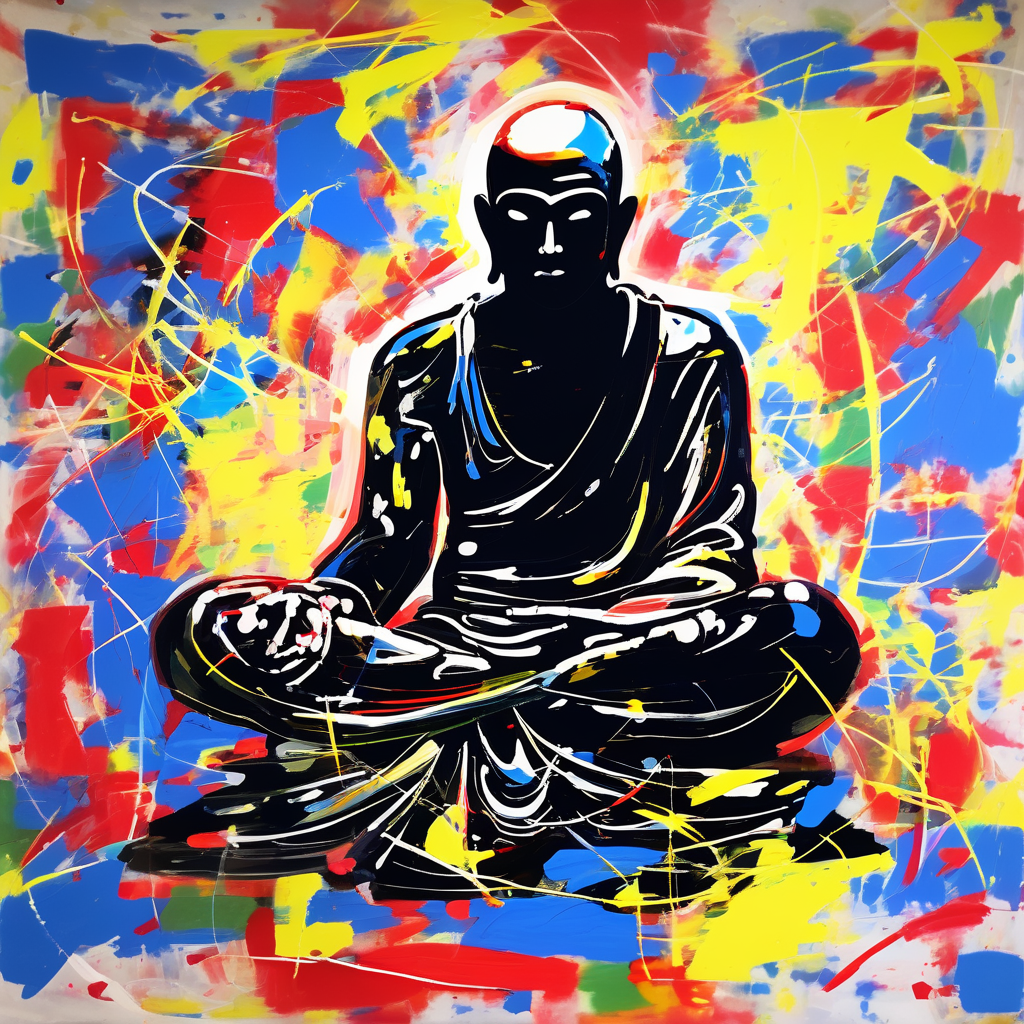
https://linktr.ee/morganosmith

Beyond the Veil of Emptiness

Unraveling the Mystique of Nothingness

In the contemplative realms of the philosophies of the East, the concept of ‘Nothingness’ often surfaces as a profound puzzle, a riddle wrapped in mystery. This notion, far from being a mere absence or void, invites us on a journey beyond the ordinary boundaries of thought and understanding.

When I refer to ‘Nothingness,’ I am pointing towards a reality that eludes the grasp of conventional ideas and definitions. It is not simply a negation of ‘something’ nor a space waiting to be filled. This Nothingness is a state of pure potentiality, unbound by the limitations of conceptual thinking. It is the silent backdrop against which the drama of existence unfolds, yet it is not separate from the play itself.

In the rich landscape of nondual understanding, Nothingness is not a destination to be reached or a concept to be understood. It is the very ground of being, the essence that permeates all existence. In the wisdom traditions of the East, this is often likened to the vastness of space – ever-present, all-encompassing, yet intangible and indefinable.


This exploration into Nothingness challenges the mind’s habitual tendency to label and categorize. It invites a surrender, a letting go of the need to understand or explain. Here, in this space of not-knowing, lies the potential for true spiritual awakening. It is in this realm where the mind is quieted that one may glimpse the ineffable truth of oneness.

In the dance of existence, Nothingness and form interplay seamlessly. Understanding this interplay is not an intellectual exercise but an experiential realization. It is a recognition that form arises from and returns to this formless void, like waves rising and falling in the ocean. This realization brings a sense of liberation, a freedom from the constraints of ego-driven perceptions.

Engaging with this concept of Nothingness requires a radical shift in perspective. It is about seeing beyond the apparent dualities of existence and non-existence, form and formlessness. In this understanding, one recognizes that the true nature of reality transcends these dichotomies.


In conclusion, the journey into Nothingness is not a journey outward to some external reality, but an inward voyage to the depths of one’s being. Here, in the heart of silence and stillness, the mystery of existence reveals itself not as a puzzle to be solved, but as a truth to be lived.

Morgan O. Smith

Yinnergy Meditation, Spiritual Life Coaching & My Book, Bodhi in the Brain…Available Now!

https://linktr.ee/morganosmith

The Eternal Cycle

Death’s Feast and the Birth of Life

In the intricate dance of existence, death is not merely an end but a vital participant in the cycle of life. This profound interplay, often overlooked, reveals the essential truth that in the demise of one form lies the genesis of another.

Death, in its most elemental guise, dines upon the physical remains of life. Be it the flesh of creatures or the verdure of plants, death consumes without distinction. This act, often viewed with solemnity or fear, is, in fact, a transformative process. As bodies decompose and vegetation withers, they are not vanishing into oblivion. Instead, they are undergoing a metamorphosis, a sacred transition that feeds the very essence of life.

In this process, what was once living matter returns to the earth, breaking down into simpler forms. This decomposition is not merely a physical breakdown; it is a release of energy, a surrender of essence back to the source from which it came. It’s a testament to the interconnectedness of all things, where the end of one entity fuels the beginning of another.


This cycle is a reflection of the profound truth of nonduality. In the realm of absolute monism, death and life are not opposites but are inseparably intertwined, each giving meaning and substance to the other. This realization brings a deeper understanding of the nature of existence, where every ending is a new beginning, and every loss is a step towards renewal.

Thus, contemplating death’s role in the continuum of life opens a doorway to a more profound spiritual awakening. It invites us to view life and death not as a linear journey with a definitive end but as an eternal cycle of transformation and rebirth.


As we ponder this cycle, we are reminded of the impermanence of physical form and the permanence of the spiritual essence. This understanding can be a catalyst for personal growth, urging us to look beyond the transient and to connect with the eternal. It encourages us to embrace the present moment, live with mindfulness and compassion, and understand that in the grand scheme of existence, every moment is a part of this sacred cycle.

In embracing this perspective, we find peace in the knowledge that in every ending lies a new beginning, and in every death, the seeds of new life are sown.

Morgan O. Smith

Yinnergy Meditation, Spiritual Life Coaching & My Book, Bodhi in the Brain…Available Now!
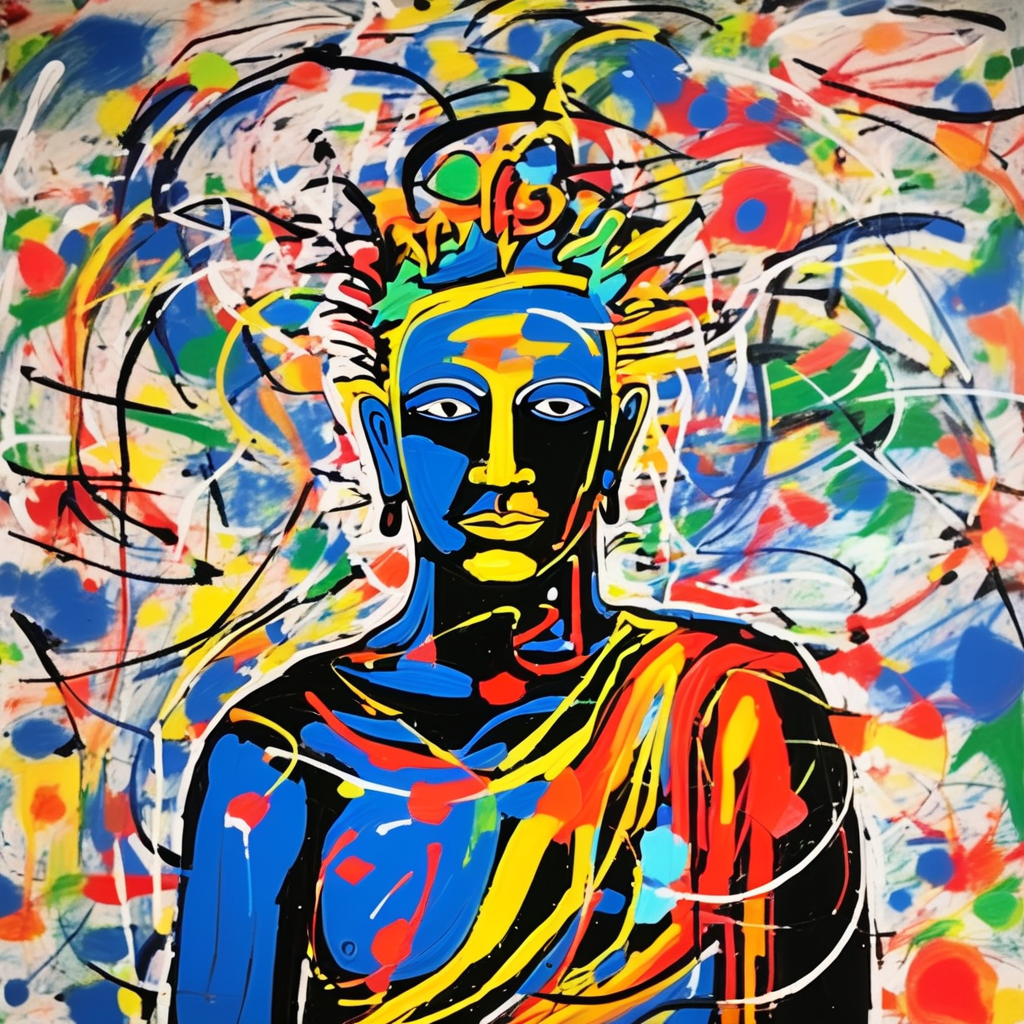
https://linktr.ee/morganosmith

Embracing the Ethereal

The Journey Beyond Attachments

In the boundless quest for spiritual awakening, we often encounter the concept of ‘freedom’—a term that resonates deeply within the chambers of the soul. Yet, what is this freedom that spiritual traditions speak of with reverence? It is not the liberty of movement or choice as perceived in our physical world, but rather, an emancipation from the very chains that bind our consciousness: attachments.

Attachments, in their myriad forms, are akin to anchors that tether our spirits to the transient. These may manifest as material possessions, relationships, or even intangible ideologies. Clinging to these creates a false sense of security, an illusionary comfort that veils our perception of the ultimate truth.

The essence of spiritual liberation lies in the realization that our true nature is not confined by these attachments. It’s a journey inward, where one discovers that we are but pure consciousness, unshackled and expansive at the core. This realization is profound, for it illuminates the path to absolute freedom.

This freedom is not a destination but an ongoing process of shedding layers of conditioning. It requires vigilance and introspection, challenging us to look beyond our perceived needs and desires. As we embark on this journey, we begin to experience life in its purest form—unfiltered and unbounded.

The practice of detachment does not imply a life devoid of relationships or possessions. Rather, it encourages a relationship with the external that is not governed by dependency or craving. It teaches us to appreciate and engage with the world without being enslaved by its allure.

As we cultivate a state of non-attachment, we find ourselves more present, and more attuned to the subtleties of life. We experience a profound peace, knowing that our inner sanctum remains untouched by the ebb and flow of external circumstances.

This path to ultimate freedom is not devoid of challenges. It confronts the very foundations upon which we have built our understanding of self and the world. Yet, it is in this confrontation that we find the opportunity for true growth and enlightenment.

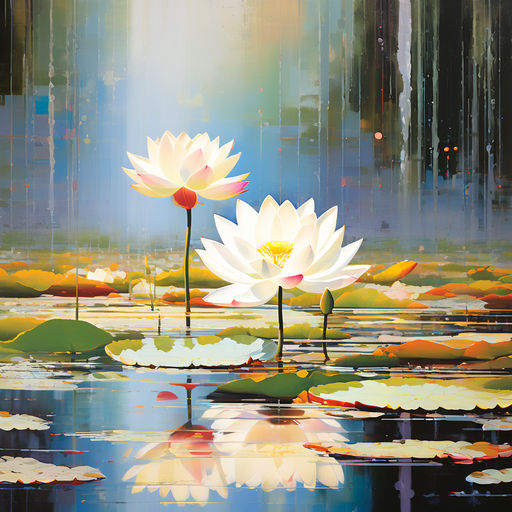
In embracing this ethereal freedom, we become witnesses to the dance of existence, participating fully yet not lost in its rhythm. We become like the lotus, rooted in the mud but untouched by the water.


The journey beyond attachments is an invitation to experience life in its unadulterated essence, to witness the unfolding of consciousness in its majestic expanse. It is a call to embrace the ethereal freedom that lies within each of us, waiting to be discovered.

Morgan O. Smith

Yinnergy Meditation, Spiritual Life Coaching & My Book, Bodhi in the Brain…Available Now!

https://linktr.ee/morganosmith

Eyes Wide Shut

Unveiling the Invisible Universe Within

In the silent depths of introspection, where thoughts cease their constant dance, lies a universe – vast, profound, and largely unexplored. This universe, your inner cosmos, remains hidden to many, discernible only to those who venture beyond the veil of the mundane. It’s a realm where the mind’s eye, with eyes wide shut, sees what is invisible to the physical gaze.

In this sacred space, the concept of nonduality blossoms. Here, the dichotomies of self and other, observer and observed, dissolve into a seamless expanse of consciousness. This realization is not an intellectual one; it is an experiential awakening, where one’s essence merges with the infinite.

Eastern philosophy, with its rich heritage and profound insights, offers a map to navigate this inner universe. It teaches us that our true nature is not confined to the limited identity we often cling to. Instead, it guides us to see ourselves as integral parts of a larger, interconnected whole. In this realization, the illusion of separation fades, and we begin to experience life in its totality.


Integral Theory furthers this journey by offering a framework that harmonizes diverse perspectives. It encourages us to integrate multiple dimensions of our being – emotional, mental, physical, and spiritual. This holistic approach fosters a deeper understanding of ourselves and the world around us, leading to more meaningful and enriched life experiences.

Yet, the journey inward is not merely an intellectual exercise. It’s a path paved with the heart’s wisdom, a journey toward spiritual awakening and enlightenment. It’s about transcending the ordinary to touch the extraordinary, about finding the stillness within the storm. In this stillness, we encounter peak mystical experiences, moments where time stands still, and we are at one with all that is.

Embracing this inner journey transforms how we view ourselves and the world. We start to see beauty in the mundane, wisdom in silence, and truth in simplicity. Our interactions become more compassionate, our actions more mindful, and our lives more purposeful.


I invite you to embark on this profound journey. Close your eyes to see the unseen, listen to the silence to hear the unspoken, and still your mind to understand the incomprehensible. In doing so, you may just discover that the entire universe resides within you, waiting to be explored.

Morgan O. Smith

Yinnergy Meditation, Spiritual Life Coaching & My Book, Bodhi in the Brain…Available Now!

https://linktr.ee/morganosmith

Maya Unveiled

Understanding the Illusion in Every Gaze

In the intricate dance of life, where perceptions and reality often intertwine, lies the ancient concept of Maya. Rooted deeply in Eastern philosophy, Maya is an idea and an expansive realm of understanding. It invites us to question: What is the true essence of what we perceive? How does the veil of illusion colour our view of the world?

**The Mirage of Perception**

Each moment, we are surrounded by a myriad of stimuli. As interpreters, our senses craft a version of reality that we accept as truth. But this truth is subjective, filtered through the lens of personal experiences, beliefs, and biases. In this way, the world we perceive is not an absolute, but a personal construct. Just as a painter brings forth a landscape from his imagination onto the canvas, we too paint our realities, often unaware that the brush is in our hands.

**The Nature of Maya in Daily Life**

Maya is omnipresent, influencing every aspect of our existence. It shapes our relationships, our joys, and our sorrows. Even our self-identity is a product of this illusion, a constructed narrative we cling to. The roles we play, the labels we adopt, are but temporary garments worn by the eternal self.


**Transcending the Illusion**

In the pursuit of spiritual awakening, recognizing the presence of Maya is a pivotal step. It is in understanding that what we perceive as concrete may indeed be ephemeral. Meditation and mindfulness practices serve as gateways to this realization. As we dive deeper into the realms of introspection, we begin to distinguish the impermanent from the eternal, the illusory from the real.

**Integrating Maya into Enlightenment**

Embracing Maya does not mean rejecting the world. Instead, it involves seeing through the veil, and acknowledging the illusion while engaging with the world. It is about finding harmony between the spiritual and the material, understanding that even in illusion, there is a purpose and a lesson.

**A Journey Beyond the Visual**

Our journey of enlightenment is not about negating our experiences but about transcending their limitations. It involves expanding our consciousness beyond the confines of personal perception, into a space where unity and diversity coexist, where the duality of self and other dissolves.


**Conclusion**

Maya, often misunderstood, is not a barrier but a bridge. A bridge that leads us to question, to seek, and ultimately to understand the profound nature of existence. In every distorted view lies a hidden truth, waiting to be uncovered by the earnest seeker.

Morgan O. Smith

Yinnergy Meditation, Spiritual Life Coaching & My Book, Bodhi in the Brain…Available Now!
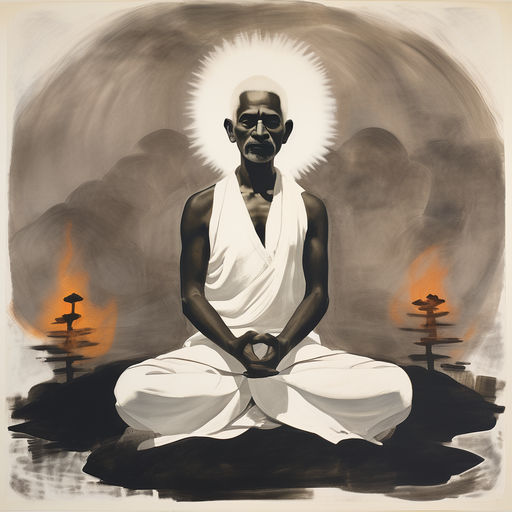
https://linktr.ee/morganosmith

Embracing the Void

The Liberation in Nothingness

In our world, brimming with constant stimulation and endless narratives, the concept of ‘Nothingness’ seems almost alien. It’s a state often misunderstood, perceived as a void of despair or a lack of being. Yet, this misconception veils a profound truth. Nothingness, in its purest form, is not a gaping emptiness but a space of boundless freedom. It’s an existential canvas, untouched and unburdened by the layers of human conditioning and societal constructs.

Nothingness is a realm where concepts don’t exist. It’s a landscape where ideas, beliefs, and expectations don’t anchor us. In this space, the false self – that avatar sculpted by external influences and internal conflicts – dissolves. What remains is the essence of being, unshaped by narratives, uncolored by prejudices, and unconfined by the boundaries of identity.


This concept is not new. Philosophers, mystics, and thinkers throughout history have grappled with the notion of ‘Nothingness.’ They’ve seen it not as a pit of nihilism but as a sanctuary of potential. In Zen Buddhism, for example, ‘Mu’ or ‘Emptiness’ is a state to aspire to, a space of pure existence and awareness without the filters of the mind.

The journey to this state is not about negation but about liberation. It’s about peeling away the layers, not to find nothingness but to discover everything in its unaltered form. When we detach from the myriad thoughts, stories, and labels we’ve collected over time, we start seeing the world and ourselves in a clearer light. We begin to experience life not as a series of reactions to preconceived notions but as a flow of unfiltered experiences.

Imagine for a moment, a life free from the tyranny of the ‘shoulds’ and ‘musts,’ a life where our choices are not dictated by ingrained beliefs but are born out of pure awareness. In this space, creativity flourishes, for it is not hindered by fear of judgment or failure. Relationships deepen, as they are not clouded by expectations or past grievances. Every moment becomes an opportunity for genuine discovery, unmarred by the past or the future.

However, embracing Nothingness is not a denial of reality or responsibility. It’s about approaching life with a fresh perspective, one that is unencumbered by the weight of preconceptions. It’s about living authentically, aligned with one’s true nature, rather than a constructed persona.


In a world that often feels chaotic and overwhelming, the state of Nothingness offers a sanctuary of peace and clarity. It reminds us that at the core, beyond the noise and the clutter of our conditioned minds, there is a space of pure potential, waiting to be explored.

The state of Nothingness is not a destination to be reached but a journey to be embraced. It’s a continuous process of unlearning, of letting go, and of returning to the essence of who we truly are.

Morgan O. Smith

Yinnergy Meditation, Spiritual Life Coaching & My Book, Bodhi in the Brain…Available Now!

https://linktr.ee/morganosmith

Unlocking the Mind’s Full Potential

A Journey Beyond the Ordinary

In a world where our thoughts often run on autopilot, dictated by routine and societal norms, the true potential of the human mind remains largely untapped. It’s akin to a vast, unexplored landscape, brimming with possibilities that transcend the mundane. But how do we navigate this inner wilderness and fully express the capabilities of our minds?

The first step is awareness. We must become conscious observers of our thought processes. This goes beyond mere introspection; it involves a deep, almost meditative attention to the way we think, feel, and perceive the world. Only then can we identify the habitual patterns that confine our mental agility.


Next is the cultivation of curiosity. A curious mind is an active mind, always seeking, always questioning. It does not accept the world at face value but looks for the layers and connections that lie beneath the surface. This relentless quest for understanding and meaning propels our thoughts to new heights.

Creativity is the third key element. It’s not just about artistic endeavours; creativity is a way of thinking, a means of viewing the world through a lens of possibility and innovation. When we embrace our creative impulses, we give ourselves permission to think outside the conventional frameworks and explore new territories of thought.

Finally, there is the aspect of connection. Our minds are not isolated entities; they thrive on the exchange of ideas and experiences with others. Engaging in thoughtful dialogue, embracing diverse perspectives, and seeking collaborative ventures enrich our mental processes and broaden our understanding.


As we embark on this journey of mental exploration and expression, we discover that the human mind is not just a tool for navigating life’s practicalities. It is a dynamic, ever-evolving entity, capable of extraordinary insights and profound understanding. The journey to fully activate our brains is, in essence, the journey to a more fulfilled and enlightened existence.

Morgan O. Smith

Yinnergy Meditation, Spiritual Life Coaching & My Book, Bodhi in the Brain…Available Now!

https://linktr.ee/morganosmith