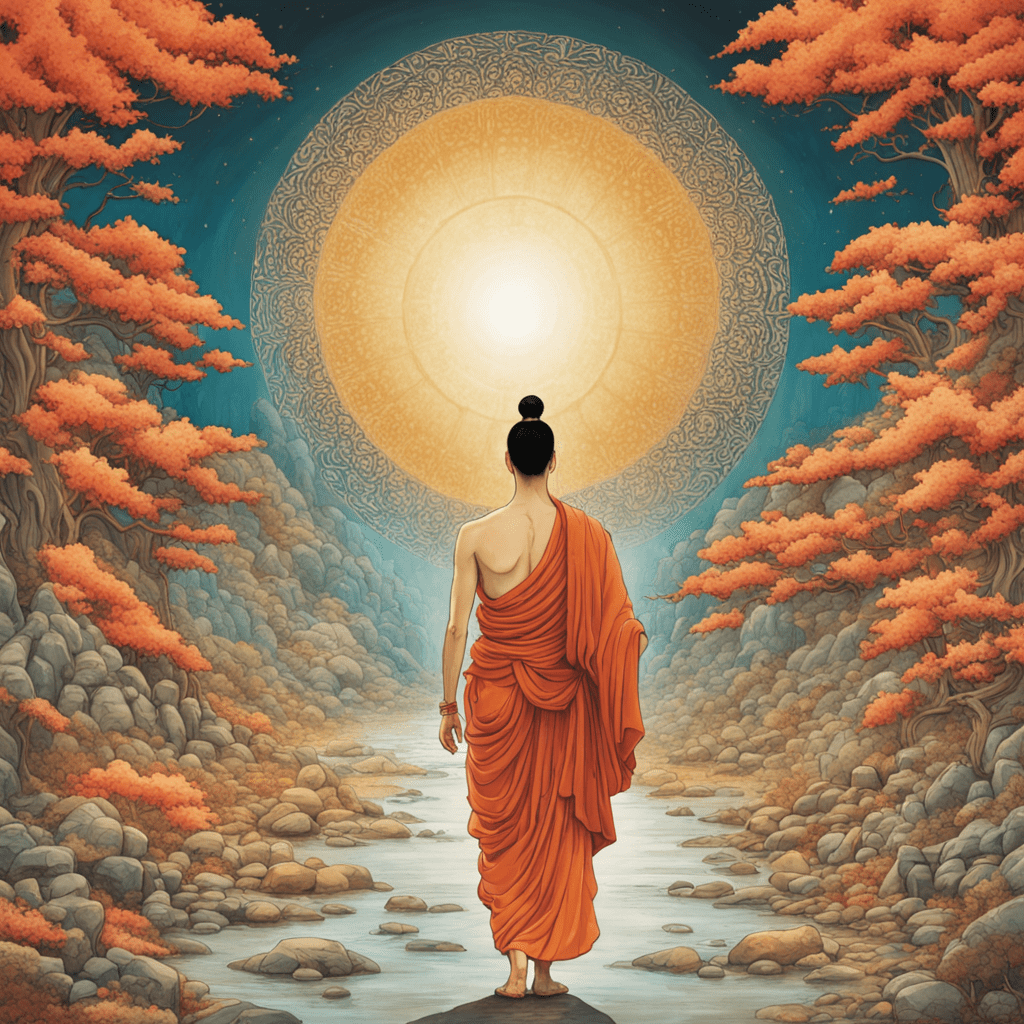
A Mind Fully Expressed

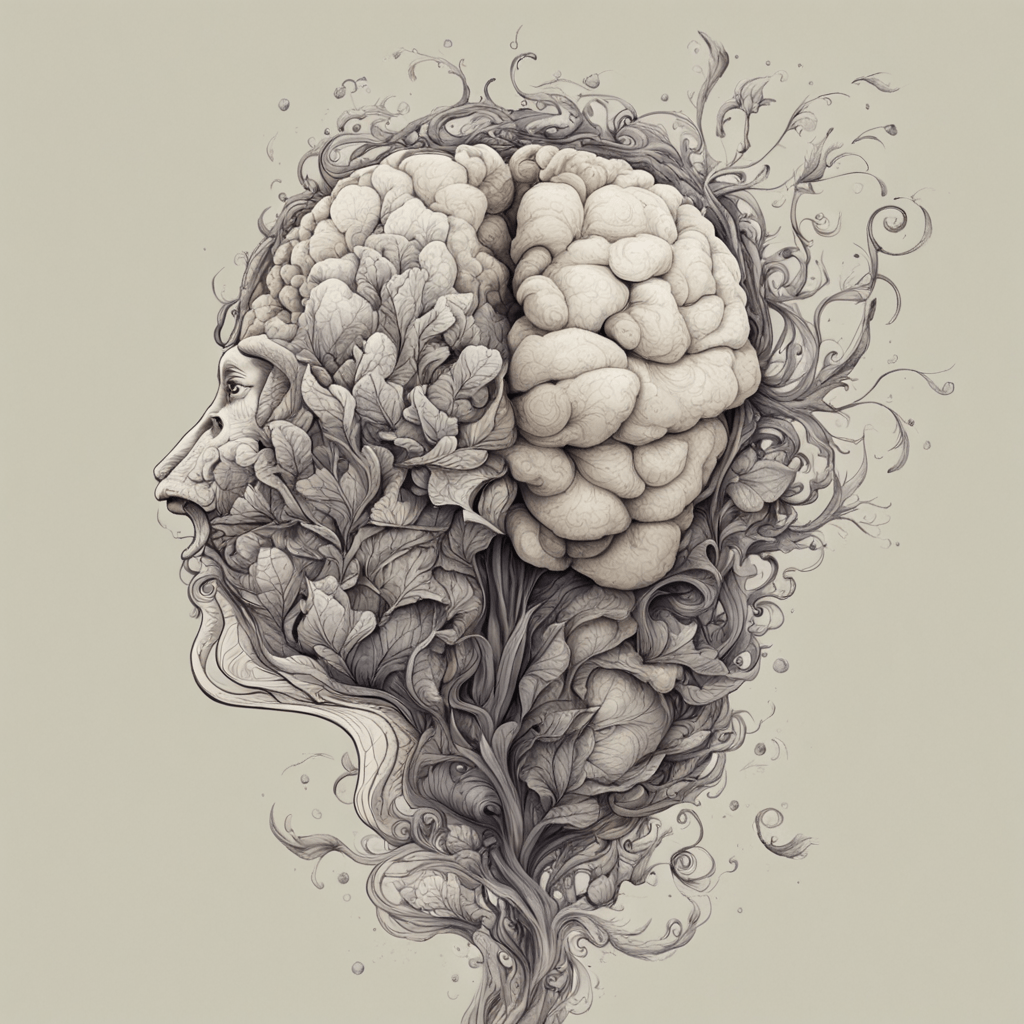
The human brain holds untapped dimensions of potential, yet most individuals navigate life using only fragments of its capability. This limitation is not due to biology but to patterns of thinking and perception shaped by societal conditioning, habitual behaviours, and resistance to change. The question arises: What does it mean to fully activate the brain? And how can this lead to a fully expressed mind?

A fully activated brain does not signify busyness or overstimulation. Instead, it represents a harmonious integration of logic, creativity, intuition, and awareness. When these dimensions align, the mind ceases to operate in fragmented dualities—right versus wrong, success versus failure—and begins to function as an instrument of boundless expression.

Achieving this state requires more than intellectual stimulation or the accumulation of knowledge. Practices such as meditation, neuroplastic exercises, and deep creative play open pathways to dormant brain regions. These practices cultivate a unified consciousness where clarity replaces confusion, and insight transcends limitation.

Activation begins by challenging the mind’s default settings. Unlearn the need for control, question the narratives you’ve inherited, and observe the interplay between thought and emotion without attachment. By dissolving mental rigidity, space emerges for new possibilities to take root.

A fully expressed mind doesn’t simply solve problems; it creates realities. When the brain functions as an integrated whole, life transforms into a canvas for profound exploration, innovation, and growth. Every action, from the simplest interaction to the grandest creation, becomes a reflection of an awakened state of being.
This level of brain activation is not reserved for the mystics, the prodigies, or the geniuses. It is the birthright of every human being willing to dismantle the barriers within and embrace the unknown. The fully expressed mind is a testament to the infinite nature of consciousness, a reminder that the boundaries we perceive are self-imposed illusions.

Are you ready to unlock this potential? The journey requires courage, but the reward is a life that radiates authenticity, creativity, and boundless freedom.

Morgan O. Smith

Yinnergy Meditation, Spiritual Life Coaching & My Book, Bodhi in the Brain…Available Now!
https://linktr.ee/morganosmith

The Perfect Gift Wrapped in Mind

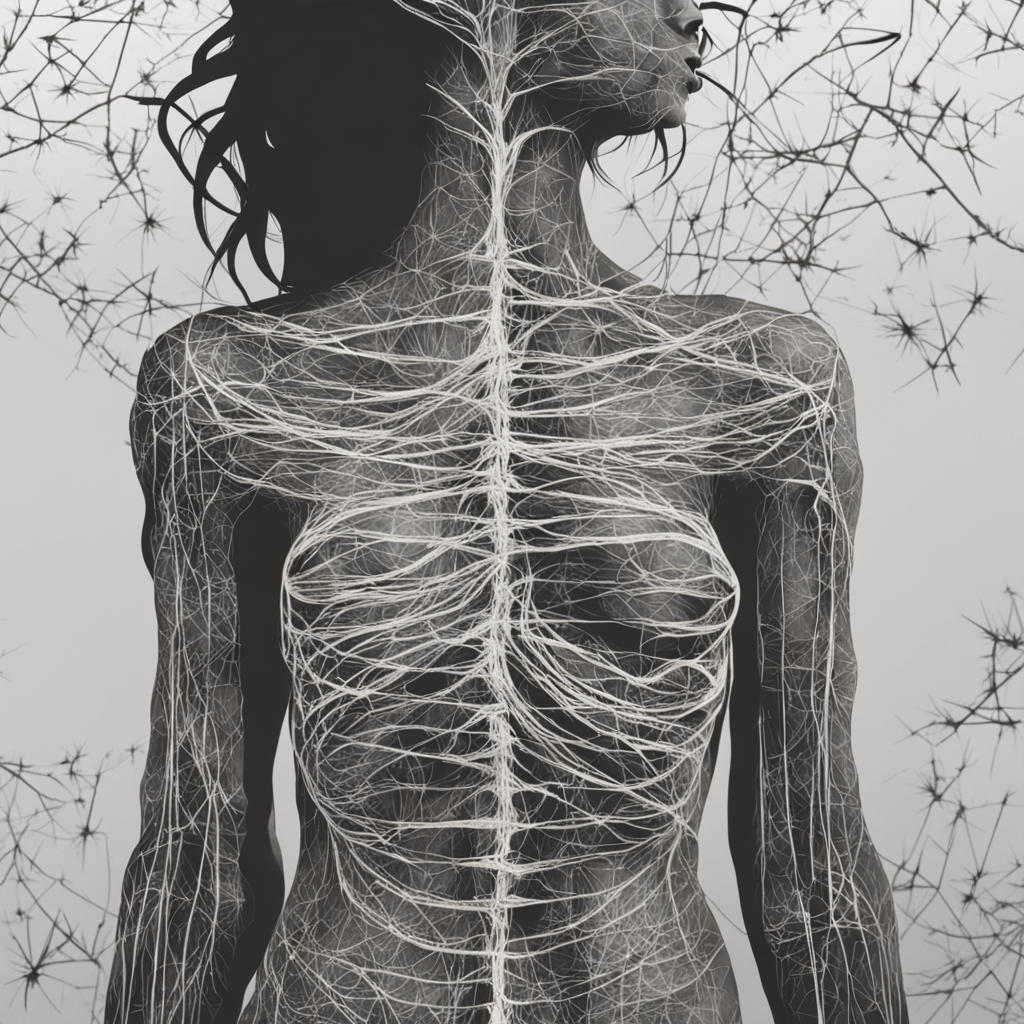
The body is often seen as a vessel, a biological mechanism enabling experience and action. But what if we approached it differently? What if we recognized the body as the ultimate gift—intricately wrapped in layers of mind, emotion, and perception? This perspective shifts us from treating the body as a passive object to understanding it as an intelligent instrument of the infinite.

Each sensation the body offers is a doorway. The ache in your shoulders, the flutter in your stomach, the breath moving through your chest—these aren’t merely physiological events. They are signals, invitations to become aware of the mind’s imprints and the silent intelligence that animates them. The body reveals the unseen layers of the mind, not to entangle us but to set us free.

Consider the interplay of movement and stillness. A heartbeat pulses within every moment of quietude, a reminder that even in perceived rest, life hums with activity. Similarly, the mind often overlays the body’s simplicity with stories—self-judgment, desires, and fears. Yet, beneath this mental wrapping lies pure awareness, unclouded and ever-present.

True liberation doesn’t come from rejecting the body or attempting to transcend it but from embracing its divine design. The body is where the formless meets form, where consciousness expresses itself in tangible, palpable ways. When we cease resisting its messages and begin listening with curiosity, the body transforms from an object of control into a teacher of profound wisdom.

This realization is not merely theoretical. It can be felt. Try sitting quietly and attuning to the subtleties of your breath. Notice the places where tension resides, where the body’s natural rhythms feel interrupted. With gentle attention, ask: “What is this teaching me?” Often, the mind will resist—habitually seeking distraction or interpretation. But as you remain present, something deeper emerges: an understanding that the body and mind are not separate, but two facets of the same infinite presence.

Awakening is not about leaving the body behind but about fully inhabiting it. By appreciating its perfect gift and unwrapping the layers of mind that obscure it, we find ourselves drawn closer to our true nature.

The next time you feel pain, joy, or anything in between, pause. Let the body be your guide, not just a vehicle for experience but the very expression of life’s sacred mystery.

Morgan O. Smith

Yinnergy Meditation, Spiritual Life Coaching & My Book, Bodhi in the Brain…Available Now!

https://linktr.ee/morganosmith

Exciting Updates: Podcasts, Articles & More!

Hello Friends,

I’m thrilled to share some exciting updates about the work I’ve been doing and the new insights I’ve been exploring. From podcasts to articles and more, here’s what’s new in my world of meditation, neuroscience, and personal transformation.

Diving Into the Mind on Guru Viking Podcast

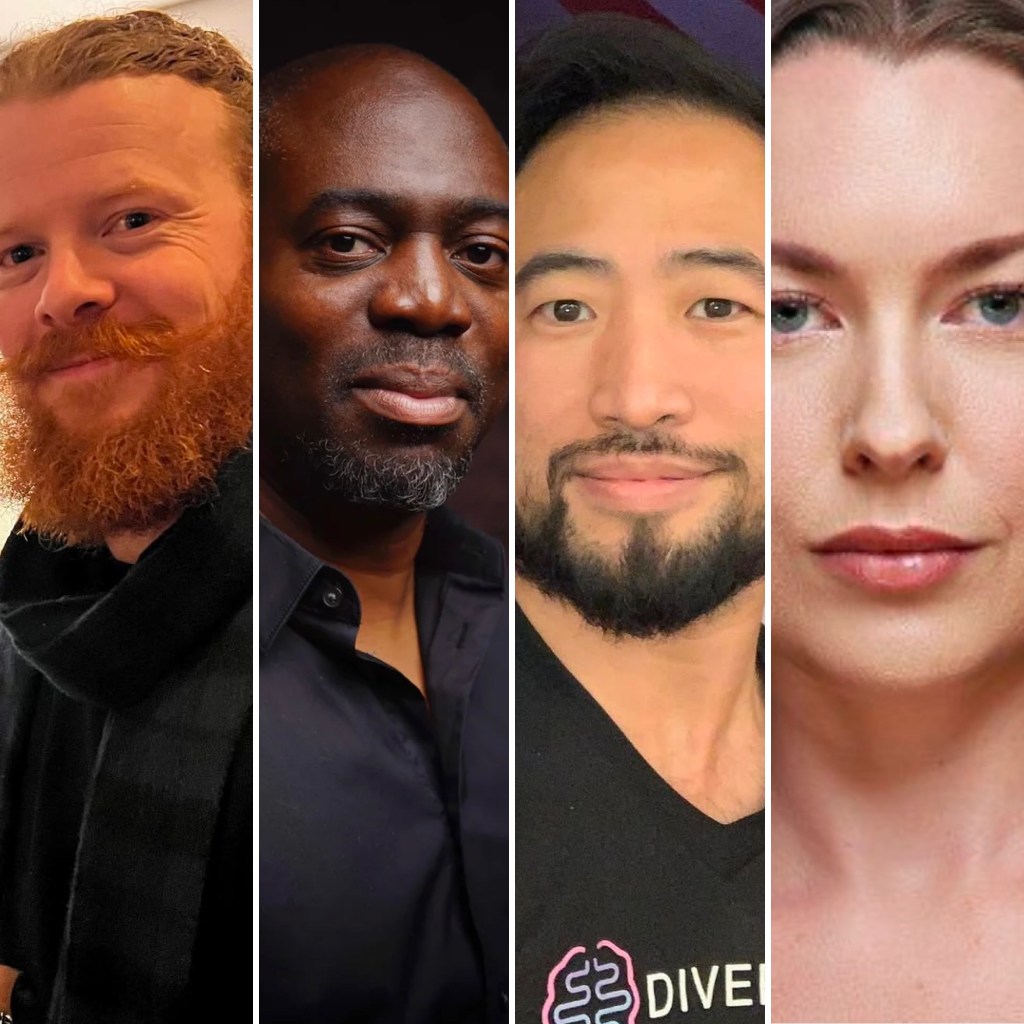
I recently had the pleasure of joining Steve James on the Guru Viking Podcast for another enlightening discussion. This time, I was joined by Alex Ni of Divergence Neuro Technologies and Columbia University neuroscience student Chelsey Fasano to explore the fascinating world of my unique brainwave patterns.

These brainwaves, cultivated over two decades of dedicated meditation, offer profound insights into how the mind and meditation can intersect with neuroscience and personal growth.

Stay tuned for the full episode, but you can see some of my results here:
Exploring the Mind of an Advanced Meditator Pt. 2.

Check out Guru Viking every Friday on YouTube, Apple Podcasts, SoundCloud, and Spotify!

My Story Featured in Usainstants & Brainz Magazine

I’m honored to have my journey featured in Usainstants, where you can read about my transformation from awakening to creating the Yinnergy program. This story highlights how meditation has reshaped my life and the lives of many others. Read the full article here: Morgan’s Transformative Journey.

Additionally, as an Executive Contributor to Brainz Magazine, I’ve been sharing my perspectives on mindfulness, spirituality, and transformation. You can explore my latest articles here: Brainz Magazine.

Stay Tuned for More

I’m so grateful to be able to share my journey with you through these platforms. From podcasts to articles, each step is another opportunity to explore the limitless possibilities of the human mind and spirit.

Thank you for being a part of this journey. Together, let’s continue to unlock the extraordinary potential within us all.

With gratitude and excitement,

Morgan O. Smith

Yinnergy Meditation, Spiritual Life Coaching & My Book, Bodhi in the Brain…Available Now!
https://linktr.ee/morganosmith

Nothing Exists

The Witness Alone Remains

Every belief we hold about reality begins with a fundamental assumption: that something exists. Objects, thoughts, emotions, and even the concept of the self are taken as undeniable truths. But when we look closer, reality reveals itself to be far less solid. Strip away perceptions, dismantle the narratives, and what remains? Nothing. Not the nothing of absence, but a profound, living nothingness that holds the potential for everything.

The paradox lies here: if nothing truly exists, then what is aware of this nothing? What observes the rise and fall of sensations, thoughts, and forms? The answer is the witness—pure awareness, untouched by the shifting currents of existence. It is not an object that can be grasped, but the context in which all objects appear.

What Is the Witness?

The witness is not the thinking mind or the personality you’ve constructed through years of conditioning. It is that which observes even the mind itself. The witness is silent, still, and ever-present. It is not bound by time, nor does it possess a location. While the body and thoughts belong to the world of form, the witness transcends it entirely.

When you recognize the witness, the illusion of existence begins to unravel. The objects of your awareness—whether external events or internal thoughts—are revealed to be fleeting, momentary phenomena. They appear, they shift, and they dissolve, leaving no trace of permanence. The witness alone remains unchanged, untouched by the dance of creation and destruction.

Nothingness as Freedom

The recognition that nothing exists liberates you from attachment. If everything is transient, then clinging to any experience, belief, or identity is an exercise in futility. This does not mean rejecting the world but meeting it with openness, seeing it for what it is: a play of appearances arising within the vastness of nothingness.

This nothingness is not cold or lifeless. It is the fertile void from which all existence springs, a source of infinite creativity and potential. The witness watches the unfolding of this creative process, yet remains uninvolved, free from entanglement.

Who Experiences Existence?

The ultimate question arises: if nothing exists, how can existence be experienced at all? The witness is both the perceiver and the essence of existence itself. It is through the act of witnessing that “existence” takes on meaning. Without the witness, there is no one to perceive existence. The world, as we know it, cannot exist independently of the awareness observing it.

This insight has profound implications. The separation between the experiencer and the experienced dissolves. Reality is no longer something “out there” to be analyzed or controlled; it is a dynamic flow that arises within you, as you. The witness is not apart from existence—it is existence, recognizing itself through the illusion of separation.

Living as the Witness

To live as the witness does not mean rejecting the world or detaching from life. It means fully engaging with reality while knowing its true nature. You move through life with clarity, seeing that every thought, every sensation, and every moment arises from nothing and returns to nothing. The recognition of this emptiness brings freedom—not a withdrawal from life, but a deeper immersion in its sacredness.

When the witness becomes your anchor, suffering loses its grip. Challenges and emotions no longer define you; they are simply waves in the ocean of awareness. Relationships deepen, as you no longer seek validation or fulfillment from others. The peace of the witness is enough.

This realization is not a conclusion but an ongoing experience. Every moment offers an opportunity to rest in the witness, to see through the illusions of existence, and to marvel at the profound simplicity of being.

Morgan O. Smith

Yinnergy Meditation, Spiritual Life Coaching & My Book, Bodhi in the Brain…Available Now!

https://linktr.ee/morganosmith

The Neutrality of Being

Beyond Preference and Bias

Human experience revolves around preferences—good versus bad, desirable versus undesirable. From a young age, we are conditioned to label moments, objects, and relationships based on our likes or dislikes, shaping a world of duality. Yet, something remarkable may begin to unfold for those who experience a profound spiritual awakening. The intensity of preferences softens, and the once-compelling narratives around right and wrong, beautiful and ugly, start to lose their grip.

This shift isn’t forced or rehearsed; it arises organically as consciousness deepens. It’s not about suppressing preferences or pretending they don’t exist. Rather, it’s about witnessing them without attachment. You might still notice that one meal tastes better than another, or that one kind of weather feels more comfortable, but the emotional charge—the bias for or against—diminishes.

This state of neutrality doesn’t negate the ability to express feelings about situations or objects. Joy, sadness, appreciation, or aversion may still arise naturally. However, the inner dialogue changes. An object once deemed essential for happiness may now appear as just an object. A situation that would have previously elicited anger or frustration may no longer hold the same power.

Neutrality is not numbness or indifference; it is the ultimate expression of freedom. When bias fades, life’s experiences are not judged as lacking or sufficient—they simply are. This perspective offers a profound sense of peace. When preferences no longer dominate the mind, the heart is free to engage with reality exactly as it unfolds.

This state isn’t something that needs to be chased or consciously cultivated. It arises as a natural byproduct of deep inner awakening. The realization that all phenomena are transient allows one to meet life with equanimity. Dualities are not eradicated but are seen for what they are—part of the play of existence, neither to be clung to nor rejected.

If you’re on the path of spiritual exploration, allow yourself to relax into the flow of awareness. Don’t try to force neutrality; simply observe the moments when it arises. Over time, you may notice that this spacious, bias-free perspective becomes less of an exception and more of your default state of being.

Morgan O. Smith

Yinnergy Meditation, Spiritual Life Coaching & My Book, Bodhi in the Brain…Available Now!

https://linktr.ee/morganosmith

The Mirage of Paradise

Why Many Turn Away From the Path

Paradise often appears as a shimmering promise on the horizon—a space of unbroken peace, eternal joy, and infinite understanding. Yet, when the steps to reach it feel many, slow, or arduous, even the most sincere seekers may find themselves questioning the journey. Why does the promise lose its lustre when effort is required? Why do we often choose comfort over truth or familiarity over freedom?

The answer lies not in paradise but in our relationship with it.

The Illusion of Arrival

The mind, conditioned by a lifetime of instant gratification and linear progress, believes paradise must be attainable within a predictable framework. When the path to enlightenment stretches beyond its comfort zone, the mind rebels. It whispers doubts, offers shortcuts, or fabricates reasons to abandon the pursuit altogether.

Yet, true awakening does not follow a predictable roadmap. It cannot be squeezed into the limited constructs of time or effort. Enlightenment is not about arriving somewhere—it is about dissolving the illusion of the one who seeks. This is the paradox that discourages many: the realization that the paradise sought is not something to be reached but something to be uncovered within.

The Fear of Letting Go

Another reason many step away from the path is the fear of surrender. Enlightenment demands more than perseverance; it requires the complete letting go of the self we believe ourselves to be. For those deeply identified with their roles, beliefs, or desires, this can feel like annihilation. What lies beyond the familiar can seem less appealing than the comfort of staying as we are.

But surrender is not a loss; it is an opening. It is stepping into the unknown with trust and willingness, allowing paradise to reveal itself not as a destination but as the ever-present reality beneath all appearances.

Walking Without Steps

Paradise cannot be reached because it is not elsewhere. It is not at the end of many steps or behind layers of effort. Those who walk away often believe the steps are external—practices, rituals, or milestones to achieve. The truth is, that the steps are inward, subtle, and immediate. They require no distance travelled, only the courage to turn within and meet the present moment fully.

Each step dissolves the illusion that there is somewhere else to go. Each step reveals that paradise was never absent. The question is not whether enlightenment is too far but whether we are willing to abandon the belief that it lies anywhere but here.

Remaining Open to the Journey

For those who feel the pull to turn back, perhaps the greatest teaching is this: paradise is not reserved for those who walk a perfect path. It embraces even the wanderer, the doubter, and the one who stumbles. The journey is not about reaching paradise but about waking up to its presence at every turn.

Instead of asking how far we have to go, ask this: What illusions am I willing to release today? What layers of resistance, fear, or expectation can I dissolve now? Every step, no matter how small, is a step into paradise itself.

Morgan O. Smith

Yinnergy Meditation, Spiritual Life Coaching & My Book, Bodhi in the Brain…Available Now!

https://linktr.ee/morganosmith

The Birth and Death of Inner Universes

A Perspective on Spiritual Awakening

Spiritual awakening is not merely a personal transformation; it is an intimate cosmic event. Each moment of awakening dismantles the boundaries of identity and creates a vast, living expanse within. This unfolding is as paradoxical as it is profound—a universe arises within, brimming with potential, only to dissolve as swiftly as it appeared.

The creation of this inner cosmos mirrors the nature of existence itself. A moment arises where the self perceives its infinite nature, birthing dimensions of awareness that feel eternal. This universe, however, does not exist to linger. It serves a purpose: to illuminate, to expand, and ultimately to dissolve back into the nothingness from which it came.

Such a process reveals a truth that eludes language. What is born within us during these moments is not separate from what is destroyed. The arising and vanishing are inseparable aspects of the same eternal dance. Within this rhythm, one discovers the impermanence of form and the timeless essence of being.

This creation and destruction shatter attachments to identity, beliefs, and the false security of permanence. It is not an annihilation to fear, but a liberation to embrace. As the mind relinquishes its grip, awareness expands, offering a glimpse into a state where nothing and everything coexist seamlessly.

The universe within is both an expression of the infinite and a reflection of the impermanent. It reminds us that awakening is not a destination but an ever-unfolding realization. Each birth and death within brings clarity to the timeless truth that all is interconnected, arising and subsiding within the boundless field of consciousness.

This experience shifts perception, encouraging a life lived with greater ease, grace, and compassion. As one awakens to the cyclical nature of inner universes, the external world begins to reflect this understanding. The mundane becomes sacred, the transient becomes meaningful, and the self becomes a vessel for the infinite.

Morgan O. Smith

Yinnergy Meditation, Spiritual Life Coaching & My Book, Bodhi in the Brain…Available Now!
https://linktr.ee/morganosmith

Finding True Happiness

Embracing the Wholeness of Emotions

Happiness, as it is often pursued, can feel like a fleeting dream—a constant chase for experiences that promise joy while running away from anything that feels uncomfortable. Yet, this pursuit can leave us fragmented, perpetually seeking and never arriving. The paradox of true happiness lies in the radical act of embracing all feelings, not just the pleasant ones.

Contentment is not the absence of discomfort; it is the presence of wholeness. Life offers a vast spectrum of emotions, each carrying its wisdom and significance. Joy and sorrow, hope and despair, love and fear—none exist in isolation. To deny one is to diminish the richness of the other. True happiness begins not when we suppress pain but fully meet it without resistance.

Imagine standing during a thunderstorm. Most would run for shelter, seeking safety from the discomfort of the rain. But what if, instead, you stood still, feeling the rain on your skin, hearing the rhythm of its fall, and witnessing its cleansing power? Embracing emotions is like this: a willingness to be with what is, not wishing it away but seeing its beauty and necessity.

When joy arises, celebrate it without clinging. When sadness visits, honour its presence without judgment. Anger, fear, excitement, and serenity all have their place in the dance of existence. Each emotion becomes a teacher, guiding us to deeper self-awareness and authenticity.

The secret is to observe emotions without becoming consumed by them. Like waves in the ocean, they rise and fall, but the essence of who we are—vast, still, and unshaken—remains constant. This shift in perspective transforms the way we experience life. Happiness is no longer a fleeting feeling tied to circumstances but an enduring sense of contentment rooted in presence.

When we no longer resist the full range of our humanity, happiness is no longer conditional. It becomes a state of being that arises from accepting life as it is—unfiltered, raw, and real. In this acceptance, a profound peace unfolds, transcending temporary highs and lows.

The journey to true happiness begins by welcoming all parts of ourselves. In every moment, every feeling, and every breath, there is an invitation to return to wholeness.

Morgan O. Smith

Yinnergy Meditation, Spiritual Life Coaching & My Book, Bodhi in the Brain…Available Now!
https://linktr.ee/morganosmith

The Birth of Purpose

Unveiling the “Why” of Your Life

Mark Twain’s poignant observation—that our lives are defined by the day we are born and the day we discover why—speaks to a universal quest for meaning. Birth introduces us to the world, but it is purpose that gives our existence depth and significance. This discovery transforms a mere life into a profound journey.

The search for one’s purpose often feels elusive, like chasing shadows in the dark. It demands more than intellectual effort; it requires us to pause, reflect, and confront the silence beneath our everyday noise. Purpose rarely presents itself in grand revelations. Instead, it whispers in moments of clarity, when life’s chaos subsides and we sense an alignment between who we are and what we do.

For some, this purpose is tied to service—offering a helping hand or inspiring others to rise. For others, it is found in the relentless pursuit of a dream, an expression of creativity, or simply being present and whole. Whatever the form, discovering purpose feels less like an addition to life and more like the peeling away of layers, revealing what was always there.

However, the question arises: How do we find it?

The process begins with self-awareness. Quiet observation of one’s passions, strengths, and values can illuminate the direction toward purpose. Those moments when time seems to dissolve when you feel most alive and authentic, hold clues. Follow them. Trust them. They are markers on the path.

Another step is embracing uncertainty. Searching for “why” does not always yield immediate answers. Life’s purpose evolves as you do, shifting with growth and perspective. What feels meaningful today may expand or transform tomorrow. Purpose is not a destination but an ongoing inquiry, a question to be lived rather than solved.

The most profound realization about purpose may be this: it is less about finding a specific role or mission and more about being attuned to the present. Purposeful living is born not from monumental achievements but from how we engage with each moment, each relationship, and each opportunity to learn and grow.

When we shift our focus from doing to being, from achieving to experiencing, we realize that purpose is not a far-off goal but something we cultivate daily. The journey becomes its reward. And in those rare, luminous moments when we connect with our “why,” we find ourselves not only alive but truly living.

Morgan O. Smith

Yinnergy Meditation, Spiritual Life Coaching & My Book, Bodhi in the Brain…Available Now!
https://linktr.ee/morganosmith

The Unseen Path to Happiness

Happiness often appears as a destination—something to be attained by seeking pleasurable experiences, avoiding pain, and curating external conditions. Yet, this pursuit can feel elusive, as if true happiness constantly moves just beyond reach. Perhaps this is because happiness isn’t found in the suppression or control of emotions, but in embracing them all as integral aspects of our human experience.

Emotions are often categorized as “positive” or “negative,” with joy, love, and excitement praised, while sadness, anger, and fear are seen as obstacles to overcome. However, this dualistic view creates resistance. Denying so-called negative emotions only magnifies their intensity, embedding them deeper within the psyche. True contentment arises not from avoiding discomfort but by fully experiencing and accepting it without judgment.

Imagine sitting with sorrow as you might with an old friend—acknowledging its presence, listening to its message, and recognizing its role in your life. Sadness, when embraced, transforms from an adversary into a teacher. It illuminates where attachments or unmet desires linger and invites you to release the illusion of control. Similarly, anger, when approached without suppression or overindulgence, becomes a fierce energy capable of clarifying boundaries and catalyzing change.

Contentment is not denying the human condition but a deep surrender to its unfolding. This surrender doesn’t mean passivity; it is an active engagement with the present moment. By welcoming all emotions, the inner landscape transforms. Happiness is no longer confined to fleeting highs but instead becomes an abiding state of being—anchored in equanimity, rooted in authenticity.

In this light, happiness is not the absence of pain but the profound realization that all emotions—joy and sorrow, peace and unrest—are sacred facets of existence. Each one offers an opportunity for growth, insight, and connection. To find contentment within them is to see life as whole, unbroken, and imperfect.

By sitting with your emotions and embracing their entirety, you awaken to the simple truth: happiness is not found in resisting life but in meeting it fully.

Morgan O. Smith

Yinnergy Meditation, Spiritual Life Coaching & My Book, Bodhi in the Brain…Available Now!

https://linktr.ee/morganosmith