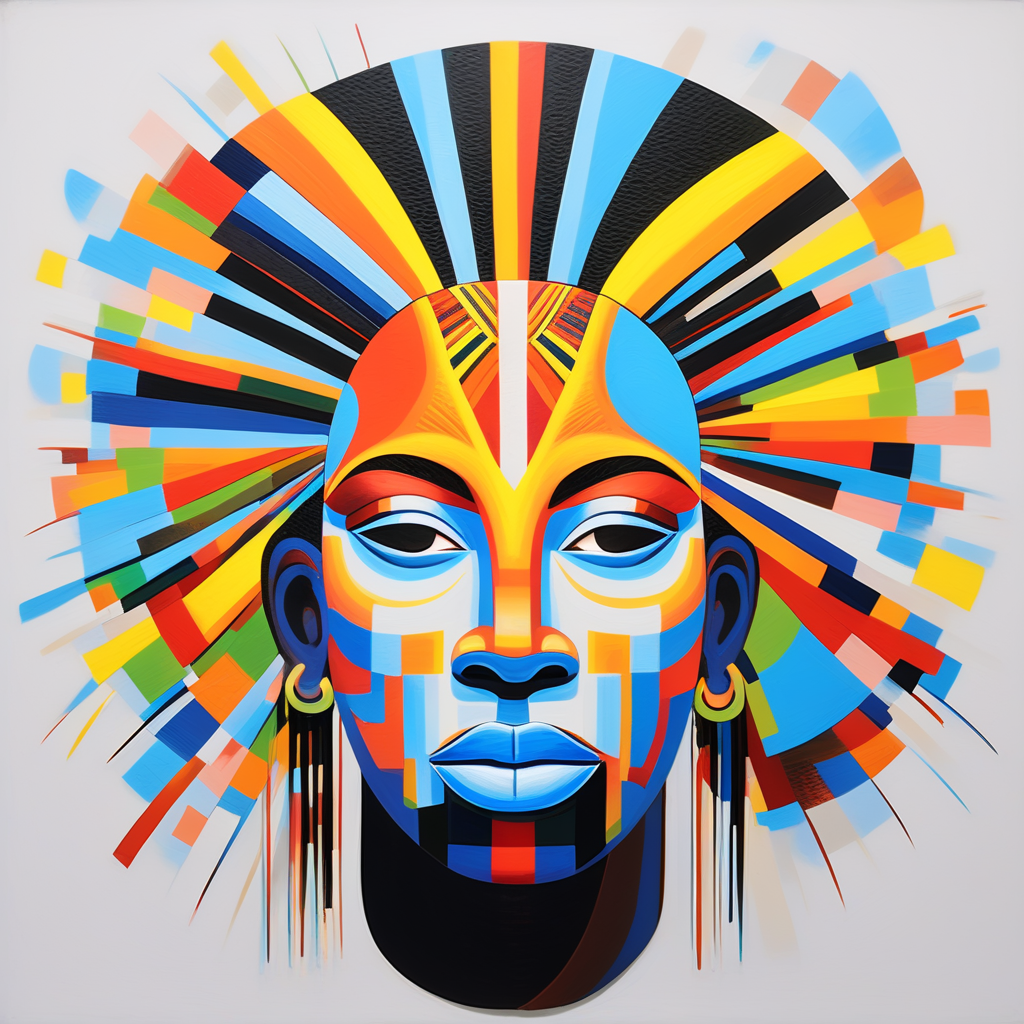
Brahman as the Ultimate Reality

In the realm of philosophical and spiritual inquiry, the concept of Brahman stands as a profound cornerstone, especially within the nondual traditions of Eastern philosophy. Brahman, as perceived through this lens, is not just an abstract concept but the very essence of reality itself—a reality that transcends the ordinary experiences of separation and duality which dominate our everyday lives.

At the heart of this understanding is the recognition that there is a fundamental oneness underlying all existence. This oneness, Brahman, is the eternal, unchanging truth that pervades every aspect of the universe. It’s an understanding that challenges the notion of individuality, as it posits that the deepest essence of our being, the Atman, is not separate from Brahman. In this view, the individual self and the universal self are not two but one.
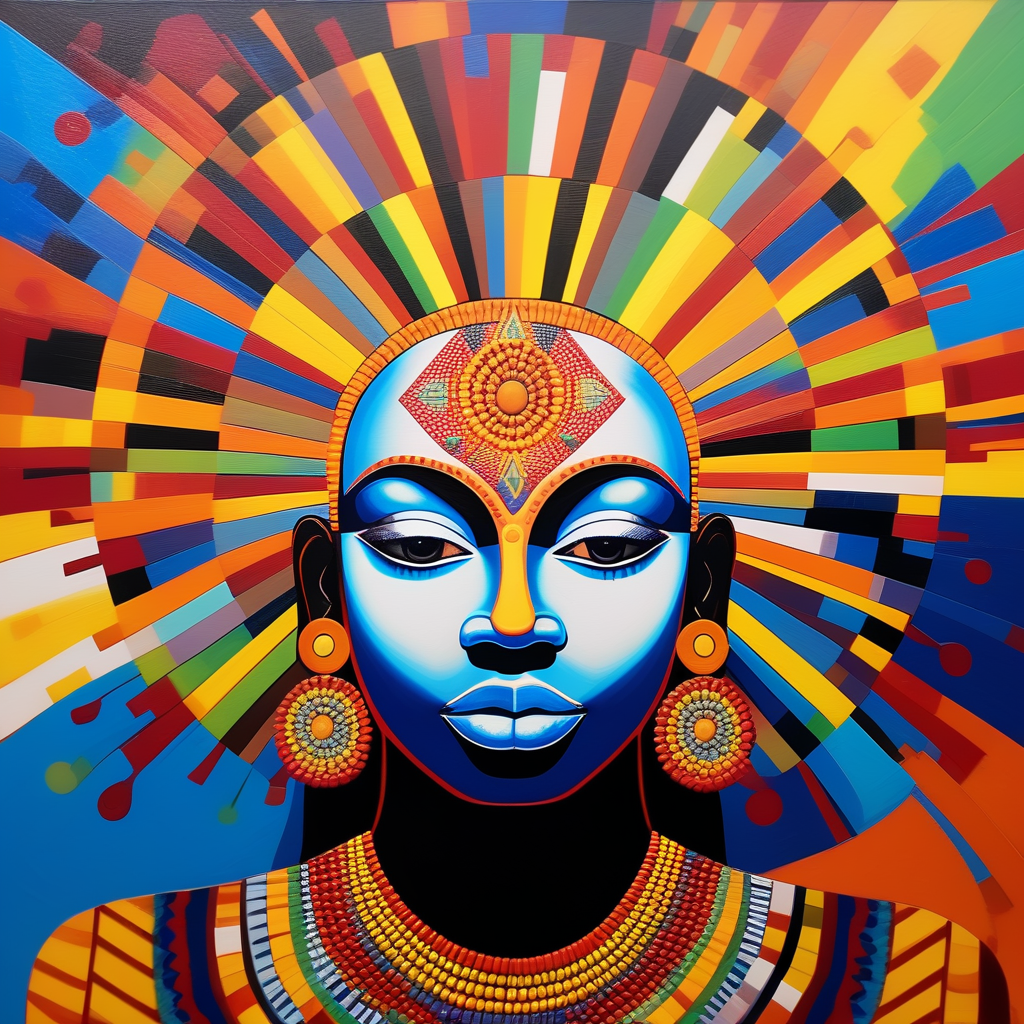

This realization brings us to the experience of Sat-Chit-Ananda. These Sanskrit words translate to ‘existence, consciousness, and bliss.’ When one recognizes that their true nature is Brahman, they experience an unshakeable existence that is beyond birth and death, a consciousness that is vast and all-encompassing, and a bliss that transcends all worldly pleasures and pains.

The journey to this realization is deeply personal and transformative. It involves peeling away the layers of illusion or Maya that cause us to see ourselves as separate from the rest of existence. Through various practices such as meditation, self-inquiry, and devotion, one can gradually come to the direct experience of this truth.
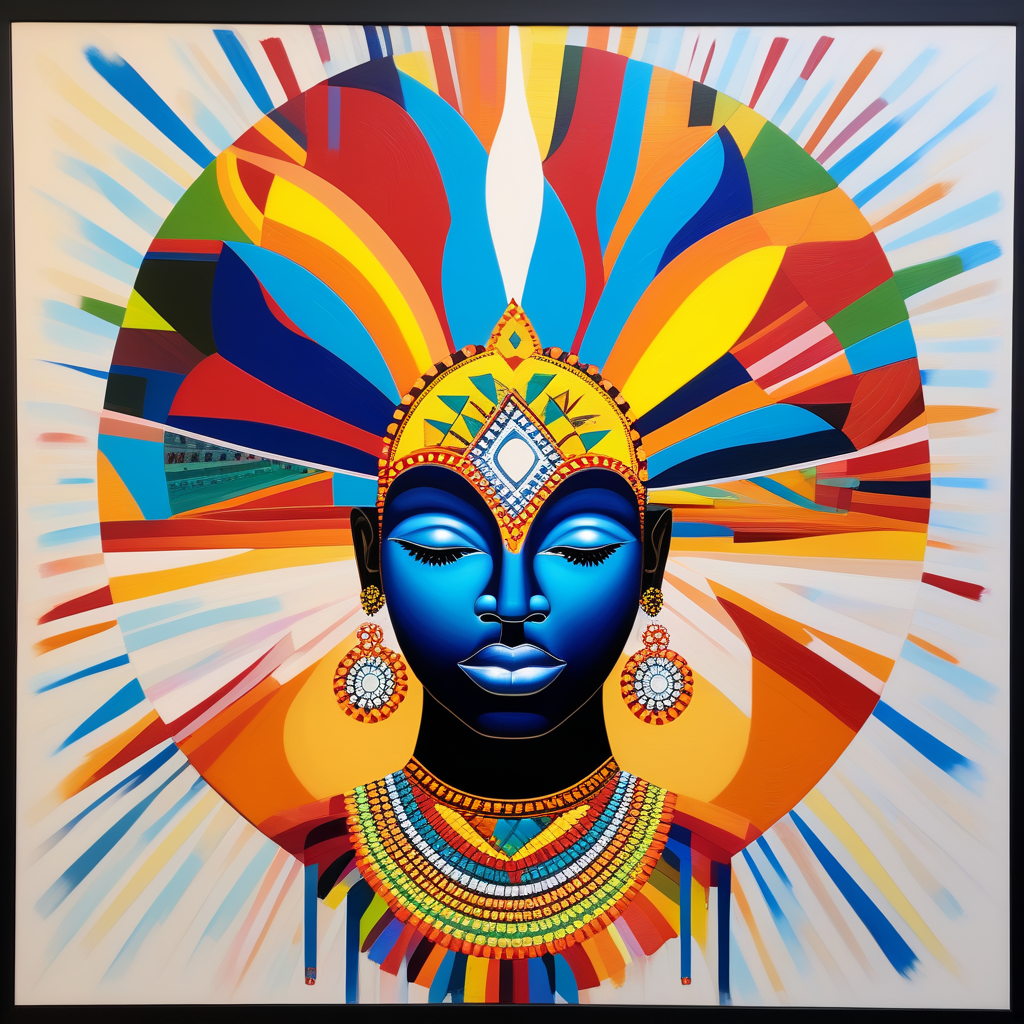

The implications of this realization are vast. In seeing all beings and things as expressions of the same ultimate reality, our approach to life, our values, and our interactions with others undergo a profound shift. Compassion, empathy, and a sense of connectedness naturally arise when one sees themselves in others and others in themselves.

In conclusion, the concept of Brahman as the ultimate reality invites us to look beyond the surface of our experiences and question the very nature of existence. It’s a journey that leads us not only to deep philosophical understanding but also to a transformation of our entire being.

Morgan O. Smith

Yinnergy Meditation, Spiritual Life Coaching & My Book, Bodhi in the Brain…Available Now!

https://linktr.ee/morganosmith


The Infinite Self

Time Travel and the Nondualistic Journey Within

In the silence that stretches between thoughts, in the space that houses the cosmos, there exists a philosophy that stretches the bounds of conventional understanding—nondualism. It’s an ancient perspective that posits a simple, yet profound truth: all of existence, the myriad forms and vacuous voids, the dance of particles and the march of time, are expressions of a singular, unified reality. You are not a mere participant in the universe; you are the universe itself, experiencing itself endlessly.

Consider the concept of time travel, a staple of science fiction and a tantalizing possibility for the human imagination. Time, from a nondual standpoint, is not a river that flows from past to future, nor a serpent that eats its tail in an eternal loop. It is a dimension of existence that is inseparable from you. You are time, as much as you are matter, energy, thought, and consciousness. If you could traverse the temporal plane, to cavort in the gardens of Babylon or witness the birth of a star eons from now, would you be visiting foreign lands or would you be exploring the contours of your boundless self?

By recognizing time as an aspect of the self, the idea of time travel takes on a new dimension. It becomes a metaphor for self-exploration and self-understanding. Each journey back to the past can be viewed as an introspective dive into our collective memory, our shared history, and the unconscious mind. Moving forward, then, is an imaginative leap into potential futures, the realm of dreams, hopes, and the unmanifested aspects of the self.

This perspective invites a radical shift in consciousness. The anxieties of the past and the uncertainties of the future are not separate from the present moment; they are all-encompassing and present within the now that is perpetually experienced. Every moment is an act of creation, a reconfiguration of the universe, a reinterpretation of the self. Through the lens of nondualism, time travel becomes a poetic expression of the human desire to know the self fully, to experience all facets of being, and to embrace the ultimate unity of existence.

If we can see ourselves in the stars and the stones, in the ebbs and flows of civilizations and the silent growth of a seedling, then perhaps the ultimate journey does not require us to break the physical bonds of time but to transcend the psychological barriers that prevent us from seeing the unity of all things. In doing so, we might find that every step we take, every choice we make, and every path we walk or leave untrodden, is an exploration of the infinite self.

As you ponder this unity, this grand tapestry of existence where you are both the weaver and the thread, the observer and the observed, consider what destinations you might seek within the boundless realms of your being. What would you discover in the recesses of millennia past, and what futures could you paint with the brush of your current intentions and actions? The voyage of time is but a journey within, and every moment is a destination waiting to be understood.

Morgan O.  Smith

Yinnergy Meditation & My Book, Bodhi in the Brain…Available Now!

https://linktr.ee/morganosmith
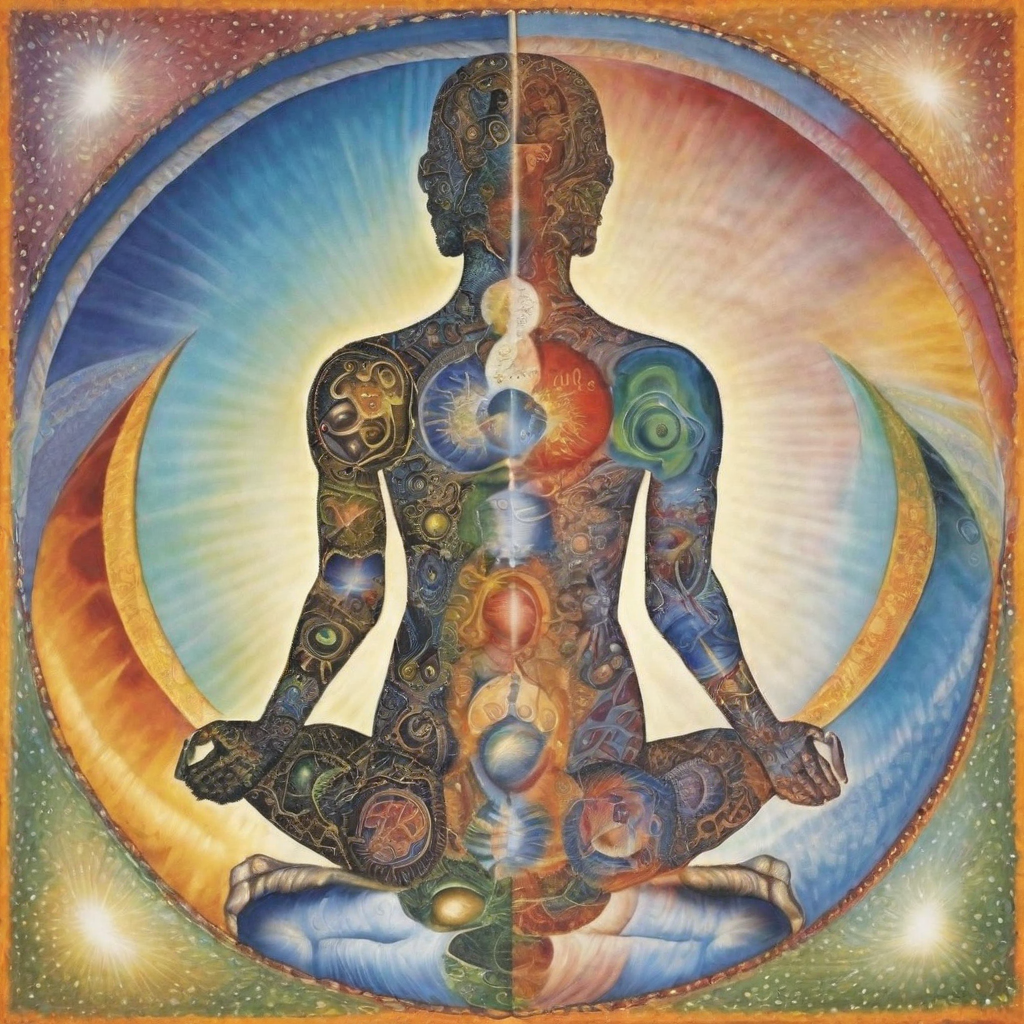
The Unity of Being

When Heads, Shoulders, Knees, and Toes Merge into Oneness

The ancient wisdom embedded in children’s songs and games can sometimes surface in the most unexpected of philosophical realms. Take, for instance, the playful melody “Heads, Shoulders, Knees, and Toes.” When investigated through the lens of Nondual philosophy, it becomes a metaphor for a journey toward universal oneness and interconnectedness.

In Nondualism, the self and the universe are not two separate entities, but rather manifestations of a single, unifying reality. The concept of separateness – the idea that heads, shoulders, knees, and toes are distinct parts – is seen as a mere illusion, a construct of our perceptive capabilities. When we immerse ourselves in the quintessential essence that underlies all beings and things, we begin to perceive that beneath the superficial distinctiveness and multiplicity, there is a fundamental oneness.

Just as the child, in the innocence of play, connects each body part in a joyful, seamless movement without pondering the philosophical depth intertwined, perhaps we too, in our adult complexity, can rediscover that inherent interconnectedness. Our heads, representing our thoughts and intellect; our shoulders, symbolizing our burdens and responsibilities; our knees, embodying our flexibility and humility; and our toes, reflecting our foundation and stability, though seemingly separate, all derive from and exist within the same unified source.

In this unity, the dissimilarities and boundaries that appear to separate us from others, from the world, and the divine, dissolve into a boundless ocean of oneness. Our heads, shoulders, knees, and toes, then, become not isolated components, but rather expressions of the singular reality, dancing together in a harmonious rhythm of existence.

The reconciliation of our physical and non-physical aspects, the visible and the invisible, and the manifold and the one, invites us to explore the possibility that we are not merely beings traversing through the world, but the world itself. As we navigate through the multifaceted reality of life, can we embrace the Nondual perspective, perceiving not separateness, but unity in the myriad forms and experiences?

So, we may joyously sing, not just with nostalgia but with profound insight into our existence: “Heads, shoulders, knees, and toes.” In the simplicity of these words, let’s find a reminder that beneath the diversity and complexity of our being, we are all interconnected, interwoven parts of the same undivided reality.

The depth of such unity nudges us to perceive ourselves and the world around us with eyes that see beyond the physical and the apparent, inviting us into a holistic existence where every head, shoulder, knee, and toe sings in unison with our oneness.

Morgan O.  Smith

Yinnergy Meditation & My Book, Bodhi in the Brain…Available Now!

https://linktr.ee/morganosmith
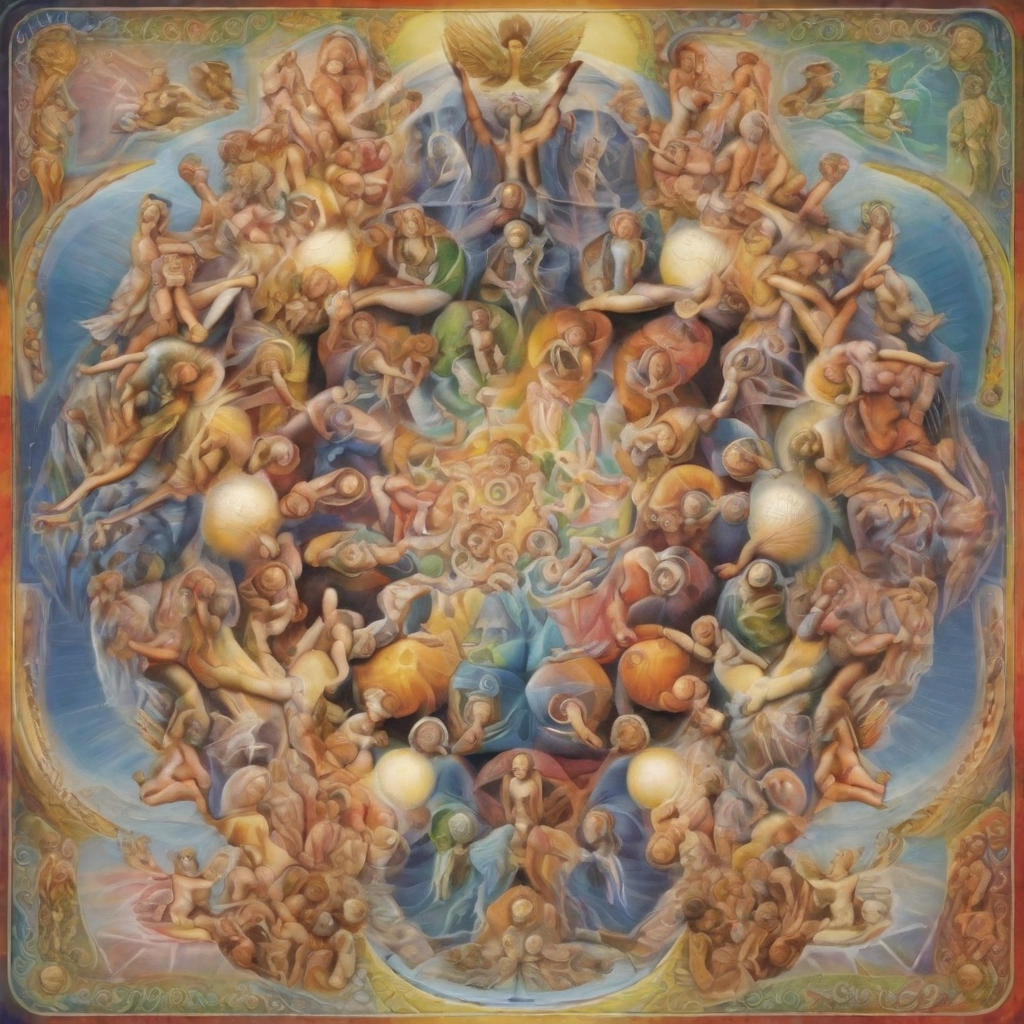
Nondualism and the 99 Beautiful Names of God

The Dance of Oneness

**Introduction:**
   
The 99 beautiful names (Asma’ul Husna) of God, as described in Islamic tradition, have long been celebrated as diverse facets of the Divine. From an Absolute Monism or non-dualistic perspective, these names are not mere titles or attributes but profound expressions of one unbroken Reality. Let’s embark on an exploration of how nondualism weaves these names into a tapestry of Oneness.

**The Unity Behind Diversity:** 
While the 99 names may initially appear as separate attributes or facets, they can be seen from a non-dualistic viewpoint as interwoven threads of a single Reality. Each name is but a drop in the ocean of Divine essence, which itself is nondual.

**Beyond Dualities:**   
Names such as Al-Mu’min (The Giver of Peace) and Al-Mumit (The Bringer of Death) may seem contradictory, but in nondualism, these apparent opposites reconcile. They represent the play and dance of the universe, where creation and dissolution are two sides of the same coin.

**The Singular Source:**   
Names like Ar-Rahman (The Beneficent) and Ar-Rahim (The Merciful) are emanations from a singular source. They underscore that all acts of love, mercy, and compassion in the world reflect the undivided nature of the Divine.

**The Ever-Present Witness:**   
Names such as As-Sami (The All-Hearing) and Al-Baseer (The All-Seeing) emphasize an ever-present witness. From a nondual perspective, this points to pure awareness, an omnipresent consciousness that perceives without being tainted by dualities.

**The Dance of Manifestation:**   
Names like Al-Khaliq (The Creator) and Al-Bari (The Evolver) highlight the dynamic play of manifestation. In nondualism, this is the spontaneous unfolding of the universe from the singularity of Absolute Reality.

**Towards Absolute Oneness:**
   
Al-Ahad (The One) and As-Samad (The Absolute) direct us towards the purest essence of nondualism. They indicate the unbroken, undivided reality that underlies all existence.

**Conclusion:**   
The 99 beautiful names of God, when viewed from a nondualistic lens, invite us to see beyond distinctions and to recognize the underlying unity in diversity. They beckon us to explore a deeper, holistic understanding of the Divine – not as a sum of attributes, but as the singular essence that manifests in myriad forms.

Morgan O. Smith

Yinnergy Meditation & My Book, Bodhi in the Brain…Available Now!

https://linktr.ee/morganosmith