Devils of Tasmania

Embracing Our Inner Demons

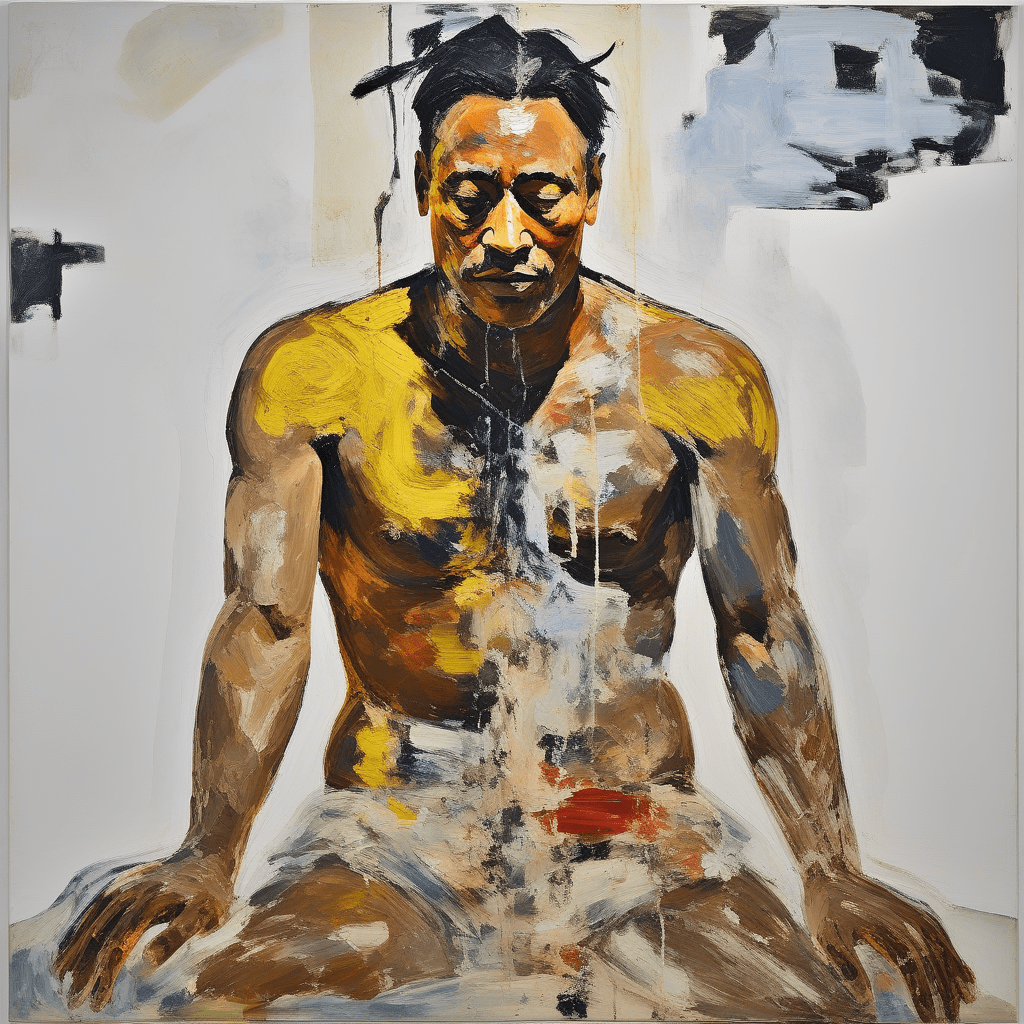
In the depths of our psyche lurks a hidden shame, explicit yet unacknowledged. We live most of our lives concealing our darker selves, fearing the part within capable of mass destruction and devoid of remorse. This fear drives us to repress these inner demons, to maintain the facade of our public persona, free from shame and disgrace.


Yet, these impulses, these inner monsters, are potent forces, akin to natural disasters. They are not acts of God but inherent parts of our being, capable of tearing down everything in their path. Their destructive nature is unchanging and inevitable. Our task is not to deny them but to accept and direct their fury toward crumbling edifices that lack a solid foundation.

These demons, if unchecked, can ruin lives. However, harnessed correctly, they have the power to demolish outdated beliefs and paradigms, shedding light on areas we need to confront and overcome. Their destructive capabilities allow us to rebuild from the ashes creatively. They give us a chance to construct anew – to erect buildings of thought and behaviour that are more resilient and robust than ever before.


Our distress over this destruction stems from our attachment to what we have built and our reluctance to accept the impermanence of all things. Only by acknowledging and embracing these internal devils can we truly liberate ourselves from their hold and transform their destructive power into a force for personal growth and renewal.

Morgan O. Smith

Yinnergy Meditation, Spiritual Life Coaching & My Book, Bodhi in the Brain…Available Now!

https://linktr.ee/morganosmith

Self-Actualization vs. Self-Realization

A Deep Dive into the Psyche and Soul

In the journey of self-discovery and personal growth, two concepts often emerge as beacons: self-actualization and self-realization. While they may appear similar at first glance, each represents a distinct path in the quest for understanding oneself. This post delves into the nuances of these concepts, exploring how they differ and intersect in the human experience.

#### Self-Actualization: The Psyche’s Reflection

Self-actualization is a term popularized by psychologist Abraham Maslow, best known for his hierarchy of needs. It sits at the apex of his pyramid, symbolizing the highest level of psychological development. At its core, self-actualization is about realizing and fulfilling one’s potential and capabilities. It’s a process where the psyche chooses to see its reflection when ready.

This journey is characterized by:

– **Growth-motivated behaviour**: Pursuing goals that lead to personal growth and fulfillment.
– **Realism**: Having an accurate perception of oneself, others, and the external world.
– **Autonomy**: Being independent and resistant to enculturation, but not oblivious to the opinions of others.
– **Peak experiences**: Transcendent moments of joy, creativity, and deep understanding.


#### Self-Realization: The Soul’s Inner Knowing

In contrast, self-realization is often rooted in spiritual or philosophical traditions. It’s about understanding one’s true nature at the deepest level. Unlike self-actualization, which is more about the individual’s capabilities and achievements, self-realization is about the soul choosing to know itself as itself when ready, even when the conscious mind isn’t.

Key aspects include:

– **Inner wisdom**: Tapping into the innermost essence of one’s being.
– **Non-attachment**: Letting go of material and ego-driven desires to focus on spiritual enlightenment.
– **Oneness**: Feeling a profound connection with the universe and all living beings.
– **Intuitive understanding**: Beyond logical reasoning, it’s an intrinsic knowing of one’s true self.

#### Intersecting Paths

While self-actualization and self-realization seem different, they can intersect. Both paths involve a deep understanding of oneself and a commitment to personal growth. They also require readiness – an openness to embark on these transformative journeys.

In practice, one might find elements of self-actualization within their spiritual pursuit of self-realization, or vice versa. It’s a reminder that self-discovery is deeply personal and unique to each individual.


#### Conclusion

Understanding the distinction between self-actualization and self-realization can provide valuable insights into our growth journey. While self-actualization focuses on realizing one’s potential and abilities, self-realization dives into understanding the true essence of one’s soul. Both paths, though different, offer rich opportunities for profound personal transformation.

Morgan O. Smith

Yinnergy Meditation, Spiritual Life Coaching & My Book, Bodhi in the Brain…Available Now!

https://linktr.ee/morganosmith

The Interconnection between Charitable Acts and Kundalini Awakening

**Introduction**

In the rich tapestry of our existence, our actions, particularly those imbued with altruism and empathy, weave intricate patterns that reverberate through our spiritual and physical being. Charity, a virtue, becomes an interesting lens through which to explore a phenomenon well documented within Eastern spirituality: Kundalini awakening. This post aims to weave a narrative, interlinking the seemingly mundane with the profound, exploring how acts of charity might kindle our inner serpentine power.

1. **Charity: A Biological Perspective**

   Engaging in charitable acts activates neural pathways associated with reward and pleasure in our brain, particularly within areas such as the ventral striatum. Essentially, when we help others, our brain releases neurotransmitters like dopamine and oxytocin, infusing us with feelings of happiness and connection.

2. **Psychological Repercussions**

   Additionally, the psychological gratification of aiding others – sometimes referred to as the “helper’s high” – further deepens our sense of belonging and purpose. This potent emotional blend may very well pave the way for spiritual awakenings, creating a fertile ground for our internal energies to cultivate and ascend.

3. **Kundalini: The Serpent Power**

   Kundalini, often depicted as a coiled serpent at the base of the spine, represents dormant energy. Upon awakening, it travels up through the chakras, infusing the individual with profound spiritual enlightenment. The awakening is typically instigated by certain practices or experiences, and notably, is said to be tied to acts that elevate our spiritual and emotional state.

4. **Charity as a Catalyst**

   So, how does charity come into play? The act of giving, especially when devoid of self-interest, becomes a purely spiritual practice. This practice, in essence, generates positive vibrations that can reverberate within, possibly acting as a stimulus to awaken the Kundalini.

   When we extend our hands to aid others, we not only forge connections with them but also nurture our internal spiritual self. This may potentiate the Kundalini energy, urging it to uncoil and ascend, transmuting our spiritual experiences.

5. **Integration of the Physical and the Spiritual**

   Thus, the biological and psychological modifications experienced during charitable acts become catalysts for deeper spiritual explorations and possibly, a Kundalini awakening. The intertwining of this spiritual journey and our earthly actions showcases the beautiful complexity of our existence, where the material and the spiritual are not mutually exclusive but intricately interconnected.

**Conclusion**

The interplay between charitable acts and a Kundalini awakening orchestrates a symphony where biology, psychology, and spirituality create a harmonious melody. Through acts of kindness and empathy, we might unknowingly nurture our internal serpent, enabling it to rise and illuminate our spiritual path, crafting a beautiful confluence where our physical actions translate into spiritual enlightenment.

In the end, charity does not merely touch the lives of those we assist; it also imbues our journey with profound, transformative power, guiding us through a path that intertwines the tangible with the intangible, crafting a tapestry rich with complexity and depth.

Morgan O.  Smith

Yinnergy Meditation & My Book, Bodhi in the Brain…Available Now!
https://linktr.ee/morganosmith

FOR IMMEDIATE RELEASE

Author Morgan O. Smith Champions Dementia Support with Generous Donation

September 21, 2023 – Morgan O. Smith, the distinguished author behind the transformative guide, “Bodhi in the Brain,” has donated $1,000 to the newly inaugurated charitable foundation, “A Rose For Grandma Wellness Hub.” This heartfelt contribution resonates deeply with Smith, whose own paternal grandmother passed away due to dementia in 2019.

A Rose For Grandma Wellness Hub’s mission focuses on offering much-needed assistance and resources for Black, Indigenous, and People of Colour (BIPOC) contending with dementia. The organization’s efforts revolve around extending vital support to affected families, a cause Morgan feels a profound connection.

Smith’s groundbreaking book, “Bodhi in the Brain,” presents Yinnergy Meditation – an avant-garde approach to harnessing the latent power of the subconscious mind. Drawing upon state-of-the-art research from the realms of neuroscience and psychology, the Yinnergy Meditation program stands out as an effective and unparalleled tool for ameliorating mental and emotional health, while also enriching overall well-being.

Designed for individuals across all walks of life and varying levels of meditation experience, Yinnergy Meditation taps into the brain’s inherent neuroplasticity. It aids in restructuring thinking patterns, boosting mental resilience, and achieving a harmonious equilibrium. With its step-by-step guidance, coupled with exclusive audio technology, users embark on a transformational journey to discover their innate potential.

Smith’s dedication to mental wellness goes beyond the written word. In 2011, he spearheaded the Yinnergy Meditation grassroots initiative, emphasizing emotional, mental, and spiritual growth through deep, audio-aided meditation. Moreover, in acknowledgment of the exceptional contributions of young changemakers, Smith established the Yinnergy Appreciation Awards.

Whether you aim to alleviate stress, break free from negative thought cycles, or elevate your overall life quality, “Bodhi in the Brain” emerges as an indispensable guide to mental fortitude and tranquillity.

For more information on “Bodhi in the Brain,” Yinnergy Meditation, or to explore potential collaborations, please contact Morgan innovativecoaching@gmail.com.

About Morgan O. Smith:
Morgan O. Smith stands at the forefront of modern meditation and neuroscience literature. With a fervent passion for mental well-being and community upliftment, Smith’s endeavours reflect his commitment to societal betterment, both on the individual and collective front.

###ENDS###

https://linktr.ee/morganosmith

In Divine Light

Society’s Golden Shadow 

Intro:

In a world where the quest for meaning continues to stir the human soul, spirituality and reverence for the divine emerge as quintessential human experiences. But what if the collective admiration and worship of God are manifestations of society’s golden shadow – the unexplored, positive aspects of our shared unconscious? This post delves into the notion that the sacred spaces we turn towards in times of despair or joy are indeed reflections of the inherent greatness within ourselves.

Understanding the Golden Shadow:

Drawing from Carl Jung’s concepts, the golden shadow encompasses the positive attributes within our unconscious minds that we might not recognize. When these attributes are exemplified by an external entity, such as a deity, we project our golden shadow upon it.

God as the Epitome of Society’s Golden Shadow:

The divine figures across cultures are often epitomes of virtues – love, compassion, wisdom, and more. Society’s adoration for these figures could be interpreted as an admiration for the virtues themselves. The deities become mirrors, reflecting what individuals and societies aspire to embody.

Religion as a Path to Self-Realization:

One could argue that the rituals, prayers, and moral teachings of religion serve as vehicles for cultivating the qualities represented by the divine within ourselves. In essence, by worshipping or admiring God, individuals are also venerating and nurturing their own latent potential.

The Challenges:

This perspective might not sit well with everyone, especially those who believe in the transcendental nature of God. Moreover, using religious practices solely as tools for self-improvement might seem reductive. It’s essential to approach this hypothesis with respect for the diversity of beliefs and experiences.

Conclusion:

The notion that society’s worship and admiration for God is a projection of its golden shadow is thought-provoking. It offers a lens through which we can perceive religious and spiritual practices as not just pathways to the divine, but also as avenues to recognize and cultivate the virtues within ourselves. Whether or not one subscribes to this idea, it invites reflection on the profound interconnectedness between the human spirit and the sacred.

Morgan O. Smith

Yinnergy Meditation & My Book, Bodhi in the Brain…Available Now!

https://linktr.ee/morganosmith