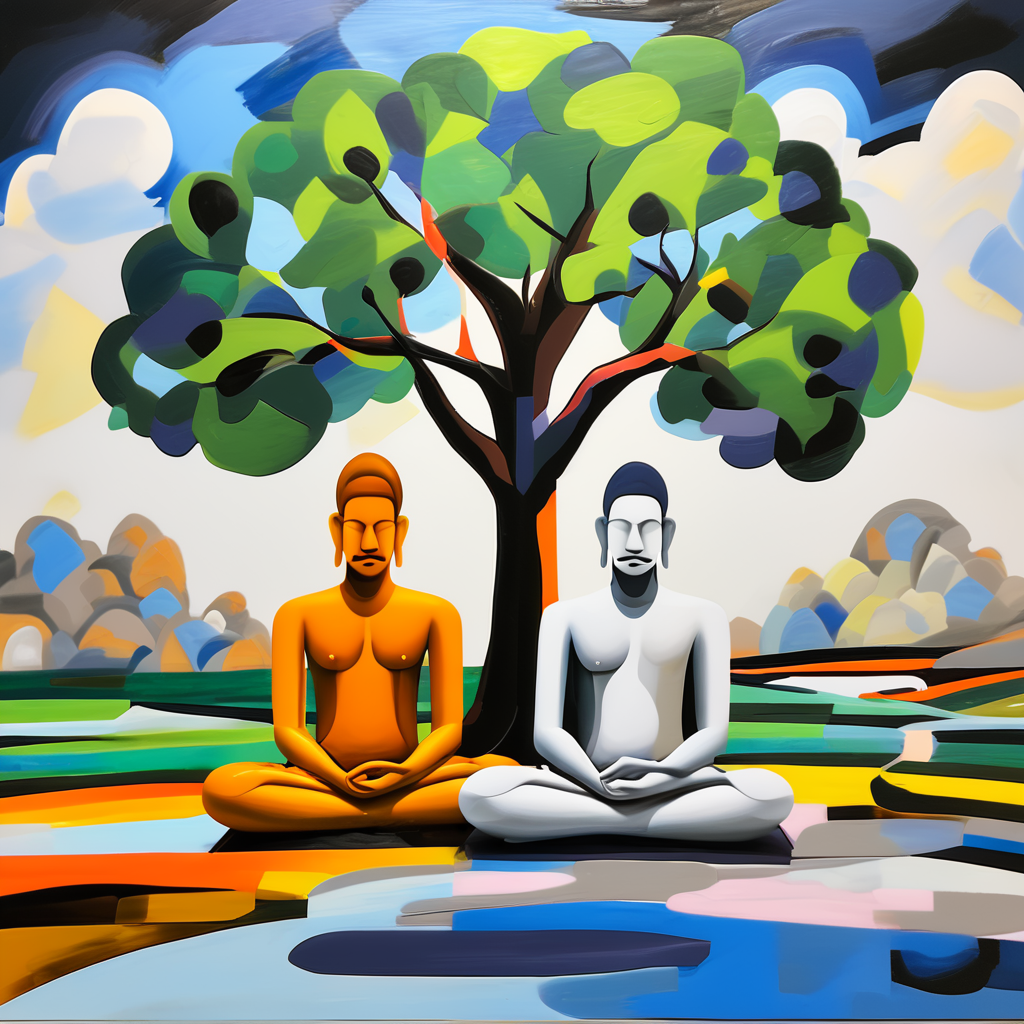
Nature’s Unyielding Dance

Embracing Evolution Beyond Acceptance

In the grand expanse of existence, nature is a paradoxical entity, embodying acceptance while relentlessly pursuing change. This duality offers a profound reflection on the nature of being and becoming, serving as a mirror to our spiritual journeys. Nature, in its essence, accepts its form and function with a serene equanimity that belies the tumultuous undercurrent of evolution. It is in this serene acceptance that the seed of transformation is sown, propelling existence toward an ever-unfolding destiny.

Nature’s acceptance is not of passivity but of an understanding that the present moment is perfect in its imperfection. It acknowledges that at this very instant, it is the culmination of countless cycles of change, yet it is but a waypoint on an infinite journey of becoming. This realization is key to unlocking the mysteries of our spiritual paths, where acceptance and change coexist in a delicate balance.

The process of evolution, both in the external world and within the realms of our inner landscapes, is nature’s testament to the perpetual quest for growth and transcendence. Just as the earth’s flora and fauna adapt to the ever-changing environment, so too must we embrace the evolution of our spiritual understanding and enlightenment. Each moment is an opportunity to transcend the limitations of our previous selves, spurred by the acceptance of our current state of being.


In this dance of existence, where acceptance and evolution move in harmony, lies the essence of true enlightenment. It is a journey that acknowledges the beauty of the now while striving for the potential of tomorrow. Much like nature’s ceaseless evolution, our spiritual paths are marked by an unending quest for deeper understanding, connection, and oneness with the universe.

This reflection on nature’s duality serves as a reminder that in our search for spiritual awakening, we must hold space for both acceptance and the desire for transformation. It is in the embrace of this paradox that we find the freedom to evolve, not despite nature’s acceptance, but because of it.


Through contemplating the unyielding dance of nature, we are invited to explore the depths of our being, challenging ourselves to grow and evolve while remaining grounded in the acceptance of our present reality. Let us, therefore, take inspiration from the world around us, recognizing that our journey towards enlightenment is a dynamic interplay between being and becoming, where the acceptance of what is served as the foundation for what we are yet to become.

Morgan O. Smith

Yinnergy Meditation, Spiritual Life Coaching & My Book, Bodhi in the Brain…Available Now!

https://linktr.ee/morganosmith

In Divine Light

Society’s Golden Shadow 

Intro:

In a world where the quest for meaning continues to stir the human soul, spirituality and reverence for the divine emerge as quintessential human experiences. But what if the collective admiration and worship of God are manifestations of society’s golden shadow – the unexplored, positive aspects of our shared unconscious? This post delves into the notion that the sacred spaces we turn towards in times of despair or joy are indeed reflections of the inherent greatness within ourselves.

Understanding the Golden Shadow:

Drawing from Carl Jung’s concepts, the golden shadow encompasses the positive attributes within our unconscious minds that we might not recognize. When these attributes are exemplified by an external entity, such as a deity, we project our golden shadow upon it.

God as the Epitome of Society’s Golden Shadow:

The divine figures across cultures are often epitomes of virtues – love, compassion, wisdom, and more. Society’s adoration for these figures could be interpreted as an admiration for the virtues themselves. The deities become mirrors, reflecting what individuals and societies aspire to embody.

Religion as a Path to Self-Realization:

One could argue that the rituals, prayers, and moral teachings of religion serve as vehicles for cultivating the qualities represented by the divine within ourselves. In essence, by worshipping or admiring God, individuals are also venerating and nurturing their own latent potential.

The Challenges:

This perspective might not sit well with everyone, especially those who believe in the transcendental nature of God. Moreover, using religious practices solely as tools for self-improvement might seem reductive. It’s essential to approach this hypothesis with respect for the diversity of beliefs and experiences.

Conclusion:

The notion that society’s worship and admiration for God is a projection of its golden shadow is thought-provoking. It offers a lens through which we can perceive religious and spiritual practices as not just pathways to the divine, but also as avenues to recognize and cultivate the virtues within ourselves. Whether or not one subscribes to this idea, it invites reflection on the profound interconnectedness between the human spirit and the sacred.

Morgan O. Smith

Yinnergy Meditation & My Book, Bodhi in the Brain…Available Now!

https://linktr.ee/morganosmith