Beyond Illusion

Discovering the Space Between

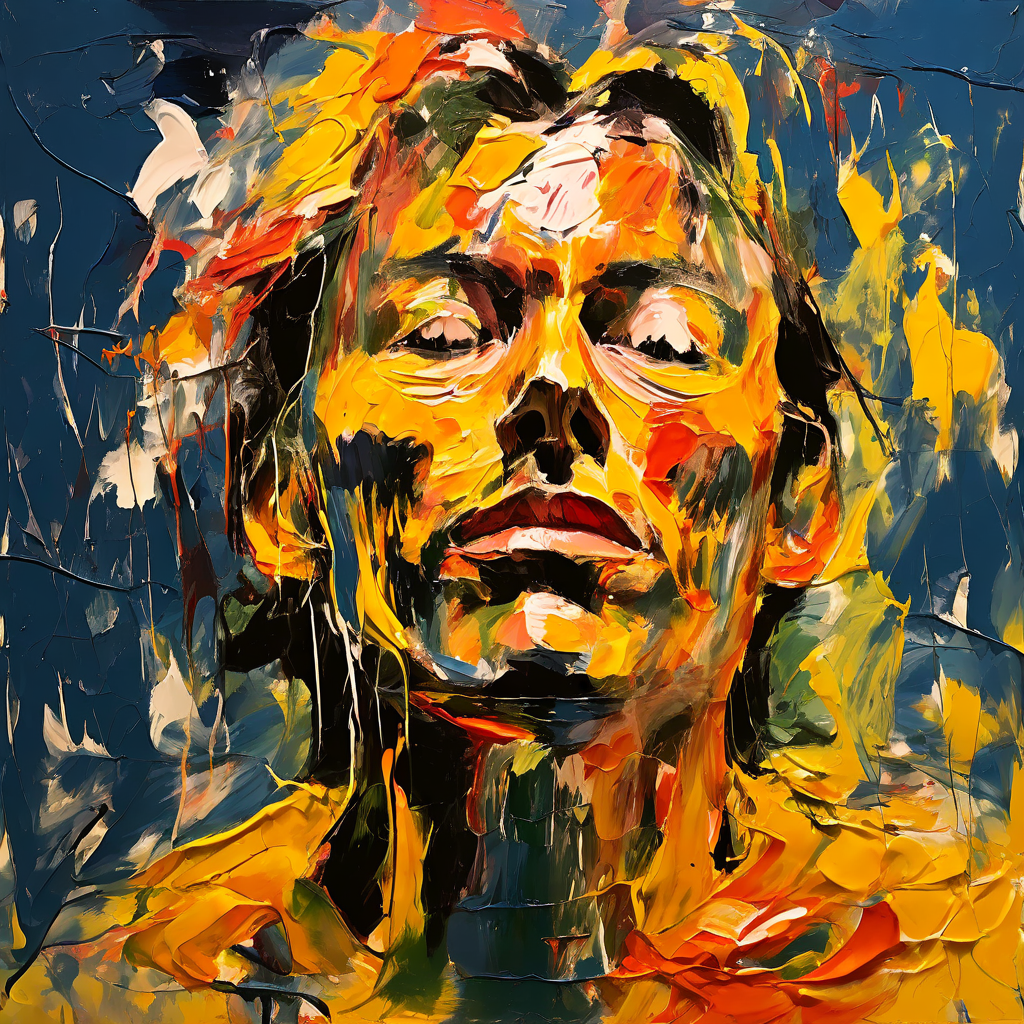
The mind creates identities and builds a sense of self out of thoughts, emotions, and past experiences. These constructs shape beliefs around who you think you are and who you think you aren’t. This entire narrative, though compelling, is merely a distortion. It presents itself as reality but, in truth, is nothing more than an intricate mental creation. We become confined by these polarities, oscillating between two extremes—what we accept and what we reject about ourselves.

These boundaries, however, do not define the core of who you are. The sense of self emerges as a reflection against what we perceive as the ‘other.’ You’re not merely the collection of traits you cherish, nor are you the shadow aspects you struggle to suppress. By engaging with either, you remain caught in a dualistic view that blinds you to your deeper essence.

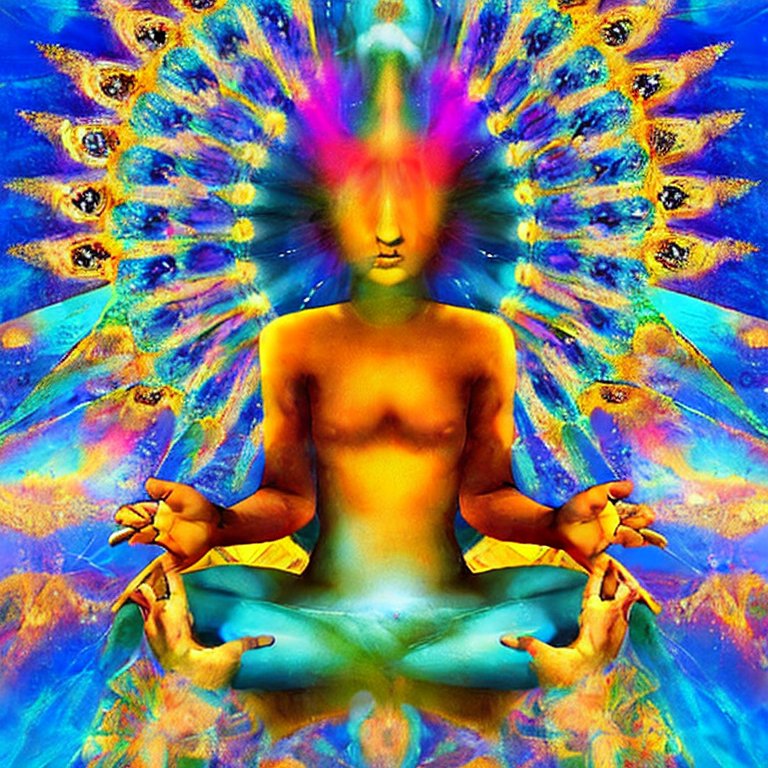
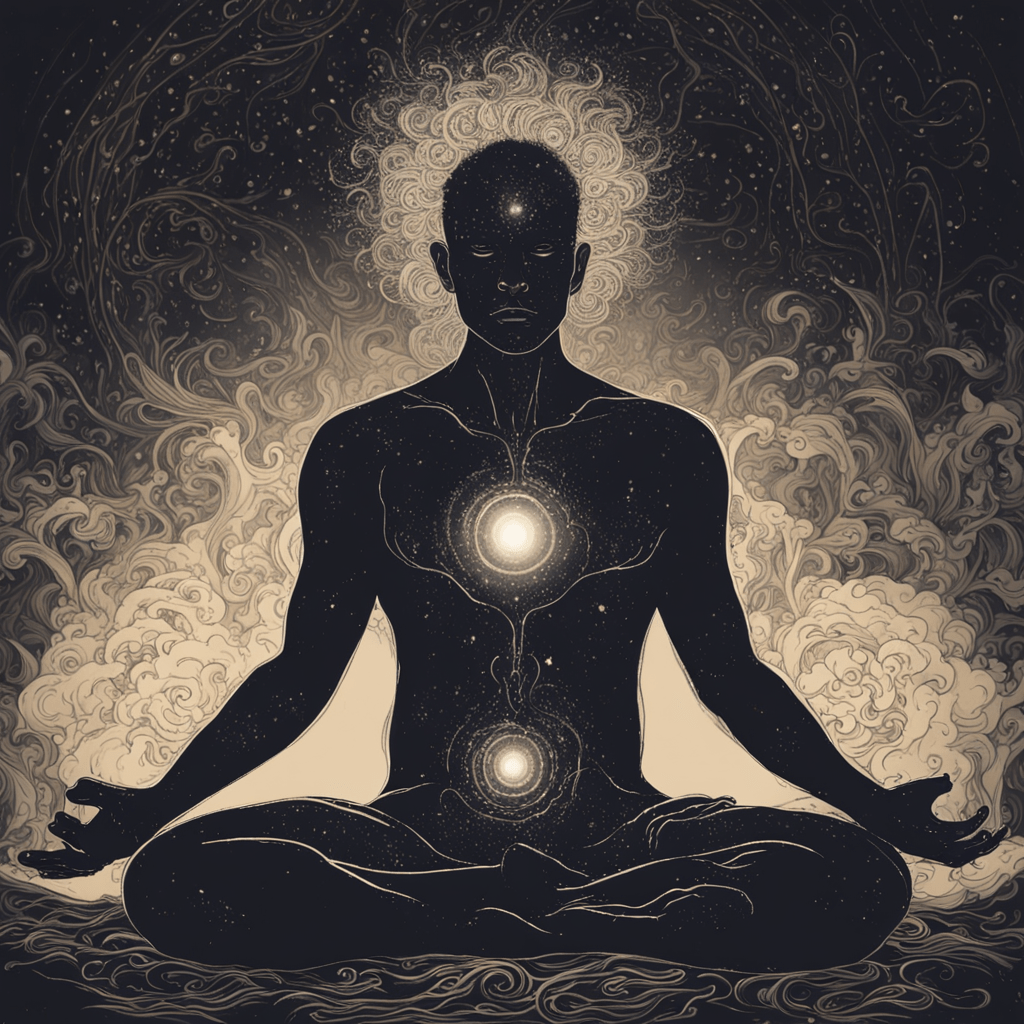
The challenge, then, is to neither grasp onto one identity nor to strive to become its opposite, but to look at the liminal space between. This uncharted territory holds the key to your True Self. Neither glorified nor condemned, this space is untouched by labels. It eludes all attempts to be defined. When you gaze into that emptiness, you come face-to-face with your origin—the point where being meets non-being, and you witness the dissolution of the false dichotomy between ‘I am this’ and ‘I am not that.’

Finding this space requires surrendering the tendency to categorize. Allow awareness to rest on the edges of thought, where opposites fade into one another. This subtle recognition can shift perception, making you aware of a silent presence that underlies all identifications. It’s a sense of being that defies expression yet is undeniably real. Here, you aren’t bound by limitations, nor are you an idealized version of yourself.

This presence is what mystics have pointed to throughout the ages—a place beyond words and mental constructs. It’s here that the True Self emerges, not as a separate entity, but as the unconditioned awareness that holds both the ‘you’ and the ‘not you.’ Let this realization transform the way you see yourself and others, dissolving barriers until all that remains is a boundless, indivisible field of consciousness.

Morgan O. Smith

Yinnergy Meditation, Spiritual Life Coaching & My Book, Bodhi in the Brain…Available Now!
https://linktr.ee/morganosmith

The Illusion of Enlightenment

Beyond Appearances

In the world of spiritual seekers, the image of enlightenment is often cloaked in stereotypes. We imagine the enlightened as wise sages with serene expressions, adorned in simple yet vibrant robes, often with a flowing beard symbolizing wisdom and age. These images, while compelling, can distract us from the true essence of spiritual awakening.

The Fallacy of External Symbols


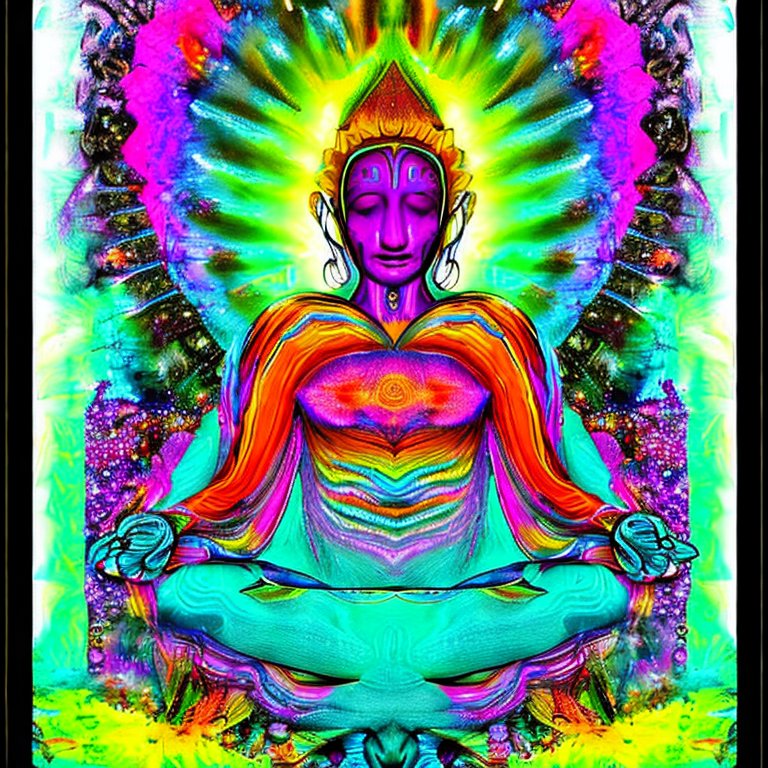
Consider the figure of a guru, resplendent in flamboyant orange attire and a long beard. At first glance, these external symbols seem to exude a profound spirituality. They speak of dedication, discipline, and a life devoted to higher truths. However, these symbols are but surface-level adornments. They are, in essence, a part of the cultural performance of spirituality. The real question is: does the essence of enlightenment reside within these outward displays?


The Deeper Reality

Enlightenment, in its truest form, transcends appearances. It is not about how one dresses, speaks, or the rituals one performs. True enlightenment is the realization of nonduality, the deep understanding that all distinctions are ultimately illusory. It is a state of being where one recognizes the interconnectedness of all existence and lives in harmony with this profound truth.

A guru’s flamboyant attire and serene demeanour may buy time and may hold the disciples’ awe, but eventually, true discernment must prevail. Spiritual seekers must learn to look beyond the external and discern the depth of true wisdom.

Beyond the Mask

This brings us to the core of spiritual discernment. The journey towards enlightenment is deeply personal and internal. It requires a relentless commitment to self-inquiry, a willingness to confront and dissolve one’s ego, and an openness to the vast, unfathomable mystery of existence.

A true guru, one who is genuinely enlightened, may or may not conform to the stereotypical image. They might appear as an ordinary person, unremarkable in many ways. The true measure of their enlightenment lies in their ability to guide others toward their inner light, not through the allure of external symbols, but through the profound simplicity and authenticity of their being.


The Inner Path

As seekers on the path, we must cultivate the ability to see beyond appearances. The guru’s external symbols can be helpful signposts, but they are not the destination. Our journey is about inner transformation, about peeling away the layers of illusion to reveal the radiant core of our true nature.

Enlightenment is not a spectacle; it is a quiet, profound shift in consciousness. It is the realization that the true guru resides within each of us, waiting to be discovered in the stillness of our hearts.

Conclusion

In a world where appearances often deceive, the challenge for spiritual seekers is to cultivate true discernment. Let us not be swayed by the external trappings of spirituality but seek the deeper, inner essence of enlightenment. For it is in the quiet, unassuming moments of profound realization that the true nature of our being is revealed.

Morgan O. Smith

Yinnergy Meditation, Spiritual Life Coaching & My Book, Bodhi in the Brain…Available Now!

https://linktr.ee/morganosmith

The Clarity of Enlightenment

Understanding the End of Confusion

Enlightenment is often depicted as a pinnacle of spiritual achievement, a state where the mind transcends its usual patterns and sees reality as it truly is. One profound realization that accompanies enlightenment is the clear understanding of confusion itself.

The Nature of Confusion

Confusion is a state of mind where the incessant chatter of thoughts, emotions, and sensory input obscures clarity. It arises from the fragmented way we perceive the world, dividing experiences into categories and labels, creating a sense of separation and duality. This fragmented perception is the root of our suffering, as it distorts our understanding of the interconnectedness of all things.

The Shift to Enlightenment

Enlightenment is not merely an intellectual understanding but a profound experiential realization that dissolves the boundaries of self and other. In this state, the mind no longer clings to distinctions, and the innate oneness of existence becomes evident. This shift transforms our perception, allowing us to see through the veils of confusion with a clarity that is as unmistakable as daylight.


Seeing Through Illusions

Upon reaching enlightenment, the illusions that once caused confusion are seen for what they are—mere constructs of the mind. The ego, which thrives on these constructs, loses its grip, revealing the underlying reality. This revelation brings a sense of peace and profound understanding. The struggles and doubts that once plagued the mind dissolve, and what remains is an unshakeable clarity.

The Role of Awareness

Awareness plays a crucial role in this transformation. As we cultivate awareness through practices like meditation, mindfulness, and self-inquiry, we begin to recognize the patterns of the mind that create confusion. With consistent practice, these patterns lose their power, and the mind becomes more settled and clear. Enlightenment is the culmination of this process, where awareness is fully integrated, and confusion is transcended.

Embracing the Journey

The journey to enlightenment is unique for each individual, yet it is marked by common milestones of increased clarity, peace, and understanding. It requires dedication, patience, and a willingness to confront and transcend the illusions that obscure our true nature. Each step on this path brings us closer to the realization that confusion is not an inherent part of our existence but a temporary state that can be overcome.


Conclusion

Enlightenment reveals the inherent clarity that lies beyond the mind’s confusion. It is a state where the true nature of reality shines forth unobscured, bringing with it a profound sense of peace and understanding. As we journey towards this state, we learn to see through the illusions of confusion, embracing the clarity that is our birthright.

Morgan O. Smith

Yinnergy Meditation, Spiritual Life Coaching & My Book, Bodhi in the Brain…Available Now!
https://linktr.ee/morganosmith

The Illusion of the Ego

Beyond the Needle in the Haystack

In the vast expanse of human experience, the personal ego often feels like the defining core of our identity. We navigate the world through its lens, believing it to be the essence of who we are. Yet, in the grand scheme of existence, this ego is but a minuscule fragment—a needle in a haystack compared to the vast, boundless nature of our true self.

To truly understand this, we must first explore the nature of the ego. The ego is the part of our consciousness that deals with individuality and separateness. It thrives on comparisons, achievements, and the ceaseless chatter of the mind. It is the voice that says, “I am this” or “I am that,” constantly defining and limiting our experience of reality.

However, as we delve deeper into spiritual inquiry and self-exploration, we encounter moments where the ego’s hold weakens. These are moments of pure being, where the sense of separation dissolves, and we touch upon a more expansive consciousness. This consciousness is our true nature—vast, interconnected, and free from the constraints of the ego.

Imagine the ego as a single grain of sand on the shore of a limitless ocean. While the grain is real and tangible, it is insignificant when compared to the infinite expanse of the ocean. Similarly, our ego, with all its desires, fears, and identities, is but a small aspect of our true, boundless self.


In these moments of expanded awareness, we realize that we are not merely the sum of our thoughts, emotions, and experiences. We are the awareness in which all these arise and dissolve. This realization brings a profound sense of freedom and peace, as we no longer identify with the transient aspects of our existence.

The journey to this realization is not always straightforward. It requires a willingness to question our deeply held beliefs and to look beyond the surface of our everyday experiences. Meditation, self-inquiry, and contemplative practices can be invaluable tools on this path. They help us to quiet the mind and to see beyond the illusions created by the ego.

As we progress, we begin to live more from this place of expanded awareness. Our actions become less driven by egoic desires and more aligned with a deeper sense of purpose and connection. We see ourselves not as isolated individuals but as integral parts of a larger whole. This shift in perspective transforms our relationships, our work, and our approach to life itself.


In essence, recognizing the ego as a mere needle in the haystack of our true self is an invitation to embrace a more profound and expansive understanding of who we are. It is a call to awaken to our true nature and to live from that place of boundless awareness and interconnectedness.

Morgan O. Smith

Yinnergy Meditation, Spiritual Life Coaching & My Book, Bodhi in the Brain…Available Now!

https://linktr.ee/morganosmith

Meditative Practices and the Illusory Nature of the False Self

A Journey Towards Self-Realization

Introduction:
Meditative practices have long been revered as transformative tools in the realm of self-discovery and spiritual growth. They offer a profound pathway for individuals to explore the depths of their consciousness, seeking truth, peace, and liberation. However, beneath the surface lies a fascinating paradox—the false self, which appears as the practitioner, ultimately leads to the revelation of the Ultimate Self, the Ground of All Being.

The Illusion of the False Self:
Within the tapestry of various spiritual traditions, the notion of the false self arises—a deceptive construct born out of our attachments to external roles, labels, and conditioned beliefs. This illusory identity emerges from our tendency to assign significance to transient aspects of our existence, such as social standing, material possessions, and superficial identities. Meditative practices, in their diverse forms, serve as illuminating mirrors, enabling us to perceive the transient nature of the false self and transcend its illusory grasp.

Meditation as a Mirror:
Meditation acts as a reflective surface, offering a clear reflection of the illusory nature of the false self. By turning inward and observing our thoughts, emotions, and sensations without judgment or attachment, we gain a heightened awareness of the ever-changing nature of our experiences. Regular practice nurtures a profound realization—an understanding that our thoughts come and go, emotions rise and subside, and identities shift fluidly. This awakening brings us closer to recognizing that the false self is not a fixed entity but a construct that can be deconstructed through the power of self-inquiry.

The Ultimate Self:
While meditative practices may originate from the false self, they hold within them the potential to reveal the Ultimate Self—the very essence of our being, the Ground of All Being. As we delve deeper into our meditative journey, we begin to touch upon an interconnectedness and unity with the vast cosmos. The boundaries that once separated our individual selves from the external world begin to dissolve, and we catch glimpses of the inherent oneness that permeates all existence. In this expanded state of awareness, the false self loses its grip, and we realize that our essential nature transcends the limitations of individual identity.

Integration and Transformation:
The true essence of meditative practices lies in the interplay between the false self and the Ultimate Self. The false self, while illusory, acts as a vehicle for the exploration and transformation of consciousness. Engaging with meditative practices allows us to intimately observe the patterns and tendencies of the false self, ultimately leading us to transcend its limitations. By embracing the false self as a catalyst for growth, we integrate its lessons and move closer to the realization of our true nature—the Ultimate Self.

Conclusion:
In the realm of meditative practices, the interconnection between the false self and the Ultimate Self invites profound contemplation. While the false self may present itself as real and compelling, it is merely a construct that can be unravelled through the transformative power of meditation. Engaging in these practices propels us on a journey of self-realization, unveiling the essence of our being—the Ground of All Being. Meditative practices serve as bridges, guiding us from the illusion of the false self to the profound truth of our interconnected existence. Embrace these practices, embrace the false self, and embark on the path toward ultimate liberation and self-realization.

Morgan O. Smith

Yinnergy Meditation & My Book, Bodhi in the Brain…Available Now!

https://linktr.ee/morganosmith