The Illusion of Idols

Worshipping Reflections of Ourselves

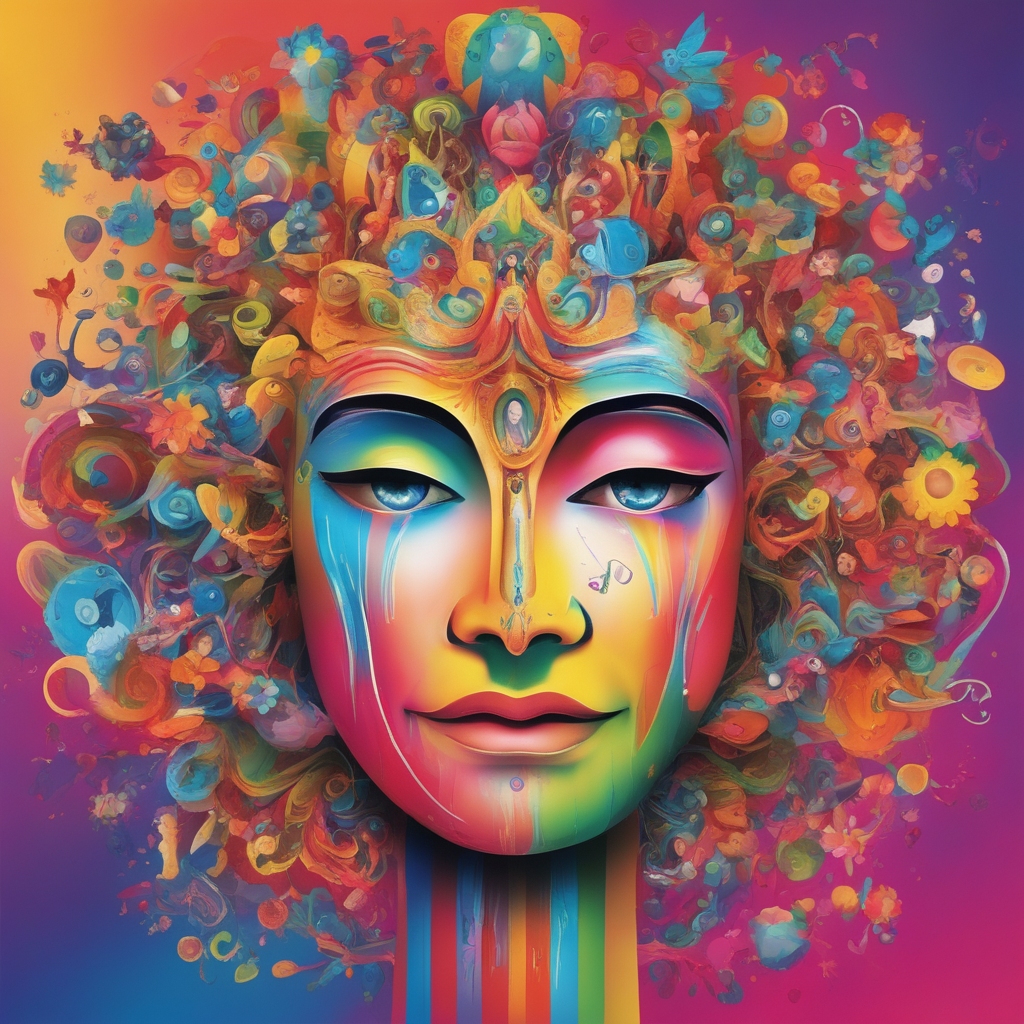
Longing for something greater, people shape deities from their deepest desires. Whether in objects, people, or ideals, devotion is placed upon symbols that mirror the unclaimed beauty within. The mind projects worth onto what seems external, never realizing that every idol is a reflection of an aspect of the self yet to be acknowledged.

Attachments form because something appears to be missing. A void is felt, and the world is searched for something to fill it. Objects become sacred, ideals turn into absolute truths, and figures of admiration rise to divine status. Not because they hold any inherent power, but because they embody what is believed to be absent in oneself.

A silent agreement is made: idols do not judge. Unlike the conflicted mind, they hold no contradictions, no inner turmoil, no weaknesses. Worship becomes an escape, a temporary relief from the weight of self-doubt. Celebrities, leaders, and public figures appear to stand beyond the chaos of thought, seemingly free from the struggles of ordinary existence. Until the illusion collapses, revealing that they too are bound by the same unseen chains.

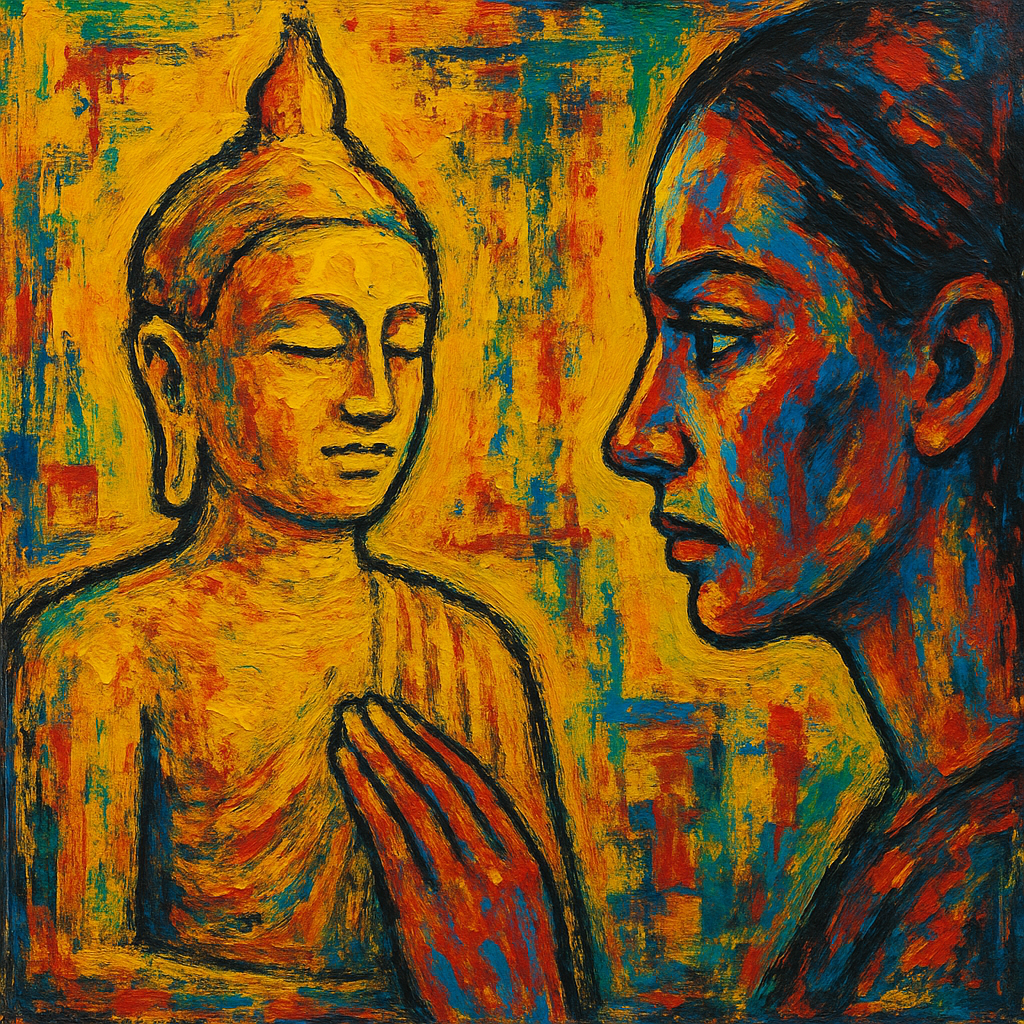
Every idol, whether shaped in metal or memory, is nothing more than an echo of the forgotten self. The search for something to worship is the search for the parts of oneself that have been disowned. What is revered in another is what has not yet been embraced within.

The longing for something outside is merely the mind seeking its own wholeness. The moment this is realized, idols fall away, and what was once sought in another is found in the silence of one’s own being.

Morgan O. Smith

Get Your Free Copy of My Book, Bodhi in the Brain!

https://subscribepage.io/oTSZQu

The Ego

Many Faces of the “I”

In our quest to understand ourselves, few concepts are as debated, dissected, and deliberated as the ego. Spanning from ancient spiritual scriptures to the modern therapist’s couch, the ego stands as a reflection of our sense of self and our relation to the world. Yet, its definitions vary, painting a multifaceted picture of this central aspect of human existence.

### **1. Ego in Psychoanalysis: The Mediator**

Freud’s tripartite model of the psyche introduced us to the ego as the balancing force between the primal urges of the id and the moral compass of the superego. Here, the ego isn’t an adversary but a necessary mediator, guiding our actions in a world of societal norms. It poses the question: Is our ego the voice of reason amidst internal chaos?

### **2. Ego in General Psychology: The Self’s Mirror**

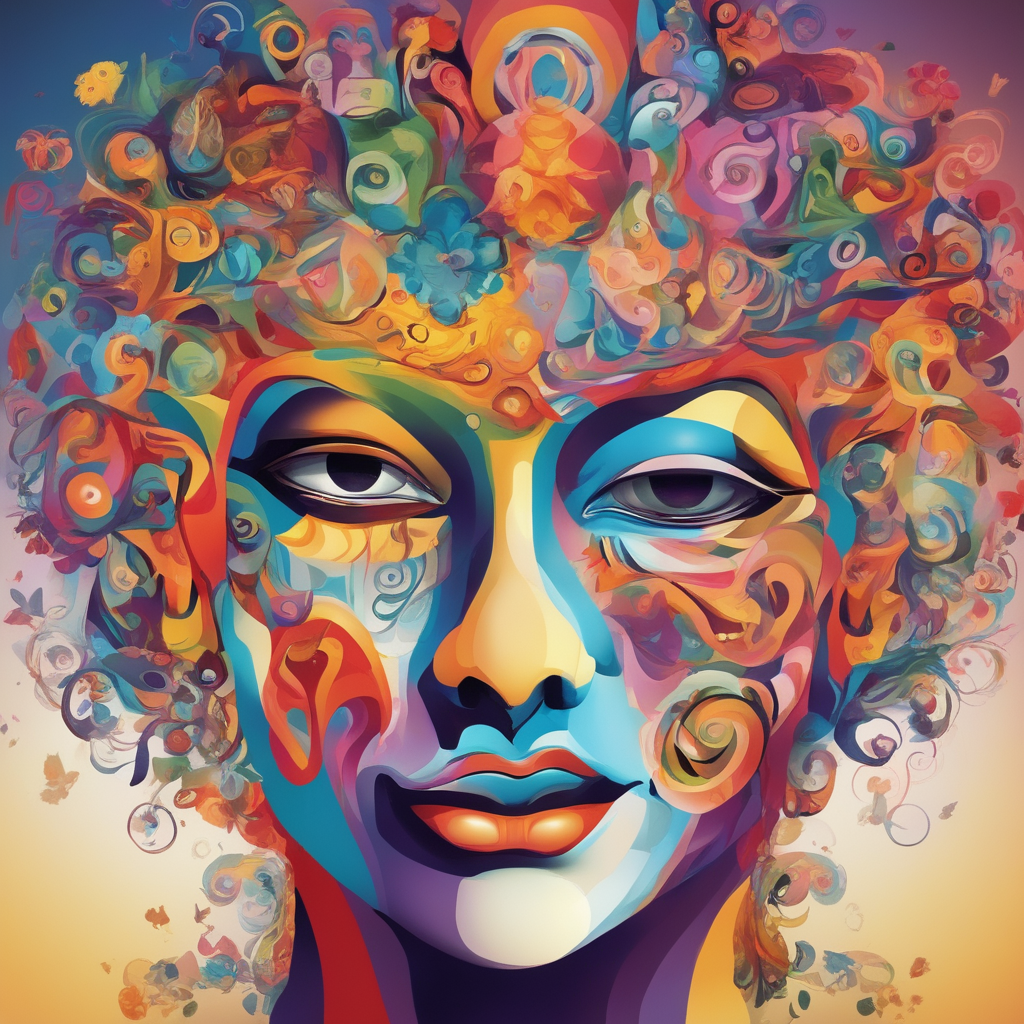
When we talk about self-esteem or self-worth, we’re often referring to the ego. This definition paints the ego as a mirror reflecting our perceived value and place in the world. Yet, this raises a thought-provoking inquiry: If our ego is a mirror, who or what determines its reflection?

### **3. Ego in Philosophy: The Conscious Observer**
Descartes’ famous dictum “Cogito, ergo sum” (I think, therefore I am) encapsulates the philosophical perspective of the ego as the conscious thinking subject. If our ego is the conscious observer of our experiences, it invites us to ponder: Without this observer, do experiences lose their significance?

### **4. Ego in Spirituality: The Illusory Self**
Many spiritual traditions view the ego as a barrier to enlightenment. It’s the illusory sense of separateness that binds us to suffering. The spiritual perspective urges us to ask: If the ego is an illusion, then who indeed are we beneath this veneer?

### **5. Ego in Pop Culture: The Mask of Pride**
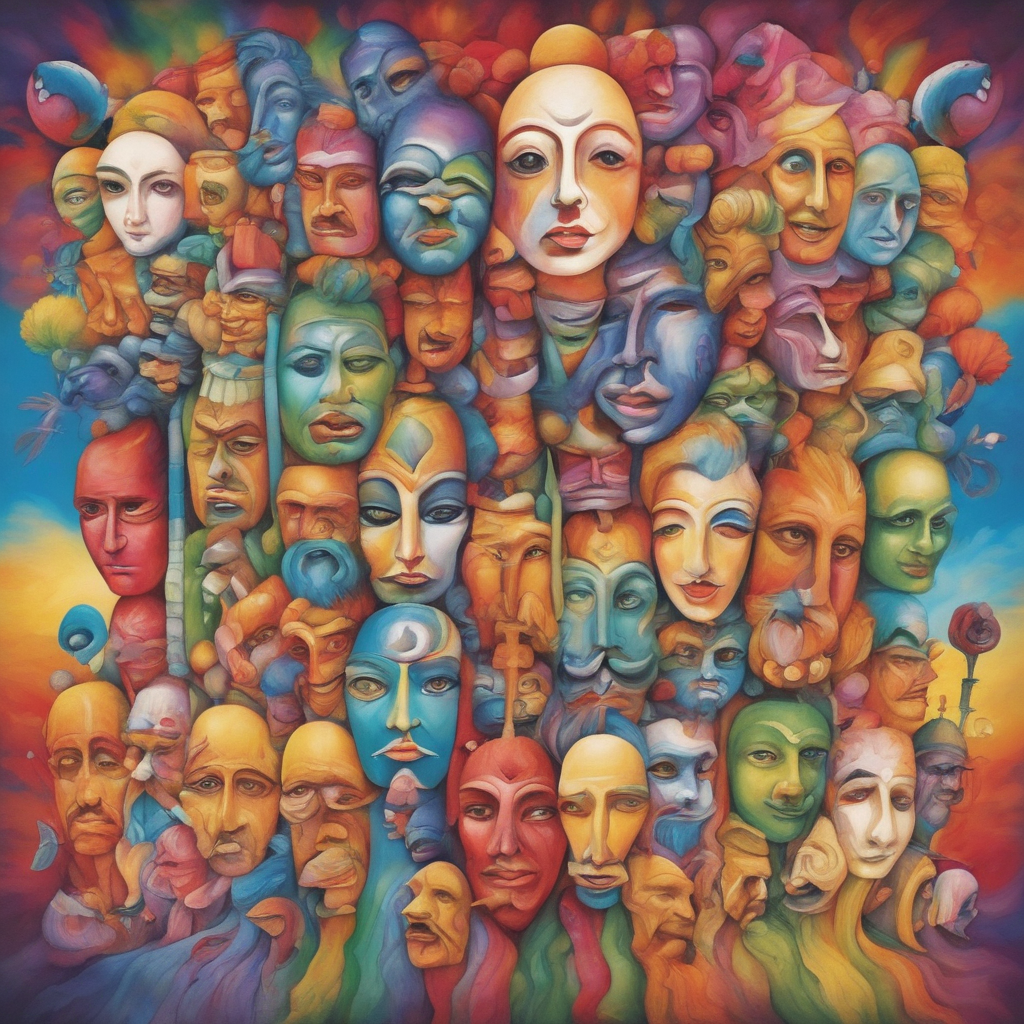
Everyday parlance often equates a “big ego” with arrogance. It’s seen as a mask, sometimes shielding insecurities, other times amplifying genuine pride. This usage compels us to consider: Is the ego merely a façade, and what lies behind it?

### **6. Ego in Eastern Philosophies: The Creator of “I-ness”**

Hindu philosophy introduces Ahamkara, the aspect of us that births the sense of “I.” This ego is neither good nor bad but a natural facet of being human. Reflecting on this, we might wonder: Is the ego, not an enemy but an inevitable companion on our human journey?

**In Conclusion: The Infinite Layers of “I”**

The ego, regardless of its definition, remains at the core of human introspection. Its multifaceted interpretations offer not just explanations but a myriad of questions. As we navigate our understanding of the ego, we’re not just uncovering the layers of this concept but also the layers of our very existence.

In exploring the ego, we’re invited to embark on a profound journey inward, to question, understand, and perhaps even transcend the confines of the “I.” For as varied as its definitions might be, the ego’s ultimate gift is the invitation to self-reflection.

Morgan O. Smith

Yinnergy Meditation & My Book, Bodhi in the Brain…Available Now!

https://linktr.ee/morganosmith