The Paradox of the Bodhisattva

Embracing Infinite Compassion

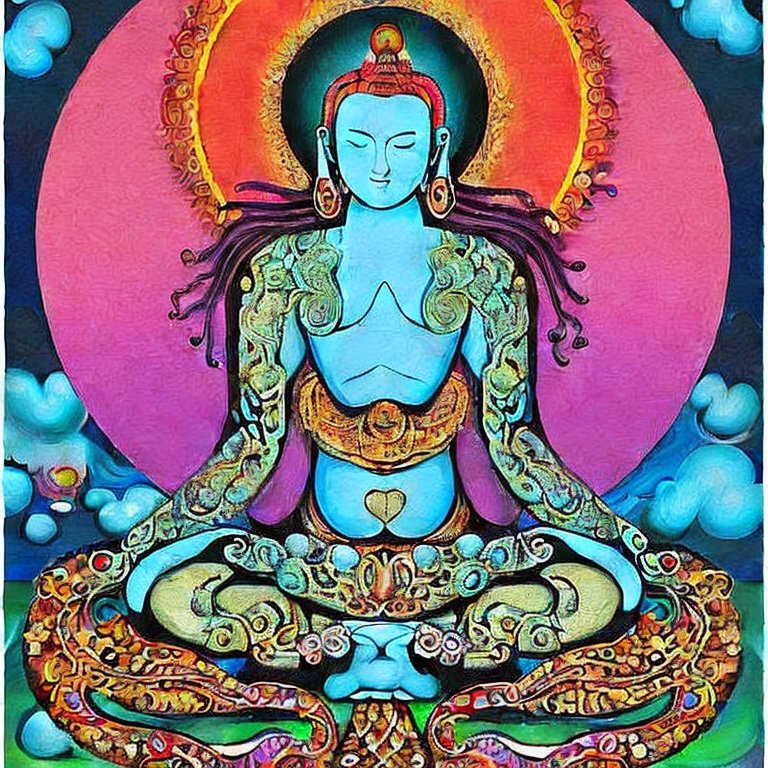
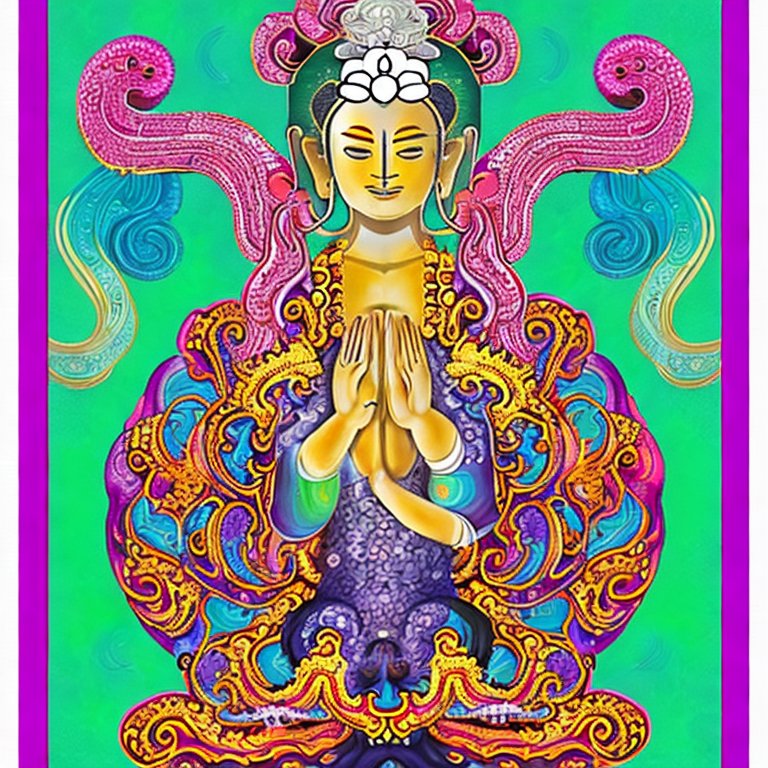
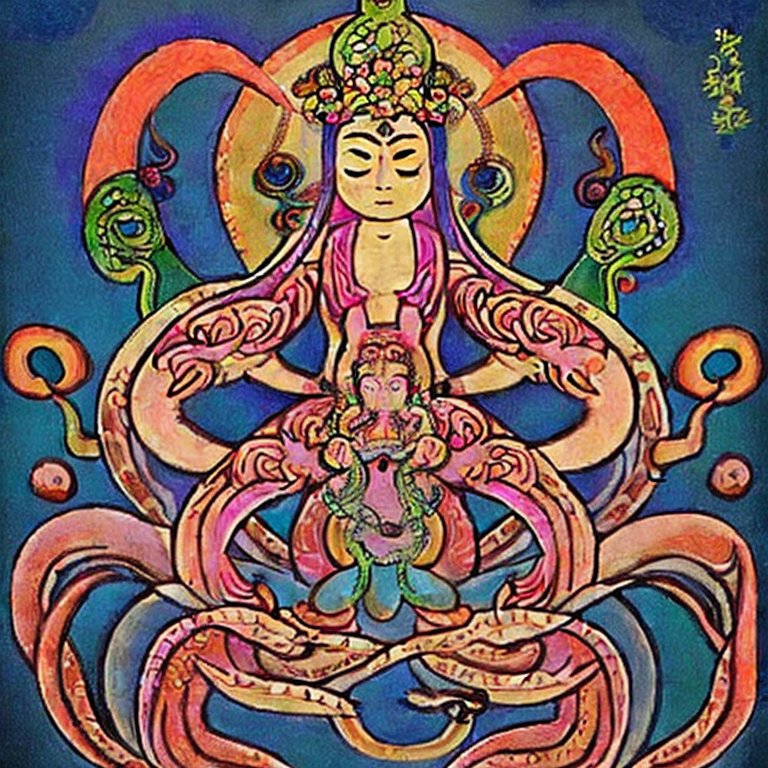
The greatest human sacrifice is the bodhisattva’s goal of not attaining nirvana until all sentient beings are free from samsara. An impossible task, but the bodhisattva does this anyway out of love. So out of love, he or she continues to be born, die, and be reborn while being fully conscious of entering a life full of grief, discomfort, and dissatisfaction.

The bodhisattva’s path is one of profound paradox and immeasurable compassion. In the face of boundless suffering, the bodhisattva chooses not the liberation of nirvana but the unending cycle of rebirth. This choice, rooted in an infinite love for all sentient beings, defies conventional notions of self-preservation and personal enlightenment.

In the depths of this commitment lies a radical redefinition of what it means to live a meaningful life. The bodhisattva embodies a profound understanding that individual enlightenment is intertwined with the liberation of all beings. This interconnectedness transforms personal suffering into a collective journey, where the lines between self and other dissolve in the embrace of universal compassion.


To fully grasp the bodhisattva’s sacrifice, one must delve into the core of their motivation: the unyielding love for all beings. This love transcends personal desires and aspirations, anchoring itself in the welfare of every sentient entity. It is a love that is willing to endure the perpetual ebb and flow of samsara, embracing each life with open-hearted acceptance despite the inherent pain and impermanence.

The bodhisattva’s journey challenges us to reconsider our own lives and the nature of true fulfillment. It asks us to look beyond our immediate comfort and desires, to see our existence as part of a larger, interconnected whole. In doing so, we begin to understand that the pursuit of personal happiness is not separate from the well-being of others.

Engaging with the bodhisattva ideal, even as a mere contemplation, invites us into a deeper exploration of love and compassion. It urges us to reflect on our capacity to extend kindness and empathy beyond the confines of our personal experiences. In a world often dominated by individualism and self-interest, the bodhisattva’s sacrifice serves as a beacon, illuminating the transformative power of selfless love.
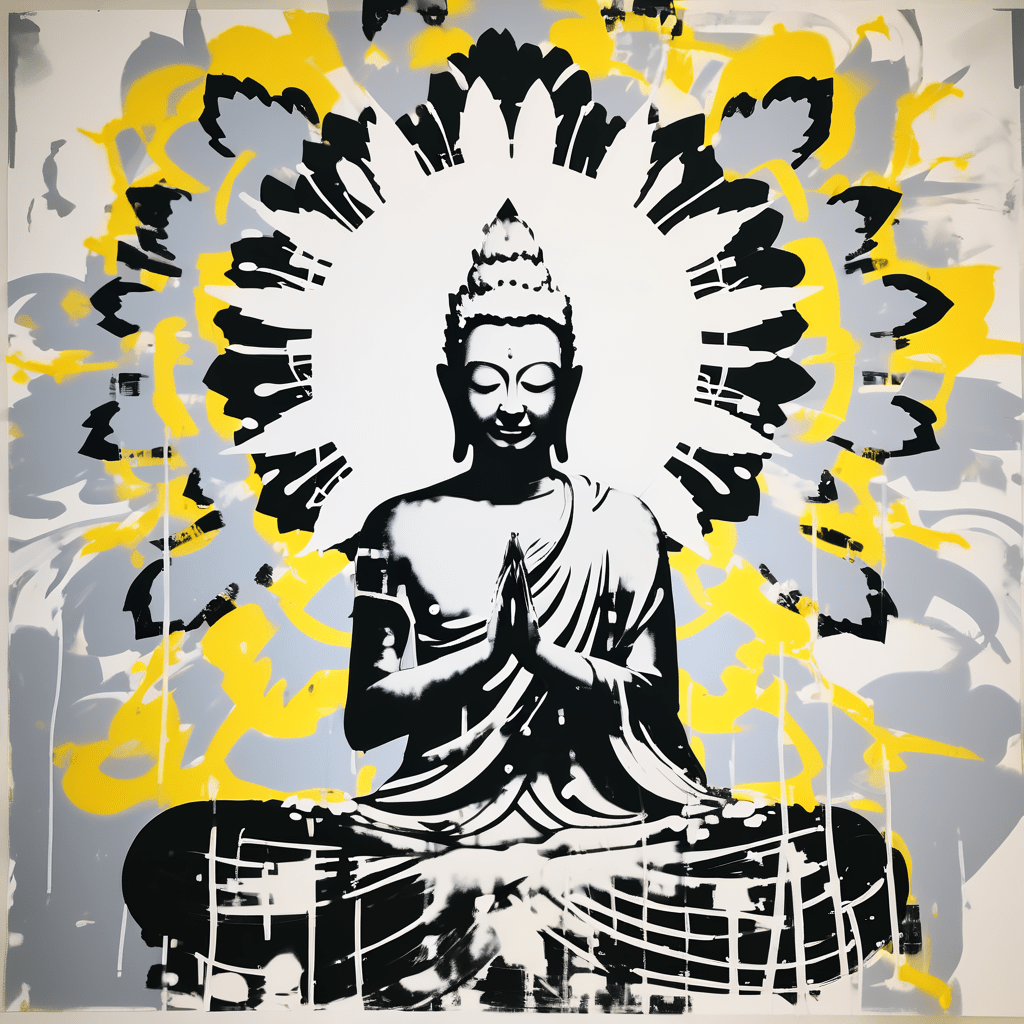

Ultimately, the bodhisattva’s commitment to the liberation of all beings is a testament to the boundless potential of the human spirit. It is a reminder that true enlightenment is not an isolated achievement but a collective awakening. As we meditate on the bodhisattva’s path, we are inspired to cultivate a love that transcends our own lives, embracing the entirety of existence in its compassionate embrace.

Morgan O. Smith

Yinnergy Meditation, Spiritual Life Coaching & My Book, Bodhi in the Brain…Available Now!

https://linktr.ee/morganosmith

Embracing the Essence of Humanity

A Reflection on Jesus’ Enlightenment

In a world often clouded by turmoil and uncertainty, the figure of Jesus stands as a beacon of what humanity can aspire to become. Regardless of one’s religious beliefs or lack thereof, there is an undeniable power in the ideals that Jesus represents. It’s not about the historical accuracy or the debates surrounding his existence; it’s about the essence of the individual he symbolizes – an essence that showcases humanity at its finest.

Jesus’ teachings, rooted in love, compassion, and empathy, are more than religious doctrines; they are universal values that transcend cultural and temporal boundaries. In these teachings, we find a guide to better ourselves and, by extension, the world around us. The message is simple yet profound: to cultivate an inner garden of love and understanding that spreads its seeds in every interaction.

The act of giving, as epitomized by Jesus, is not just a physical act of charity but a spiritual and emotional offering. To give up a piece of ourselves means to share our time, our understanding, and our compassion with others. This selflessness does not diminish us; instead, it enriches our lives, fills our hearts, and strengthens our communities.


In aspiring to be like Jesus or any figure that embodies the best of humanity, we challenge ourselves to grow beyond our limitations. It’s about striving to be the kind of person who acts with kindness, not for recognition or reward, but because it is inherently the right thing to do. It is about recognizing the interconnectedness of our lives and the impact of our actions on others.

In times of hardship, we often look for heroes and role models to guide us. Jesus’ enlightenment offers a path, not through miraculous feats, but through everyday acts of kindness and understanding. It’s in the small moments – a helping hand to a stranger, a listening ear to a friend in distress, a word of encouragement to someone losing hope – that the essence of what Jesus represents shines brightest.

As we reflect on the values epitomized by Jesus, let us commit to embodying these ideals in our daily lives. Let our actions be guided by love, our decisions by compassion, and our words by empathy. Let us be the ones who give, not just in material terms, but in the ways that truly matter – in understanding, in support, and love.


In doing so, we not only honour the legacy of figures like Jesus but also contribute to a world that is kinder, more compassionate, and more empathetic. It is in this effort that we find our greatest fulfillment and the true essence of what it means to be human.

Morgan O. Smith

Yinnergy Meditation, Spiritual Life Coaching & My Book, Bodhi in the Brain…Available Now!

https://linktr.ee/morganosmith

Agape

Embracing Universal Love for All of Creation

Introduction

In a world rife with division, turmoil, and individualism, the concept of Agape, or universal love, emerges as a beacon of hope and harmony. Rooted in various philosophical, spiritual, and religious traditions, Agape transcends borders, biases, and barriers, inviting us to embrace a love that binds all of creation. This blog post delves into the profound essence of Agape, its significance, and how it calls us toward a greater realization of our interconnectedness.

What is Agape?

Agape, often translated as “universal love” or “divine love,” represents a love that goes beyond the personal, emotional, or conditional. It’s a selfless love, free from judgment, that recognizes the inherent value and interconnectedness of all beings.

The Roots of Agape

The concept of Agape can be traced back to various traditions:

– **Christianity**: In Christian theology, Agape is the highest form of love, mirroring God’s unconditional love for humanity.
– **Buddhism**: Concepts like Metta (loving-kindness) reflect universal compassion and love for all sentient beings.
– **Hinduism**: Bhakti, the devotional love for the Divine, can be seen as a form of Agape that transcends worldly distinctions.

Agape in Everyday Life

The beauty of Agape is that it’s not confined to mystical experiences; it applies to our daily interactions. How can we embody Agape in our lives?

– **Seeing Beyond Differences**: Agape challenges us to recognize the common humanity in each other, regardless of race, religion, or nationality.
– **Cultivating Compassion**: Agape invites us to feel empathy for others’ suffering and respond with kindness and understanding.
– **Living Selflessly**: Embracing Agape means letting go of ego, self-interest, and judgment, allowing love to flow freely.

Agape and the Environment

Agape is not limited to human relationships. It extends to our relationship with nature and the environment. Recognizing the sacredness in all forms of life fosters respect and stewardship for the Earth.

Conclusion: The Transformative Power of Agape


Agape is more than a philosophical concept or mystical state; it’s a way of being. It calls us to expand our hearts, to love without conditions, to see the Divine in all, and to recognize our profound interconnectedness.

The journey toward Agape is not just a personal transformation; it’s a collective awakening. It heals, unites, and elevates our existence, turning love from a mere emotion into a universal principle that guides our lives.

In a world that often feels fragmented, the embrace of Agape offers a path toward wholeness and harmony. It’s not just a love for one another; it’s a love for all of creation.

As we contemplate Agape, we are invited to ponder: What would our world look like if we all lived with such love? How would it transform our relationships, our communities, and our very essence?

The answers to these questions may lie in the very heart of Agape, waiting for us to discover, embrace, and embody this universal love.

Morgan O. Smith

Yinnergy Meditation & My Book, Bodhi in the Brain…Available Now!

https://linktr.ee/morganosmith

Embracing the Octopus Within

The Path of the Saint and the Bodhisattva

In the boundless depths of the ocean, a remarkable creature flourishes – the octopus. With its eight arms and three hearts, the octopus presents a fascinating analogy for a life dedicated to compassion and altruism. What if I told you that by embracing the wisdom of the octopus, you could walk the path of a saint or a bodhisattva?

Three Hearts, One Soul

The octopus’s three hearts are not just intriguing biological features; they symbolize a trinity that is central to a life of selflessness – compassion, wisdom, and courage. These three tenets are the lifeblood that sustains the spirit of those who strive to benefit others. Just as the octopus’s hearts pump vitality through its body, these principles energize and direct our moral compass.

Compassion is the first heart. It moves us to alleviate the suffering of others. Wisdom, the second heart, grants the discernment to understand the complexities of life and the interconnectedness of all beings. The third heart, courage, gives us the strength to act upon our compassion and wisdom even in the face of adversity.

Arms That Give

Now, imagine your capabilities and resources as the arms of an octopus. These are the conduits through which the heart’s intent flows into action. With its eight arms, an octopus can achieve an astonishing level of multitasking and adaptability. Likewise, when we apply our varied talents and strengths in the service of others, we, too, can touch many lives. The octopus doesn’t discriminate as to which of its arms is more worthy; similarly, no act of kindness, however small, is ever wasted.

The Saint and the Bodhisattva: A Singular Journey

To “be like the saint” is to embrace a life of purity, humility, and service. This aligns closely with the path of the bodhisattva in Buddhism, who seeks enlightenment not for personal gain but for the benefit of all sentient beings.

A true saint, like a bodhisattva, doesn’t keep score. The concept of giving without expecting anything in return is deeply rooted in this path. This is not to be confused with self-neglect; rather, it’s the understanding that in the giving, we receive. We receive growth, fulfillment, and connection – treasures that cannot be quantified.

An Octopus’s Embrace

So, let’s learn from our wise friend, the octopus. Let our three hearts be full of compassion, wisdom, and courage. Let our arms be open and giving. And may we swim through the currents of life with grace, as saints or bodhisattvas, serving as guardians and guides for all those navigating the tempestuous oceans of existence.

In embracing the octopus within, we embark on a journey that ripples through the waters of our communities and touches the shores of every heart. In this sacred odyssey, we do not merely live; we become vessels of immeasurable, boundless love.

Morgan O. Smith

Yinnergy Meditation & My Book, Bodhi in the Brain…Available Now!

https://linktr.ee/morganosmith