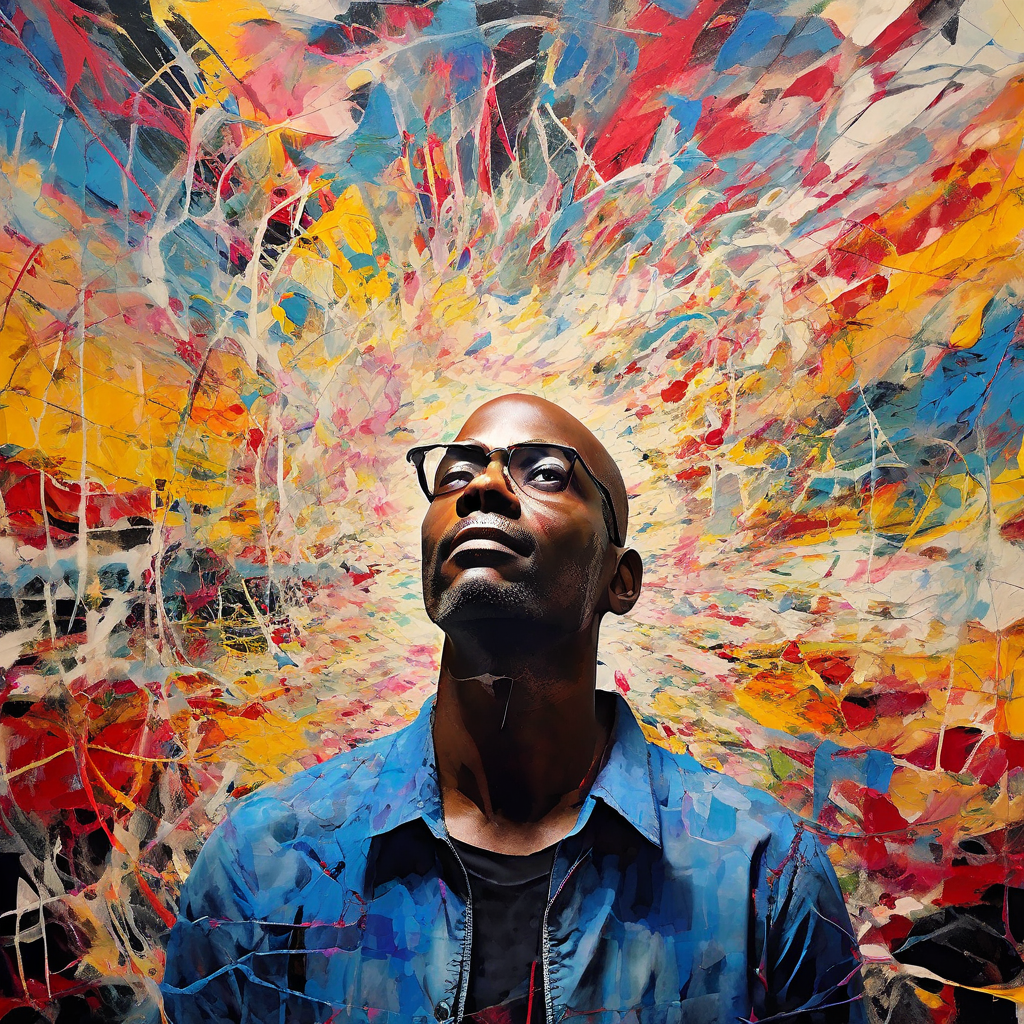
The Paradox of Everlasting Peace

Beyond the Illusion

In spiritual exploration, the quest for peace is often seen as the ultimate goal. We meditate, reflect, and seek to align ourselves with the harmonious currents of existence, all hoping to find a state of unshakable serenity. Yet, within the paradoxical depths of nonduality lies a profound insight: once you find everlasting peace, peace no longer exists.

To understand this enigma, we must delve into the very nature of peace itself. Conventionally, peace is perceived as the absence of conflict, a state where turbulence and chaos are subdued, giving way to tranquillity. It is a fleeting condition, often disrupted by the inevitable fluctuations of life. In pursuing this ideal, we create a dualistic framework: peace versus chaos, calm versus turmoil.

However, the essence of nonduality invites us to transcend this dichotomy. It beckons us to a dimension where distinctions dissolve, and the illusory boundaries between opposites merge into a seamless whole. In this state, peace is no longer a transient phenomenon to be achieved or maintained; it becomes an intrinsic aspect of our being, inseparable from the totality of existence.


When we truly embody this realization, the very concept of peace undergoes a radical transformation. It is no longer something to be sought after, for it is already present in every moment, in every breath. The relentless pursuit of peace implies its absence, perpetuating a cycle of seeking and grasping. But in the awakened state, we recognize that peace is not an external condition to be attained but an ever-present quality of our true nature.

This shift in understanding does not render peace obsolete; rather, it dissolves the notion of peace as something separate from our experience. In the nondual perspective, peace and chaos are not opposing forces but expressions of the same underlying reality. The turbulent waves of existence and the still depths of tranquillity are both manifestations of the infinite ocean of consciousness.

Embracing this insight, we are liberated from the perpetual quest for peace. We cease to measure our inner state against an external ideal, recognizing that every experience, whether serene or turbulent, is an opportunity to deepen our understanding of our true nature. The search for peace transforms into a deepening awareness of the ever-present, unchanging essence that underlies all phenomena.
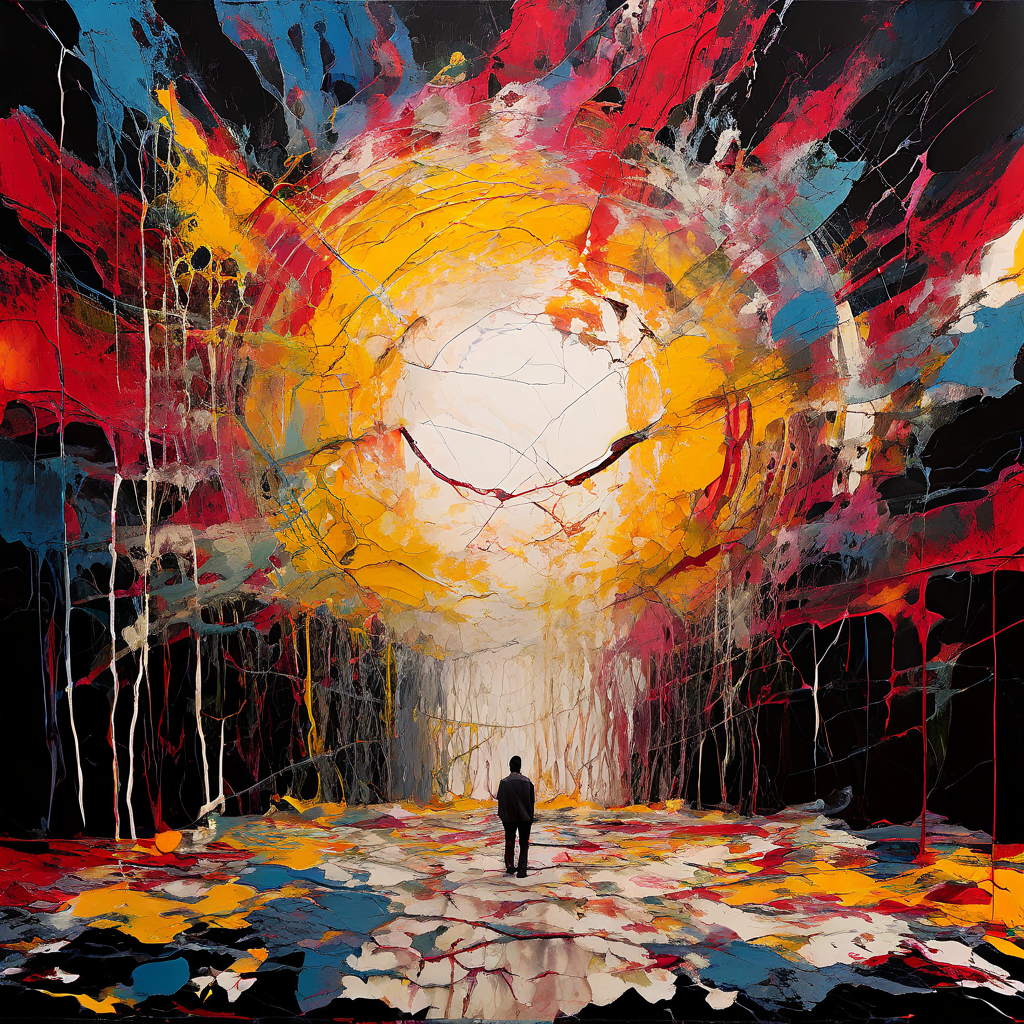

In this awakened state, we find ourselves in harmony with the flow of life, no longer resisting or clinging to specific outcomes. We become the silent witness to the ebb and flow of existence, resting in the unshakable stillness that is our true self. This is the paradox of everlasting peace: when we no longer seek it, we realize it has always been here, beyond the reach of our striving.

Morgan O. Smith

Yinnergy Meditation, Spiritual Life Coaching & My Book, Bodhi in the Brain…Available Now!
https://linktr.ee/morganosmith

Agape: The Dichotomy of Universal Love

In the spiritual journey towards understanding and living in universal love, or agape, two enlightened beings emerge on parallel paths. They both embrace agape, yet their personalities and the way they manifest this profound love are strikingly different.

The Introverted Universal Love

The first enlightened being, whom we shall call Seraphina, channels agape through introverted universal love. This means her love is directed inward, nurturing the self and radiating outwards in subtle, non-obtrusive ways.

Impact on Others

Seraphina’s love affects others through quiet acts of kindness and a gentle presence. She may not actively seek to spread love, but those who come into contact with her feel a calm, loving energy that often leads to inner transformation. Her love is a tranquil pond, reflecting the beauty of the world without rippling its surface.

The Extroverted Universal Love

On the other hand, we have Gabriel, who embodies extroverted universal love. His love is outward-facing, actively engaging with the world, and seeking to connect with others.

Impact on Others

Gabriel’s love is a dynamic force, touching lives through acts of charity, teachings, and open-hearted connections. His love is a roaring river, sweeping people along in its powerful current and leaving change in its wake.

A Harmonious Dichotomy

While their approaches differ, both Seraphina and Gabriel contribute to the universal energy of love. They show us that love is not a one-size-fits-all concept. It’s a multifaceted gem that can shine through various personalities.

The Introverted Love: A Deep Well

Seraphina teaches us that love does not always have to be loud or grand. It can be a silent force, a deep well that nourishes the soul. Her love invites contemplation and self-reflection, allowing for a profound connection with oneself and the universe.

The Extroverted Love: A Brilliant Flame

Gabriel, on the other hand, shows us that love can be a brilliant flame that illuminates the world. It’s about embracing others, taking action, and spreading joy. His love is a call to action, urging us to engage with the world and make a difference.

Conclusion

The paths of introverted and extroverted universal love, though different, are equally valuable. They teach us that love can be manifested in diverse ways, tailored to our unique personalities and life paths.

In a world torn by division and conflict, the lessons from Seraphina and Gabriel remind us that agape is within everyone’s reach. It’s a love that transcends boundaries and unites us all. Whether you’re drawn to the tranquil pond or the roaring river, the journey toward universal love is an expedition worth embarking on.

Morgan O. Smith

Yinnergy Meditation & My Book, Bodhi in the Brain…Available Now!
https://linktr.ee/morganosmith

The Unburned Heart of Thích Quảng Đức

A Testament to Unyielding Compassion

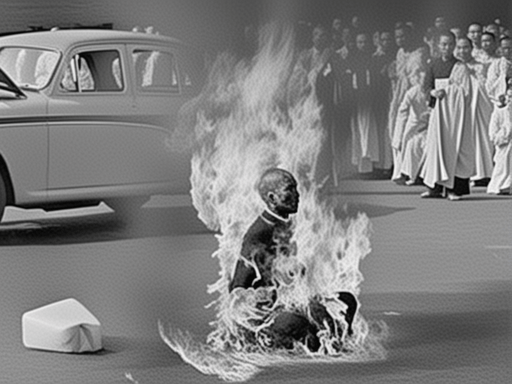
In the vast annals of human history, few images stand as starkly haunting as that of Thích Quảng Đức, a Vietnamese monk who, in a profound act of protest, set himself ablaze on a Saigon street in 1963. While the flames consumed his physical form, Quảng Đức remained motionless, embodying the epitome of tranquillity and peace. As if this act was not profound enough, an even more astonishing testament to his spirit was the heart that remained unburned, not only in the initial act but even upon re-cremation.

**The Unyielding Heart**

What does it mean to have a heart that does not burn? In the literal sense, it defies the expectations of nature and science. But on a more profound level, the heart of Thích Quảng Đức symbolizes the ultimate emblem of pure, unyielding compassion. In a world often ruled by tumultuous fires of hate, prejudice, and indifference, Quảng Đức’s heart serves as a poignant reminder that true compassion is unassailable. It can neither be burned nor extinguished.

**Compassion Amidst Chaos**

The metaphorical imagery of a heart that remains intact, even amidst the raging fires, is a testament to the enduring nature of compassion. The flames that consumed Quảng Đức were not merely physical; they represented the societal and political upheavals of his time. Yet, his heart, like his spirit, stood resolute, undeterred, and most importantly, compassionate.

In the face of adversity, many of us allow our hearts to be overtaken by the metaphorical fires of anger, resentment, or apathy. Yet, Thích Quảng Đức’s heart is a beacon, calling upon us to rise above the flames of malice and to foster a heart that, metaphorically speaking, can never burn.

**A Legacy Beyond the Flames**

Today, housed in a glass chalice at Xá Lợi Pagoda, Thích Quảng Đức’s heart serves as a perpetual reminder of his teachings and spirit. To the Vietnamese Buddhists and many others across the globe, he is revered as Bồ Tát Thích Quảng Đức, a bodhisattva. A being filled with such boundless compassion that he chose to remain in the cycle of samsara to help others attain enlightenment.

This unburned heart serves as a testament not just to the man, but to the idea that compassion, when deeply rooted in one’s being, can transcend even the most harrowing circumstances. It challenges each of us to reflect on the state of our hearts. Do we nurture a heart that is impenetrable to the flames of hatred, bitterness, and indifference?

**In Conclusion**


The legacy of Thích Quảng Đức is not simply about the act of self-immolation. It’s about a heart—a pure, compassionate heart that remained untouched despite the circumstances. As we traverse through our trials and tribulations, may we strive to cultivate such a heart, a heart that remains compassionate, resilient, and most of all, unburned.

Morgan O. Smith

Yinnergy Meditation & My Book, Bodhi in the Brain…Available Now!

https://linktr.ee/morganosmith