The Hidden Beast

A Reflection of the Disowned Self

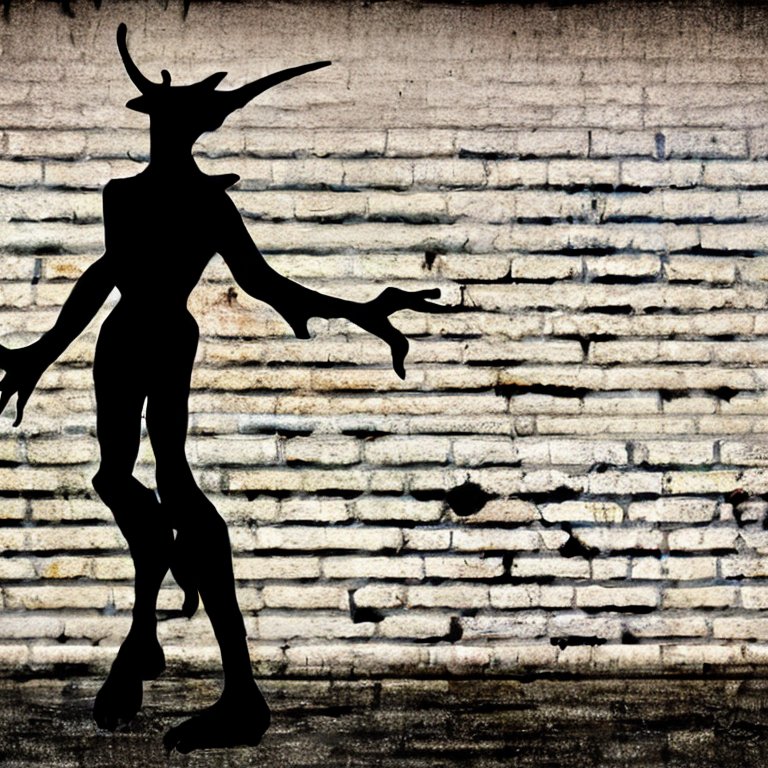
A cunning force moves through the unseen corridors of the unconscious, concealed within those who reject the parts of themselves they fear most. It does not wear horns or breathe fire, nor does it announce its presence with grand gestures. Instead, it drapes itself in the illusion of virtue, speaking with the tongue of righteousness while burying its most primal aspects beneath layers of denial.

This force is not the false prophet itself but the unclaimed shadow—the rejected fragment of the psyche that festers in the void of self-neglect. It lingers where awareness falters, whispering through the cracks of pretense, waiting for moments of weakness to make itself known. Some may catch its presence through a subtle unease, a tension within that signals something amiss. The senses pick up on what the eyes cannot see.

The more one denies this silent presence, the more erratic its manifestations become. When left unacknowledged, it erupts in impulsive behaviours, reckless speech, and actions that defy the carefully crafted image of moral certainty. It demands attention, forcing its way into reality through chaos and contradiction.

Yet, those who witness this in others must tread carefully. Casting judgment only strengthens the illusion of separation. The beast is not exclusive to one person, nor is it bound to a single host. Every individual carries a shadow—a hidden reservoir of unprocessed fears, desires, and forgotten aspects of the self. Recognizing it in another is merely an invitation to acknowledge what lies within.

True transformation does not come from condemnation but from confrontation. The journey is not about silencing the beast but understanding its purpose. When met with awareness, the shadow no longer acts out in defiance but instead becomes an ally. It teaches, refines, and reveals the depth of one’s being.

To see this force in another is an opportunity to turn inward. Rather than dismissing the reflection, one must embrace it, integrate it, and walk the path of self-illumination. Through this, judgment dissolves, tolerance deepens, and empathy emerges—not as an act of virtue but as the inevitable result of knowing oneself completely.

Morgan O. Smith

Yinnergy Meditation/Neurofeedback, Spiritual Life Coaching & My Book, Bodhi in the Brain…Available Now!
https://linktr.ee/morganosmith

The Birth of a Shamed Male Nation

Confronting the Unconscious Psyche

In 2018, an Ayahuasca ceremony opened my eyes to a profound and unsettling aspect of the male psyche. This experience led me to ponder deeply about the underlying reasons for the continued oppression of women by men, manifested in gender inequality, chauvinism, sexual harassment, and assault. This blog post delves into these complex and often hidden psychological factors.

At the core of this issue lies a ‘bad weed’ in the male unconscious. This aspect is so deeply buried and unacknowledged that most men are unaware of its existence. Even those who recognize it often find themselves too ashamed to confront or discuss it, be it with their male peers, professionals, or female partners.

This hidden part of the male psyche is intricately linked to their sexual identity and perceptions of women, particularly mother figures. For instance, if a man were confronted with an erotic image of a woman from the neck down, his primal reaction might be one of arousal. However, if he realizes that this woman is a younger version of his mother, the ensuing shame and conflict would be immense. This hypothetical scenario highlights the unconscious sexual desires and taboos deeply ingrained in the male psyche.


The maternal figure, a symbol of nurturing and care, becomes paradoxically intertwined with sexual desire in the male unconscious. This creates a profound internal conflict, particularly evident in situations like public breastfeeding, where the nurturing aspect of the female body is perceived in a sexual context. Men’s discomfort in such scenarios is a manifestation of their inability to reconcile these conflicting views of women as both sexual beings and nurturing figures.

This psychological conflict extends to how men perceive their mothers as sexual beings and caregivers. Unable to address or express these complex feelings, men might unconsciously project these emotions onto other women, viewing them through a lens tainted by their unresolved issues with maternal figures. Thus, women who embody aspects of sexuality or nurturing often become targets for male aggression or oppression.


Confronting this deep-seated issue requires a willingness among men to introspect and acknowledge these hidden aspects of their psyche. It is a challenging but necessary journey towards understanding and ultimately changing the unconscious motivations behind gender-based oppression. By facing these uncomfortable truths, men can begin to heal and foster healthier relationships with both themselves and women.

Morgan O. Smith

Yinnergy Meditation, Spiritual Life Coaching & My Book, Bodhi in the Brain…Available Now!

https://linktr.ee/morganosmith

Dancing with Shadows

The Devil as Society’s Dark Projection

Intro:

As we sail through the oceans of human consciousness, we often encounter tempests that unveil the darker facets of our nature. If the divine represents society’s golden shadow, virtues, and aspirations, could the devil figure embody society’s dark shadow, a reflection of our collective id and repressed instincts? This article plunges into the depths of this unsettling yet captivating hypothesis.

Understanding the Dark Shadow:

Carl Jung posited the existence of the shadow as a component of the unconscious, housing both positive and negative elements that are not integrated into the conscious self. The dark shadow encompasses the negative aspects – our fears, impulses, and darker instincts.

The Devil as Society’s Dark Shadow:

Across cultures, the devil often symbolizes the epitome of evil, temptation, and the darker aspects of human nature. By projecting these qualities onto a devil figure, society externalizes its inner darkness, creating a ‘scapegoat’ onto which it can cast its sins and unwanted characteristics.

The Collective Unconscious and the Id:

Sigmund Freud’s concept of the id complements Jung’s shadow. The id is the instinctual part of the mind that contains sexual and aggressive drives and desires. Society’s projection of the id onto the devil may represent a form of collective defence mechanism, an attempt to deal with the disconcerting aspects of our nature.

The Devil as an Archetype:

In Jungian terms, the devil can be seen as an archetype, a universal symbol that dwells in the collective unconscious of mankind. This archetype manifests in various forms in different cultures, but its core characteristics usually represent the antithesis of societal norms and moral values.

Facing Our Demons:

Recognizing the devil as a projection of society’s dark shadow calls for the courageous endeavour to face our inner demons. Individuals and societies can work towards a more balanced and authentic existence by accepting and integrating these shadow aspects.

Conclusion:

The notion of the devil as society’s dark shadow casts a new light on the traditional narratives of good and evil. It invites us to reflect upon how the figures of deities and demons are not only external entities but also potent symbols of the complexities of human nature. Through understanding these shadows, society stands on the precipice of deeper self-awareness and a more holistic grasp of the human condition.

Morgan O. Smith

Yinnergy Meditation & My Book, Bodhi in the Brain…Available Now!
https://linktr.ee/morganosmith

In Divine Light

Society’s Golden Shadow 

Intro:

In a world where the quest for meaning continues to stir the human soul, spirituality and reverence for the divine emerge as quintessential human experiences. But what if the collective admiration and worship of God are manifestations of society’s golden shadow – the unexplored, positive aspects of our shared unconscious? This post delves into the notion that the sacred spaces we turn towards in times of despair or joy are indeed reflections of the inherent greatness within ourselves.

Understanding the Golden Shadow:

Drawing from Carl Jung’s concepts, the golden shadow encompasses the positive attributes within our unconscious minds that we might not recognize. When these attributes are exemplified by an external entity, such as a deity, we project our golden shadow upon it.

God as the Epitome of Society’s Golden Shadow:

The divine figures across cultures are often epitomes of virtues – love, compassion, wisdom, and more. Society’s adoration for these figures could be interpreted as an admiration for the virtues themselves. The deities become mirrors, reflecting what individuals and societies aspire to embody.

Religion as a Path to Self-Realization:

One could argue that the rituals, prayers, and moral teachings of religion serve as vehicles for cultivating the qualities represented by the divine within ourselves. In essence, by worshipping or admiring God, individuals are also venerating and nurturing their own latent potential.

The Challenges:

This perspective might not sit well with everyone, especially those who believe in the transcendental nature of God. Moreover, using religious practices solely as tools for self-improvement might seem reductive. It’s essential to approach this hypothesis with respect for the diversity of beliefs and experiences.

Conclusion:

The notion that society’s worship and admiration for God is a projection of its golden shadow is thought-provoking. It offers a lens through which we can perceive religious and spiritual practices as not just pathways to the divine, but also as avenues to recognize and cultivate the virtues within ourselves. Whether or not one subscribes to this idea, it invites reflection on the profound interconnectedness between the human spirit and the sacred.

Morgan O. Smith

Yinnergy Meditation & My Book, Bodhi in the Brain…Available Now!

https://linktr.ee/morganosmith