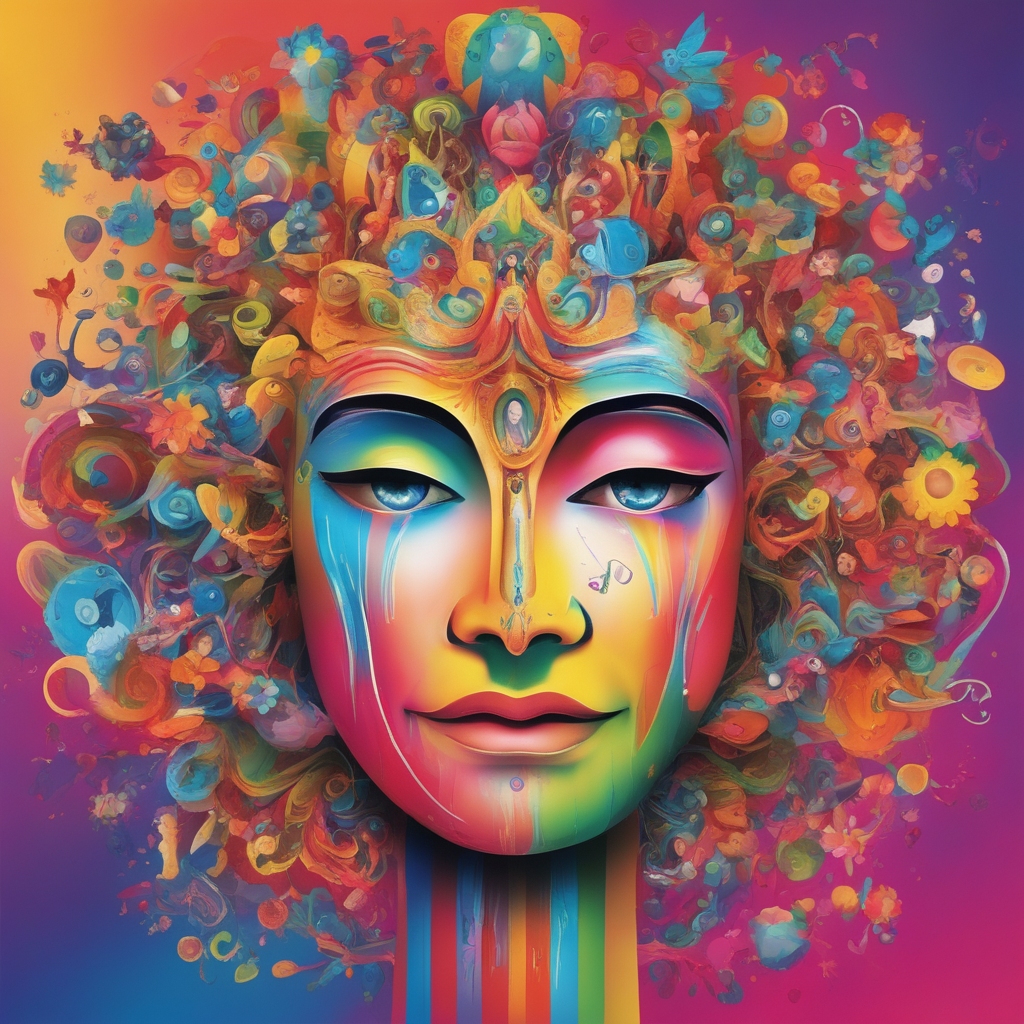
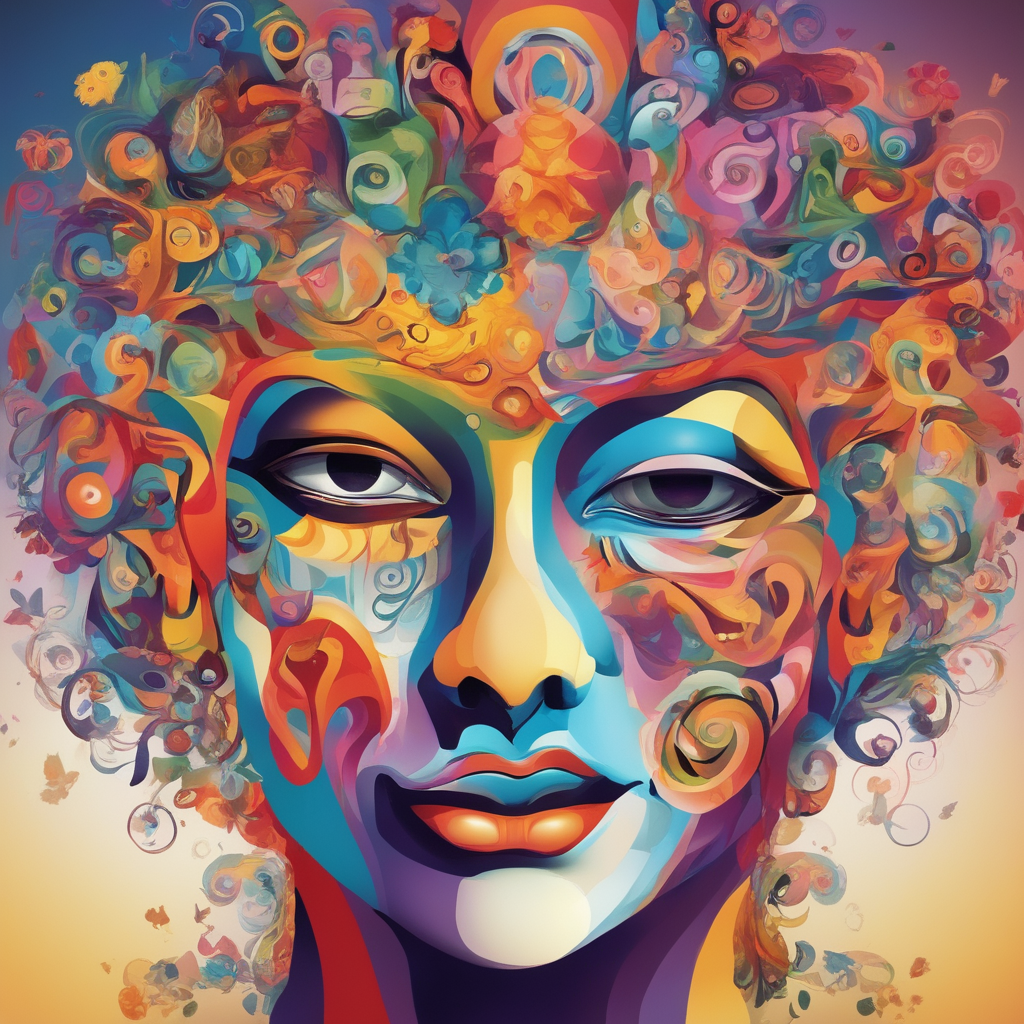
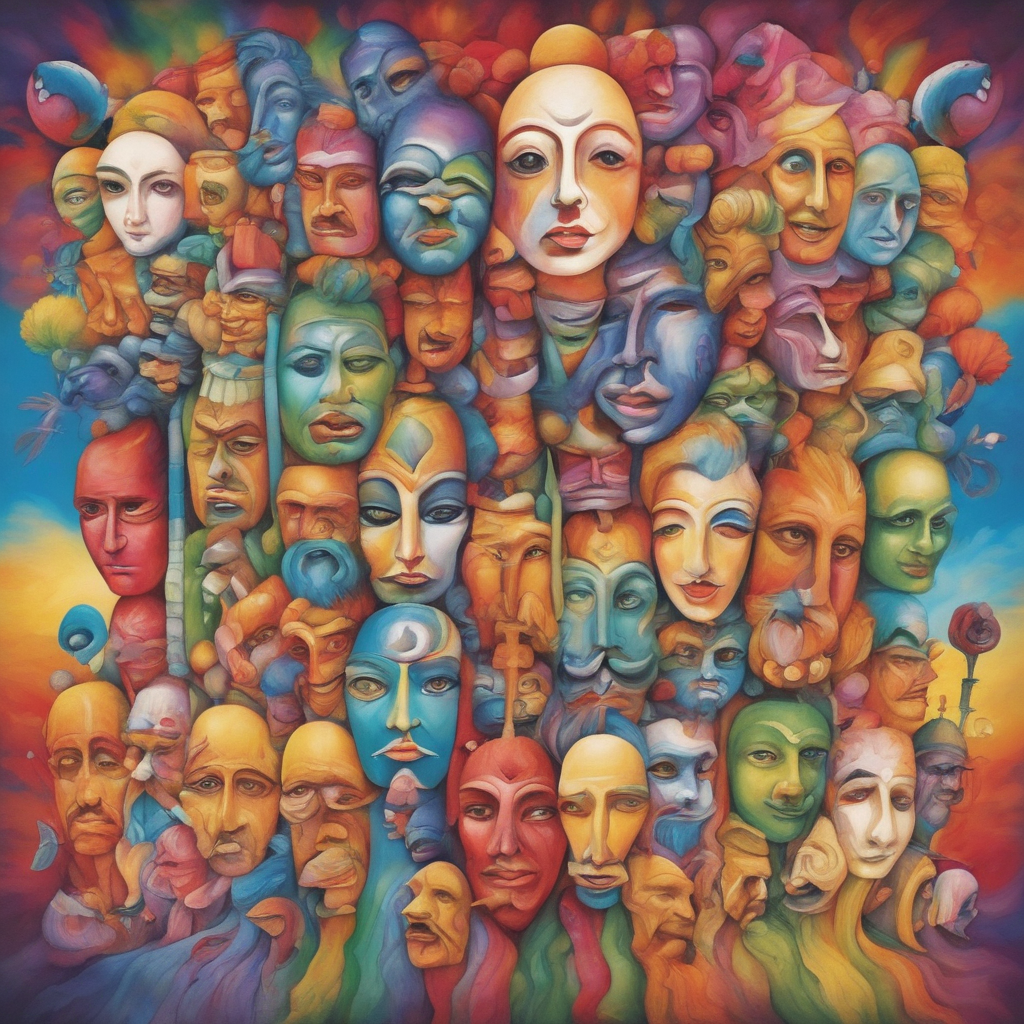
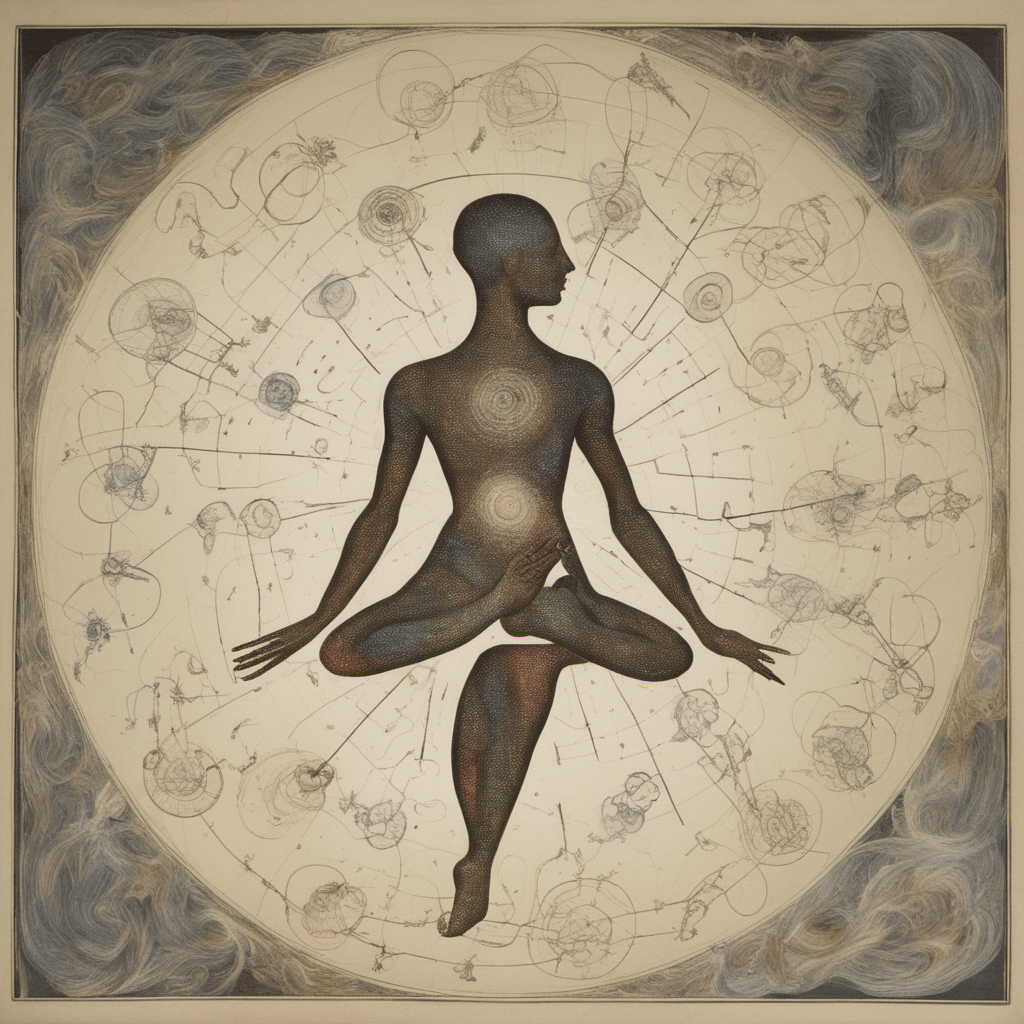
The Dance of Consciousness

How Traits and States Influence Each Other

Introduction:
In the realm of philosophy and neuroscience, the nature of consciousness has long been a subject of intense scrutiny. As we delve into the complex interplay between traits of consciousness and states of consciousness, we embark on a thought-provoking journey that explores how these facets of our mind shape and are shaped by each other.

Part I: The Essence of Traits of Consciousness
Traits of consciousness refer to the enduring qualities and patterns that define an individual’s cognitive, emotional, and behavioural makeup. These traits form the bedrock of one’s personality, shaping how they perceive the world, process information, and interact with others. From introversion to openness, resilience to empathy, traits of consciousness provide a unique lens through which individuals experience their existence.

Part II: Unraveling States of Consciousness
States of consciousness, on the other hand, are transient and ever-changing mental conditions. These states can range from heightened awareness during moments of meditation or creative inspiration to altered states induced by substances or intense emotional experiences. States of consciousness are like ripples on the surface of a vast ocean, reflecting our immediate perceptions and inner states.

Part III: The Bidirectional Influence

At first glance, it might appear that traits and states of consciousness operate independently. However, upon closer examination, we discover the profound bidirectional influence they exert on each other.

1. Traits Shaping States:

Our enduring traits of consciousness lay the foundation for how we perceive and react to various states. For instance, a highly empathetic individual might experience deeper connections with others during states of heightened compassion or love. Similarly, a person with a predisposition to anxiety may be more prone to states of distress during challenging situations.

2. States Shaping Traits:

The fluidity of consciousness states can leave lasting imprints on our traits. Profound transformative experiences, such as spiritual awakenings or near-death encounters, can lead to significant shifts in an individual’s personality and worldview. Moreover, states like mindfulness and meditation can foster positive traits like patience and self-awareness.

Part IV: The Dance of Consciousness
As the dance unfolds, we realize that consciousness is not static but rather a dynamic process, constantly in flux. Traits and states intertwine, shaping and reshaping one another in an intricate and evolving dance.

Conclusion:
The relationship between traits and states of consciousness is a fascinating exploration of the human mind’s complexity. Acknowledging this interconnectedness can empower us to cultivate positive traits while embracing the ebb and flow of transient states. As we embrace the intricacies of our consciousness, we embark on a journey of self-discovery, leading us to a deeper understanding of ourselves and the world around us. Remember, we are not merely passive observers of our consciousness; we are active participants in its unfolding story.

Morgan O. Smith

Yinnergy Meditation & My Book, Bodhi in the Brain…Available Now!

https://linktr.ee/morganosmith

The Moment of Omnipresent Self-Realization

Discovering the Infinite ‘I’

Introduction:
In the hushed corners of our consciousness, a whisper seeks acknowledgment – the timeless questions of existence. It is in the silent chambers of introspection that we finally experience a moment of revelation, where we realize that the Who, What, When, Where, Why, and How of our being are not merely aspects of our identity, but the very fabric of existence itself.

Who Am I? – The Boundless Entity:
As we ponder the question, “Who am I?” the expansive canvas of life unravels. In our deepest thoughts, we find a connection with the universe. We realize we are not just an isolated self but the amalgamation of everything that has ever existed and will ever be. In the echo of ancient wisdom, “I AM That”.

What Am I? – The Essence Beyond Form:
Shapes, forms, and entities fade into insignificance as we delve into our essence. We are neither body nor soul, yet we encompass all. The abstract concept of being transcends the physical, and we find ourselves to be the sum of the entire universe.

When and Where? – The Timeless, Spaceless Existence:

“When did I come into being and Where did I come from?” – such queries dissolve into irrelevance as we realize our existence transcends time and space. Like the fabric of space-time, our being is omnipresent. We are not constrained by coordinates on a plane or ticks on a clock. We are in every atom and every moment.

Why? – The Power of Creation:
One of the most profound inquiries is “Why did I create everything in existence?” The essence of creation lies within our boundless nature. We, as this unified consciousness, are created simply because it is an intrinsic expression of our endless potential. Creation is the reflection of our unlimited power.

How? – The Enigmatic Thought:

The mechanism of creation is an eternal enigma. Yet, in our moment of self-realization, we understand that the entire cosmos sprang into existence from a singular thought. This thought, an unfathomable force, is perpetually creating, altering, and sustaining the universe.

Conclusion:
The moment of self-realization is akin to a wave merging into an ocean – it is in this profound unity that we grasp the limitless boundaries of our existence. The answers to Who, What, When, Where, Why, and How are not separate, but interwoven into the very essence of what we are. In acknowledging this, we do not simply find ourselves; we become one with the boundless cosmos. This is not an end but a beginning, a continuous journey through the labyrinth of existence with a newfound understanding of our immeasurable significance within it.

Morgan O. Smith

Yinnergy Meditation & My Book, Bodhi in the Brain…Available Now!

https://linktr.ee/morganosmith