Trans-Rational vs. Pre-Rational

The Subtle Distinction of True Spiritual Maturity

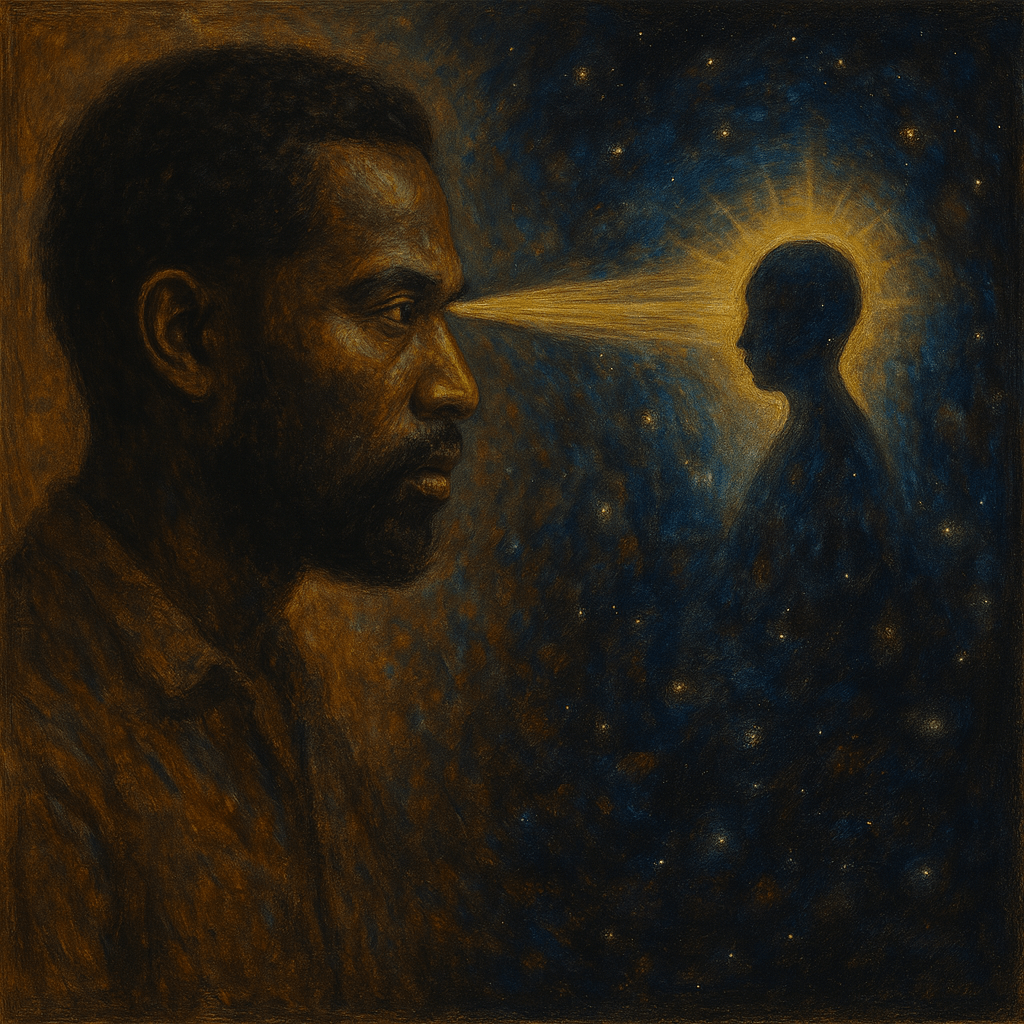
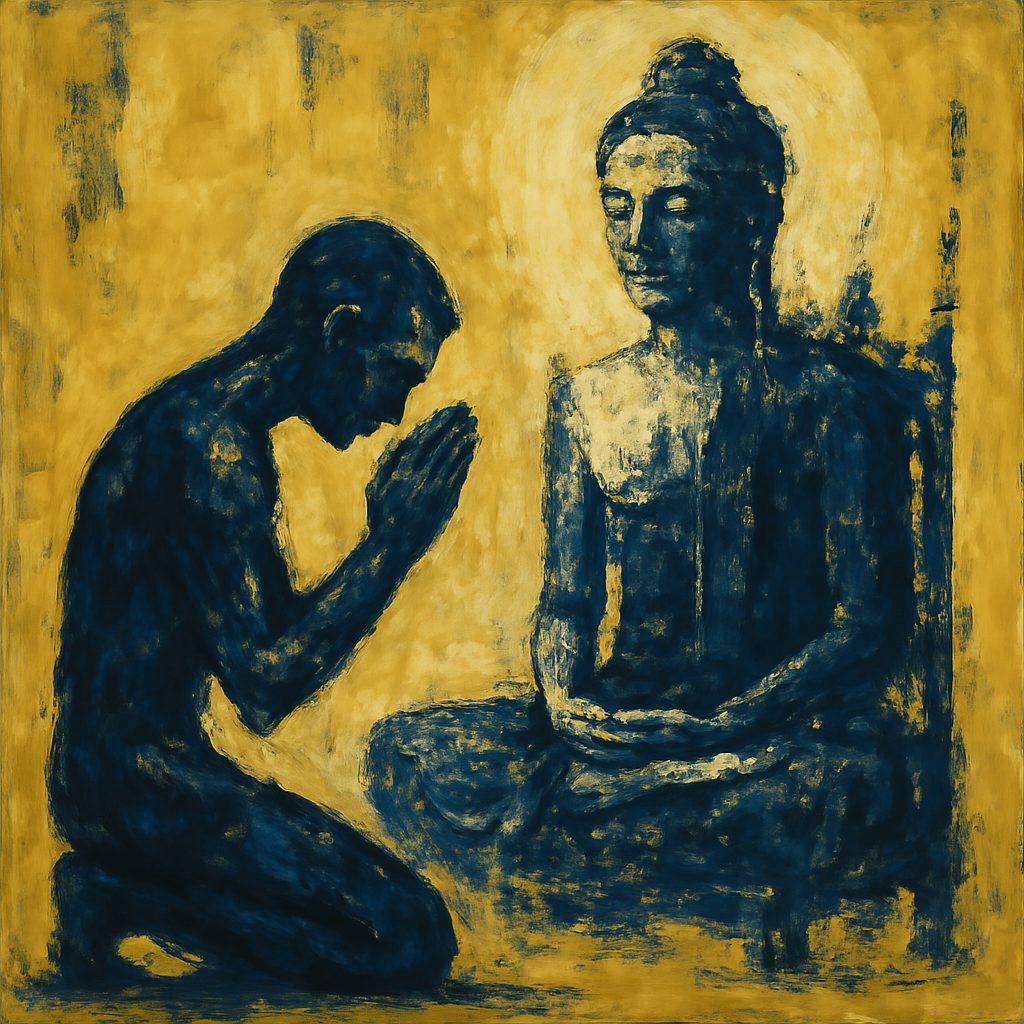
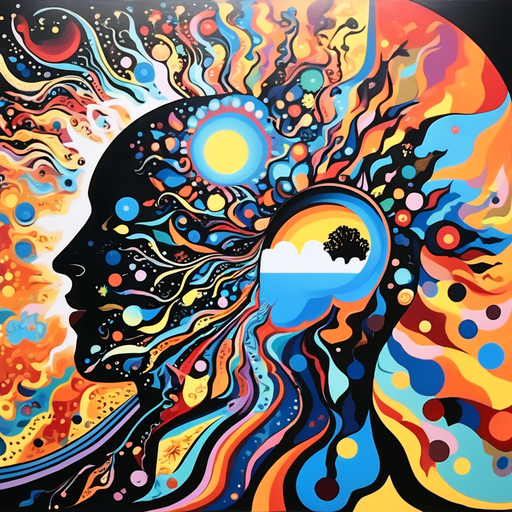
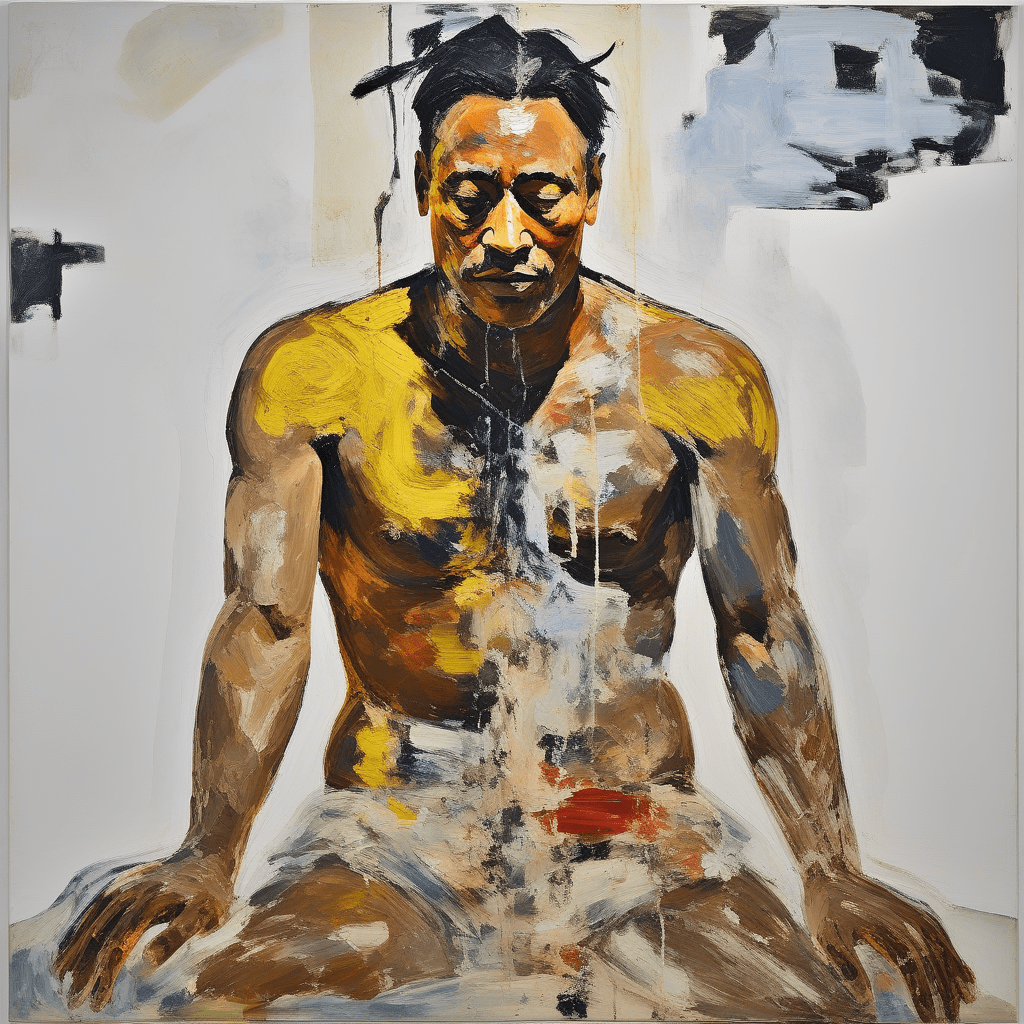
Many spiritual paths appear radiant on the surface, filled with symbols, mantras, and promises of transcendence. Yet beneath the surface lies a crucial divide often overlooked: the difference between pre-rational and trans-rational spirituality. Both appear to reach beyond logic, yet one regresses beneath it while the other transcends it entirely. To the untrained eye, they can look identical.

The pre-rational domain is instinctive, emotional, and magical. It belongs to an earlier structure of consciousness that sees reality through myth, projection, and emotional fusion. The pre-rational individual feels connected to life, but that connection is often undifferentiated; there is no clear boundary between the self and the world. Intuition replaces discernment. Myth replaces direct knowing. This is the consciousness of the dreamer who mistakes imagination for revelation. Many who fall into this category speak the language of mysticism but remain bound by emotional dependency and unexamined belief.

The trans-rational individual, on the other hand, has journeyed through the rational mind, not around it. They have integrated logic, science, and self-reflection into their foundation. Their transcendence is not an escape from intellect but a movement beyond its limitations. The mind becomes a servant rather than a master. Awareness expands to include paradox, complexity, and the ineffable without denying the relative truth of reason. Where the pre-rational personality confuses fantasy with insight, the trans-rational sees through both fantasy and logic as partial mirrors of the Real.

Many spiritual communities confuse these two movements, what Ken Wilber calls the pre/trans fallacy. Mystical language, emotional intensity, or devotion can appear “advanced,” when in fact they may mask regression to earlier, unintegrated states. True trans-rational realization does not deny the world; it refines perception until all appearances reveal the same unbroken consciousness. It honours both matter and spirit as dimensions of the same reality, seeing no need to reject one for the other.

The pre-rational seeks comfort in transcendence; the trans-rational finds freedom in presence. The former escapes complexity; the latter embraces it as divine play. One dissolves into illusion; the other dissolves illusion itself. The difference is not about how high one climbs, but how fully one includes.

Morgan O. Smith

Join us for our free virtual Zoom/YouTube group meditation session tonight, Wednesday, November 12th, at 8:00 PM ET. Please have your headphones or earbuds ready for the full experience. Take an hour for yourself to unwind, breathe, and reconnect.

Meeting ID: 859 0097 8411

Passcode: 676036

The Untranslatable Truth

Every attempt to describe ultimate reality begins from within limitation. Even the most awakened consciousness cannot hold the whole of what is; it can only reflect fragments of an infinite field through the prism of its own development. The absolute may be directly experienced, yet interpretation remains tethered to the mind’s evolution. Awareness can pierce the veil, but the translation of that piercing, the language, the symbols, the meaning, unfolds through the structures of human understanding.

At the highest stages of psychological and spiritual growth, perception becomes increasingly transparent to the Real. Layers of distortion thin, and the boundaries between observer and observed soften into mutual recognition. The self no longer interprets reality as something external; it feels itself as the very movement of interpretation itself. Yet even here, beyond dualistic knowing, the infinite continues to exceed all possible comprehension. To see truth is one thing; to speak it is another. The moment it is spoken, the ineffable has already been reduced.

Every level of consciousness constructs a version of the world consistent with its own depth of awareness. Mythic minds imagine gods shaping destiny; rational minds uncover laws of physics; integral minds perceive interwoven systems of meaning. Each reveals something essential, yet none are complete. Reality is not a single revelation but the total field that contains all revelations; each illusion, each breakthrough, each mistaken certainty. Maya is not an obstacle but a necessary expression of what is. To awaken does not mean to destroy illusion, but to recognize that illusion itself is included in the real.

The absolute is not somewhere beyond the dream; it is the dream and the dreamer, the veil and what shines through it. Every stage, every interpretation, every attempt to name the nameless belongs to it. Truth remains forever ungraspable, yet it breathes through every grasp. To live this is to rest in a humility that knows: the closer one moves toward reality as it is, the more radiant its mystery becomes.

Morgan O. Smith

Get Your Free Copy of My Book, Bodhi in the Brain!

https://subscribepage.io/oTSZQu

The Precision of Perception

Why Interpretation Shapes Your Awakening

Reality isn’t hiding. What conceals it is the web of interpretations spun by the mind: assumptions, projections, and inherited beliefs. Yet, paradoxically, it is through interpretation that one begins to peel away those very veils. Every interpretation is a mirror. The question is: what is it reflecting?

Interpretation matters because it reveals where you are on the developmental spiral. Crude, reactive interpretations reflect lower rungs of psychological growth; often rooted in fear, blame, or a need for certainty. As awareness matures, interpretations become more nuanced, inclusive, and paradox-tolerant. They start to echo the underlying unity of things, rather than just categorize them.

Interpretation is not merely a mental activity. It is a soul signal. The more refined it becomes, the closer it gets to silence, the point where no interpretation is needed. That is the paradox. The highest interpretation doesn’t claim to know; it bows. It listens. It dissolves.

Yet such dissolution is not a regression into vagueness. It is the clarity that comes when all interpretations have done their job and exhausted their usefulness. Then what remains is the directness of being—your true nature—not as a conclusion, but as the very absence of conclusion.

This is why interpretation is not to be dismissed but refined. It is a bridge. And the more accurate your interpretation of the world, the closer you walk toward the unconditioned—what no interpretation can contain, but all of them secretly point toward.

What you interpret is what you live. Misinterpret life, and you suffer. Align with it, and you awaken. Accuracy in perception is not about being “right”; it is about being real. Every step you take toward clearer interpretation is a step toward the Real that has no opposite.

Morgan O. Smith

Get Your Free Copy of My Book, Bodhi in the Brain!

https://subscribepage.io/oTSZQu

The Weightlessness of Perspective

How much weight does a point of view actually hold?

None. And yet, it seems to shape entire lives, govern nations, define relationships, and breed conflict. But the more one deepens into the ungraspable expanse of reality, the more all perspectives—including one’s own—become like shadows cast by a flame none can touch.

I do not feel resistance toward those who oppose my view. I feel space—vast, immeasurable space. Not tolerance, not passive indifference, but a kind of cosmic shrug. This universe is too immense, too precise, too paradoxical for me to waste even a flicker of energy defending a perspective I know was born out of a temporary configuration of memory, biology, and environment.

What I see, I see through a filter: race, culture, conditioning, gender, language, trauma, karma, personality, neurochemistry, and a moment’s breath. Someone else sees through a completely different lens. To argue over the differences is like two waves debating who touches the shore more truthfully.

Each wave is made of the same water.

Ultimate Reality does not conform to opinions. It cannot be contained by agreement or disagreement. It isn’t found in right or wrong, winning or losing. It is not trying to prove itself. It simply is, and isness doesn’t care how it’s described.

This is not nihilism. It’s reverence. Reverence for the mystery so wide, so total, that every perspective is valid precisely because none of them are.

The deeper the realization, the more perspectives one can hold. Not juggle, not compare, not rank—but hold. To see from the eyes of the enemy and the beloved, the oppressor and the oppressed, the doubter and the devotee. To feel into each vantage point, not to believe it, but to understand it from within.

Eventually, you don’t just hold perspectives. You become the capacity for perspective itself. You become the silence before thought, the awareness behind all positions.

From there, disagreement becomes theatre.

Opposition becomes dance.

And the only thing that matters is the stillness that allows it all to appear.

Morgan O. Smith

Get Your Free Copy of My Book, Bodhi in the Brain!

https://subscribepage.io/oTSZQu

The Echo of You

How Others Shape the Illusion of Self

Every mind that encounters you constructs a version of who you are—one that exists only within their perception. These projections are not reflections of an objective truth but rather interpretations woven from personal history, emotions, and unconscious biases. The self you recognize as you dissolves into a multiplicity of shifting impressions, each molded by the observer’s lens.

A single glance, a brief interaction, a conversation—these moments serve as the brushstrokes that paint an image of you in another’s mind. That rendering is not built from the essence of your being but from their expectations, fears, desires, and past experiences. You become a mirror reflecting not your own face but the fragmented archetypes stored within them.

Eight billion people could know of your existence, and within those eight billion minds, eight billion versions of you would reside—each unique, each tethered to the individual’s understanding of reality. Some may see wisdom where others see arrogance, kindness where others perceive naivety, or detachment where others sense depth. Each impression, though deeply felt by the observer, is nothing more than a personal myth—an illusion shaped by the inner world of the one perceiving.

This ongoing act of creation is not limited to how others see you; it extends to how you see them. The individuals encountered are rarely experienced as they are but instead as projections of our own conditioning. An idea of them forms, colored by past wounds, cultural imprints, and unconscious expectations. Thus, every relationship becomes a dance of illusions, where two constructs interact rather than two beings truly seen for what they are.

If these imagined versions of one another are so deeply ingrained, what remains when they fall away? What is left when perception no longer dictates existence? The formless, nameless presence that remains is not confined by labels or interpretations—it simply is. And in that space, where no definitions persist, the need to be seen, understood, or accepted dissolves into something far greater than any construct a mind could create.

Morgan O. Smith

Get Your Free Copy of My Book, Bodhi in the Brain!

https://subscribepage.io/oTSZQu

The Throne of Illusions

How the Mind Deifies Itself

The mind constructs its ruler—a sovereign draped in reverence, sculpted from ideals we exalt but refuse to embody. This deity is not an external force but a projection of the highest aspects of ourselves, polished and placed on an altar beyond reach. It is the sum of virtues we admire but disown, an illusionary monarch fashioned by the governing voice of the psyche.

This entity—crafted from moral codes, cultural doctrines, and inherited beliefs—sits enthroned above the nature it was designed to suppress. It governs impulses deemed unruly, desires cast into shadow, and instincts labeled sinful. To tame the wildness within, the mind erects an overseer—one adorned in righteousness, one feared yet adored.

But this sovereign is nothing more than an elaborate mirage, a construct sustained by collective faith. Every attribute labeled “good” is stripped from the individual and projected outward, transformed into a divine presence we serve rather than integrate. This keeps virtue at a distance, shimmering like unreachable jewels in an unseen vault. The self, fragmented by this artificial hierarchy, remains divided—some aspects glorified, others buried in shame.

Like all forms of dominion, this imagined rulership thrives on submission. Fear fuels its reign, whispering myths of punishment and reward. The throne itself is upheld by those who kneel before it, unaware that they are the architects of their captivity. Yet, the power we assign to this fabricated ruler has always belonged to us. The virtues we attribute to it are the very qualities waiting to be reclaimed.

The moment one ceases to externalize greatness, the illusion collapses. No ruler remains—only an undivided self, whole and sovereign.

Morgan O. Smith

Yinnergy Meditation/Neurofeedback, Spiritual Life Coaching & My Book, Bodhi in the Brain…Available Now!

https://linktr.ee/morganosmith

Embracing Falsehoods at the Pinnacle of Awareness

In the realm of human consciousness, there exists a fascinating paradox. At the highest level of awareness, a person can reach a state where they can believe in something, fully aware that it is not true. This peculiar aspect of human psychology offers a deep insight into the nature of belief, perception, and the human mind.

What does it mean to believe in something while knowing it isn’t true? It’s like willingly suspending disbelief while watching a movie. You enter into a contract with the fiction, fully aware that dragons don’t exist or that superheroes don’t fly, yet you allow yourself to believe in these concepts for the duration of the experience. This phenomenon isn’t just limited to entertainment but extends to the very core of our everyday lives.

Why do people engage in such seemingly contradictory behaviour? The answer lies in the complexity of the human mind and its quest for meaning and comfort. Beliefs, even those acknowledged as false, can provide a sense of comfort, belonging, or identity. They can be a source of inspiration or a means of coping with the harsh realities of life. In a world that often feels chaotic and unpredictable, these beliefs, however, detached from reality, can offer a sense of order and purpose.


This ability to believe in the unbelievable highlights the power of the human imagination and creativity. It’s a testament to our ability to envision worlds and possibilities beyond our immediate reality, a skill that has been a driving force behind art, literature, and scientific innovation. It allows us to explore ideas and scenarios that, while not real, can lead to real-world insights and advancements.

However, this power comes with a responsibility. While it can be enriching and beneficial, deliberately believing in falsehoods can also lead to dangerous delusions and collective harm if not approached with critical thinking and ethical considerations. It’s vital to find a balance, to know when to embrace these beliefs as a source of inspiration and when to acknowledge them as mere constructs of our imagination.


In conclusion, the capacity to believe in something while knowing it isn’t true is a unique aspect of human consciousness, reflecting our complex psychology. It’s a powerful tool that, when used wisely, can enrich our lives and propel us toward greater heights of imagination and understanding. However, it’s crucial to navigate this terrain with discernment and a keen sense of reality.

Morgan O. Smith

Yinnergy Meditation, Spiritual Life Coaching & My Book, Bodhi in the Brain…Available Now!

https://linktr.ee/morganosmith

Devils of Tasmania

Embracing Our Inner Demons

In the depths of our psyche lurks a hidden shame, explicit yet unacknowledged. We live most of our lives concealing our darker selves, fearing the part within capable of mass destruction and devoid of remorse. This fear drives us to repress these inner demons, to maintain the facade of our public persona, free from shame and disgrace.


Yet, these impulses, these inner monsters, are potent forces, akin to natural disasters. They are not acts of God but inherent parts of our being, capable of tearing down everything in their path. Their destructive nature is unchanging and inevitable. Our task is not to deny them but to accept and direct their fury toward crumbling edifices that lack a solid foundation.

These demons, if unchecked, can ruin lives. However, harnessed correctly, they have the power to demolish outdated beliefs and paradigms, shedding light on areas we need to confront and overcome. Their destructive capabilities allow us to rebuild from the ashes creatively. They give us a chance to construct anew – to erect buildings of thought and behaviour that are more resilient and robust than ever before.


Our distress over this destruction stems from our attachment to what we have built and our reluctance to accept the impermanence of all things. Only by acknowledging and embracing these internal devils can we truly liberate ourselves from their hold and transform their destructive power into a force for personal growth and renewal.

Morgan O. Smith

Yinnergy Meditation, Spiritual Life Coaching & My Book, Bodhi in the Brain…Available Now!

https://linktr.ee/morganosmith

Self-Actualization vs. Self-Realization

A Deep Dive into the Psyche and Soul

In the journey of self-discovery and personal growth, two concepts often emerge as beacons: self-actualization and self-realization. While they may appear similar at first glance, each represents a distinct path in the quest for understanding oneself. This post delves into the nuances of these concepts, exploring how they differ and intersect in the human experience.

#### Self-Actualization: The Psyche’s Reflection

Self-actualization is a term popularized by psychologist Abraham Maslow, best known for his hierarchy of needs. It sits at the apex of his pyramid, symbolizing the highest level of psychological development. At its core, self-actualization is about realizing and fulfilling one’s potential and capabilities. It’s a process where the psyche chooses to see its reflection when ready.

This journey is characterized by:

– **Growth-motivated behaviour**: Pursuing goals that lead to personal growth and fulfillment.
– **Realism**: Having an accurate perception of oneself, others, and the external world.
– **Autonomy**: Being independent and resistant to enculturation, but not oblivious to the opinions of others.
– **Peak experiences**: Transcendent moments of joy, creativity, and deep understanding.


#### Self-Realization: The Soul’s Inner Knowing

In contrast, self-realization is often rooted in spiritual or philosophical traditions. It’s about understanding one’s true nature at the deepest level. Unlike self-actualization, which is more about the individual’s capabilities and achievements, self-realization is about the soul choosing to know itself as itself when ready, even when the conscious mind isn’t.

Key aspects include:

– **Inner wisdom**: Tapping into the innermost essence of one’s being.
– **Non-attachment**: Letting go of material and ego-driven desires to focus on spiritual enlightenment.
– **Oneness**: Feeling a profound connection with the universe and all living beings.
– **Intuitive understanding**: Beyond logical reasoning, it’s an intrinsic knowing of one’s true self.

#### Intersecting Paths

While self-actualization and self-realization seem different, they can intersect. Both paths involve a deep understanding of oneself and a commitment to personal growth. They also require readiness – an openness to embark on these transformative journeys.

In practice, one might find elements of self-actualization within their spiritual pursuit of self-realization, or vice versa. It’s a reminder that self-discovery is deeply personal and unique to each individual.


#### Conclusion

Understanding the distinction between self-actualization and self-realization can provide valuable insights into our growth journey. While self-actualization focuses on realizing one’s potential and abilities, self-realization dives into understanding the true essence of one’s soul. Both paths, though different, offer rich opportunities for profound personal transformation.

Morgan O. Smith

Yinnergy Meditation, Spiritual Life Coaching & My Book, Bodhi in the Brain…Available Now!

https://linktr.ee/morganosmith

The Interconnection between Charitable Acts and Kundalini Awakening

**Introduction**

In the rich tapestry of our existence, our actions, particularly those imbued with altruism and empathy, weave intricate patterns that reverberate through our spiritual and physical being. Charity, a virtue, becomes an interesting lens through which to explore a phenomenon well documented within Eastern spirituality: Kundalini awakening. This post aims to weave a narrative, interlinking the seemingly mundane with the profound, exploring how acts of charity might kindle our inner serpentine power.

1. **Charity: A Biological Perspective**

   Engaging in charitable acts activates neural pathways associated with reward and pleasure in our brain, particularly within areas such as the ventral striatum. Essentially, when we help others, our brain releases neurotransmitters like dopamine and oxytocin, infusing us with feelings of happiness and connection.

2. **Psychological Repercussions**

   Additionally, the psychological gratification of aiding others – sometimes referred to as the “helper’s high” – further deepens our sense of belonging and purpose. This potent emotional blend may very well pave the way for spiritual awakenings, creating a fertile ground for our internal energies to cultivate and ascend.

3. **Kundalini: The Serpent Power**

   Kundalini, often depicted as a coiled serpent at the base of the spine, represents dormant energy. Upon awakening, it travels up through the chakras, infusing the individual with profound spiritual enlightenment. The awakening is typically instigated by certain practices or experiences, and notably, is said to be tied to acts that elevate our spiritual and emotional state.

4. **Charity as a Catalyst**

   So, how does charity come into play? The act of giving, especially when devoid of self-interest, becomes a purely spiritual practice. This practice, in essence, generates positive vibrations that can reverberate within, possibly acting as a stimulus to awaken the Kundalini.

   When we extend our hands to aid others, we not only forge connections with them but also nurture our internal spiritual self. This may potentiate the Kundalini energy, urging it to uncoil and ascend, transmuting our spiritual experiences.

5. **Integration of the Physical and the Spiritual**

   Thus, the biological and psychological modifications experienced during charitable acts become catalysts for deeper spiritual explorations and possibly, a Kundalini awakening. The intertwining of this spiritual journey and our earthly actions showcases the beautiful complexity of our existence, where the material and the spiritual are not mutually exclusive but intricately interconnected.

**Conclusion**

The interplay between charitable acts and a Kundalini awakening orchestrates a symphony where biology, psychology, and spirituality create a harmonious melody. Through acts of kindness and empathy, we might unknowingly nurture our internal serpent, enabling it to rise and illuminate our spiritual path, crafting a beautiful confluence where our physical actions translate into spiritual enlightenment.

In the end, charity does not merely touch the lives of those we assist; it also imbues our journey with profound, transformative power, guiding us through a path that intertwines the tangible with the intangible, crafting a tapestry rich with complexity and depth.

Morgan O.  Smith

Yinnergy Meditation & My Book, Bodhi in the Brain…Available Now!

https://linktr.ee/morganosmith