
The journey toward enlightenment is often viewed as a one-way path, leading to a state of spiritual awakening that fundamentally changes one’s perception of the world and self. But is it possible to revert to a state of unenlightenment? This question opens a fascinating philosophical debate.
#### The Irreversibility of Enlightenment
Once an individual experiences spiritual enlightenment, it is commonly believed that this transformation is irreversible. In spiritual traditions like Hinduism, Buddhism, and various mystic philosophies, enlightenment—referred to as Sahaja Samadhi, Turiyatitta, Nirvana, Nibbana, Moksha, Bodhi, and other names—is seen as the ultimate achievement. It’s a profound understanding of the universe and one’s place, transcending ordinary perception.
The idea of willingly abandoning such a state seems counterintuitive. Why would one return to a less aware state after enlightenment? For those who have experienced this profound awakening, giving it up, especially while in the human body, seems unimaginable.
#### The Divine Paradox
However, when considering the divine or absolute reality—referred to in various traditions as God, Brahman, Allah, or the Ground of All Being—there’s an intriguing paradox. This ultimate reality is believed to manifest itself in all forms of existence, encompassing every species and aspect of the universe. In doing so, it seemingly relinquishes its state of pure enlightenment to become the myriad forms of life and matter.
#### The Bodhisattva’s Choice
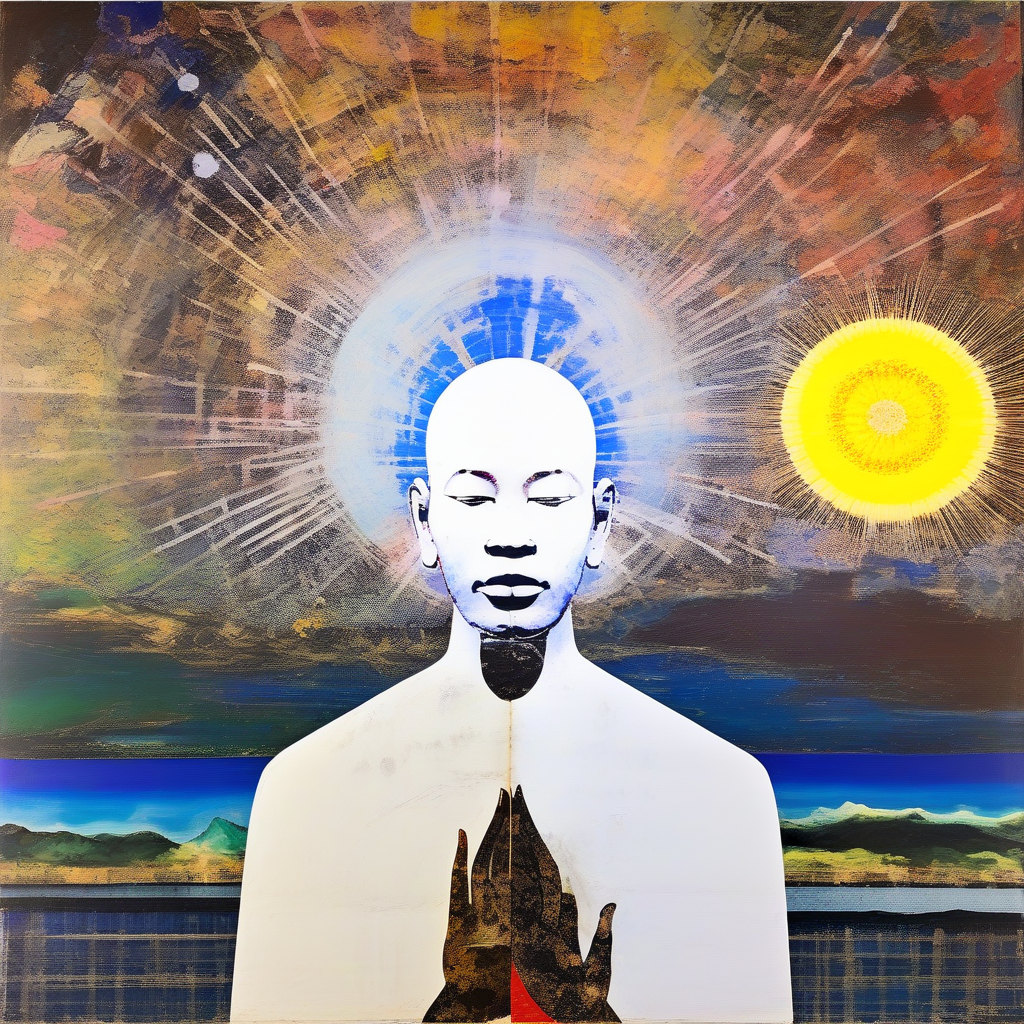
In Mahayana Buddhism, the concept of the Bodhisattva presents another unique perspective. A Bodhisattva is an individual who has caught a glimpse of enlightenment but chooses not to enter this state fully. This choice is made out of compassion, with the vow to help all sentient beings achieve enlightenment before achieving it themselves fully. This represents a profound sacrifice and a different understanding of enlightenment, not as a personal achievement but as a collective goal.

#### Conclusion
The question of whether one can choose to return to unenlightenment is complex and multi-faceted, deeply rooted in various spiritual traditions and philosophical contemplations. It invites us to consider the nature of spiritual awakening, the role of the divine in the cosmos, and the interconnectedness of all beings in the journey toward enlightenment.
Morgan O. Smith
Yinnergy Meditation, Spiritual Life Coaching & My Book, Bodhi in the Brain…Available Now!
 Morgan O. Smith
Powerful piece!!!!! The example given of the Mahayana Buddhist, is spiritually profound. Upon reading the practice, it feels like a very natural dichotomy for the human. We are on a journey, with various divine gifts, to assist and uplift humanity. The process the Buddhist willingly commits to, seems completely in line with the laws of nature. Within the Western world, the “I, ME & Mine” ego-centralized state of being, would see this practice as sacrificing, one’s self. As, it is often a mantra, “you must save yourself, before you can save another”. I completely, love the exposure to a beautiful and divine practice of a deeper form of Enlightenment. Thank you for this POWERFUL REFLECTION!!!!!
LikeLike
🥰🥰🥰
LikeLiked by 1 person